Die beste Reisezeit für Hội An: Ein Monat-für-Monat-Guide (Wetter, Feste & Andrang)
Ein datenbasierter Monat-für-Monat-Guide zur besten Reisezeit für Hội An: Wetter, Feste, Andrang und Preise für alle zwölf Monate, dazu jede Laternennacht 2026 und die größten Veranstaltungen der Region.
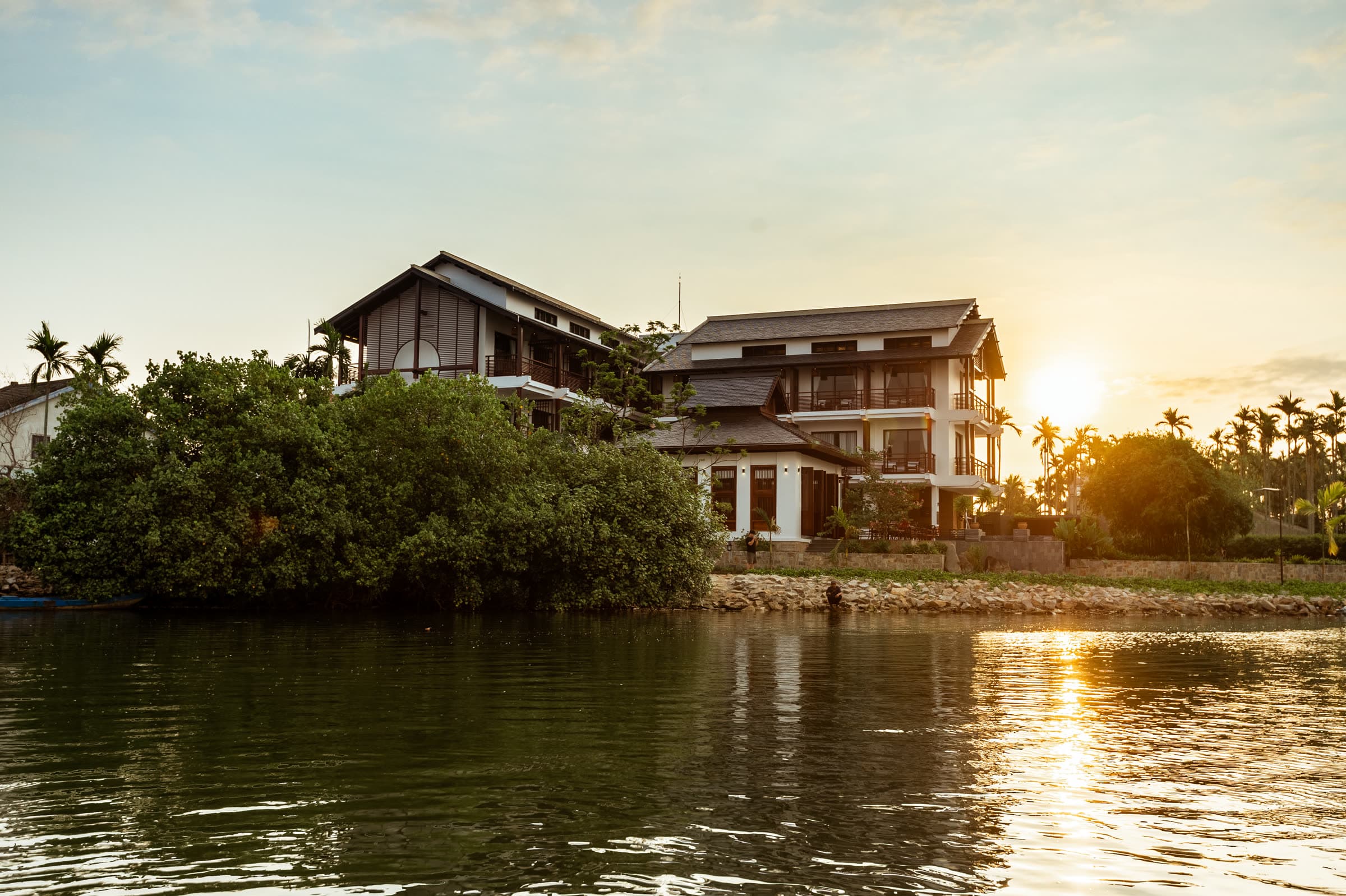
Wenn Sie nach der besten Reisezeit für Hội An suchen, lautet die ehrliche Antwort: Die Stadt hat tatsächlich ein ideales Zeitfenster — und es ist messbar. Zentralvietnam teilt sich klar in eine helle, trockene Hälfte und eine nasse, sturmanfällige Hälfte, und die Badesaison, das Laternenfest und die größten Veranstaltungen der Region haben jeweils ihr eigenes Fenster. Dieser Guide schlüsselt Hội An Monat für Monat auf — anhand derselben Live-Daten, die wir für unsere eigenen Gäste veröffentlichen: geprüfte Sonnenuntergangszeiten und Tageslängen, Mondphasen- und Laternentermine sowie den vollständigen Kalender der Vollmondfeste. Wir führen ein Hotel am Fluss, am ruhigen Südufer des Thu Bồn in Cẩm Nam, etwa zehn Radminuten von der Altstadt entfernt — die Jahreszeiten sind für uns also nichts Abstraktes: Jedes Jahr beobachten wir von der Terrasse aus, wie der Fluss steigt und fällt.
Kurz gefasst: die schnelle Antwort
Insgesamt beste Monate: Februar bis April — trocken, hell, warm (um 25–30 °C) und der verlässlichste Sonnenschein, bevor die Sommerhitze ihren Höhepunkt erreicht.
Am besten für Strand und lange Tage: Mai bis August — die heißeste Phase, mit dem längsten täglichen Sonnenschein (Juni und Juli sind die heißesten überhaupt).
Am besten für niedrige Preise und wenig Andrang: September bis November — die regnerische, sturmanfällige Saison; Oktober und November tragen das höchste Hochwasserrisiko, doch die Preise sind am niedrigsten.
Am besten für kühles, mildes Wetter: Dezember bis Januar — kühler, meist trocken und ruhig, wobei Tết (Mondneujahr, Jan./Feb.) die Preise steigen lässt.
Am besten für das Laternenfest: jeder Vollmondvorabend — es fällt auf den 14. jedes Mondmonats, es gibt also in jedem Monat des Jahres eines.
Hội An Monat für Monat auf einen Blick
Nutzen Sie die Tabelle unten als schnellen Planer und lesen Sie dann die Saisonhinweise darunter für die Details. Die Wetterbänder folgen dem Zwei-Jahreszeiten-Muster Zentralvietnams; die Festtermine sind die geprüften Laternennächte 2026 und die Veranstaltungskalender.
Monat
Wetter
Was los ist / Feste
Andrang & Preis
Fazit
Januar
Kühl, mild, meist trocken (~20–25 °C)
Laternennacht 2. Jan.; Tết kann Ende des Monats fallen
Am nassesten, Fenster des höchsten Hochwasserrisikos (~23–28 °C)
Laternennacht 22. Nov.
Am niedrigsten im Jahr
Niedrigste Preise, meister Regen
Dezember
Abkühlend, trocknet ab, mild (~21–26 °C)
Laternennacht 22. Dez.; Aufschwung zu Weihnachten / Neujahr
Steigend zu den Feiertagen
Angenehm und sich bessernd
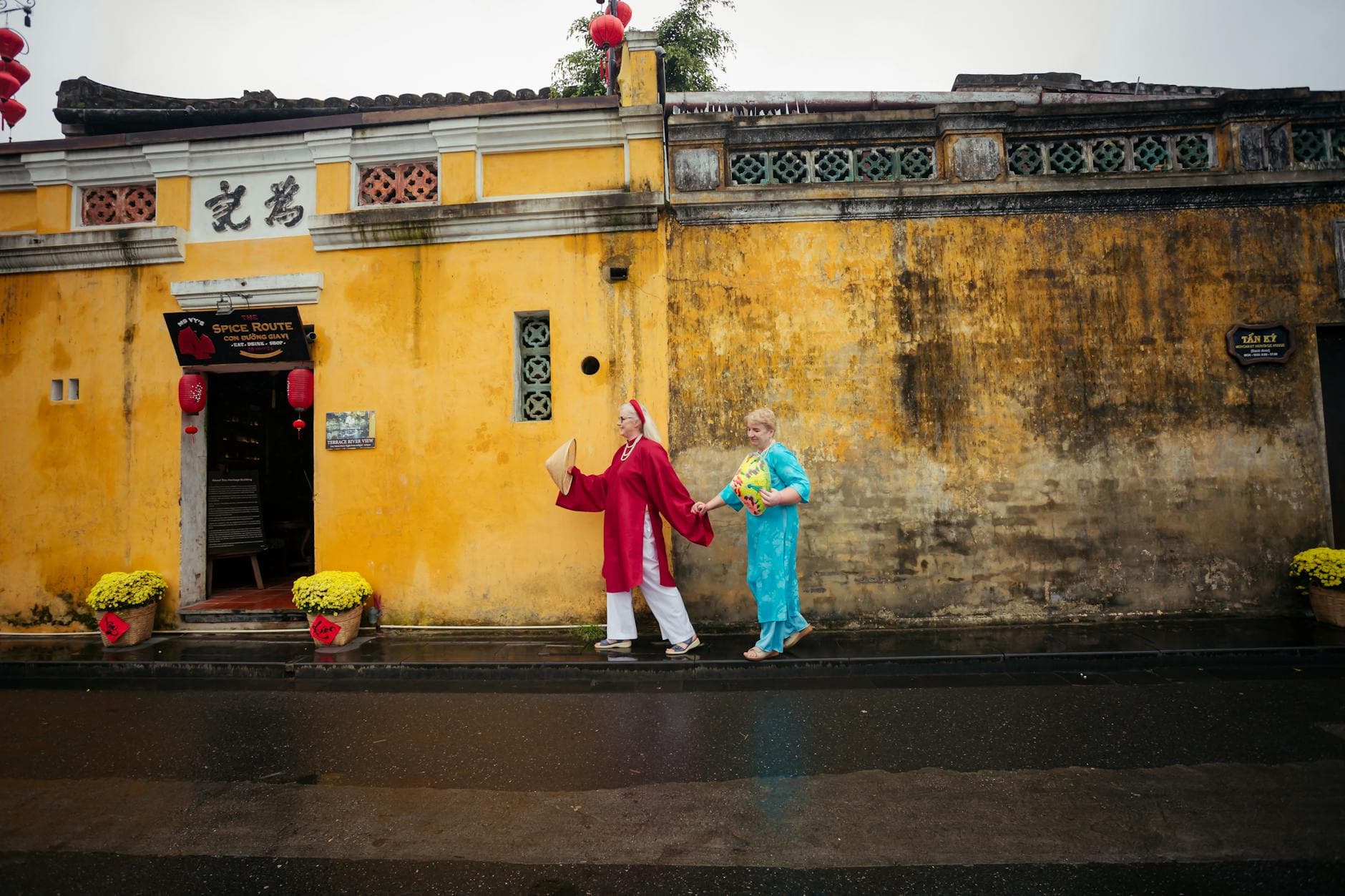
Hội Ans gelbe Uferhäuser am Thu Bồn im Licht der Trockenzeit.
Die Jahreszeiten von Hội An, erklärt
Die trockene, helle Saison: Februar bis April
Das ist Hội An von seiner verlässlichsten Seite. Ab Februar verfliegt die letzte Winterfeuchte, der Himmel klart auf, und die Tagestemperaturen pendeln sich bei angenehmen 25–30 °C mit dem stärksten Sonnenschein des Vorsommers ein. Die Luftfeuchtigkeit ist gut auszuhalten, der Thu Bồn steht niedrig und ruhig, und die Schneider, Cafés und Uferpfade der Altstadt lassen sich am besten zu Fuß erkunden. Der März ist das Beste vom Besten: warm, aber noch nicht drückend, und Heimat von Nguyên Tiêu — dem ersten Vollmond des Mondjahres und der größten Laternennacht im Kalender. Wenn Sie ein einziges Zeitfenster wollen, das alles gut macht, wählen Sie diese drei Monate.
Die heiße Saison mit langen Tagen: Mai bis August
Der Sommer ist die Strandhälfte des Jahres. Die Tage sind lang — in dieser Phase bekommt Hội An den meisten täglichen Sonnenschein — und Juni und Juli sind die heißesten Monate, die nachmittags oft in die Mitte der 30 °C klettern. Der Kompromiss gehört klar benannt: Mittags zu besichtigen kann brütend heiß sein, aber die Morgen und Abende sind herrlich, das Meer bei An Bàng ist warm und ruhig, und die Region feiert ihr größtes Fest des Jahres im nahen Đà Nẵng. Planen Sie wie ein Einheimischer — Strand oder Pool bei Sonnenauf- und -untergang, ein langsamer, schattiger Mittag — und der Sommer belohnt Sie. Unser Pool am Fluss und der Shuttle zum Strand von An Bàng gibt es genau für diesen Rhythmus.
Die Regen- und Sturmsaison: September bis November
Ab September dreht sich das Muster. Zentralvietnam tritt in seine Regenzeit ein, und Oktober und November tragen die höchste Wahrscheinlichkeit für starken Regen und jene kurzen, örtlich begrenzten Überschwemmungen, die entstehen, wenn Thu Bồn und Sông Hoài mit dem Abfluss aus den Bergen anschwellen. Es ist zugleich die ruhigste, grünste, stimmungsvollste — und günstigste — Zeit für einen Besuch. Der Regen kommt hier eher in intensiven Schüben als in ganztägigem Nieseln, sodass die Morgen selbst in einer nassen Woche hell sein können. Die Preise fallen auf ihren Tiefstand, die Altstadt leert sich, und die Spiegelungen auf dem nassen Kopfsteinpflaster zur Laternenzeit sind unvergesslich. Kommen Sie mit einem flexiblen Programm und einer leichten Regenschicht, und diese Saison hat einen echten, unterschätzten Reiz.
Die kühle, milde Saison: Dezember bis Januar
Dezember und Januar bringen die kühle, milde Seite des Jahres — angenehme Tage bei gut 20 bis 25 °C, ruhigerer Himmel, während die Regenfälle abklingen, und das weichste Licht für die Fotografie. Es ist eine leichte, angenehme Zeit, um durch die Stadt zu bummeln, Rad zu fahren und sich durchzuprobieren. Das Einzige, worum man planen sollte, ist Tết, das Mondneujahr, das Ende Januar oder im Februar fällt: eine wunderbare, zutiefst lokale Zeit, um hier zu sein, aber Zimmer und Flüge sind stark gefragt und die Preise steigen — buchen Sie also früh, wenn sich Ihre Reisedaten überschneiden.
Wann ist die beste Zeit für den Strand?
Für Sonne, warmes Meer und ruhiges Wasser ist Mai bis August unschlagbar — lange Tage, verlässliche Wärme und sanfte Brandung bei An Bàng, etwa fünfzehn Minuten vom Flussufer mit unserem Strand-Shuttle. Februar bis April ist die sanftere Alternative: warm genug zum Schwimmen, weit weniger überlaufen und kühler zum Sonnenliegen. Oktober und November sind die Monate, die man speziell für den Strand auslassen sollte, wenn raueres Meer und Regen die Sache zum Glücksspiel machen. Welchen Monat Sie auch wählen — die Morgen sind am besten: Der Sand ist ruhig, das Licht ist weich, und Sie sind zurück, bevor die Mittagshitze kommt.
Eine Kerzenlaterne wird während einer Laternennacht in Hội An auf dem Fluss ausgesetzt.
Wann ist die beste Zeit für das Laternenfest?
Hier ist die Tatsache, die die meisten Reiseführer falsch verstehen: Das Laternenfest von Hội An ist kein einmaliges Ereignis im Jahr. Es findet am 14. Tag jedes Mondmonats statt — am Vorabend des Vollmonds — es gibt also jeden Monat eine Laternennacht, wenn die Altstadt ihr elektrisches Licht ausschaltet und Kerzenlaternen auf der Sông Hoài treiben lässt. Das heißt, die beste Zeit ist schlicht der Monat, in dem Sie ohnehin da sind. Für die genauen gregorianischen Termine führen wir einen Live-Kalender für Mondphasen und Laternen und einen eigenen Bereich zum Laternenfest von Hội An. Zwei Nächte ragen heraus: Nguyên Tiêu (der erste Vollmond des Mondjahres) und der Vorabend des Mittherbstfests sind die größten und aufwendigsten.
Die geprüften Laternennächte 2026 sind:
2. Januar
1. Februar
2. März — Nguyên Tiêu, die größte des Jahres
1. April
30. April
30. Mai
28. Juni
27. Juli
26. August
24. September — Vorabend des Mittherbstfests
23. Oktober
22. November
22. Dezember
Die erste Laternennacht 2027 fällt anschließend auf den 21. Januar.
Morgenlicht in Hội Ans Altstadt — die goldene Stunde, für die Fotografen kommen.
Wann ist die beste Zeit für Fotografie und die goldene Stunde?
Hội An ist eine Stadt für Fotografen, und das Licht ist an den Rändern des Tages am schönsten. Die kühlen, trockenen Monate Dezember bis März liefern die reinsten Farben der goldenen Stunde, während die langen Sommerabende von Mai bis Juli das nutzbare Licht länger in die Nacht ziehen. Da sich die Uhrzeit des Sonnenuntergangs im Jahresverlauf um fast eine Stunde verschiebt, veröffentlichen wir die exakten Sonnenuntergangszeiten und Tageslängen von Hội An, berechnet mit dem astronomischen Algorithmus von Jean Meeus auf etwa eine halbe Minute genau, damit Sie ein Shooting oder eine Flussfahrt auf die Minute planen können, in der die Sonne hinter dem Thu Bồn versinkt. Die blaue Stunde auf dem Wasser, gleich nachdem die Laternen aufleuchten, ist das Motiv, für das alle kommen.
Wann ist die beste Zeit, um Menschenmengen zu meiden und niedrigere Preise zu finden?
Die beiden ruhigsten Fenster mit dem besten Preis-Leistungs-Verhältnis sind September bis November — die Regenzeit — und die Wochen davor und danach. Die Preise sind von Oktober bis November am niedrigsten, wenn die Altstadt am ruhigsten ist. Die vollsten und teuersten Phasen sind Tết (Ende Januar/Februar), der Feiertag vom 30. April bis 1. Mai, die Sommerspitze im Juni–Juli und die zwei Wochen um Weihnachten und Neujahr. Für die beste Balance aus gutem Wetter und überschaubarem Andrang zielen Sie auf Ende Februar, März oder Anfang April, oder die erste Septemberhälfte, bevor der starke Regen einsetzt.
Sollte die Hochwassersaison meine Pläne ändern?
Überschwemmungen in Hội An sind real, werden aber oft missverstanden. Sie sind hyperlokal und kurz — meist ein bis drei Tage — ausgelöst dadurch, dass Thu Bồn und Sông Hoài nach konzentriertem Regen ansteigen, vor allem im Oktober und November. Die Stadt lebt seit vier Jahrhunderten mit dem Fluss: Händler räumen die Waren nach oben, Boote tauchen in den Gassen auf, und das Leben geht oberhalb der Wasserlinie weiter. Die wirklich großen Fluten sind selten und gut dokumentiert — 1964, 1999, 2007, 2017 und 2020 — keine jährlichen Ereignisse. Wenn Sie in der Regenzeit kommen, halten Sie einfach ein, zwei Tage Puffer in Ihren Plänen bereit, wohnen Sie irgendwo, das den Fluss kennt, und nehmen Sie einen Hochwassertag als Teil des Charakters der Stadt statt als verlorenen Tag.
Planen Sie Ihre Reise? Prüfen Sie die Verfügbarkeit in unserem ruhigen Hotel am Thu-Bồn-Fluss. Verfügbarkeit prüfen →
Feste, um die sich eine ganze Reise planen lässt
Nguyên Tiêu (2. März 2026) — der erste Vollmond des Mondjahres und die prächtigste Laternennacht von Hội An.
Vorabend des Mittherbstfests (24. September 2026) — Löwentänze, Mondkuchen und die familiärste Laternennacht des Jahres.
Internationales Feuerwerksfestival Đà Nẵng (DIFF) 2026 — sechs Samstagabende am Hàn-Fluss um 20:00 Uhr: 30. Mai, dann 6., 13., 20. und 27. Juni, und das Finale am 11. Juli. Đà Nẵng ist ein leichter Abendausflug von Hội An aus.
Tết (Mondneujahr, Jan./Feb.) — die stimmungsvollste und lokalste Zeit, um hier zu sein; buchen Sie weit im Voraus, da die Preise steigen.
Wann sollten Sie also tatsächlich fahren?
Wenn Sie den einen besten Monat wollen, wählen Sie den März: trocken, hell, warm ohne heiß zu sein, und gekrönt von der größten Laternennacht des Jahres. Für eine breitere sichere Wahl liefert alles im Fenster Februar–April Hội An von seiner verlässlichsten Seite. Kommen Sie für Strand und lange Tage von Mai bis August, kommen Sie für niedrige Preise und grüne, ruhige Gassen von September bis November, und kommen Sie für kühles, sanftes Wetter von Dezember bis Januar. Es gibt wirklich keinen schlechten Monat — nur verschiedene Versionen der Stadt, und die Daten oben sagen Ihnen, welche Sie bekommen.
Häufig gestellte Fragen
Welcher Monat ist der beste, um Hội An zu besuchen?
Der März sticht heraus — trocken, hell, angenehm warm (um 25–30 °C) und Heimat von Nguyên Tiêu, der größten Laternennacht des Jahres. Das weitere Fenster von Februar bis April ist insgesamt die verlässlichste Phase.
Wann ist die regenreichste Zeit in Hội An?
Oktober und November sind am nassesten, mit der höchsten Wahrscheinlichkeit für starke Güsse und jene kurzen, örtlich begrenzten Überschwemmungen, die entstehen, wenn Thu Bồn und Sông Hoài steigen. Der Regen kommt typischerweise in intensiven Schüben statt als anhaltendes Nieseln.
Wird Hội An wirklich überschwemmt, und für wie lange?
Ja, aber meist nur ein bis drei Tage am Stück, vor allem im Oktober und November, und beschränkt auf tief liegende Straßen am Fluss. Große Fluten sind selten — die bemerkenswerten waren 1964, 1999, 2007, 2017 und 2020.
Wann findet das Laternenfest von Hội An jeden Monat statt?
Am 14. Tag jedes Mondmonats, dem Vorabend des Vollmonds — es gibt also jeden Monat eine Laternennacht. 2026 fallen sie auf den 2. Jan., 1. Feb., 2. März, 1. und 30. April, 30. Mai, 28. Juni, 27. Juli, 26. Aug., 24. Sept., 23. Okt., 22. Nov. und 22. Dez. Sehen Sie in unserem Live-Mondkalender für die genauen Zeiten nach.
Lohnt sich ein Besuch von Hội An in der Regenzeit?
Für viele Reisende ja. Sie tauschen etwas Wetterrisiko gegen die niedrigsten Preise, den geringsten Andrang, sattgrüne Landschaft und atemberaubend schöne Spiegelungen zur Laternenzeit. Halten Sie Ihre Pläne flexibel, und es kann die einprägsamste Art sein, Hội An zu erleben.
Was sollte ich für das Wetter in Hội An einpacken?
Für die Trockenzeit leichte Kleidung, Sonnenschutz und einen Hut. Für den Sommer (Mai–August) kommen Badesachen dazu, und planen Sie um die Mittagshitze herum. Für die Regenzeit (September–November) bringen Sie eine leichte Regenschicht und schnelltrocknende Schuhe mit und lassen Sie etwas Spielraum im Programm für einen möglichen Hochwassertag.
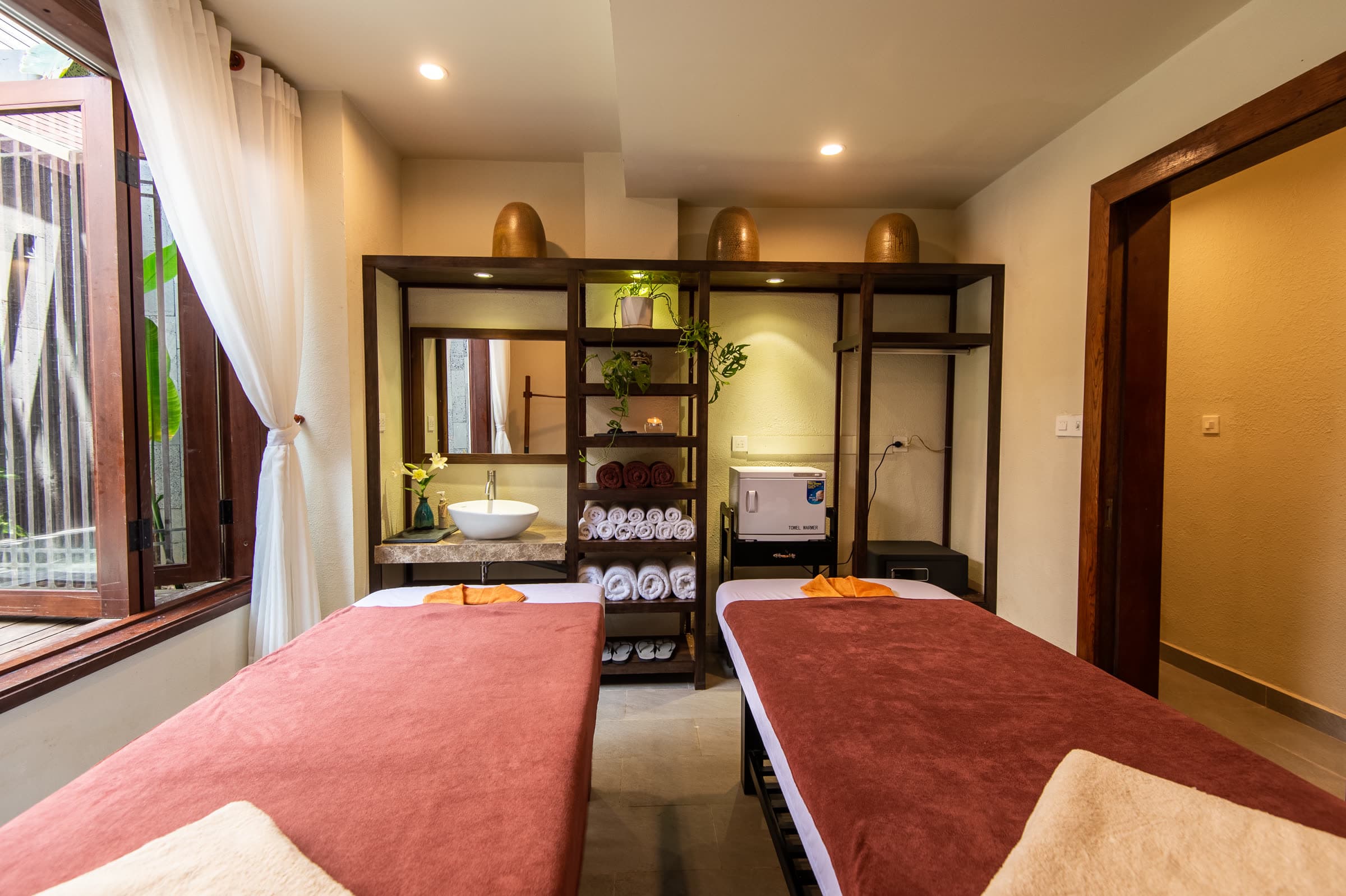
*Wo auch immer Ihr Monat landet — das Flussufer ist der ruhigste Ort für Ihr Quartier. Nghê Prana liegt am ruhigen Südufer des Thu Bồn in Cẩm Nam, etwa zehn Radminuten von der Altstadt entfernt — 23 zum Fluss ausgerichtete Zimmer, ein Pool, Räder vor der Tür, ein Shuttle zum Strand von An Bàng, die Farm-to-Table-Küche The Corn und ein Spa für Massage, ein vietnamesisches Kräuterbad, Jacuzzi und Sauna. Stöbern Sie in unseren Zimmern mit Flussblick oder lesen Sie mehr über das Leben am Thu Bồn, während Sie planen, in welcher Saison Sie kommen.*
Über die Daten in diesem Guide
Die saisonalen Bänder hier folgen dem Zwei-Jahreszeiten-Monsunmuster Zentralvietnams. Die von uns genannten Werte für Sonnenuntergang, Tageslänge und goldene Stunde werden mit dem astronomischen Algorithmus von Jean Meeus auf etwa dreißig Sekunden genau berechnet und live auf unserer Sonnenuntergangsseite für Hội An veröffentlicht; die Termine der Laternennächte und Mondphasen stammen aus unserem geprüften Festkalender und unserer Mondseite. Die Hochwasserhistorie (1964, 1999, 2007, 2017 und 2020) spiegelt die dokumentierten großen Hochwasserjahre der Region wider. Wir aktualisieren diesen Guide jedes Jahr, wenn sich die Mondtermine verschieben.
Every room at Nghê Prana is designed around the science of sleep. Blackout curtains, nightly aromatherapy turndown, and riverside quiet — experience what real rest feels like.
Zimmer am Fluss, zehn Fahrradminuten von der Altstadt. Ob eine Nacht zwischen Hué und Da Nang oder eine ganze Woche ohne Plan — Ihr Zimmer bleibt ruhig.
Kostenlose Stornierung · Direkt bei der Familie, die das Haus gebaut hat


 WhatsApp
 Zalo
Zalo