Hội An ou Ninh Bình pour le bien-être en 2026 : eau, karst, et ce dont votre corps a besoin
Les deux grandes destinations bien-être du Vietnam jouent dans des registres très différents. Karst et bains aux herbes d'un côté, fleuve et sommeil de l'autre. Comparaison honnête, après plusieurs mois passés dans les deux.
En bref : Ninh Bình, c'est le karst, les grottes et les bains aux herbes des Dao rouges — retraite spectaculaire. Hội An, c'est le fleuve, l'océan et le tourisme du sommeil — réinitialisation douce. Pour une semaine de bien-être, Hội An est plus simple d'accès (aéroport de Đà Nẵng, 35 min). Pour deux semaines au Vietnam, faites les deux.
Deux petites villes captent aujourd'hui la majorité des réservations bien-être du Vietnam : Hội An au centre, Ninh Bình au nord. Ceux qui prévoient une semaine au Vietnam finissent souvent par devoir choisir, et internet explique remarquablement mal la vraie différence. Voici une comparaison honnête, écrite après plusieurs mois passés dans les deux.
En une ligne
Ninh Bình : karst, grottes, vallées calcaires, bains aux herbes. Hội An : fleuve, océan, lanternes, sommeil. Ninh Bình est dramatique. Hội An est douce. Le gagnant dépend entièrement de ce dont votre corps a besoin la semaine où vous réservez.
Paysage et atmosphère
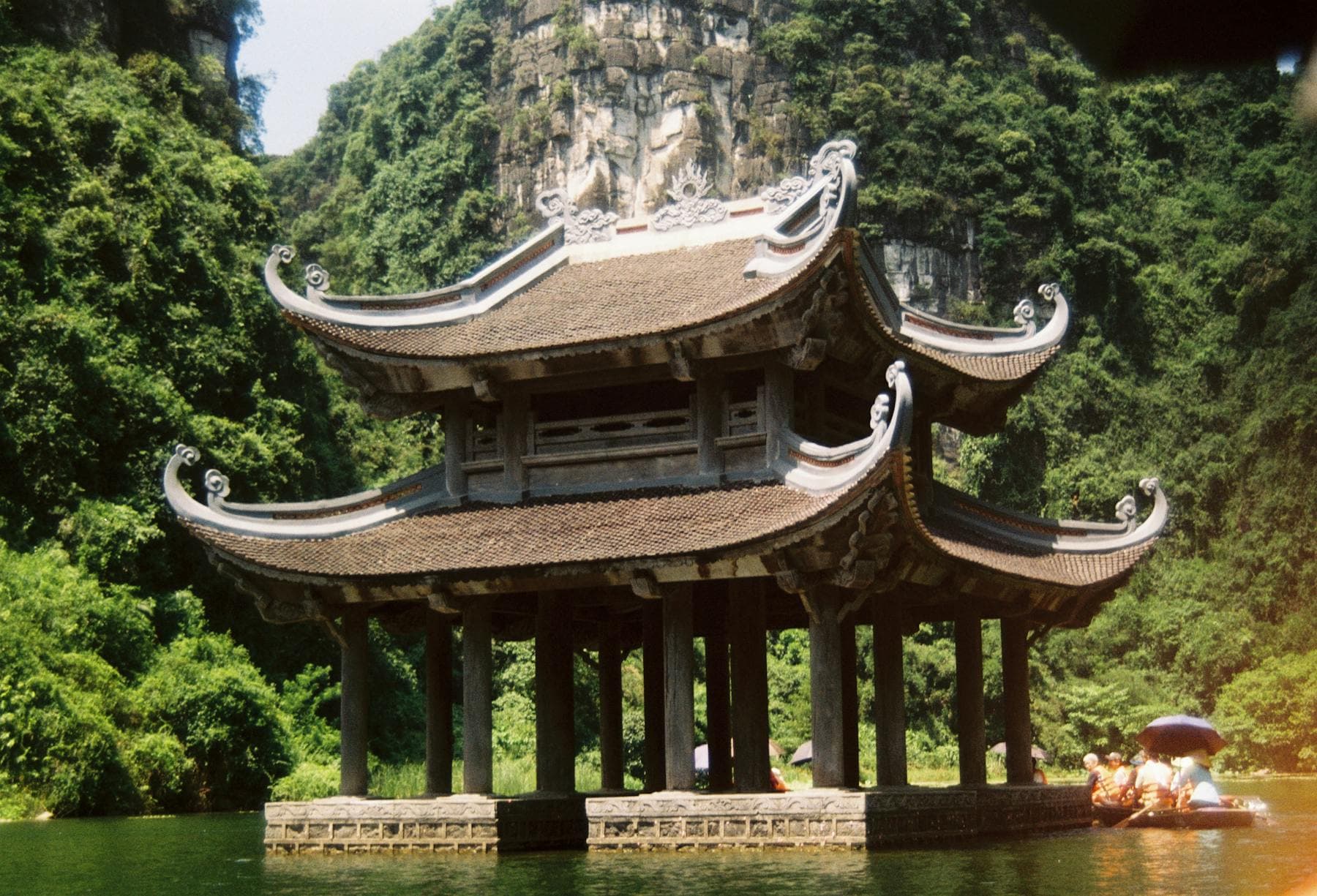
Ninh Bình se trouve à 90 km au sud de Hà Nội. Le décor-vedette est le complexe paysager de Tràng An, classé à l'UNESCO — pitons calcaires verticaux qui surgissent de rizières détrempées et plates, navigables uniquement à la rame. Tam Cốc (le secteur des trois grottes) est la sœur plus touristique ; Tràng An est plus long, plus calme, plus saisissant. La météo penche vers le frais et la brume en hiver, vers l'humide et l'orageux en été. Les matins, à Tràng An, ressemblent à une peinture chinoise.
Hội An est sur la côte centrale, à 30 km de Đà Nẵng. Le paysage est un delta — le Thu Bồn ralentit en lagunes à barques-paniers, cocotiers, rizières, et la longue plage d'An Bàng. Le climat est plus chaud toute l'année, plus sec d'avril à août, plus humide de septembre à décembre. Les soirées sont éclairées aux lanternes, le fleuve est calme, l'océan tout près.
Positionnement bien-être
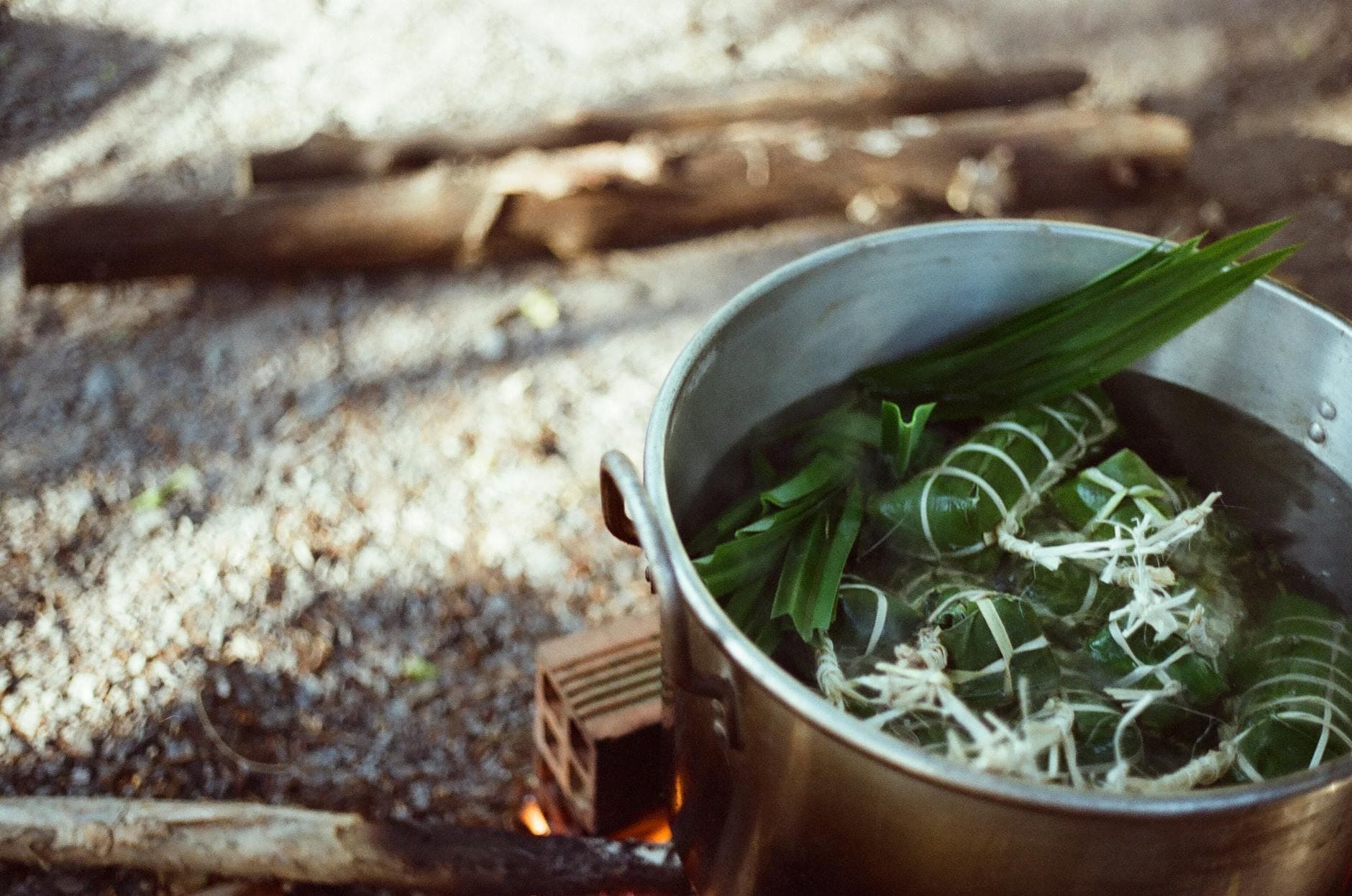
Ninh Bình : herbal, terrien, ritualisé. La tradition de bains forestiers aux herbes des Dao rouges est l'une des signatures bien-être de la région. Des établissements comme le Jiva Hoa Lu Retreat, à l'intérieur du paysage de Tràng An, organisent yoga dans les vallées calcaires, marches méditatives en forêt, rituels de bains aux herbes. Des bains sonores en grotte existent. L'esprit est retraite au sens propre — on s'enfonce dans le paysage.
Hội An : sommeil, table, journées lentes. Le vocabulaire bien-être de Hội An se construit autour du tourisme du sommeil, du drainage du cortisol et d'un rythme quotidien fait de fleuve, piscine, café, marché, soin du corps et coucher tôt. Les soins spa puisent dans les herbes vietnamiennes — citronnelle, gingembre, pandan, sel de fleuve. L'esprit est réinitialisation plutôt que retraite — on continue de vivre, mais le volume baissé.
Facilité d'accès
Ninh Bình : vol jusqu'à Hà Nội Nội Bài (HAN), puis 2 h 30 en voiture ou en train. Pas de vols directs. La logistique mange la moitié d'une journée.\\n- Hội An : vol jusqu'à Đà Nẵng (DAD), puis 35 minutes en voiture ou en Grab. Beaucoup de villes asiatiques desservent désormais Đà Nẵng en direct. La logistique tient en une heure.
Pour un séjour court, Hội An est sensiblement plus simple d'accès. Pour deux semaines de boucle vietnamienne, on peut faire les deux — Hội An en milieu de séjour, Ninh Bình avant le vol depuis Hà Nội.
Vous organisez votre séjour ? Vérifiez les disponibilités de notre paisible hôtel au bord de la Thu Bồn. Voir les disponibilités →
Quel voyage pour qui
Récupération du décalage horaire après un long-courrier : Hội An. Plus chaud, basse altitude, meilleure infrastructure de sommeil, air marin.\\n- Photographie de paysages spectaculaires avec yoga : Ninh Bình. Le karst est sincèrement cinématographique.\\n- Semaine complète de réinitialisation du sommeil, sans cerveau visite : Hội An. On peut tenir sept jours dans un rayon de 3 km.\\n- Rituels aux herbes des minorités ethniques : Ninh Bình. Les traditions Dao rouges sont réelles, et les établissements qui les opèrent savent ce qu'ils font.
Bien-être centré sur la table : Hội An. La culture culinaire du Centre — cao lầu, mì Quảng, poisson de rivière, bánh mì — est l'une des cuisines bien-être les plus intégrées d'Asie.\\n- Voyageuse seule, première semaine au Vietnam : Hội An. La vieille ville, la plage et les villages du fleuve se parcourent à pied, sont bien éclairés, sûrs.\\n- Couples qui veulent nature spectaculaire et spa : Ninh Bình l'emporte sur le drame. Hội An l'emporte sur le dîner après le spa.
Quand prendre les deux
Deux semaines au Vietnam : cinq jours à Hội An (récupération à l'arrivée, plage, fleuve, spa), trois jours à Ninh Bình (karst, kayak, bain aux herbes), deux jours à Hà Nội (table, culture), le reste en variable. C'est un arc bien-être plus complet que l'une ou l'autre destination prise isolément.
Le biais assumé
Cette publication est éditée par un établissement de Hội An ; supposez que la balance penche. Ce que nous croyons réellement : Ninh Bình est la bonne réponse si votre corps veut du drame plus du rituel. Hội An est la bonne réponse si votre corps veut du calme plus du sommeil. Aucune n'est meilleure. Toutes deux sont d'excellentes raisons de prendre l'avion vers le Vietnam en 2026.
Choisissez Ninh Bình pour vous sentir petit à l'intérieur d'un paysage. Choisissez Hội An pour oublier que vous avez un calendrier.
Every room at Nghê Prana is designed around the science of sleep. Blackout curtains, nightly aromatherapy turndown, and riverside quiet — experience what real rest feels like.
Chambres au bord du fleuve, à dix minutes à vélo de la vieille ville. Une nuit entre Hué et Da Nang ou une semaine sans emploi du temps — votre chambre restera silencieuse.
Annulation gratuite · Réservation directe auprès de la famille propriétaire
 WhatsApp
 Zalo
Zalo