Une nuit à Hội An : l'arrêt-récupération entre Huế et Đà Nẵng
Si votre itinéraire prévoit une nuit à Hội An entre Huế et Đà Nẵng, l'hôtel choisi importe plus que la durée. Une seule nuit de sommeil profond récupère plus de fatigue que trois nuits agitées.
Beaucoup d'itinéraires passent par Hội An pour une seule nuit — étape de transit entre la quiétude impériale de Huế au nord et les resorts de plage de Đà Nẵng au sud. L'instinct est d'en faire une halte légère : un dîner rapide, une photo aux lanternes, un bus de bonne heure le lendemain. Mais physiologiquement, une seule nuit dans le bon type de chambre fait plus que cela. Si vous êtes en route depuis des jours, un sommeil profond de huit heures peut effacer une dette de voyage surprenante — assez pour réinitialiser énergie, humeur et système immunitaire pour la suite. La science du sommeil de récupération est précise, et elle indique exactement comment passer cette nuit.
Ce que le voyage fait à votre corps avant que vous ne le remarquiez
Le voyage pluri-jours — surtout le standard vietnamien des longues étapes en bus ou train, des changements d'hôtels, des repas inhabituels, du soleil de midi — accumule une charge physiologique facile à manquer parce qu'elle est en retard sur l'expérience. Une revue de 2010 du New England Journal of Medicine décrit l'état post-voyage typique comme un mélange de déshydratation modérée, de rythme circadien perturbé, de cortisol de base élevé, et d'accumulation de dette de sommeil moyenne de 1,5 à 3 heures par nuit. Rien de catastrophique. Cela apparaît comme une légère brume, une moindre tolérance aux frustrations, un matin où l'on appuie deux fois sur snooze.
Le mécanisme derrière cette brume est lié au sommeil. Le corps utilise les stades profonds pour évacuer les sous-produits métaboliques du cerveau (système glymphatique), consolider la mémoire, et réguler l'inflammation. Quand on raccourcit ou fragmente ces stades plusieurs nuits d'affilée, le déficit s'agrège. Une étude de 2013 dans Science a montré qu'une seule nuit de sommeil restreint suffit à réduire mesurablement la clairance du bêta-amyloïde, une protéine de déchet associée à la fatigue cognitive et, sur des décennies, à la neurodégénérescence. Le voyage, en ce sens, est un impôt cognitif lent.
Une étude Stanford de 2014 sur des athlètes d'élite a trouvé qu'une seule nuit d'extension de sommeil (9,5 à 10 heures couché contre 7 de référence) améliorait le temps de réaction de 9 %, la précision de tir de 9,2 %, et l'humeur de 12 % — mesurable dès le lendemain.
Pourquoi une bonne nuit peut faire un vrai travail
On entend souvent qu'on ne « rattrape » pas le sommeil. C'est partiellement vrai. Ce qu'on ne récupère pas, c'est la performance cognitive perdue durant les jours privés ; ces heures sont parties. Ce qu'on peut récupérer, c'est une grande partie des conséquences physiologiques : le cortisol se normalise, l'hormone de croissance rebondit, les marqueurs immunitaires reviennent vers la base, la clairance glymphatique rattrape, le tout en environ 18 à 24 heures de sommeil restauré. Un article de 2016 dans Current Biology a suivi des participants à travers une semaine de restriction puis une « nuit de récupération » et trouvé que, après une seule période complète de 9 heures, sensibilité à l'insuline et marqueurs d'inflammation revenaient à environ 70 % du niveau pré-privation. Pas une récupération totale — mais assez pour se sentir nettement différent le lendemain, et assez pour continuer un long voyage sans que le déficit ne bascule en maladie.
Implication pratique : si vous avez voyagé dur et qu'il vous reste une nuit à Hội An avant la suite, cette nuit n'est pas perdue. Bien conçue, elle équivaut à plusieurs jours de repos ordinaire. Mal conçue — guesthouse bruyante de la vieille ville, climatiseur qui cogne, moto à 2 h dehors — c'est une nuit agitée de plus.
Comment concevoir une nuit unique de récupération
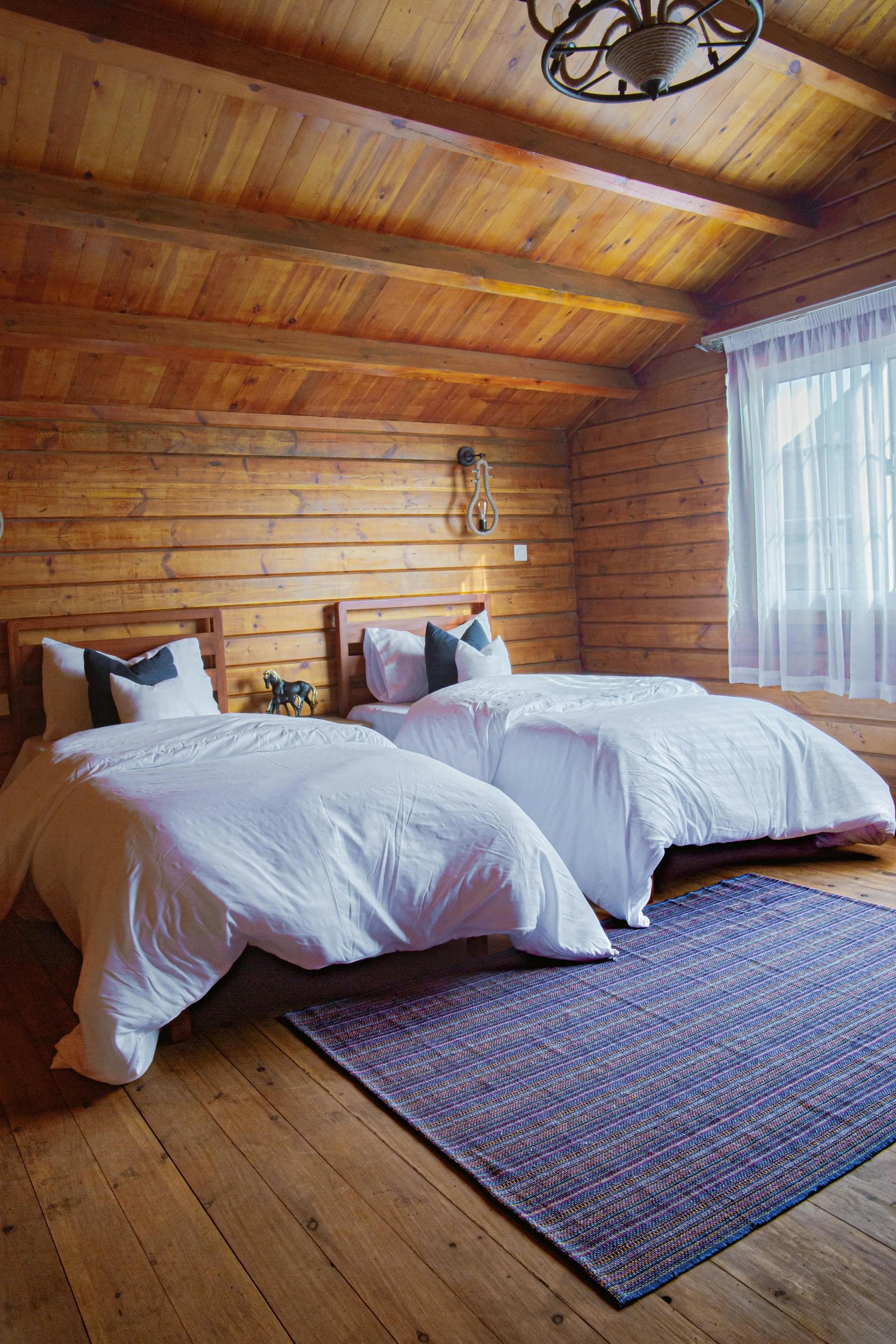
Les variables qui comptent le plus sont les mêmes que d'ordinaire, mais les enjeux sont plus hauts parce qu'il n'y en a qu'une. Première priorité : l'obscurité absolue. Votre courbe de mélatonine est déjà perturbée par le voyage ; une lumière ambiante au-dessus de 5 lux pendant le sommeil l'émoussera davantage. Une chambre avec de vrais rideaux occultants — pas un store — et si l'hôtel laisse une LED de TV en veille ou une alarme de porte allumée, recouvrez-les avec du ruban. Deuxième : le silence. Le sommeil de récupération met davantage de temps en stades profond et REM, particulièrement sensibles aux micro-éveils sonores. Cible : sous 40 dB(A) ; bouchons si besoin.
Troisième : la température. La chute de température centrale à l'endormissement doit être assez nette pour déclencher le premier cycle profond, où la majorité de la récupération se fait. Réglez la chambre entre 18 et 20 °C avant de vous coucher. Les chambres tropicales partent souvent plus haut ; baissez la climatisation pour la première heure. Quatrième : le temps couché. Visez neuf heures, pas huit. L'heure supplémentaire prolonge le second cycle REM, où se concentrent le traitement émotionnel et la régulation du cortisol.
Vous organisez votre séjour ? Vérifiez les disponibilités de notre paisible hôtel au bord de la Thu Bồn. Voir les disponibilités →
Cinquième, le plus négligé : ce que l'on consomme avant de dormir. L'alcool est la plus fréquente erreur de nuit de récupération. Un seul verre de vin au dîner, c'est bon ; deux ou plus fragmenteront mesurablement les stades REM et annuleront l'essentiel de l'effet. La caféine après 14 h a un coût similaire. Un dîner léger, l'hydratation et une marche au bord du fleuve font plus pour votre matin que tout ce que la vieille ville peut offrir.
Une méta-analyse 2018 du Journal of Sleep Research a trouvé que la consommation modérée d'alcool (0,5 à 0,75 g/kg, soit 2 verres pour 70 kg) réduisait le sommeil REM de 9,3 % en moyenne et augmentait les éveils nocturnes de 29 % — effets persistants chez les bons dormeurs, pas seulement chez les buveurs problématiques.
Pourquoi un hôtel orienté sommeil est plus important pour une seule nuit
La raison pour laquelle un hôtel bien-être compte plus pour une nuit que pour une semaine est simple : sur un long voyage, une mauvaise chambre est gênante ; sur une seule nuit de récupération, une mauvaise chambre gâche l'unique occasion de rembourser la dette avant la suite. Les voyageurs en arrêt d'une nuit à Hội An tendent à sur-optimiser quand ils comprennent la physiologie. Ils choisissent la rive, pas le centre. Ils choisissent occultation, thermostat frais, et établissements qui terminent le turndown avant 20 h. Ils mangent à l'hôtel plutôt que de passer 45 minutes dans la circulation de la vieille ville. Ils sont à l'horizontale à 22 h et debout à 7 h, et le lendemain ils repartent en se sentant comme s'ils avaient ajouté un jour au voyage, plutôt que d'en avoir retiré un.
Nghê Prana est à 15 minutes en taxi des principales gares routière et ferroviaire qui relient Huế et Đà Nẵng — assez loin de la vieille ville pour rester sombre et calme, assez proche pour rester central. Pour un arrêt-récupération d'une nuit, la formule qui marche pour la majorité de nos hôtes : arrivée à 18 h, douche, repas léger au restaurant de l'hôtel, courte marche au bord du fleuve au crépuscule, lumière éteinte à 22 h. La navette est là à 7 h pour un départ tôt. Neuf heures couché, et un autre corps au matin.
Le recadrage
Une nuit à Hội An entre deux longues étapes est facile à voir comme du temps perdu ou un casse-tête logistique. Physiologiquement, c'est l'inverse : c'est la meilleure occasion de récupération que votre voyage offre. Ce qui se passe dans cette chambre — son obscurité, son silence, sa fraîcheur, son ininterruption — détermine si la seconde moitié de votre itinéraire vietnamien sera une continuation d'élan ou une lutte contre la fatigue. Choisissez la chambre comme si elle comptait, parce qu'elle compte. Les lanternes seront aussi là demain soir.
Xie, L., Kang, H., Xu, Q., et al. (2013). Sleep drives metabolite clearance from the adult brain. Science. View source
Mah, C. D., Mah, K. E., Kezirian, E. J., Dement, W. C. (2011). The effects of sleep extension on the athletic performance of collegiate basketball players. Sleep. View source
Ness, K. M., Strayer, S. M., Nahmod, N. G., et al. (2016). Four nights of sleep restriction alters insulin sensitivity and inflammatory markers. Current Biology. View source
Ebrahim, I. O., Shapiro, C. M., Williams, A. J., Fenwick, P. B. (2018). Alcohol and sleep: a review. Journal of Sleep Research. View source
Sack, R. L. (2010). Jet lag. The New England Journal of Medicine. View source
Every room at Nghê Prana is designed around the science of sleep. Blackout curtains, nightly aromatherapy turndown, and riverside quiet — experience what real rest feels like.
Chambres au bord du fleuve, à dix minutes à vélo de la vieille ville. Une nuit entre Hué et Da Nang ou une semaine sans emploi du temps — votre chambre restera silencieuse.
Annulation gratuite · Réservation directe auprès de la famille propriétaire

 WhatsApp
 Zalo
Zalo