beauty
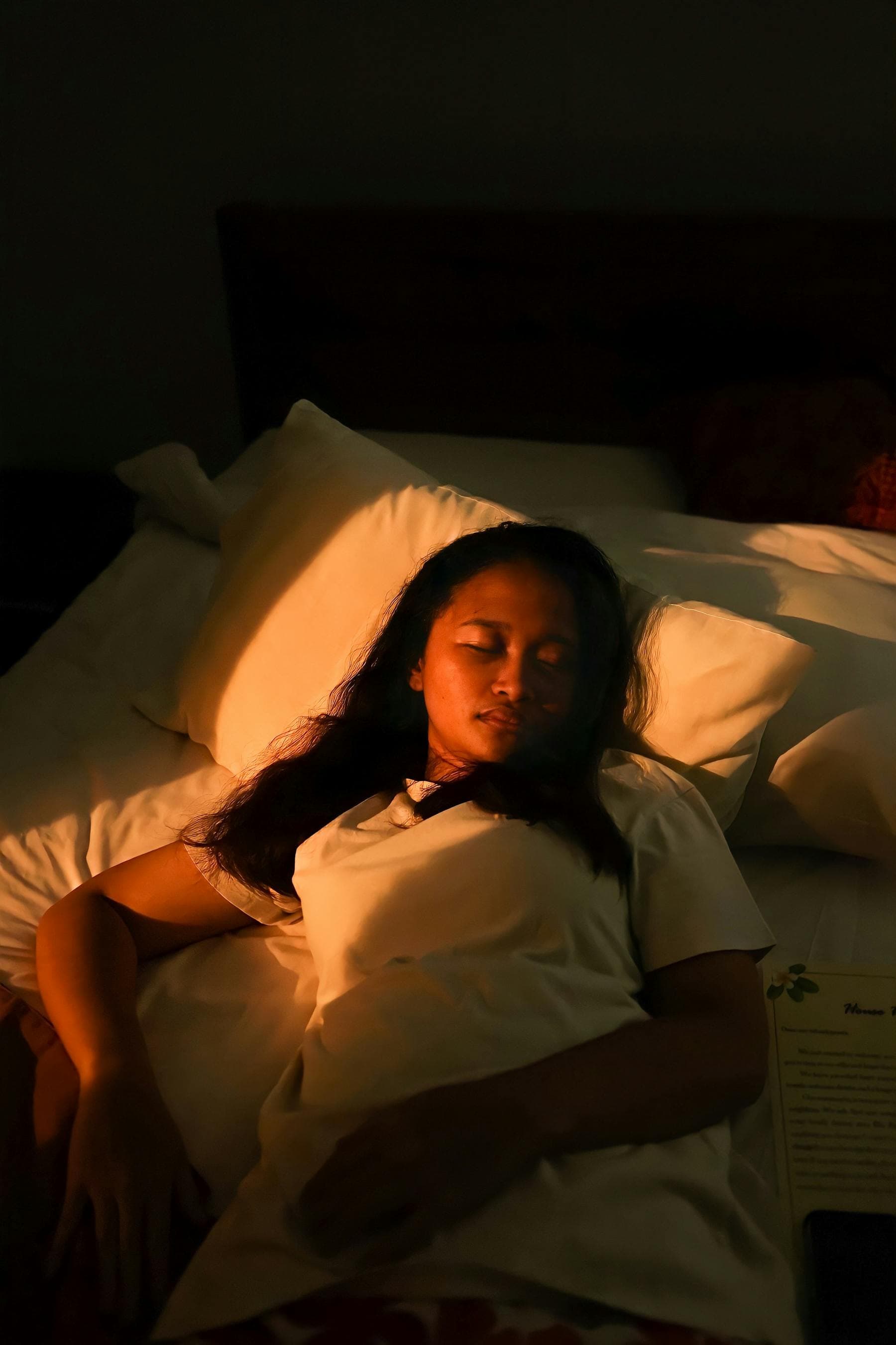
Wie Schlaf nachts Ihre Haut repariert
Die wirksamste Schönheitsbehandlung Ihres Körpers läuft zwischen Mitternacht und 3 Uhr. Hier die Wissenschaft hinter Schlaf und Hautregeneration.
Jan 15, 20257 minRead Article
Gen Zs neueste Ästhetik — heißes Wasser, Gua Sha, sanfte Morgen, frühes Bett, Hausschuhe drinnen — heißt nach viralen TikToks und Berichten in Fortune und NPR „Chinamaxxing". Jedes Ritual existiert in Vietnam seit Jahrhunderten unter älteren, einheimischen Namen. Die Übersetzung.
Gen Z entdeckte im April 2026, dass heißes Wasser besser schmeckt als Eislatte, dass Gua Sha tatsächlich Hautpflege sein kann, dass 21:30 ins Bett kein Persönlichkeitsfehler ist, und dass der ganze Stack — heißes Wasser, Hausschuhe, Kräutertee, früher Schlaf, weich beleuchtete Morgen — kohärent genug ist, um einen Namen zu bekommen. Fortune berichtete am 19. April. NPR nannte es im März „Wort der Woche". Der Name: Chinamaxxing. Der Inhalt — die Rituale und die Textur des Alltags — ist nicht neu. In Vietnam ist er nie verschwunden. Was TikTok als chinesische Ästhetik bezeichnet, ist überwiegend die geteilte Wellness-Grammatik der gesamten ost- und südostasiatischen Kulturregion, kontinuierlich seit tausend Jahren — und im vietnamesischen Haushalt besonders lebendig. Hier die Übersetzung.
Die beste Lesart — bei Fortune und NPR ähnlich — lautet: Es geht nicht eigentlich um China. Der Forscher Shaoyu Yuan sagte NPR, der Trend laufe zweigleisig: „US-Dysfunktion hervorheben" und „China attraktiver erscheinen lassen". Reid Litman von Ogilvy nannte es eher „wie diese Generation Identität baut und das Internet nutzt" als Ablehnung amerikanischer Kultur. Mechanisch: Ablehnung der westlichen Wellness-Industrie-Variante — das Fünfzehn-Schritte-Skincare-Programm, der 12-Dollar-Eis-Matcha, der Produktivitäts-Maximierungs-Rahmen — und Hinwendung zu etwas Einfacheren, Stilleren, vermeintlich Alten. Heißes Wasser. Tee. Früher Schlaf. Sanfte Bewegung. Kompakte Wohnungen. Hausschuhe drinnen. Mehrgenerationen-Mahlzeiten.
Die Ironie: „Chinese" ist im Wort ein Platzhalter. Die verherrlichten Rituale sind nicht spezifisch chinesisch. Sie sind das geteilte Erbe Ost- und Südostasiens, in Familien gelehrt, in manchen Ländern kontinuierlicher praktiziert. Vietnam ist eines davon. Hà-Nội-Großmütter brauchen niemanden, der ihnen sagt, heißes Wasser zu trinken. Hội-An-Familien hörten nie auf, Kräuterdämpfe zu kochen. Die „neuen Bewegungen" sind in vietnamesischen Haushalten der Standard.
Fortune am 19. April 2026: Der Trend erreichte mit IShowSpeeds China-Tour Anfang 2025 die kulturelle Spitze, Sherry Zhus „How to become Chinese"-TikToks führten ihn in den Mainstream — danach Tausende Imitationsvideos pro Woche, bemerkenswert schnell für Praktiken, die teils über 2.000 Jahre alt sind.
Jedes große Ritual, mit vietnamesischer Entsprechung, kurzer Geschichte und Erlebenshinweis.
Im Trend heißt Gua Sha das Rollen eines Jade- oder Rosenquarz-Tools über das Gesicht zur „Konturierung". Das ist die Beauty-Industrie-Version. Die zugrundeliegende Praxis — die Haut mit einer glatten Kante schaben, um Qi zu bewegen und „Wind-Krankheit" zu lösen — gibt es in Vietnam als cạo gió, mindestens 1.500 Jahre alt. Cạo gió wird meist auf Rücken, Nacken und Brust angewandt; das Werkzeug traditionell der Rand einer Silbermünze, mit Tigerbalsam oder warmem Kräuteröl gerieben; die Praxis ist erste Hauserste-Hilfe für Erkältung, Müdigkeit und Stress in fast jedem vietnamesischen Haushalt. Jede vietnamesische Großmutter beherrscht das. Die virale Tool-Variante ist eine kürzliche Vereinfachung; das Original ist therapeutisch, ganzkörperlich, weiterhin täglich in Gebrauch.
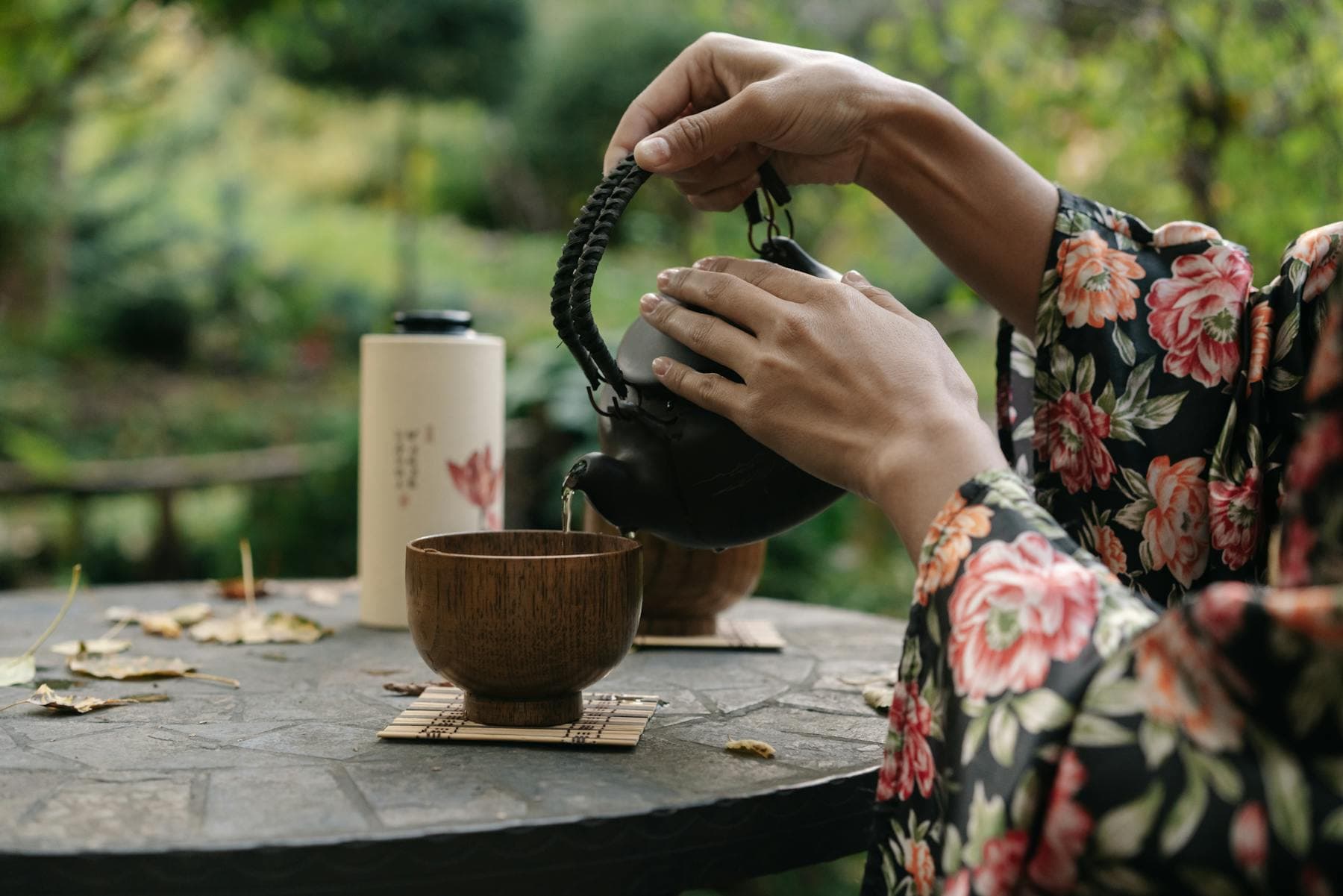
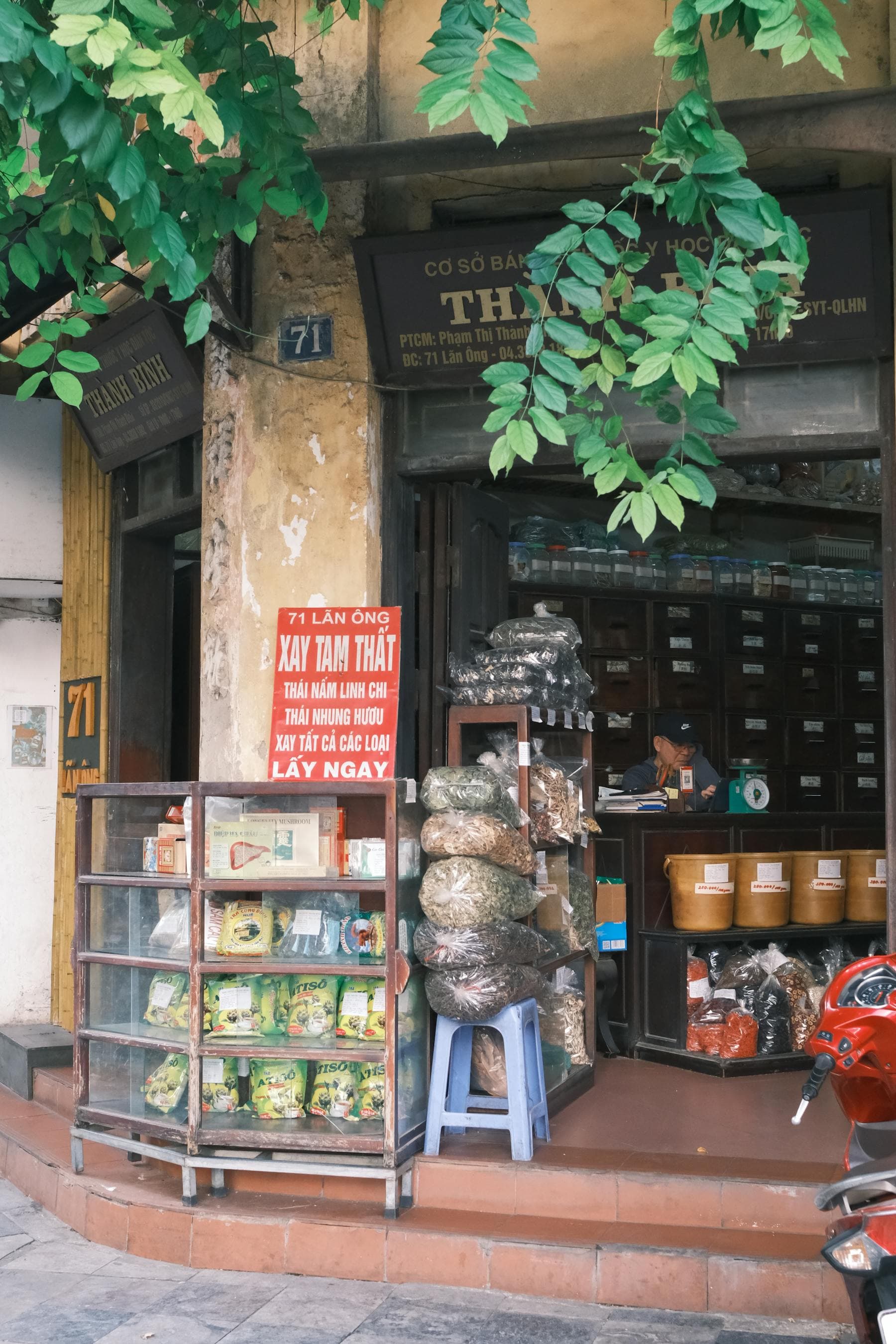
„Heißes Wasser, kein Eiswasser" ist eine der häufigsten Chinamaxxing-Regeln. In Vietnam ist heißes Wasser keine ästhetische Wahl, sondern Infrastruktur. In fast jedem Haus, Lokal, Büro steht eine Thermoskanne (phích nước) bereit, über grünen Tee (trà xanh) gegossen oder schlicht als nước nóng getrunken. Die traditionelle vietnamesische Medizin (thuốc nam) hält kaltes Wasser für die Verdauung schwächend. Heißes Wasser über die richtigen Kräuter ist die Basis der bemerkenswerten Hausapotheken-Kultur: Ingwer bei Erkältung, Lotusblatt für Schlaf, Gotu Kola (rau má) gegen Hitze, Pandan zur Verdauung. Eine Chinamaxxing-Gen-Z, die heißes Wasser trinkt, tut 2026, was vietnamesische Kinder seit immer tun.
Tai Chi gehört zu den meistfotografierten Ritualen — Parks voller Menschen in der Morgendämmerung. Vietnam hat eine kontinuierliche Parallele: dưỡng sinh, „Leben nähren". Es verbindet langsame Atmung, sanftes Dehnen und Bewegungssequenzen, die aus der Ferne wie Tai Chi aussehen, doch sowohl chinesische als auch vietnamesische Linien tragen. In jeder vietnamesischen Stadt finden Sie zwischen 5:30 und 6:30 Uhr Gruppen in Parks, am Fluss, am Strand. In Hội An am Thu-Bồn-Ufer hinter dem Markt jeden Morgen, fast ausschließlich von Älteren, die seit Jahrzehnten dabei sind. Der Trend ist auf TikTok. Die Praxis hat das Ufer nie verlassen.
Das verklärte Sanfte-Morgen-Ritual — bei Sonnenaufgang auf, warmes Getränk, sanftes Licht, keine Bildschirme, langsames Frühstück — ist die vietnamesische Norm, kein Anspruch. Ein typischer vietnamesischer Morgen beginnt mit der Phở-Verkäuferin, die um 5 Uhr den Herd anwirft, der dưỡng-sinh-Klasse um 6, dem Wassermarkt um 6:30, einer Familie, die vor 7:30 zusammen heiße Suppe frühstückt. Der „sanfte Morgen" ist hier schlicht der Morgen — Jahrhunderte vor TikTok.
Planen Sie Ihre Reise? Prüfen Sie die Verfügbarkeit in unserem ruhigen Hotel am Thu-Bồn-Fluss. Verfügbarkeit prüfen →
Eine der seltsamsten Regeln — 21:30 oder 22 Uhr Lichter aus — ist in vietnamesischen Dörfern und traditionellen Häusern schlicht das Tagesende. Vietnamesische Schlafkultur ist an Mondkalender und Agrarrhythmus gebunden: mit den Hähnen aufstehen, vor 19 Uhr essen, mit der Dämmerung herunterfahren, Räucherstäbchen am Ahnenaltar entzünden, vor 22 Uhr schlafen. Moderne Großstädte haben den westlichen Spätrhythmus teilweise übernommen, doch das traditionelle Muster lebt — vor allem in Zentralvietnam, im Mekong und in Kleinstädten. Die Regel landet in Vietnam natürlich, weil die Tagesinfrastruktur darauf ausgerichtet ist: Geschäfte schließen früher als in Shanghai oder Hà Nộis Innenstadt, Nachtlärm ist niedriger, melatoninfreundliche Gewohnheiten (kein Blaulicht, kein Koffein nach 14 Uhr, volles Abendessen vor 19) sind der Standard.
Das Ritual ist in Ost- und Südostasien universell und seit Jahrtausenden gepflegt. In Vietnam: dép đi trong nhà, wörtlich „Schuhe für drinnen". Jedes Haus hat ein Dutzend Paare an der Tür. Praktisch (Straßenstaub draußen) und kulturell (Respekt vor der Hausreinheit). Sie müssen das nicht „chinamaxxen"; Sie müssen nur in ein vietnamesisches Haus eingeladen werden.
Die Verklärung „traditioneller Hautpflege" verweist meist auf heiße Quellen, Kräuterbäder, Dampftherapie. Vietnam hat eine konkrete, lebendige Variante: tắm lá xông. Eine Familie oder ein Spa kocht ein Dutzend Kräuter — Zitronengras, Lotusblatt, Pomeloblatt, Kurkumawurzel, Ingwer, Pandan, Kaffirlimettenblatt — und der Badende sitzt unter einem Tuch, atmet den Dampf ein und spült sich anschließend mit dem Sud ab. Anwendung bei Erkältung, Muskelmüdigkeit, Erholung nach der Geburt, Entspannung. tắm lá xông ist die direkte, kontinuierliche vietnamesische Variante dessen, was die globale Wellness-Industrie unter englischen Namen neu erfindet.
Chinamaxxing wirkt neu, weil die Vorgängergeneration und die spätstadiale westliche Wellness-Industrie die Rituale als Produkte verkaufte, statt als freie Praktiken zu üben. Ein Jade-Gua-Sha-Tool. Ein 60-Dollar-„Detox"-Tee-Set. Eine 200-Dollar-Morgenlicht-Lampe. Der Trend reißt im Kern die Verpackung ab und kehrt zur Praxis zurück. Heißes Wasser ist gratis. Ein stiller Morgen ist gratis. Ein Schabestein ist gratis. Es sieht aus wie „chinesische Ästhetik volldrehen", ist aber Wiederentdeckung der kostenfreien, kontinuierlich praktizierten, familiengelehrten Variante in Ost- und Südostasien.
Vietnam ist einer der wenigen Orte, an denen die Praxis nie vollständig kommerzialisierte. Eine Hội-An-Großmutter kennt cạo gió, weil ihre Mutter es ihr zeigte. Sie trinkt heißes Wasser, weil sie das immer tat. Sie ist um 5:30 wach, weil dưỡng sinh um 6 ist. Die Praxis ging nie verloren. Sie wurde einfach geübt.
Wenn die Ästhetik bei Ihnen nachhallt, ist die ehrlichste Bewegung, an einem Ort Zeit zu verbringen, an dem die Praxis ungebrochen läuft. Zentralvietnam ist ein guter Kandidat. Ein Aufenthalt am Fluss in Hội An schenkt Ihnen Morgendämmerung-dưỡng-sinh, nước nóng auf Verlangen, Tắm-lá-xông-Bäder, frühe Esskultur, Stille ab 21:30 und ein ganzes Vokabular für das, worauf der TikTok-Trend zeigt. Im Nghê Prana sind diese Rituale Tagesstandard, weil sie wirken — nicht weil sie trenden. Wenn Sie kommen, wartet der sanfte Morgen.
Die Rituale sind älter als das Wort. Das Wort wird vergehen. Die Rituale bleiben.
23 Zimmer am ruhigen Südufer des Thu Bồn — zehn Fahrradminuten von der Altstadt entfernt und doch eine Welt jenseits ihres Lärms.
Jetzt buchenContinue at Nghê Prana
Ready to Sleep Better?
Every room at Nghê Prana is designed around the science of sleep. Blackout curtains, nightly aromatherapy turndown, and riverside quiet — experience what real rest feels like.
View Our RoomsIhr Aufenthalt beginnt hier
Zimmer am Fluss, zehn Fahrradminuten von der Altstadt. Ob eine Nacht zwischen Hué und Da Nang oder eine ganze Woche ohne Plan — Ihr Zimmer bleibt ruhig.
Kostenlose Stornierung · Direkt bei der Familie, die das Haus gebaut hat
Sparen Sie 15 % bei Direktbuchung über unsere Website
 WhatsApp
 Zalo
Zalo