beauty
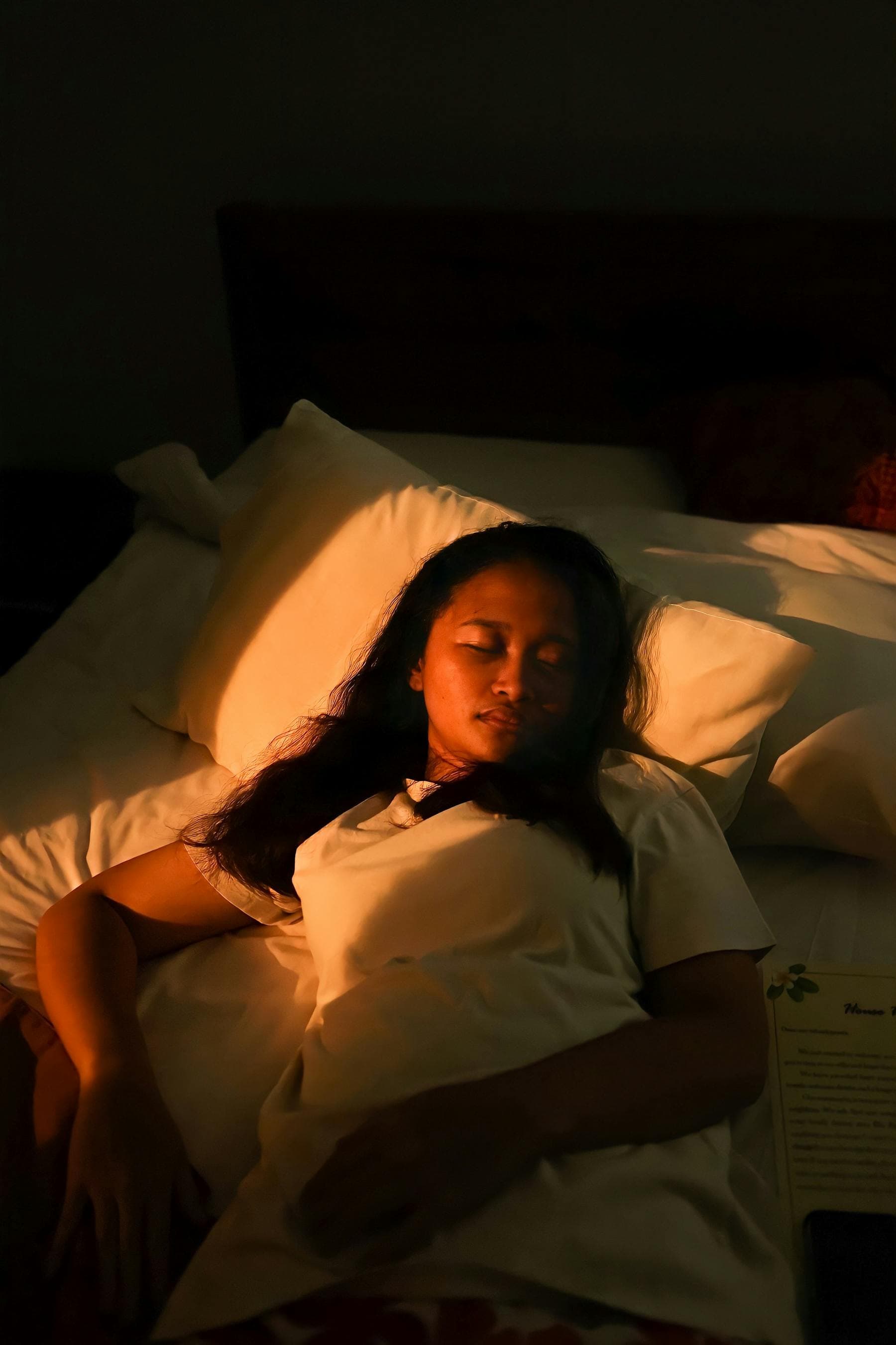
Wie Schlaf nachts Ihre Haut repariert
Die wirksamste Schönheitsbehandlung Ihres Körpers läuft zwischen Mitternacht und 3 Uhr. Hier die Wissenschaft hinter Schlaf und Hautregeneration.
Jan 15, 20257 minRead Article
Gen Z hat den größten Trinkrückgang seit Generationen ausgelöst — 62 % der 18- bis 34-Jährigen trinken, 20 Jahre zuvor 72 %. 52 % von Gen Z und Millennials wollen 2025 „sober-curious" reisen. Die Branche reagiert mit Mocktail-Karten. Vietnamesische Gastfreundschaft ist seit drei Jahrhunderten um Tee gebaut.
Der Wandel ist real, die Daten klar. Laut breit zitierter Forschung sank der Anteil der Erwachsenen 18–34 mit Alkoholkonsum in den USA in zwei Jahrzehnten von 72 auf 62 %. Die „regelmäßigen Trinker" in dieser Gruppe von 49 auf 38 %. In einer Reisestudie 2026 sagten 52 % von Gen Z und Millennials, sie würden voraussichtlich „sober-curious" reisen; 68 % der 18- bis 22-Jährigen wollten alkoholfreie Spring Breaks. Contiki brachte sechs Sober-Curious-Gruppentouren ins Frühjahr; die frühen Buchungen schlugen Standardprogramme. Wynn Las Vegas, Venetian, EF Ultimate Break und Baboo lancieren alkoholfreie Programme. Travel Weekly nannte es „den wachsenden Durst nach nüchterner Reise". Die Branche zieht nach.
Was die Berichte meist übersehen: „sober-curious" reisen verlangt keinen Las-Vegas-Mocktail-Test oder eine eigens nüchterne Kreuzfahrt aus Miami. Große Teile Asiens — und namentlich Vietnam — sind seit jeher tee-trinkende, tee-empfangende, tee-soziale Kulturen. Alkohol gibt es, doch die soziale und gastliche Infrastruktur war nie um ihn herum gebaut wie im Westen. Eine sober-curious-Reise nach Hội An ist kein Spezialprogramm; sie ist die Standardform vietnamesischer Gastfreundschaft. Hier, warum.
Der Begriff (Ruby Warrington, 2018) beschreibt einen reflektiven, keinen abstinenten Zugang zu Alkohol — prüfen, warum man trinkt, wann, wie es wirkt, ob die Gründe bestehen. Es ist kein „AA-Sober". Es ist weniger trinken, bewusst, mit Aufmerksamkeit für die Erlebnisse, die der Alkohol vorher trug.
Reist diese Haltung mit, sind die Anforderungen konkret: Mahlzeiten müssen ohne Wein bestehen, Abende ohne Cocktailprogramm tragen, Geselligkeit ohne zweite Runde funktionieren. Die Hotelantwort war meist die Mocktail-Karte — eine alkoholfreie Variante der Drinkliste. Damit sind 15 % gelöst. Die anderen 85 % sind kulturell.
Travel And Tour World 2026: „Häuser mit authentisch verwurzelten alkoholfreien Traditionen schnitten in der Gästezufriedenheit dreimal so gut ab wie Häuser mit Mocktail-Karten" — der Trend belohnt Tiefe statt Substitution.
Was Sober-Curious-Reisende in Vietnam organisch finden: eine Kultur, in der die sozialen, zeremoniellen und restaurativen Funktionen, die Alkohol westlicher Gastlichkeit zuweist, auf fünf Kategorien alkoholfreier Getränke verteilt sind. Jede mit eigenem sozialen Register. Keine ist Trostpreis.
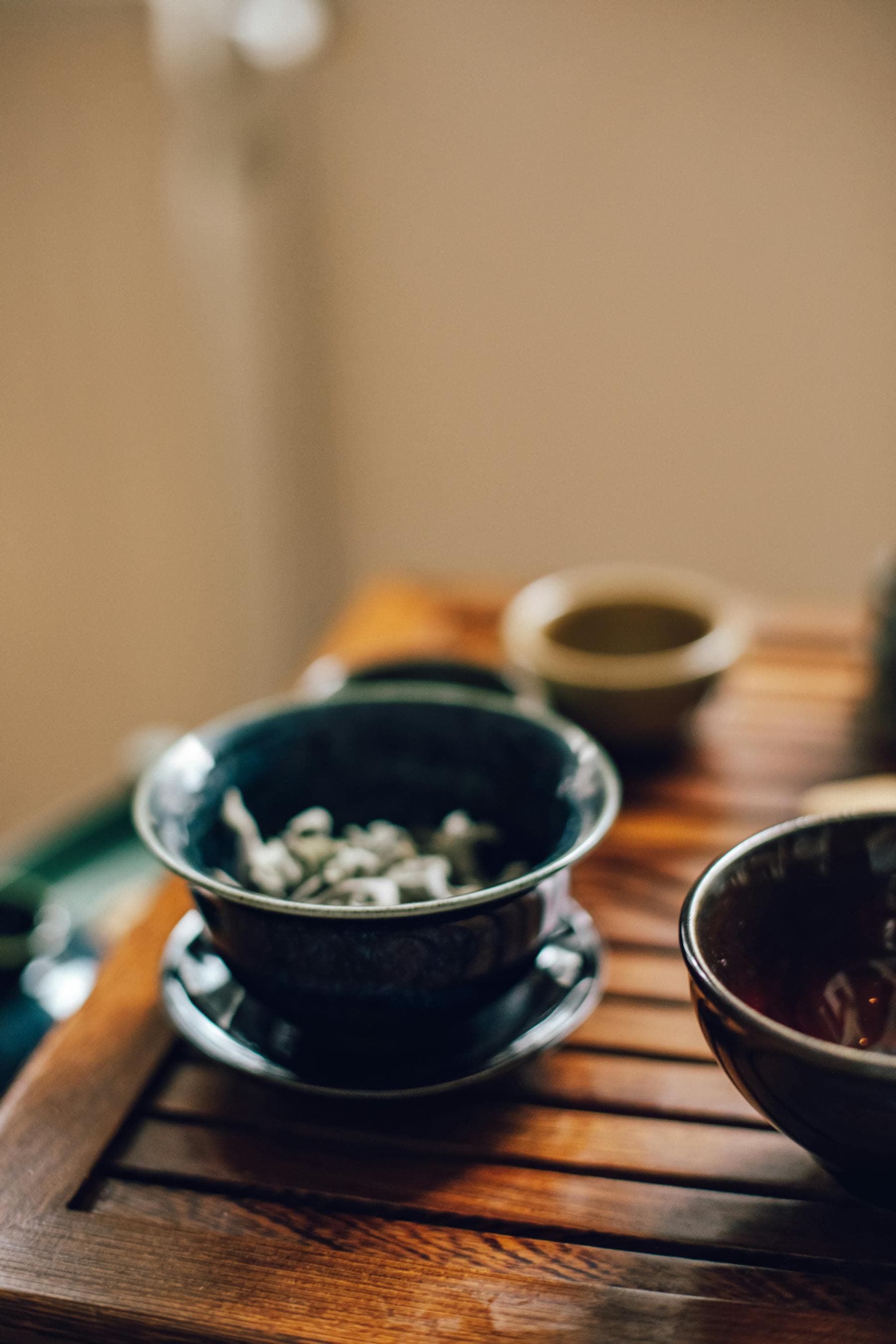
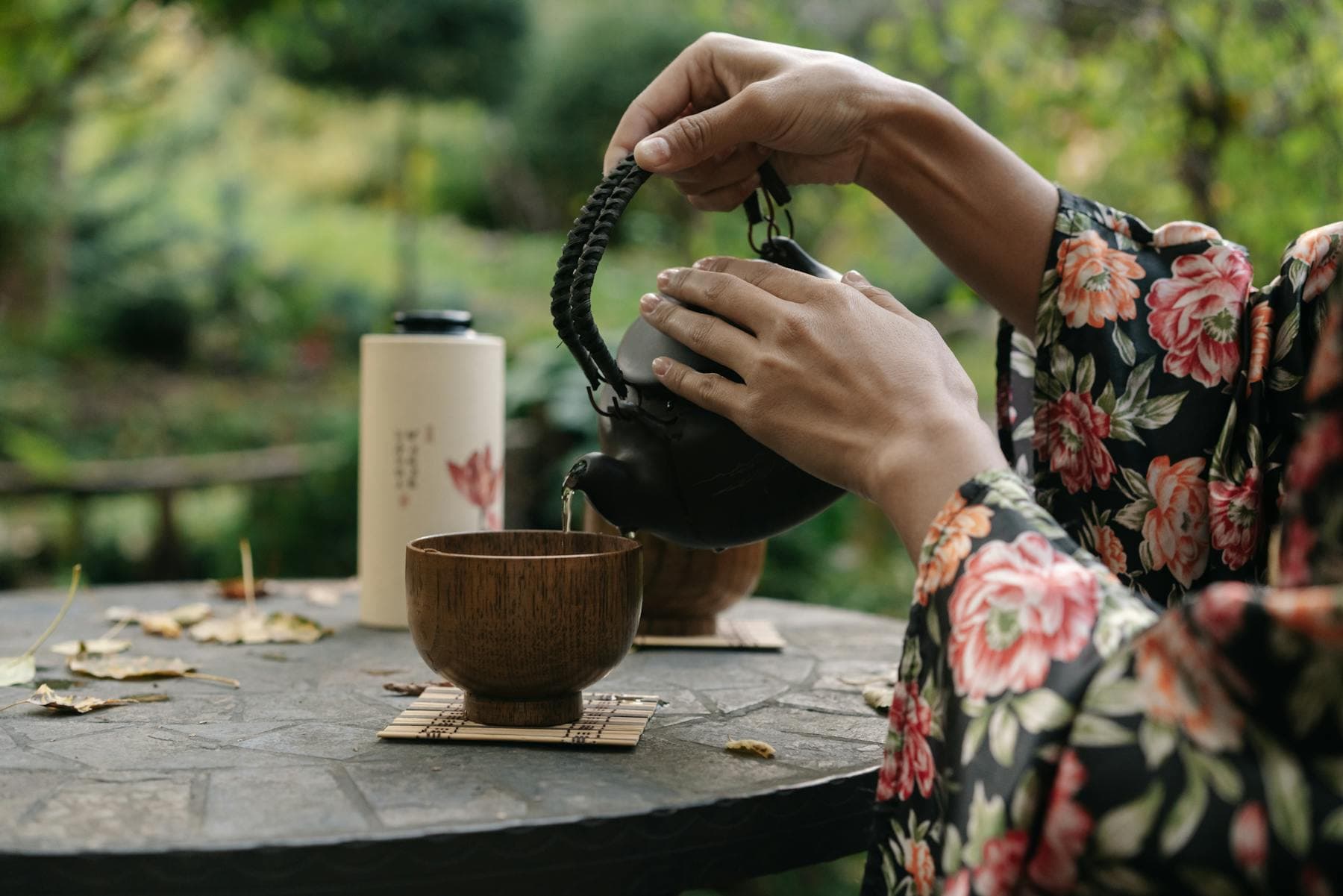
Erstens: trà — vietnamesischer grüner und Kräutertee. Die Basisschicht. Jede vietnamesische Mahlzeit, jeder Hausbesuch, jede Sitzgesprächsrunde beginnt mit heißem Tee. Lotusblüten-Grüntee (trà sen) im edlen Rahmen, schlichter Grüntee (trà xanh) im Alltag, Artischocke (trà atisô) zur Verdauung, Zitronengras-Ingwer bei Erkältung. Tee ist kein Getränk, er ist das soziale Medium. Das vietnamesische „Komm rein" — mời uống nước — heißt wörtlich „bitte, trinken Sie Wasser" und meint Tee.
Zweitens: cà phê sữa đá — vietnamesischer Eiskaffee mit gesüßter Kondensmilch. Das stimulierende Getränk, an dem das vietnamesische Gesellschaftsleben hängt — wie ein Cocktail als Kontextwechsel-Ritual. Der virale TikTok-Trend westlicher Touristen mit cà phê sữa đá fängt das ein — der Drink ist mit 150 bis 250 mg Koffein stark genug, um einen Nachmittag umzubauen, wie ein Glas Wein einen Abend.
Drittens: sinh tố und nước ép — Fruchtsmoothies und Frischsäfte. Stachelannone, Passionsfrucht, Drachenfrucht, Avocado, Jackfrucht. Jedes Cẩm-Nam-Café in Hội An macht das frisch. Sie besetzen die „Nachmittags-Erfrischung", die im Westen oft ein Rosé ist.
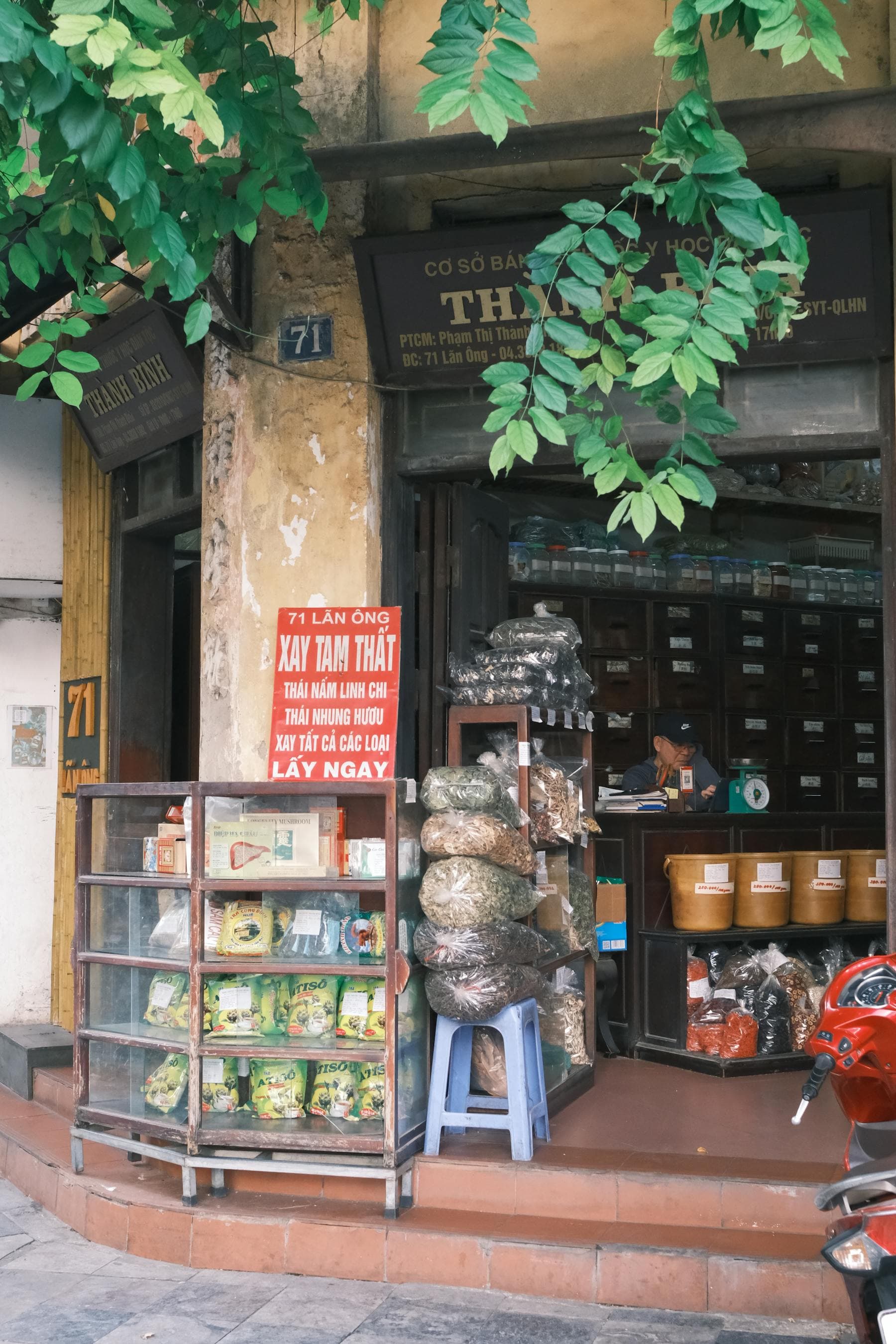
Viertens: nước thảo mộc — Kräuterwässer und Kühlinfusionen. Gotu-Kola-Saft (nước rau má), Zuckerrohrsaft mit Kumquat (nước mía tắc), Pennywort mit Kokoswasser. Medizinnah, informell verordnet gegen Hitze und Müdigkeit, von Arbeitern getrunken — eigen für das Klima, ohne westliches Pendant.
Fünftens: trà trái cây und Zeremonialtees — Fruchttees, Lotusstaubblatt-Tee und die volle vietnamesische Teezeremonie in einigen Hội-An-Teehäusern. Das „Tiefen-Register", das in Europa ein guter Naturwein einnehmen kann — ein Getränk, dem man sich widmet.
Wer in Hội An lokal isst oder bei einem vietnamesisch geführten Haus wohnt, bekommt drei oder vier davon im Tagesverlauf, ohne zu fragen. Nicht als „Alternativen", sondern als die Getränke.
Über die Drinks hinaus hat Hội An eine Tradition, die Sober-Curious-Reisende oft entdecken und sofort um sie weitere Reisen planen: das stille Abendessen. Jahrhundertelang in vietnamesischen buddhistischen Klöstern geübt, von einigen Hội-An-Häusern (auch unserem) übernommen — ein voll plattiertes vegetarisches Menü, in absichtlicher Stille gegessen. Die Stille ist keine zeremonielle Strenge; sie nimmt das Geplauder weg, um das Alkoholdinner oft gebaut ist. Die Mahlzeit verlangsamt sich auf ihre eigentliche Essgeschwindigkeit. Aromen werden wieder hörbar. Der Abend wird ruhevoll statt zehrend.
Planen Sie Ihre Reise? Prüfen Sie die Verfügbarkeit in unserem ruhigen Hotel am Thu-Bồn-Fluss. Verfügbarkeit prüfen →
Die Studien 2026 zeigen: Reisende suchen nicht den Ersatz für einen Barabend, sondern eine andere Art von Abend. Das stille Abendessen ist genau das — lokal lange vor dem Trend.
Eine Vorlage, die für Erstreisende gut funktioniert.
Tag 1 — Anreiseabend: Begrüßungs-Tee (trà sen) zum Check-in, frühes vietnamesisches vegetarisches Abendessen im Hotel, Uferspaziergang, um 22 Uhr ins Bett. Keine Bar. Keine Mocktail-Karte. Tee und Essen.
Tag 2 — morgens cà phê sữa đá (richtig stark, mit jemandem teilen), stille Altstadt am Vormittag, langer Lesenachmittag mit Eis-sinh-tố. Abends: ein traditionelles Teehaus — Reaching Out Tea House für das stille Register oder eines der kleinen Cẩm-Nam-Häuser für Lotus-Tee. Abendessen im Hotel mit der Silent-Dinner-Option, falls verfügbar.
Tag 3 — Trà-Quế-Kräuterfarm vormittags. Kochkurs mit Frühlingsrollen und Zitronengras-Tee statt Wein. Nachmittag: Kräuterdampfbad (tắm lá xông). Abend: zweites stilles Abendessen oder Konversationsdinner mit Tee-Begleitung statt Wein.
Tag 4 — Frucht-Saft-Tag: nước mía tắc nach dem Morgenbad, frisches Kokoswasser am Stand, sinh-tố-Verkostung am Cẩm-Nam-Café mit Flussblick. Letzter Abend: Apéritif aus frisch gepressten Säften auf der Hotelterrasse, dann frühes ruhiges Abendessen. Ins Bett um 22. Bis hier schläft der Reisende 45 bis 60 Minuten länger als in einem trinkstarken Vergleichshaus.
Zur Klarstellung: Wir sind kein trockenes Hotel. Wir sind nicht gegen Alkohol. Es gibt eine Weinkarte, Bier und Cocktails. Vietnam ist nicht alkoholfeindlich — Reiswein (rượu nếp), lokales Craft-Beer und südostasiatisch geprägte Cocktails sind in Hội An verbreitet. Wir sagen: Die Infrastruktur eines schönen Abends in Vietnam war nie um Alkohol gebaut, also kämpft der Sober-Curious-Reisende nicht gegen die Umgebung. Die Alternative ist kein Trost; sie ist das Original.
Für die 52 % von Gen Z und Millennials, die dieses Jahr Sober-Curious-Reisen erwägen, ist dieser strukturelle Vorteil planungswert. Sie brauchen kein Haus mit Mocktail-Programm. Sie brauchen einen Ort, an dem Tee das soziale Getränk und das Abendessen still ist. Das beschreibt einen Großteil von Hội An. Und unser Flussufer ganz besonders.
23 Zimmer am ruhigen Südufer des Thu Bồn — zehn Fahrradminuten von der Altstadt entfernt und doch eine Welt jenseits ihres Lärms.
Jetzt buchenContinue at Nghê Prana
Ready to Sleep Better?
Every room at Nghê Prana is designed around the science of sleep. Blackout curtains, nightly aromatherapy turndown, and riverside quiet — experience what real rest feels like.
View Our RoomsIhr Aufenthalt beginnt hier
Zimmer am Fluss, zehn Fahrradminuten von der Altstadt. Ob eine Nacht zwischen Hué und Da Nang oder eine ganze Woche ohne Plan — Ihr Zimmer bleibt ruhig.
Kostenlose Stornierung · Direkt bei der Familie, die das Haus gebaut hat
Sparen Sie 15 % bei Direktbuchung über unsere Website
 WhatsApp
 Zalo
Zalo