Le voyage JOMO est l'expérience bien-être la plus réservée de 2026. Voici ce qui le fait vraiment fonctionner.
JOMO — Joy of Missing Out — est devenu le cadre dominant du voyage bien-être 2026. La plupart des retraites se trompent de protocole. Voici ce qui produit vraiment le gain de 45 minutes de sommeil et pourquoi Hội An s'y prête.
L'industrie du voyage a trouvé un nom à ce que la Gen Z pratique depuis fin 2024 : JOMO, Joy of Missing Out. National Traveller a qualifié les retraites digital detox d'« une des expériences bien-être les plus réservées du printemps 2026 ». Le Trends Report 2025 de Hilton indique que 27 % des adultes cherchent activement à réduire l'usage des réseaux sociaux en voyage, le pourcentage croissant chez les plus jeunes. Une étude bien-être 2026 largement citée a trouvé que les personnes qui évitent constamment les médias numériques en soirée dorment en moyenne 45 minutes de plus par nuit, avec une qualité de sommeil mesurablement meilleure. La réponse voyage a été énergique — et largement confuse. Les retraites digital detox les plus marketées sont chères, lourdement programmées, en formules d'une semaine avec coffre-fort à téléphones et planning d'ateliers de marche silencieuse. Ce que la littérature soutient comme intervention productrice de bénéfice est plus petit, plus simple, et plus discret que ce que l'industrie a fabriqué.
Ce que JOMO optimise vraiment
Au plan opérationnel, JOMO est la réduction délibérée de trois choses : la comparaison sociale extérieure, la fragmentation de l'attention par les notifications, et l'exposition à la lumière bleue tard le soir. Le bénéfice est l'inverse : conscience du présent, attention non interrompue plus longue, sommeil plus profond. Ces trois résultats — et non le rituel précis de remettre son téléphone à la réception — sont ce que reflète l'amélioration de 45 minutes de sommeil.
Une étude de 2021 dans Sleep Medicine a suivi 1 000 adultes sur 4 semaines et a trouvé que ceux qui cessaient les réseaux sociaux après 21 h (mais gardaient leur téléphone par ailleurs) tiraient les mêmes bénéfices sur sommeil et cortisol que ceux qui le confiaient à un coffre. Le principe actif était la déconnexion en soirée, pas la déconnexion 24 heures. Les voyageurs qui verrouillent agressivement leur téléphone une semaine entière finissent souvent plus anxieux qu'avant : la rupture brutale provoque un pic mesurable d'anxiété de séparation dans les 48 premières heures.
La revue bien-être 2026 du Premium Medical Circle conclut : « JOMO bien pratiqué n'est pas l'abstinence mais la sélection. Les bénéfices mesurables — 45 minutes de sommeil en plus, baisse de 32 % du cortisol vespéral, hausse de 18 % de l'attention soutenue le lendemain — découlent d'une déconnexion vespérale constante associée à une exposition lumineuse matinale constante, pas d'une remise forcée du téléphone pendant 24 heures. »
Ce qu'un vrai protocole de voyage JOMO ressemble
D'après la littérature, le protocole qui produit vraiment les bénéfices est étonnamment simple et ne demande aucune infrastructure de retraite spéciale.
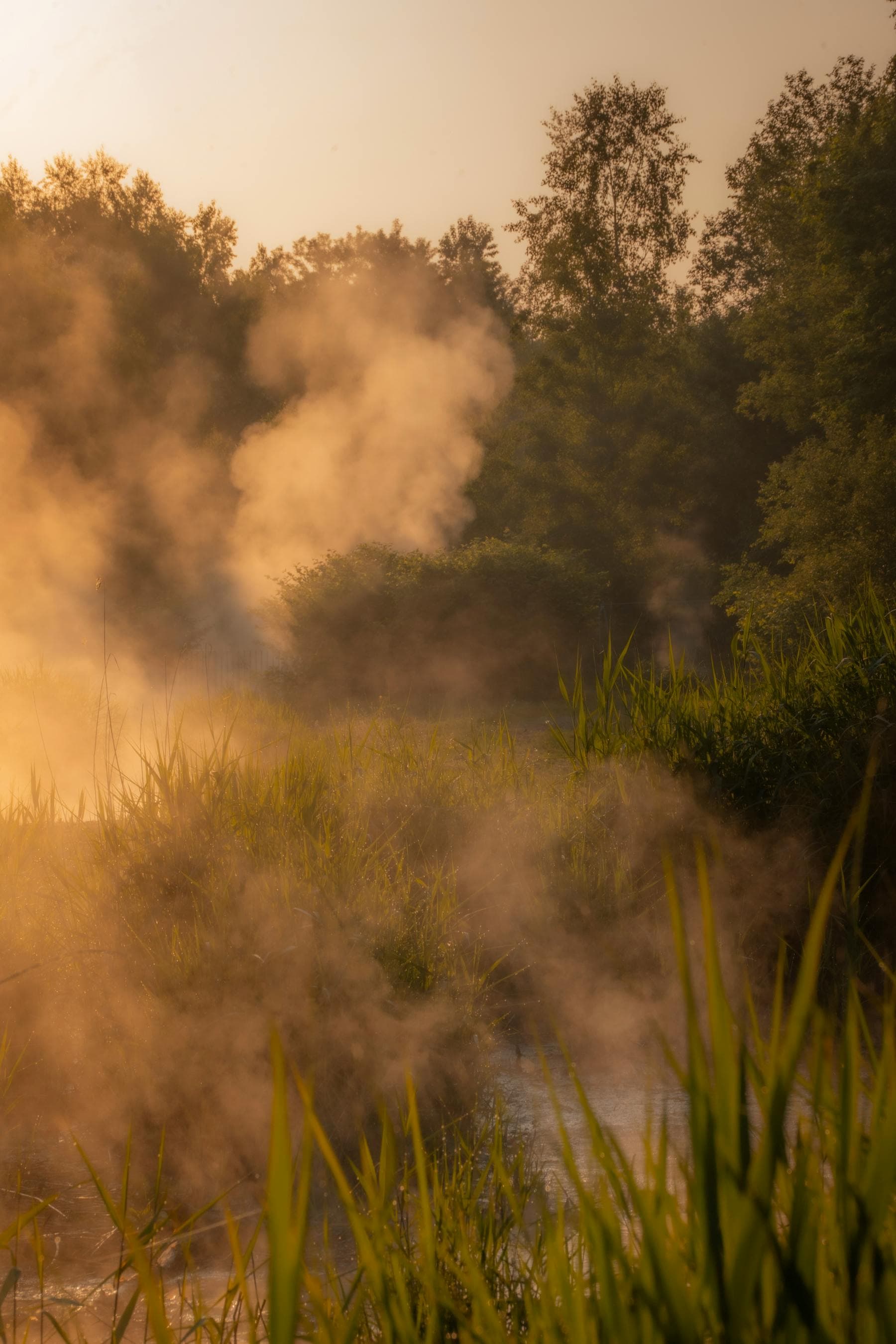
Premièrement : la lumière du matin avant le téléphone du matin. Dans les 20 minutes du réveil, sortez à la lumière naturelle (idéalement intensité tropicale, 10 000+ lux) avant tout écran. Cela cale la courbe du cortisol pour la journée. Une marche au lever du soleil sur la berge bat un défilement au lever du soleil de 2 à 3 ordres de grandeur sur l'effet circadien mesuré.
Deuxièmement : téléphone dans un tiroir à partir de 21 h. La plus puissante intervention. Pas dans la chambre à proximité, pas sur la table de chevet, pas en « ne pas déranger » — dans un tiroir ou un sac à l'autre bout de la pièce. C'est le protocole d'amélioration de sommeil de 45 minutes. Pas besoin de retraite ; juste l'habitude.
Troisièmement : une fenêtre diurne défensive sans entrée. Au moins 2 heures entre 13 h et 17 h sans aucune consommation d'information — livre papier, sieste, marche, regard sur l'eau. La baisse du cortisol d'après-midi citée par la littérature JOMO, c'est essentiellement cela.
Quatrièmement : la publication sociale décalée d'au moins 24 heures. Vous photographiez, vous publiez le lendemain. C'est la manière la plus propre de casser la boucle notification-feedback qui mine tout le reste. Le « ping minimalism » dont nous parlions dans un article précédent en est, formalisé, exactement la règle.
Vous organisez votre séjour ? Vérifiez les disponibilités de notre paisible hôtel au bord de la Thu Bồn. Voir les disponibilités →
Voilà le protocole. Tout ce que l'industrie vend sous l'étiquette JOMO — retraites à téléphones verrouillés, plannings de bain de forêt, blocs de marche silencieuse rigides — n'est qu'un emballage autour de ces quatre points.
Pourquoi Hội An est structurellement compatible JOMO
Quelques propriétés précises font qu'un séjour au bord du fleuve à Hội An livre les conditions JOMO presque sans qu'on ait à les nommer. La culture du « 21 h, on rentre » de la vieille ville fait que les restaurants se vident naturellement à 21 h 30 — vous ne luttez pas contre l'environnement pour le calme. Les rives de Cẩm Nam et Cẩm Thanh ont un signal 5G mesurablement plus faible que la vieille ville, donc votre téléphone est dégradé sans aucune action de votre part. La lumière tropicale matinale à 15 000 – 30 000 lux dans les 20 minutes du lever est disponible partout le long du Thu Bồn. Les après-midi sont structurellement vides — la chaleur dense entre 11 h et 15 h est la raison pour laquelle la plupart des établissements observent des heures de calme entre 14 h et 16 h, et la majorité des voyageurs y dorment ou y lisent sans qu'on ait besoin de leur dire.
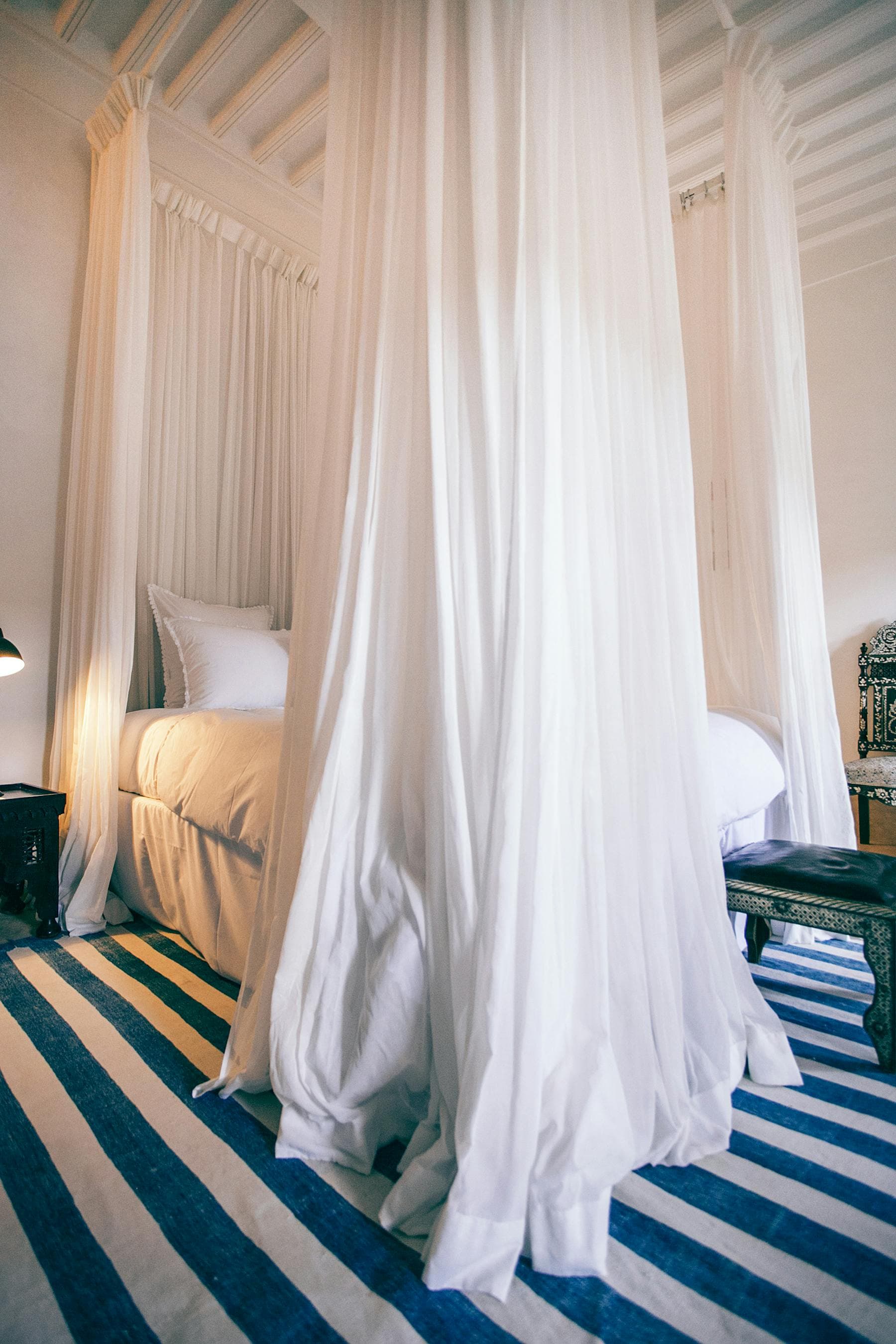
Nghê Prana ne propose pas de forfait « digital detox ». Jamais. Ce que nous opérons, c'est un lieu où les conditions environnementales qui font fonctionner JOMO sont la valeur par défaut. Pas de musique au lobby. Pas de TV dans les espaces communs. Le restaurant ferme avant 21 h. Le turndown se termine avant 20 h, donc pas de pas dans le couloir durant le premier cycle de sommeil. À la deuxième nuit, la plupart des hôtes rapportent avoir naturellement posé leur téléphone, non parce que nous le leur avons demandé, mais parce que l'environnement cesse de les récompenser quand ils le ramassent.
Voilà la version du voyage JOMO que la littérature soutient : non une cérémonie coûteuse d'une semaine de remise de téléphone, mais un environnement correctement calme dans lequel le protocole en quatre points devient facile par défaut.
La version plus petite, moins chère
Note finale en toute honnêteté : pas besoin de prendre l'avion vers le Centre-Vietnam pour gagner 45 minutes de sommeil. Vous pouvez appliquer le « téléphone dans le tiroir le soir » dès ce soir, depuis votre chambre. La raison pour laquelle le voyage compte malgré tout : la réduction de friction. La maison combat activement JOMO — partenaire qui vous interpelle, notifications du logiciel pro, bruit de fond de la rue, chambre vive à 7 h à travers un rideau fin. Le voyage retire tout cela d'un coup, ce qui laisse l'habitude se former. Cinq jours de JOMO sans friction dans un établissement correctement calme installent souvent l'habitude à domicile qu'une année de volonté seule n'aurait pas obtenue. C'est le voyage réel que vous achetez en réservant un séjour propice à JOMO.
La tendance 2026 est une demande réelle face à une vraie surexposition. La réponse industrielle est mitigée. Le protocole est simple. L'environnement compte plus que le nom du package.
Every room at Nghê Prana is designed around the science of sleep. Blackout curtains, nightly aromatherapy turndown, and riverside quiet — experience what real rest feels like.
Chambres au bord du fleuve, à dix minutes à vélo de la vieille ville. Une nuit entre Hué et Da Nang ou une semaine sans emploi du temps — votre chambre restera silencieuse.
Annulation gratuite · Réservation directe auprès de la famille propriétaire

 WhatsApp
 Zalo
Zalo