
travel
호이안 랜턴 나이트 로맨틱: 커플을 위한 보름달 축제 가이드 (Đêm Rằm Phố Cổ)
호이안의 랜턴 나이트를 둘만의 온전한 로맨틱 하루로 바꾸는 법 — 강가에서 느긋하게 보내는 아침, 오후의 커플 스파, Thu Bồn 강 위로 지는 노을, 함께 촛불 등불 하나를 강물에 띄우기, 그리고 조용한 팜 투 테이블 저녁 식사. 검증된 2026년과 2027년 축제 날짜와 함께.
Jul 1, 20269 minRead Article
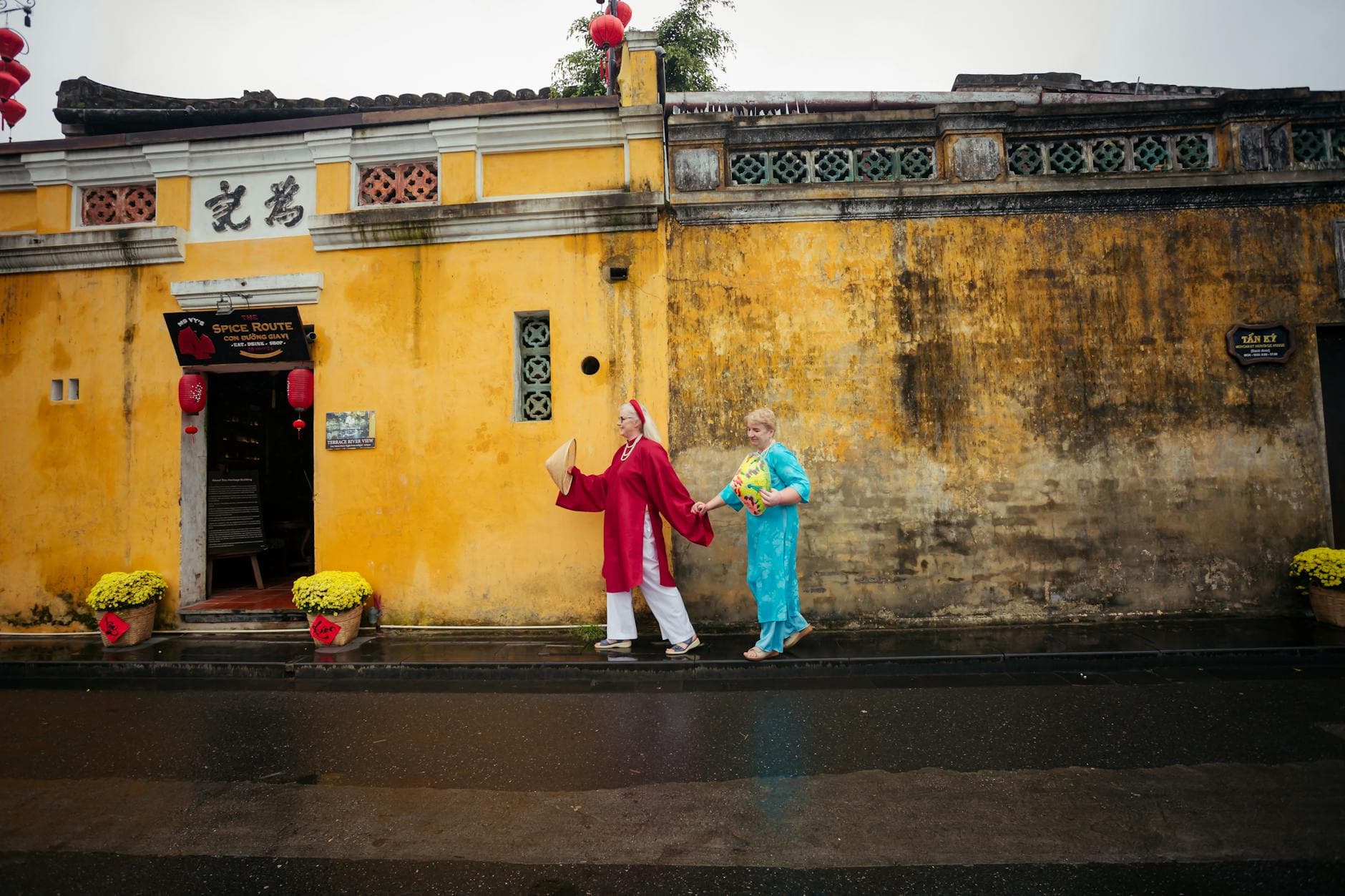
데이터에 기반한 호이안 여행 최적 시기 월별 가이드 — 열두 달 전체의 날씨, 축제, 혼잡도와 요금, 그리고 2026년 모든 랜턴 축제 밤과 이 지역 최대 행사까지.
호이안 여행 최적 시기를 찾고 있다면, 솔직한 답은 이렇습니다 — 이 도시에는 진짜로 딱 좋은 시기가 있고, 그것은 수치로 잴 수 있습니다. 베트남 중부는 밝고 건조한 절반과 습하고 폭풍이 잦은 절반으로 뚜렷이 나뉘며, 해변 시즌과 랜턴 축제, 그리고 이 지역 최대 행사들은 저마다 고유한 시기를 지킵니다. 이 가이드는 우리가 투숙객에게 직접 공개하는 실시간 데이터로 Hội An을 월별로 뜯어봅니다 — 검증된 일몰·낮 길이 수치, 달 위상과 랜턴 날짜, 그리고 보름 축제 전체 달력입니다. 우리는 Cẩm Nam의 Thu Bồn 강 조용한 남쪽 강가, 구시가지에서 자전거로 약 10분 거리에 강변 호텔을 운영합니다. 그래서 이곳의 계절은 우리에게 추상적이지 않습니다 — 해마다 테라스에서 강물이 차오르고 빠지는 것을 지켜보니까요.
아래 표를 한눈에 보는 계획표로 삼고, 자세한 내용은 그 아래 계절별 설명을 읽어 보세요. 날씨 구간은 베트남 중부의 두 계절 패턴을 따르며, 축제 날짜는 검증된 2026년 랜턴 축제 밤과 행사 달력입니다.
| 달 | 날씨 | 무엇이 열리나 / 축제 | 혼잡도 & 요금 | 총평 |
|---|---|---|---|---|
| 1월 | 선선하고 온화하며 대체로 건조 (~20~25°C) | 랜턴 축제 밤 1월 2일; Tết이 월말에 올 수 있음 | 보통; Tết에 요금 급등 | 좋음 — Tết만 빼면 선선하고 잔잔 |
| 2월 | 따뜻해지고 건조하며 밝고 햇살이 늘어남 (~25~30°C) | 랜턴 축제 밤 2월 1일; Tết이 흔히 이때 | Tết 무렵 높고, 이후 완화 | 최상 — Tết 주간 자체는 피하세요 |
| 3월 | 건조하고 밝고 따뜻함 (~25~30°C) | 랜턴 축제 밤 3월 2일 — Nguyên Tiêu, 한 해 최대 | 보통 | 연중 최고의 달 |
| 4월 | 건조하고 따뜻하며 햇살 많음 (~27~30°C) | 랜턴 축제 밤 4월 1일·30일; 4/30~5/1 연휴 | 월말로 갈수록 상승 | 최상 |
| 5월 | 덥고 건조하며 낮이 김 | 랜턴 축제 밤 5월 30일; DIFF 불꽃놀이 5월 30일 개막 | 보통 | 훌륭하나 더움 |
| 6월 | 가장 덥고 하루 일조가 가장 긺 | 랜턴 축제 밤 6월 28일; DIFF 토요일 밤 6·13·20·27일 | 높음(여름 성수기) | 덥고 활기참 |
| 7월 | 가장 덥고 낮이 김 | 랜턴 축제 밤 7월 27일; DIFF 결승 7월 11일 | 절정(여름 방학) | 덥고 축제 분위기 |
| 8월 | 덥고 습하며 첫 소나기 | 랜턴 축제 밤 8월 26일 | 높음, 월말에 완화 | 따뜻하고 비수기 시작 |
| 9월 | 따뜻하고 비 위험 상승 | 랜턴 축제 밤 9월 24일 — 추석 전야 | 하락; 가성비 좋아짐 | 가성비 좋음, 하늘 살피기 |
| 10월 | 비, 폭풍 시즌, 홍수 위험 최고 (~24~30°C) | 랜턴 축제 밤 10월 23일 | 낮음; 낮은 요금 | 축축하지만 분위기 있고 저렴 |
| 11월 | 가장 비가 많고 홍수 위험이 절정인 구간 (~23~28°C) | 랜턴 축제 밤 11월 22일 | 연중 최저 | 요금 최저, 비 최다 |
| 12월 | 서늘해지고 건조해지며 온화 (~21~26°C) | 랜턴 축제 밤 12월 22일; 크리스마스/새해에 반등 | 연휴로 상승 | 쾌적하고 나아지는 중 |
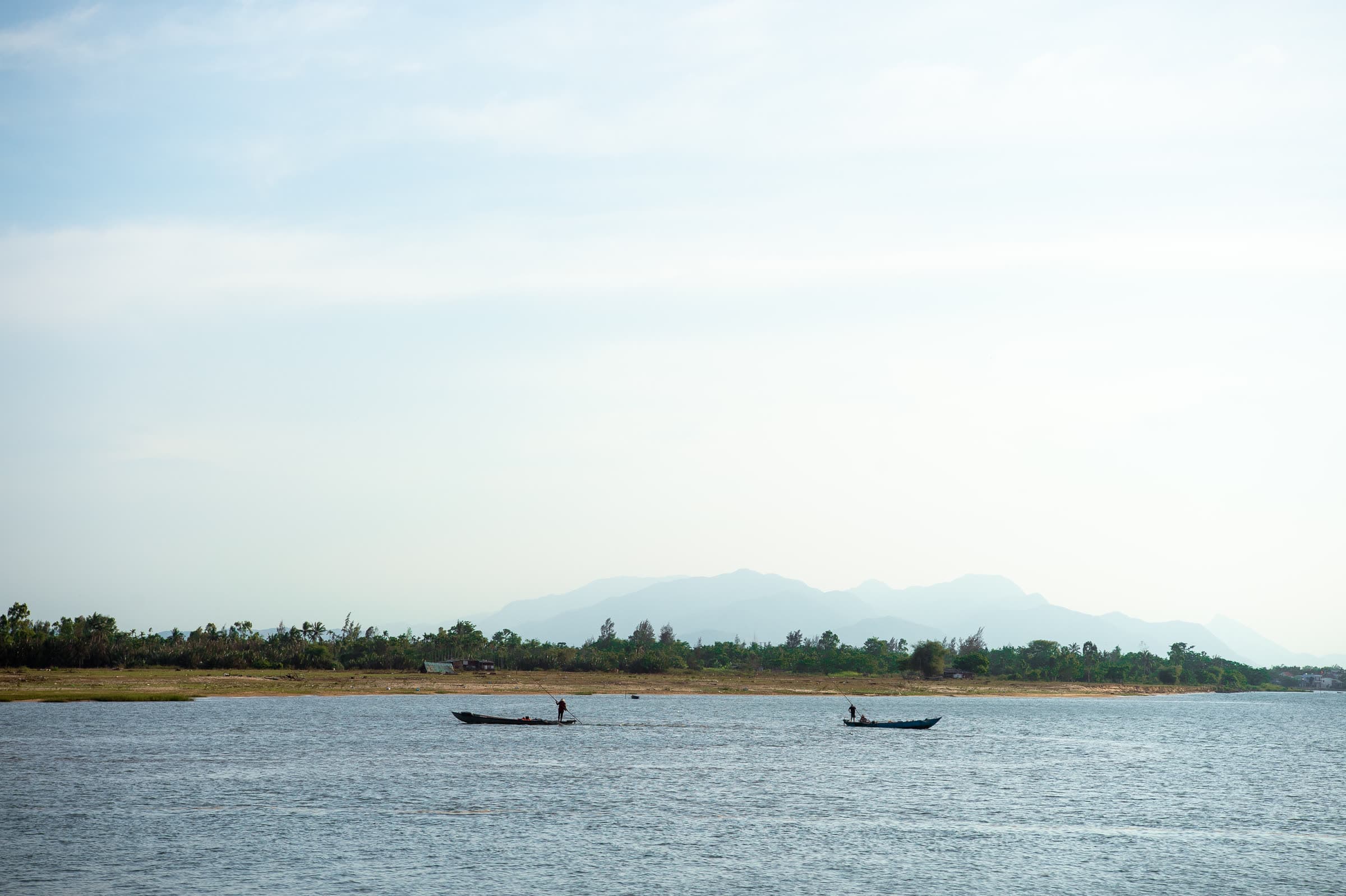
이때가 Hội An이 가장 미덥습니다. 2월이면 겨울의 마지막 습기가 걷히고 하늘이 맑아지며, 낮 기온은 여름 전 가장 강한 햇살과 함께 쾌적한 25~30°C에 자리 잡습니다. 습도는 견딜 만하고 Thu Bồn 강은 낮고 잔잔하며, 구시가지의 재단사, 카페, 강가 골목은 걸어 다니기에 가장 좋습니다. 3월은 그중의 절정입니다 — 따뜻하지만 아직 혹독하지 않고, Nguyên Tiêu — 음력 새해 첫 보름이자 달력상 가장 큰 랜턴 축제 밤 — 이 열리는 때입니다. 모든 것을 두루 잘 해내는 한 시기를 원한다면 이 석 달을 고르세요.
여름은 한 해의 해변 절반입니다. 낮이 길고 — 이 시기가 Hội An에서 하루 일조가 가장 많습니다 — 6월과 7월이 가장 더운 달로, 오후에는 흔히 30도 중반까지 오릅니다. 맞바꿈은 솔직히 말할 만합니다: 한낮에 관광하기엔 찌는 듯할 수 있지만 아침과 저녁은 눈부시고, An Bàng의 바다는 따뜻하고 잔잔하며, 이 지역은 바로 옆 Đà Nẵng에서 한 해 최대의 잔치를 엽니다. 현지인처럼 계획하세요 — 새벽과 해질녘에 해변이나 수영장, 한낮은 그늘에서 느긋하게 — 그러면 여름이 보답합니다. 우리 강변 수영장과 An Bàng 해변 셔틀은 바로 이 리듬을 위해 있습니다.
9월부터 패턴이 뒤집힙니다. 베트남 중부가 우기에 접어들고, 10월과 11월은 폭우 가능성이 가장 높으며, Thu Bồn 강과 Sông Hoài가 산에서 흘러내린 물로 불어날 때 생기는 짧고 국지적인 침수도 잦습니다. 동시에 이때가 가장 조용하고 가장 푸르며 가장 분위기 있고 — 가장 저렴한 — 방문 시기이기도 합니다. 이곳의 비는 온종일 이슬비보다 강한 소나기로 몰아치는 편이라, 비 오는 한 주에도 아침은 맑을 수 있습니다. 요금은 최저로 떨어지고 구시가지는 한산해지며, 랜턴 시간의 젖은 자갈길에 비친 반영은 잊히지 않습니다. 유연한 일정과 가벼운 우비 한 겹을 챙겨 오세요. 이 계절에는 과소평가된 진짜 매력이 있습니다.
12월과 1월은 한 해의 선선하고 온화한 면모를 가져옵니다 — 20도 초중반의 쾌적한 낮, 비가 잦아들며 잔잔해지는 하늘, 그리고 사진 찍기에 가장 부드러운 빛. 거닐고 자전거를 타고 도시 곳곳을 먹으며 다니기에 수월하고 즐거운 때입니다. 한 가지 대비할 것은 음력 설 Tết으로, 1월 말이나 2월에 옵니다: 이곳에 있기에 멋지고 무척 현지다운 시기지만 객실과 항공권 수요가 높고 요금이 오르니, 일정이 겹친다면 일찍 예약하세요.
햇볕, 따뜻한 바다, 잔잔한 물이라면 5월~8월이 최고입니다 — 긴 낮, 안정적인 더위, 그리고 우리 해변 셔틀로 강가에서 약 15분 거리인 An Bàng의 부드러운 파도. 2월~4월은 한결 순한 대안입니다: 수영할 만큼 따뜻하고 훨씬 덜 붐비며, 누워 있기에 더 시원합니다. 딱 해변만 놓고 보면 10월과 11월은 건너뛸 달로, 거친 바다와 비가 운에 맡기는 상황을 만듭니다. 어느 달을 고르든 아침이 가장 좋습니다 — 모래는 한적하고 빛은 부드러우며, 한낮 더위 전에 돌아오게 됩니다.

대부분의 안내가 틀리는 사실이 여기 있습니다: Hội An 랜턴 축제는 한 해 한 번뿐인 행사가 아닙니다. 매 음력 14일 — 보름 전야 — 에 열리므로 달마다 랜턴의 밤이 있으며, 이때 구시가지는 전깃불을 끄고 Sông Hoài에 촛불 연등을 띄웁니다. 즉, 가장 좋은 때란 결국 당신이 이미 방문하는 그 달입니다. 정확한 양력 날짜는 실시간 달 위상·랜턴 달력과 전용 Hội An 랜턴 축제 허브에서 확인하세요. 두 밤이 나머지보다 두드러집니다: Nguyên Tiêu(음력 새해 첫 보름)와 추석 전야가 가장 크고 정교합니다.
검증된 2026년 랜턴 축제 밤은 다음과 같습니다:
그다음 2027년 첫 랜턴 축제 밤은 1월 21일에 옵니다.

Hội An은 사진가의 도시이고, 빛은 하루의 양 끝에서 가장 좋습니다. 12월~3월의 선선하고 건조한 달은 가장 맑은 골든아워 색을 주고, 5월~7월의 긴 여름 저녁은 쓸 만한 빛을 밤 늦게까지 늘려 줍니다. 일몰 시각이 한 해에 걸쳐 거의 한 시간씩 옮겨 가기에, 우리는 Jean Meeus 천문 알고리즘으로 약 30초 이내 오차로 계산한 Hội An의 정확한 일몰·낮 길이 수치를 공개합니다. 해가 Thu Bồn 뒤로 지는 바로 그 분에 맞춰 촬영이나 강 유람을 계획할 수 있도록요. 랜턴에 불이 들어온 직후 물 위의 블루아워가 모두가 찾아오는 그 장면입니다.
가장 조용하고 가성비 좋은 두 구간은 9월~11월 — 우기 — 과 그 앞뒤 몇 주입니다. 요금은 구시가지가 가장 한산한 10월~11월에 가장 낮습니다. 가장 붐비고 비싼 시기는 Tết(1월 말/2월), 4월 30일~5월 1일 국경일, 6~7월 여름 성수기, 그리고 크리스마스~새해 2주간입니다. 좋은 날씨와 감당할 만한 인파의 최적 균형을 원한다면 2월 말, 3월, 또는 4월 초, 아니면 큰비가 시작되기 전 9월 전반을 노리세요.
Hội An의 홍수는 실재하지만 흔히 오해받습니다. 매우 국지적이고 짧으며 — 보통 하루에서 사흘 — 주로 10월과 11월에 집중된 비 뒤로 Thu Bồn 강과 Sông Hoài가 불어나며 일어납니다. 이 도시는 400년간 강과 함께 살아왔습니다: 상인들은 물건을 위층으로 올리고, 배가 골목에 나타나며, 삶은 수위 위에서 계속됩니다. 정말 큰 홍수는 드물고 잘 기록되어 있습니다 — 1964, 1999, 2007, 2017, 2020년 — 해마다 있는 일이 아닙니다. 우기에 온다면 그저 하루 이틀 여유를 일정에 두고, 강을 잘 아는 곳에 묵고, 물이 높은 날을 망친 하루가 아니라 도시의 개성으로 여기세요.
이 일정으로 여행을 계획 중이신가요? 투본 강가의 조용한 리버사이드 호텔 예약 가능 날짜를 확인하세요. 예약 가능 여부 확인 →
단 하나의 최고의 달을 원한다면 3월을 고르세요: 건조하고 밝으며 덥지 않게 따뜻하고, 한 해 최대의 랜턴의 밤이 씌워집니다. 더 넓고 안전한 선택으로는 2월~4월 구간 어디든 Hội An을 가장 미덥게 보여 줍니다. 해변과 긴 낮을 위해서는 5월~8월에, 저렴한 요금과 푸르고 조용한 골목을 위해서는 9월~11월에, 선선하고 부드러운 날씨를 위해서는 12월~1월에 오세요. 정말로 나쁜 달은 없습니다 — 그저 도시의 서로 다른 모습들이 있을 뿐이고, 위 데이터가 당신이 어떤 모습을 만날지 알려 줍니다.
3월이 단연 돋보입니다 — 건조하고 밝으며 편안하게 따뜻하고(약 25~30°C), 한 해 최대의 랜턴의 밤인 Nguyên Tiêu가 열립니다. 더 넓게는 2월부터 4월까지의 구간이 전체적으로 가장 미더운 시기입니다.
10월과 11월이 가장 비가 많으며, 폭우 가능성이 가장 높고 Thu Bồn 강과 Sông Hoài가 불어날 때 생기는 짧고 국지적인 침수도 잦습니다. 비는 대개 끊임없는 이슬비보다 강한 소나기로 옵니다.
그렇습니다. 다만 보통 한 번에 하루에서 사흘뿐이고, 주로 10월과 11월이며, 강가의 낮은 거리에 한정됩니다. 큰 홍수는 드뭅니다 — 주목할 만한 해는 1964, 1999, 2007, 2017, 2020년이었습니다.
매 음력 14일, 보름 전야 — 그래서 달마다 랜턴의 밤이 있습니다. 2026년에는 1월 2일, 2월 1일, 3월 2일, 4월 1일·30일, 5월 30일, 6월 28일, 7월 27일, 8월 26일, 9월 24일, 10월 23일, 11월 22일, 12월 22일에 열립니다. 정확한 시각은 실시간 달 달력에서 확인하세요.
많은 여행자에게는 그렇습니다. 약간의 날씨 위험을 최저 요금, 가장 적은 인파, 싱그러운 초록 들판, 그리고 랜턴 시간의 잊히지 않게 아름다운 반영과 맞바꾸는 것입니다. 계획을 유연하게 두면 이것이 Hội An을 보는 가장 기억에 남는 방법일 수 있습니다.
건기에는 가벼운 옷차림, 자외선 차단, 그리고 모자. 여름(5~8월)에는 수영복을 더하고 한낮 더위를 피해 계획하세요. 우기(9~11월)에는 가벼운 우비 한 겹과 빨리 마르는 신발을 챙기고, 물이 높을 수 있는 하루를 위해 일정에 약간의 여유를 남겨 두세요.
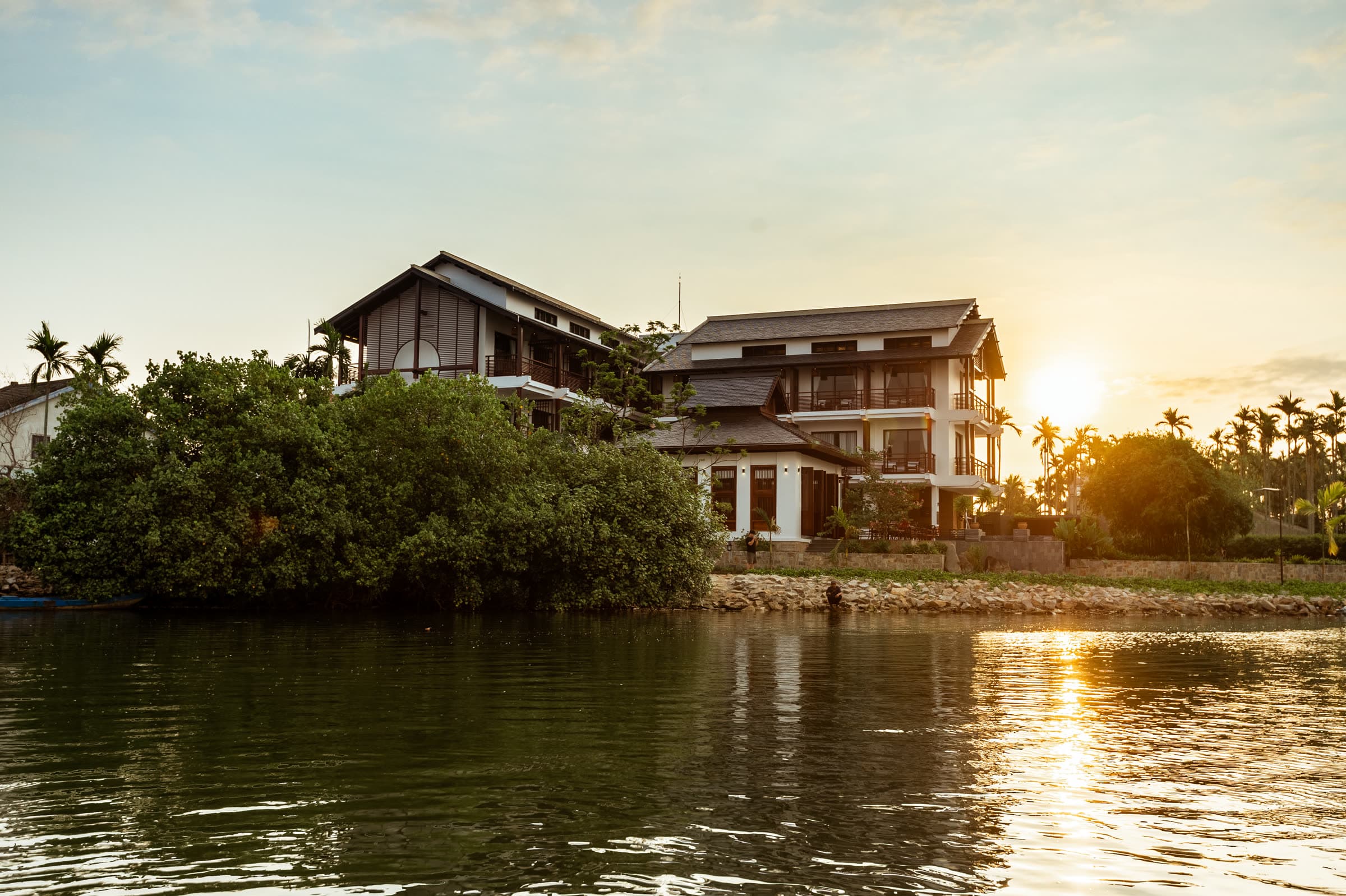
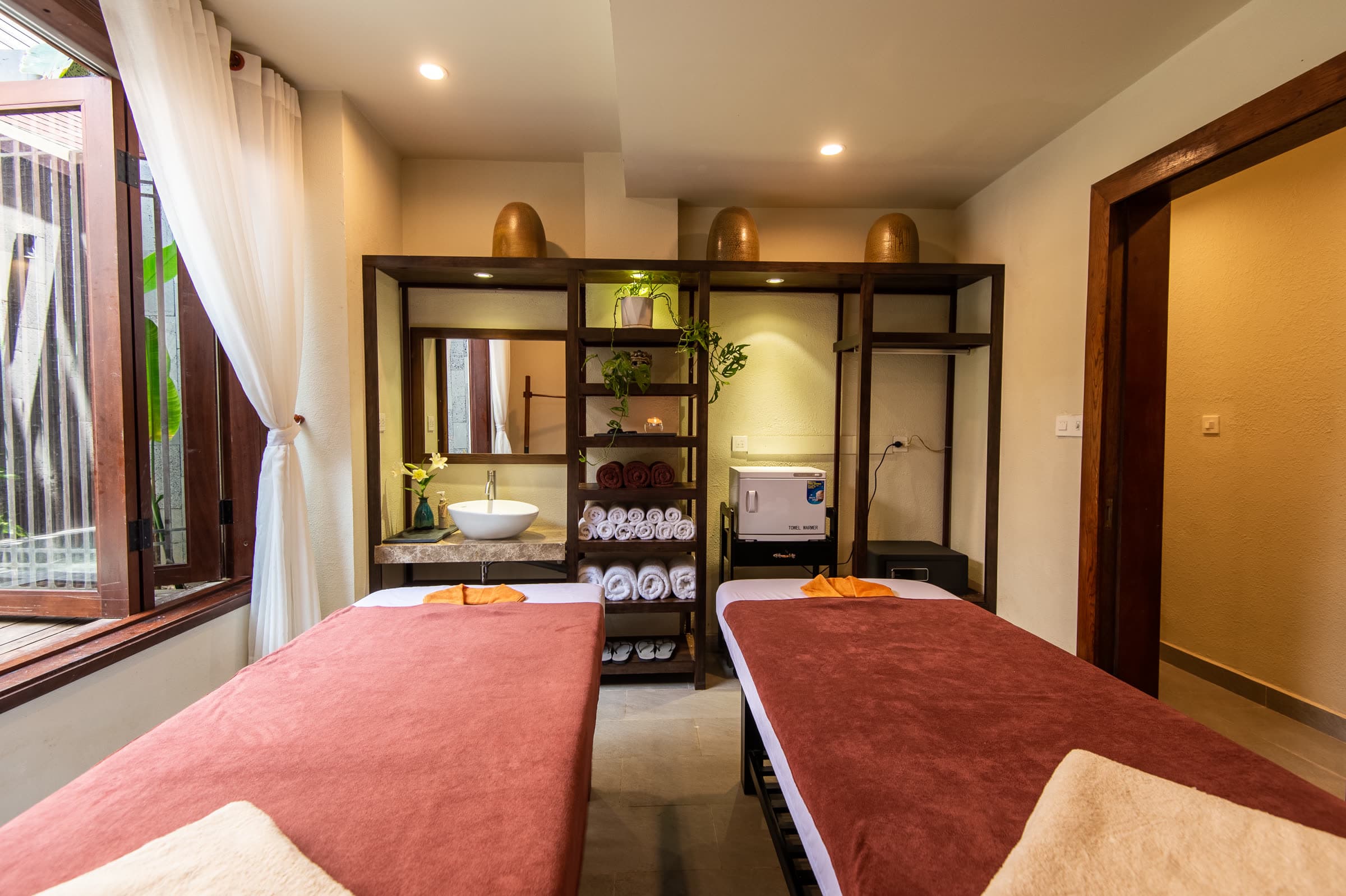
*어느 달에 오시든, 강가는 머물기에 가장 잔잔한 곳입니다. Nghê Prana는 Cẩm Nam의 Thu Bồn 강 조용한 남쪽 강가, 구시가지에서 자전거로 약 10분 거리에 자리합니다 — 강을 향한 23개 객실, 수영장, 문 앞의 자전거, An Bàng 해변 셔틀, 팜투테이블 주방 The Corn, 그리고 마사지·베트남 허브욕·자쿠지·사우나를 갖춘 스파. 어느 계절에 올지 정하며 우리 강 전망 객실을 둘러보거나 Thu Bồn 강에서의 삶에 대해 더 읽어 보세요.*
여기 계절 구간은 베트남 중부의 두 계절 몬순 패턴을 따릅니다. 우리가 인용하는 일몰, 낮 길이, 골든아워 수치는 Jean Meeus 천문 알고리즘으로 약 30초 이내 오차로 계산되어 우리 Hội An 일몰 페이지에 실시간으로 공개됩니다; 랜턴의 밤과 달 위상 날짜는 검증된 축제 달력과 우리 달 페이지에서 옵니다. 홍수 이력(1964, 1999, 2007, 2017, 2020년)은 이 지역의 기록된 큰 홍수 해를 반영합니다. 음력 날짜가 옮겨 감에 따라 이 가이드를 해마다 갱신합니다.
Continue at Nghê Prana
Ready to Sleep Better?
Every room at Nghê Prana is designed around the science of sleep. Blackout curtains, nightly aromatherapy turndown, and riverside quiet — experience what real rest feels like.
View Our Rooms당신의 머무름은 지금 시작됩니다
강변 객실, 올드타운까지 자전거로 10분. 후에–다낭 이동 중 하룻밤이든, 일주일간 아무것도 안 하는 일정이든 — 당신의 방은 고요합니다.
무료 취소 · 호텔을 직접 짓고 운영하는 가족에게 바로 예약
웹사이트에서 직접 예약하면 15% 할인
 WhatsApp
 Zalo
Zalo