
travel
호이안 랜턴 나이트 로맨틱: 커플을 위한 보름달 축제 가이드 (Đêm Rằm Phố Cổ)
호이안의 랜턴 나이트를 둘만의 온전한 로맨틱 하루로 바꾸는 법 — 강가에서 느긋하게 보내는 아침, 오후의 커플 스파, Thu Bồn 강 위로 지는 노을, 함께 촛불 등불 하나를 강물에 띄우기, 그리고 조용한 팜 투 테이블 저녁 식사. 검증된 2026년과 2027년 축제 날짜와 함께.
Jul 1, 20269 minRead Article
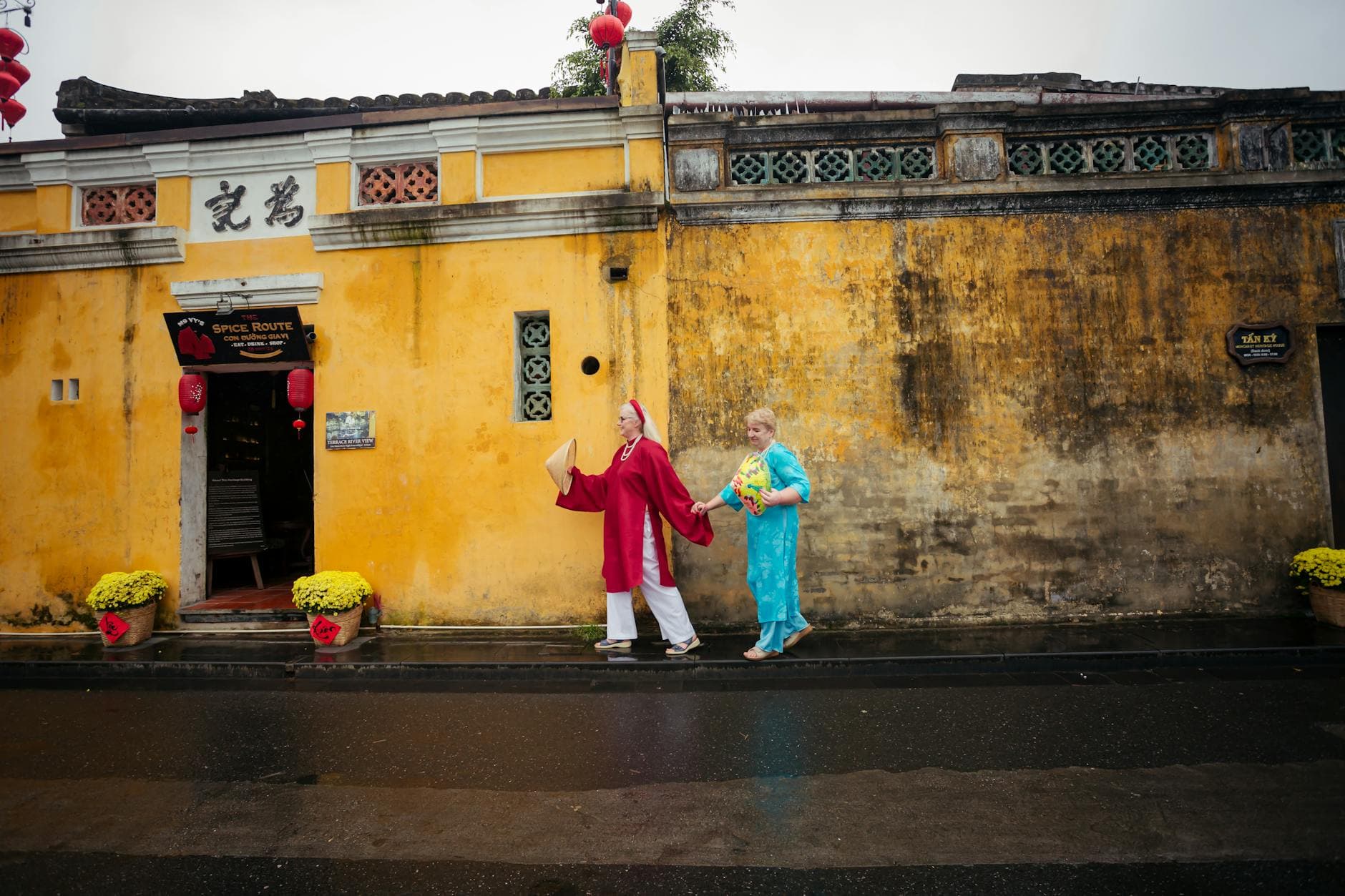
2025년 7월 1일, 꽝남성(Quảng Nam)이 폐지되어 다낭(Đà Nẵng)에 통합되었습니다. 호이안(Hội An)은 세 개의 프엉(phường, 행정구)으로 나뉘었고, 미선(Mỹ Sơn)도 함께 이관되었습니다. 2026년 여행자에게 실제로 무엇이 달라지는지 — Tuổi Trẻ, VnExpress, Báo Đà Nẵng 보도와 구시가지 입구 현장 확인을 바탕으로 정리했습니다.
2026년 호이안 여행을 예약해 둔 뒤 "호이안은 더 이상 도시가 아니다"라는 헤드라인을 보고 결제 도중 멈칫한 사람이 당신 혼자만은 아닙니다. 2025년 7월 1일, 국회 결의안 202/2025/QH15에 따라 꽝남성(Quảng Nam) 전체가 폐지되어 다낭(Đà Nẵng)에 통합되었습니다. 2008년부터 성(省) 직할시였던 호이안(Hội An)은 시(市) 지위를 잃고 세 개의 프엉(phường, 행정구)과 하나의 섬 단위 사(xã, 면)로 분할되었습니다. 이 지역의 또 다른 유네스코 세계유산인 미선(Mỹ Sơn)도 함께 이관되었습니다.
이 글은 이 사안을 다룬 베트남 1차 보도 — Tuổi Trẻ, VnExpress, Báo Đà Nẵng, 그리고 중앙정부 정책 포털 — 을 번역·종합하여, 여행자가 정말로 궁금해하는 질문에 답합니다. 2026년에 현장에서 나에게 달라지는 것이 있는가?
짧게 답하면 이렇습니다. "호이안"이라는 지명은 여전히 모든 도로 표지판, 모든 입장권, 모든 카페 메뉴에 적혀 있고, 입구의 유산 관리 절차도 예전과 똑같이 작동합니다. 달라진 것은 조직도 맨 위의 명칭, 그리고 이제 구시가지 자체를 관리하는 기관에 부여된 더 선명하고 좁아진 권한 범위입니다.
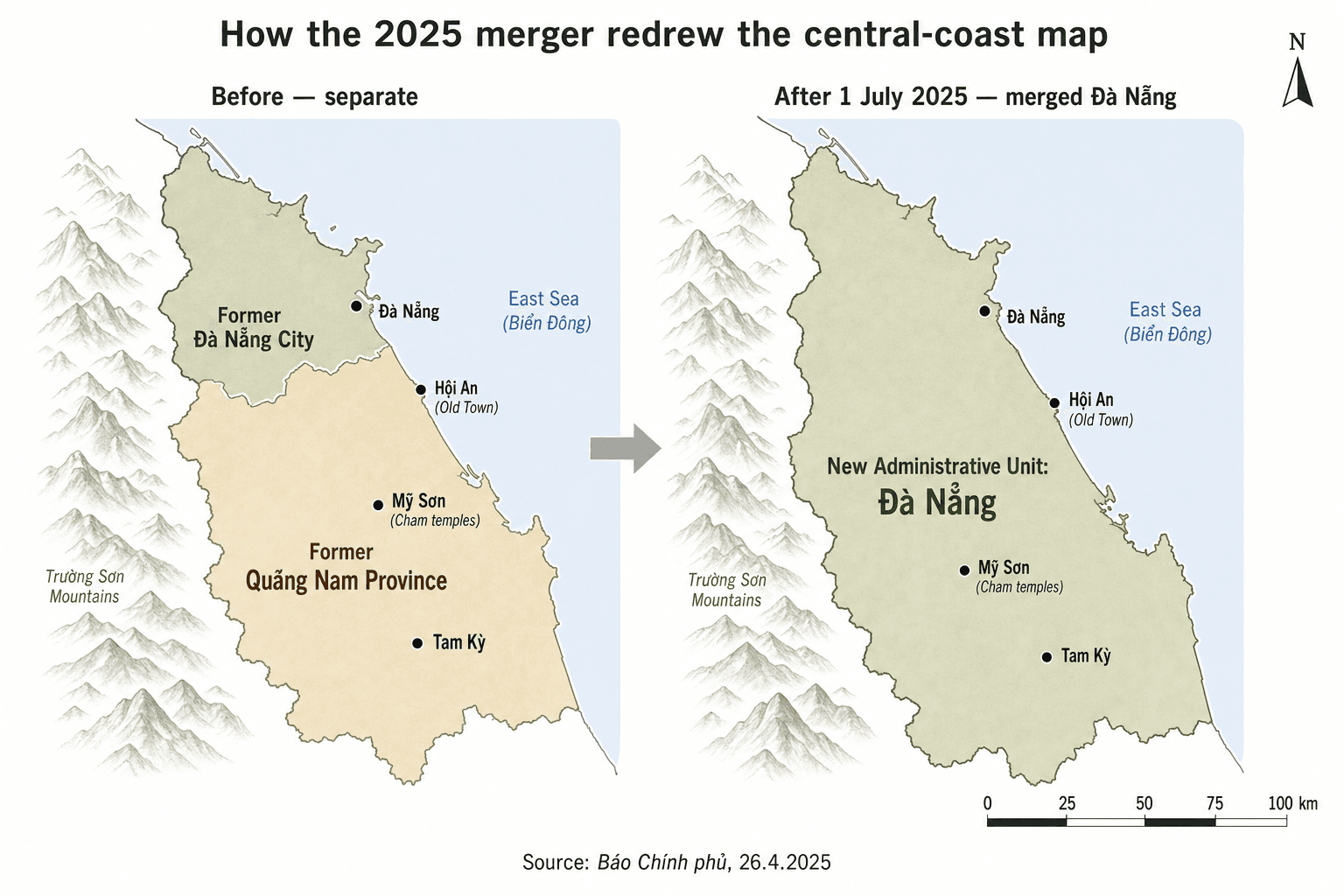
지도: Nghe Prana 편집부, Báo Chính phủ 2025.4.26. 자료 기반
2025년 6월 12일, 국회는 결의안 202/2025/QH15를 통과시켰습니다. 2025년 7월 1일부터 시행되어, 중앙직할시 다낭(Đà Nẵng)이 꽝남성(Quảng Nam) 전체를 흡수했습니다. 통합된 행정 단위는 "다낭"이라는 이름을 유지했으며, 면적 기준으로 베트남에서 가장 큰 중앙직할시 중 하나가 되었습니다.
정부 정책 포털 xaydungchinhsach.chinhphu.vn(2025년 4월 26일)에 따른 수치는 다음과 같습니다. 23개 프엉(phường, 행정구), 70개 사(xã, 면), 1개 특구(đặc khu Hoàng Sa). 자연 면적 11,867.18㎢. 인구 3,065,628명. 주민 투표 찬성률: 다낭 222,482명(99.77%), 꽝남 421,940명(98.52%).
이것은 조용한 경계 조정이 아니었습니다. 한 세대 만에 베트남 중부에서 이뤄진 가장 큰 규모의 영토 재편이었으며, 국회에 상정되기 전에 투표함을 통해 승인되었습니다.
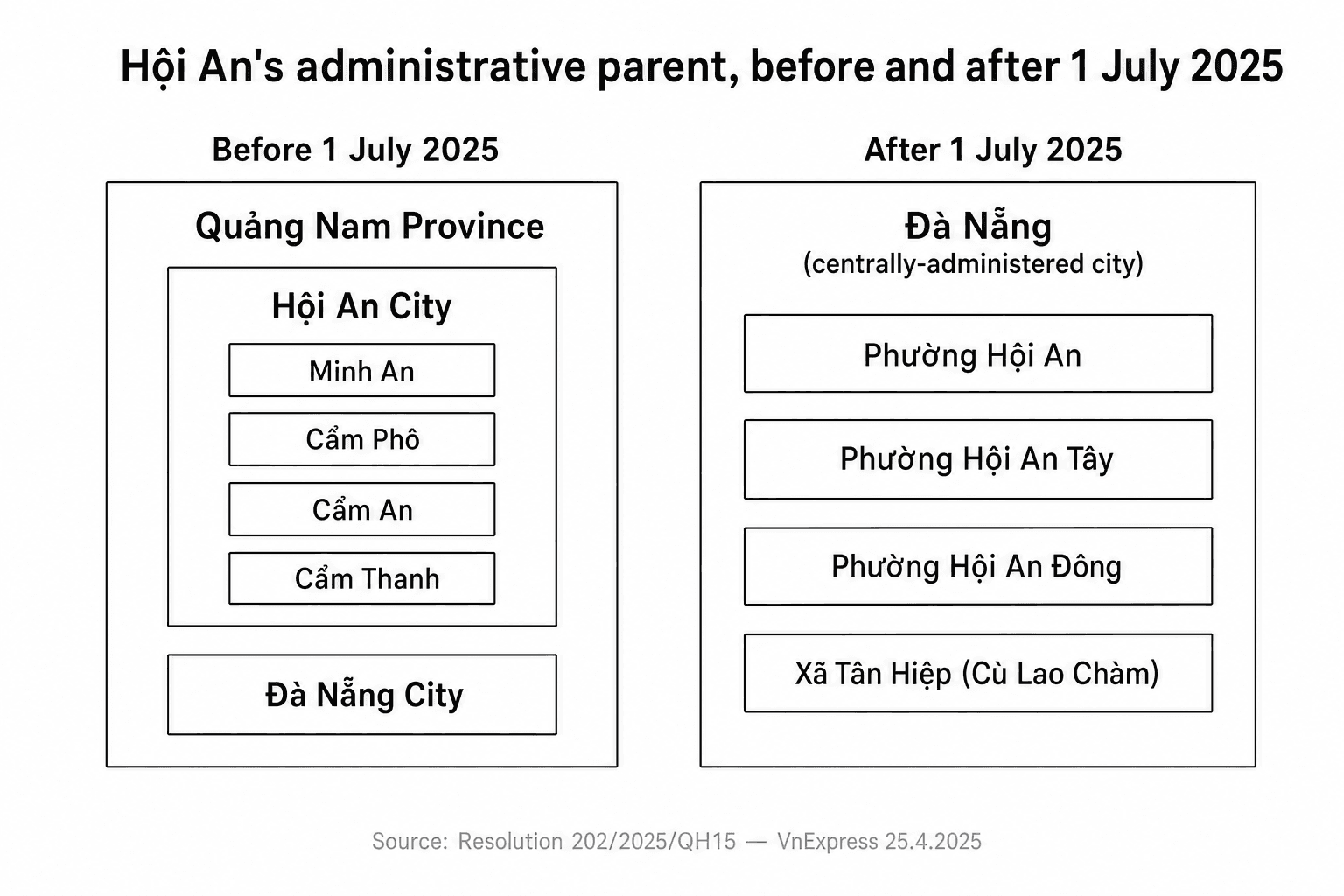
다이어그램: Nghe Prana 편집부, 결의안 202/2025/QH15 및 VnExpress 2025.4.25. 자료 기반
그렇습니다 — 행정적으로는요. VnExpress가 2025년 4월 25일 보도한 대로, 호이안은 "타인포(thành phố, 시)"로서 폐지되고 세 개의 프엉과 하나의 사로 재편되었습니다.
프엉 호이안(Phường Hội An) — 중심 행정구로, 옛 민안(Minh An), 껌포(Cẩm Phô), 선퐁(Sơn Phong), 껌남(Cẩm Nam), 껌낌(Cẩm Kim) 구를 합쳤습니다. 구시가지와 그 바로 인접한 배후지가 여기에 속합니다.
프엉 호이안떠이(Phường Hội An Tây) — 껌하(Cẩm Hà), 타인하(Thanh Hà), 떤안(Tân An), 껌안(Cẩm An)을 합쳤습니다. 서쪽과 해변 쪽 일대로, 저희를 포함해 많은 호텔이 지금 이곳에 자리하고 있습니다.
프엉 호이안동(Phường Hội An Đông) — 껌쩌우(Cẩm Châu), 끄어다이(Cửa Đại), 껌타인(Cẩm Thanh)을 합쳤습니다. 동쪽 습지대, 물야자수, 그리고 해변이 있는 곳입니다.
사 떤히엡(Xã Tân Hiệp) — 꿀라오짬(Cù Lao Chàm) 섬입니다. 옛 사(면) 지위를 그대로 유지한 유일한 지역이자, 이름이 전혀 바뀌지 않은 유일한 곳입니다.
VnExpress가 인용한 호이안 연구자 풍떤동(Phùng Tấn Đông)은 그 문화적 대가를 분명하게 짚었습니다. "Khi có thay đổi về tên gọi, sự nhận diện thương hiệu chắc chắn ít nhiều bị ảnh hưởng." ("명칭이 바뀌면 브랜드 인지도는 어느 정도 영향을 받을 수밖에 없다.") 다낭의 응우옌타인홍(Nguyễn Thanh Hồng) 국장은 이를 "행정과 발전 공간에서 돌파구를 만드는 중대한 정책"이라고 표현했습니다. 두 말 모두 사실일 수 있습니다. 그러나 2026년 여행자에게는 어느 쪽도 핵심이 아닙니다. 핵심은 다음 섹션에 있습니다.
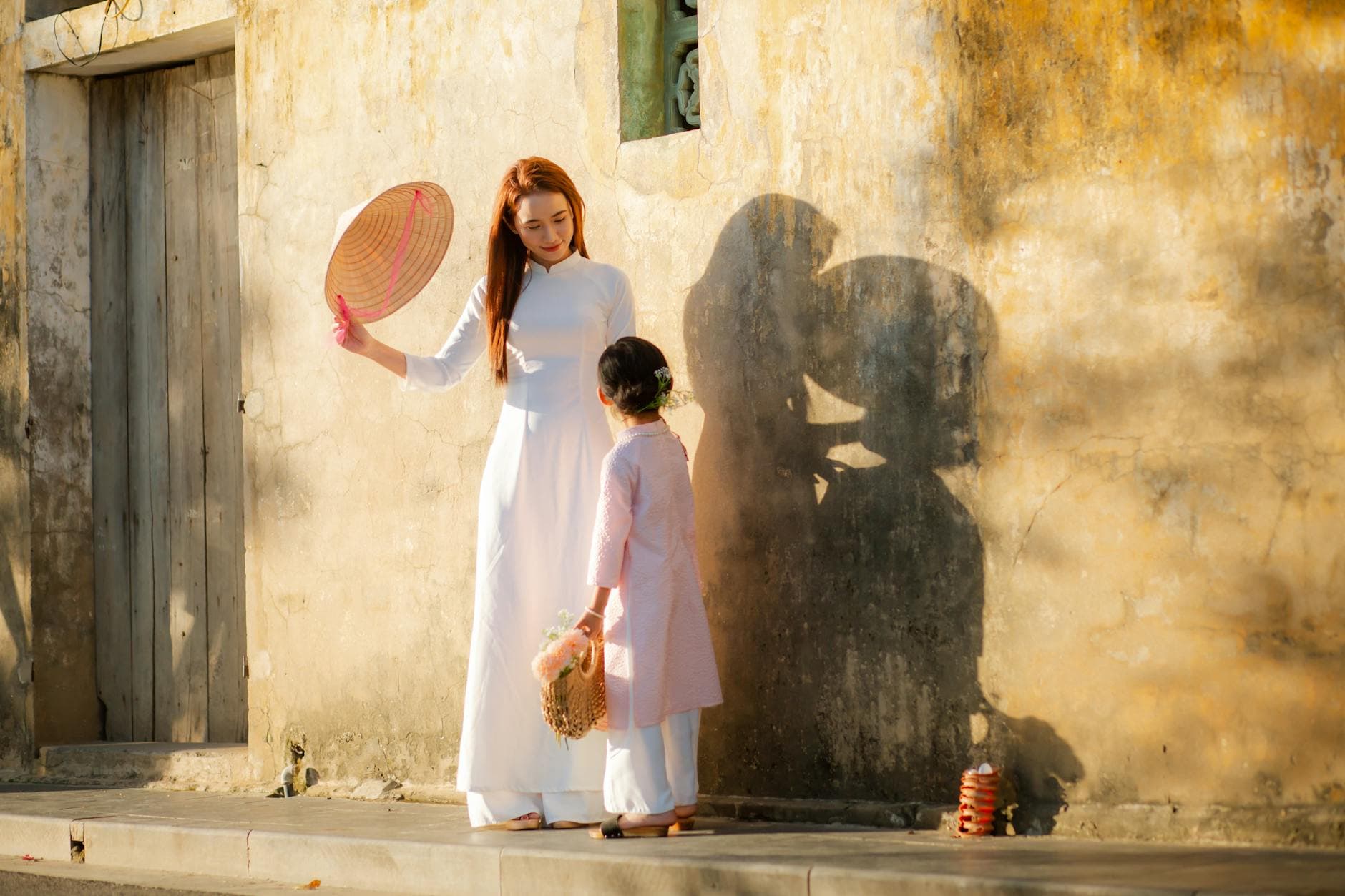
사진: Võ Văn Tiến / Pexels
권한 범위가 더 좁아진 새로운 기관입니다.
2025년 11월 26일, Báo Đà Nẵng은 다낭 인민위원회가 결정 2641호(Quyết định 2641/QĐ-UBND)를 발령하여 호이안 세계유산 보존센터(Trung tâm Bảo tồn Di sản Văn hóa Thế giới Hội An)를 공식 설립했다고 보도했습니다. 이 센터는 다낭 문화체육관광국 산하의 공공기관으로, 문화체육관광부에, 그리고 베트남 유네스코 국가위원회를 통해 유네스코 자체에 보고합니다.
이는 1999년 구시가지가 등재된 이래 꽝남성 산하에서 운영되던 옛 호이안 문화유산 보존관리센터(Trung tâm Quản lý Bảo tồn Di sản Văn hóa Hội An)의 후신입니다. 달라진 것은 상급 기관만이 아닙니다. Tuổi Trẻ가 2025년 7월 10일 보도한 대로, 새 센터의 관할 영역은 의도적으로 더 좁아졌습니다.
"Thay vì quản lý toàn bộ các giá trị không gian di sản Hội An (gồm khoảng gần 50 di tích, đình chùa, làng nghề…) thì nay phạm vi được thu hẹp trong vùng 1, vùng 2 và vùng đệm khu phố cổ."
("호이안 유산 공간 전체 — 약 50곳에 이르는 유적, 정자(딘), 사찰, 공예 마을 — 을 관리하는 대신, 이제 그 범위는 구시가지의 1구역, 2구역, 그리고 완충구역으로 좁혀졌다.") 새 문화국 내부의 한 Tuổi Trẻ 취재원은 그 재분배를 이렇게 설명했습니다. "Từ nay các làng nghề, di tích, giá trị văn hóa ở các phường, xã ở Hội An (ngoài khu phố cổ) thuộc địa phương nào thì giao về đơn vị đó quản lý." ("이제부터 구시가지 밖에 있는 호이안의 프엉·사 내 공예 마을, 유적, 문화 자산은 그것이 속한 지방 행정기관에 관리가 넘겨진다.")
쉽게 말하면, 새 센터는 유네스코 등재 핵심 구역에 집중합니다. 타인하(Thanh Hà)의 도자기 마을, 낌봉(Kim Bồng)의 목공 마을, 껌타인(Cẩm Thanh)의 물야자 습지, 대바구니 배(투엔텅) — 이것들은 이제 각각이 속한 프엉의 책임이 됩니다.
옛 호이안 문화체육방송센터 소장이던 쯔엉티응옥껌(Trương Thị Ngọc Cẩm)이 새 세계유산센터의 직무대행 부소장으로 임명되었습니다. 미선(Mỹ Sơn)에서는 응우옌꽁끼엣(Nguyễn Công Khiết)이 같은 다낭 문화국 산하 미선 유산관리기관의 부소장으로 임명되었습니다.
저희는 새 조직 체계가 발표된 그 주에 현장에서 직접 확인했습니다. 솔직한 답은 이렇습니다. 2026년 여행자로서 당신이 알아차릴 만한 변화는 전혀 없습니다.
구시가지 입장권 — 여전히 같은 매표소에서 발권되고, 외국인 방문객은 여전히 120,000동이며, 여전히 원하는 유적 다섯 곳을 관람할 수 있습니다. 영수증 맨 위의 명칭은 바뀌었지만, 입구는 그대로입니다.
도로 표지판 — 모든 "호이안" 표지판은 여전히 호이안을 가리킵니다. 이제 그 이름은 시(市)가 아니라 프엉(행정구)을 가리키지만, 현장의 지명으로서는 달라지지 않았습니다. 2024년에 목적지를 "호이안, 꽝남"으로 표시하던 내비게이션 앱은 이제 "호이안, 다낭"으로 표시하며, 이것이 맞습니다.
구시가지 소등 행사 — 뎀럼포꼬(Đêm Rằm Phố Cổ)는 음력 14일 20:00–22:00에 계속 열립니다. 행사는 동일한 운영팀이 진행하며, 이제 꽝남이 아니라 다낭 문화국에 보고합니다.
투어 허가 및 운영사 서류 — 관계 당국 확인 필요. 저희가 이야기를 나눈 현지 가이드들은 전환 과정에서 아무런 마찰이 없었다고 전하지만, 저희는 2026년 내내 이를 추적하며 업데이트하겠습니다.
꿀라오짬(Cù Lao Chàm) — 여전히 사 떤히엡(Xã Tân Hiệp)이고, 여전히 해양보호구역이며, 여전히 끄어다이(Cửa Đại)에서 같은 페리로 갑니다. 입장권상의 이름이 바뀌지 않은 유일한 지역입니다.
미선(Mỹ Sơn) — 유적지는 평소대로 운영됩니다. 행정 상급기관은 다낭이지만, 입구에서의 현장 운영 관리는 동일한 미선 관리단이 맡습니다.
우편 주소 — 저희를 포함한 많은 호텔이 이제 기술적으로는 프엉 호이안떠이(Phường Hội An Tây)에 속합니다. 대부분의 온라인 예약 플랫폼과 구글 지도는 여전히 "호이안"을 소재지로 표시하며, 이는 여전히 맞습니다.
재방문객이라면, 당신이 기억하는 어떤 것도 옮겨가지 않았습니다. 처음 오는 분이라면, 헤드라인은 무시하고 2024년에 예약했을 그 여행을 그대로 예약하시면 됩니다.
이 일정으로 여행을 계획 중이신가요? 투본 강가의 조용한 리버사이드 호텔 예약 가능 날짜를 확인하세요. 예약 가능 여부 확인 →
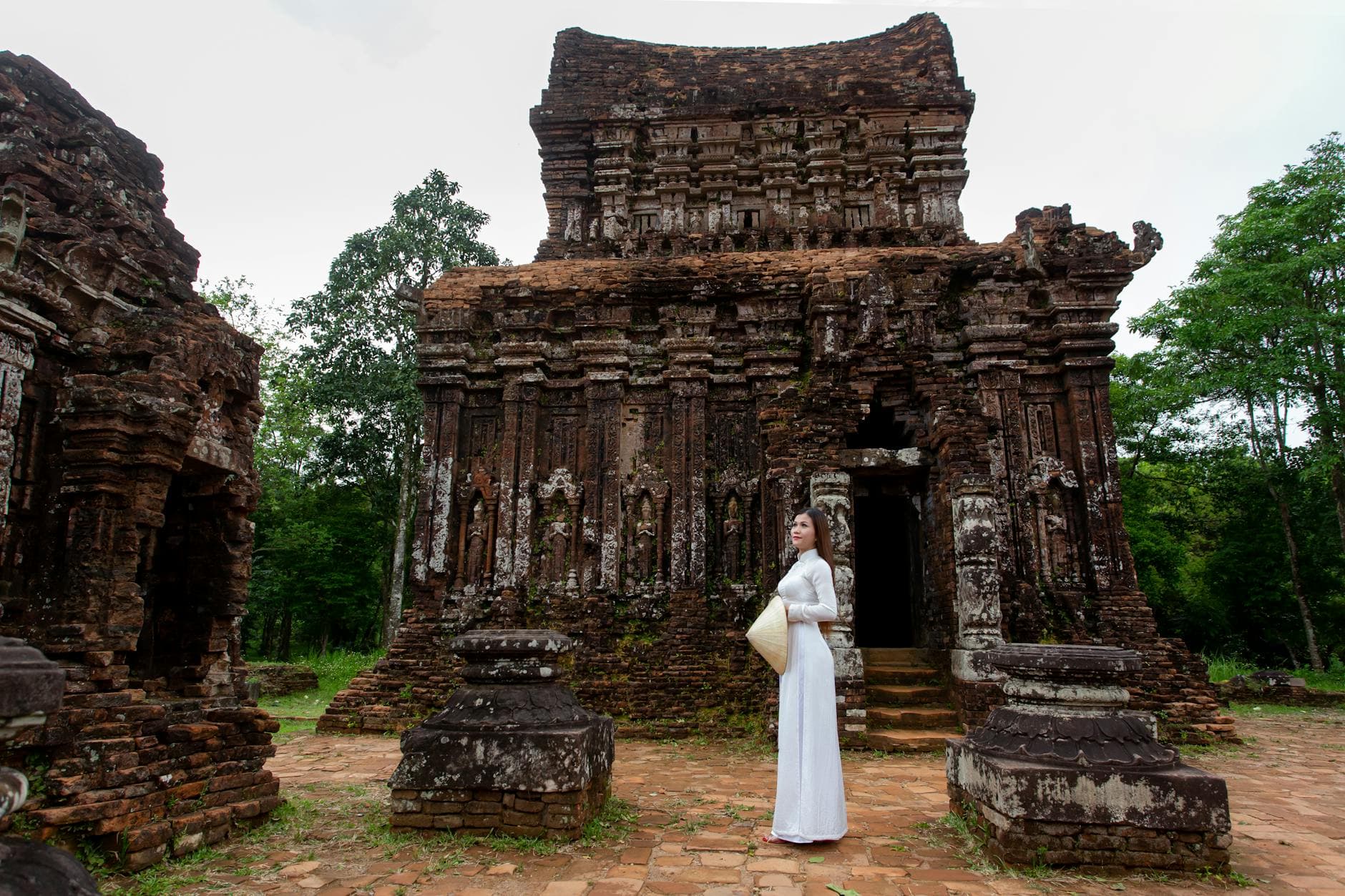
사진: Võ Văn Tiến / Pexels
중앙정부가 행정 비용을 줄이고 성(省) 단위 경제권을 그 자연스러운 대도시 중심축에 맞추기 위한 다년간의 노력의 일환으로 하위 행정을 통합하고 있기 때문입니다. 다낭은 국제공항, 심해항, 병원망, 대학 클러스터를 갖춘 중부 해안의 경제 중심축입니다. 두 곳의 유네스코 유산을 모두 품고 있었지만 자체 공항도 항구도 없던 꽝남은 역사적·문화적 균형추였습니다.
두 지역을 통합함으로써 중앙정부는 — Báo Chính phủ의 표현을 빌리면 — 그 지역 경제가 실제로 작동하는 규모에서 인프라, 관광, 문화 관리를 계획할 수 있을 만큼 충분히 큰 단일 행정 단위를 만들고 있습니다. 그것이 더 나은 유산 관리 성과로 이어질지는 2026년이 아니라 2030년의 문제입니다.
2026년 시점에서 분명한 것은, 베트남 중부의 두 유네스코 등재 유산이 처음으로 동일한 성급 행정 상급기관을 공유하게 되었다는 점입니다. 이것은 진정으로 새로운 일이며, 영어권 보도 대부분이 놓친 지점입니다.
세 가지입니다.
세관 신고서에는 주소를 다낭으로 적으세요. 2025년 7월 1일부로 "꽝남"은 성으로서 더 이상 존재하지 않습니다. 양식이 성(province)을 묻는다면 "다낭(Đà Nẵng)"이라고 적으세요. 도시(city)를 묻는다면 "호이안(Hội An)"이라고 적으세요 — 이 지명은 여전히 어디서나 통용되며, 실제로는 이제 프엉(행정구) 이름입니다.
오래된 안내서에 헷갈리지 마세요. 2025년 중반 이전에 인쇄된 영어 안내서는 모두 호이안이 꽝남성에 있다고 적혀 있을 것입니다. 더 이상 그렇지 않습니다. 구시가지가 움직인 것이 아니라, 지도 위의 선이 바뀐 것입니다.
참(Chăm) 유산이라는 관점에 관심이 있다면, 미선을 같은 여행에 함께 넣어 계획하세요. 두 유네스코 유산은 이제 동일한 문화국 산하에 있고, 통합 방문권도 논의 중입니다(관계 당국 확인 필요; 발표되면 업데이트하겠습니다). 적어도 두 유산은 1999년 미선이 등재된 이래 처음으로 정책 차원에서 조율되고 있습니다.
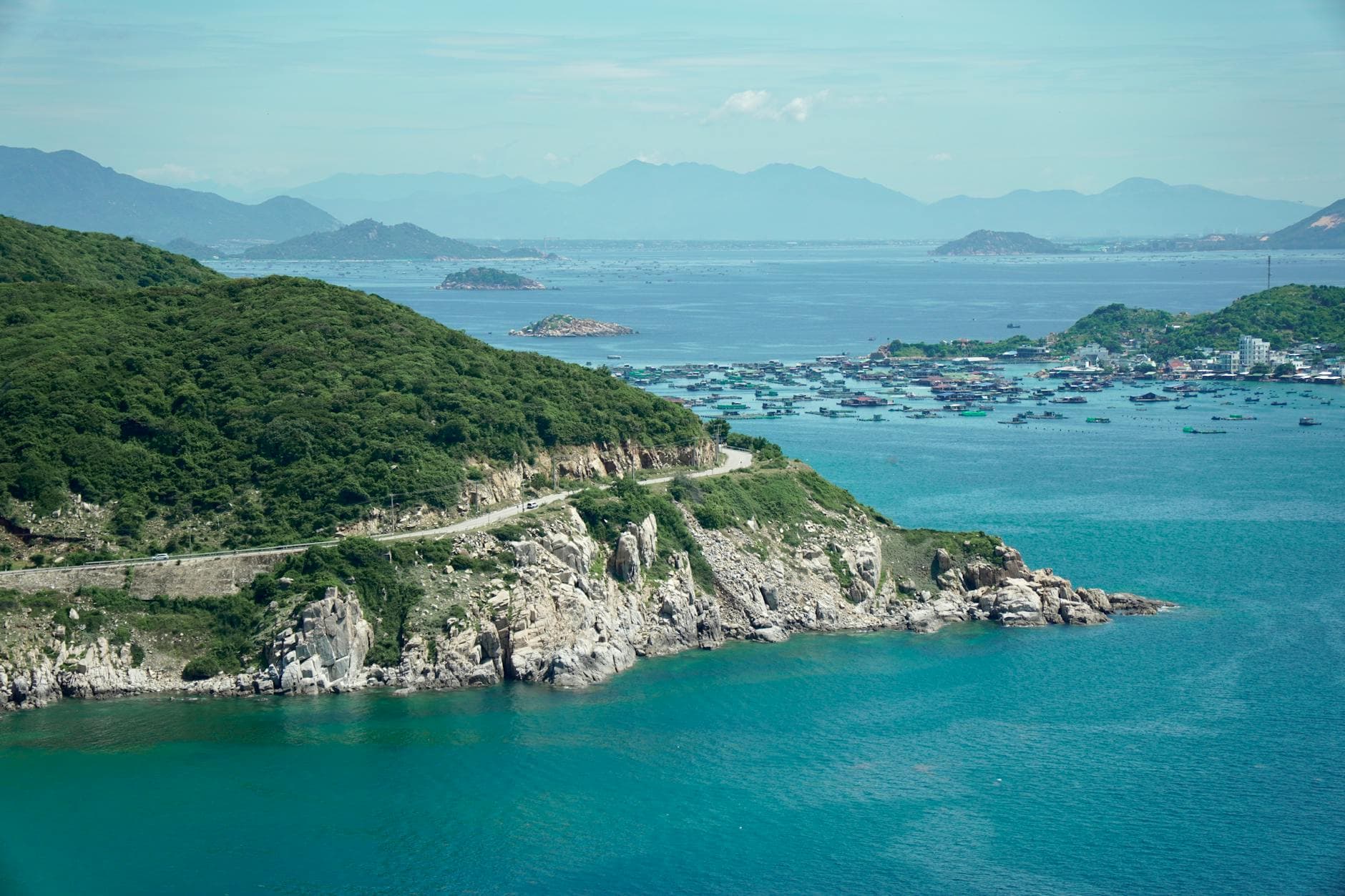
사진: Tuan Vy / Pexels
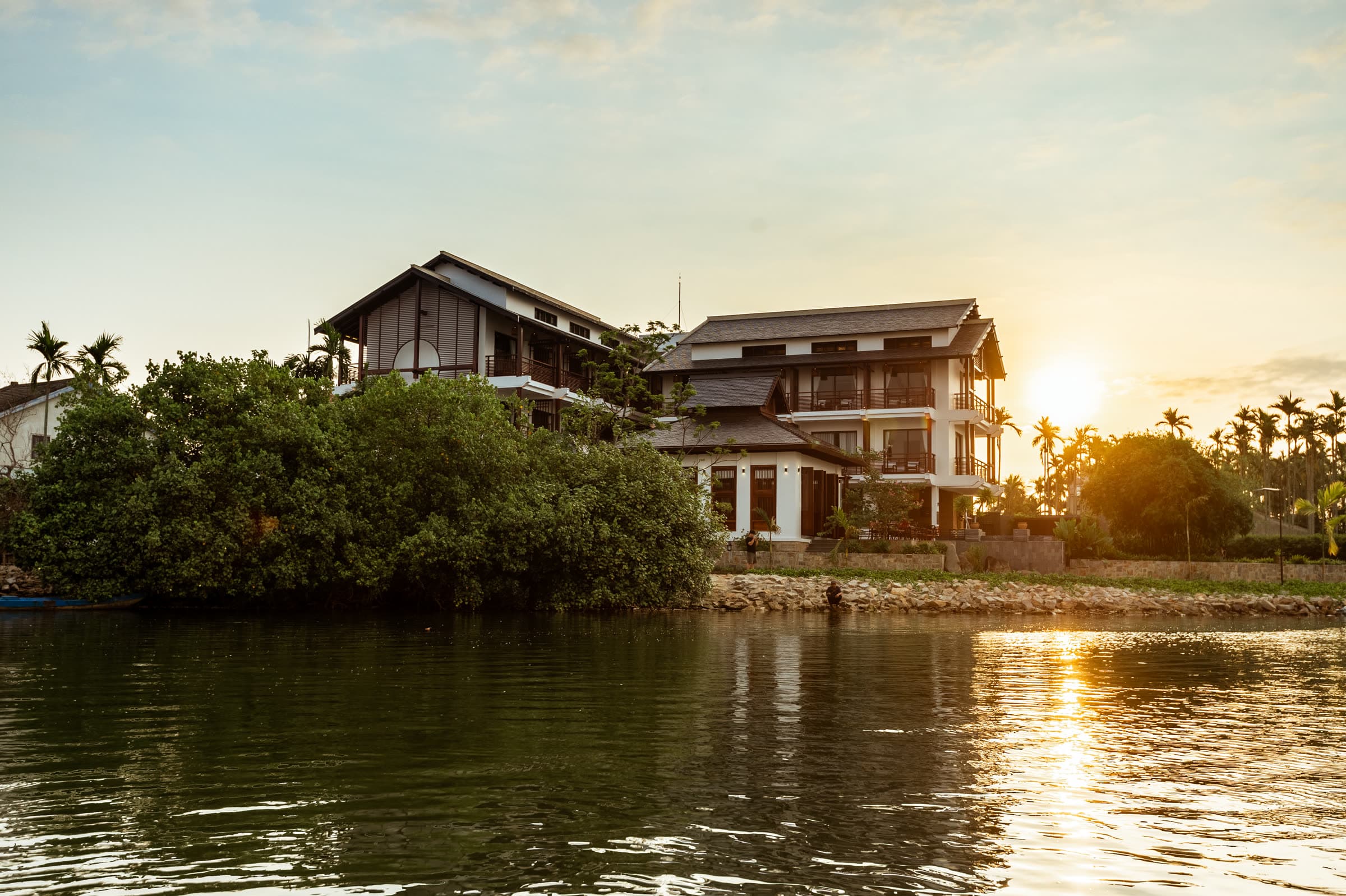
이 글을 쓴 곳, 투본(Thu Bồn)강 강가의 호텔 Nghe Prana에서 전하는 실무 메모입니다. 저희의 23개 객실 시설은 껌하(Cẩm Hà), 타인하(Thanh Hà), 떤안(Tân An), 껌안(Cẩm An)의 통합으로 형성된 서쪽 행정구, 지금의 프엉 호이안떠이(Phường Hội An Tây)에 자리합니다. 저희 예약팀은 2026년 5월, 이 행정 변경으로 인해 수정이 필요한 고객 서류, OTA 등록 정보, 송영(픽업) 서류가 전혀 없었음을 확인했습니다. 방문객을 위한 두 가지 참고 사항:
비자나 경비 정산용으로 호텔 인보이스를 받았는데 주소가 "Cẩm An, TP Hội An, Quảng Nam"이 아니라 "Phường Hội An Tây, TP Đà Nẵng"으로 적혀 있다면, 그것이 새로운 올바른 표기입니다. 둘 다 동일한 실제 위치를 가리킵니다.
호텔이 마주한 투본(Thu Bồn)강 자체도 행정 경계를 가로질렀습니다. 상류 구간은 꽝남에, 하구는 다낭에 속해 있었기 때문입니다. 2025년 7월 1일부터 강 전체 수계가 단일 행정 상급기관 아래 놓였습니다. 구시가지에서 하구까지 오가는 보트 투어에는 이것이 조용한 운영상의 단순화입니다.
Đắc Thành, VnExpress, 2025.4.25. — "Hội An sẽ không còn là thành phố" — vnexpress.net
Tây Bình, Báo Chính phủ, 2025.4.26. — "Hợp nhất Quảng Nam, Đà Nẵng: thành phố mới có 23 phường, 70 xã và 1 đặc khu Hoàng Sa" — xaydungchinhsach.chinhphu.vn
Quốc hội nước CHXHCN Việt Nam — Nghị quyết 202/2025/QH15, 2025.6.12. 공포, 2025.7.1. 시행.
Thái Bá Dũng, Tuổi Trẻ, 2025.7.10. — "Di sản thế giới Hội An và Mỹ Sơn chính thức trực thuộc Đà Nẵng, công bố bộ máy mới" — tuoitre.vn
Tây Bình, Báo Đà Nẵng, 2025.11.26. — "Quy định chức năng, nhiệm vụ Trung tâm Bảo tồn Di sản Văn hóa Thế giới Hội An" — baodanang.vn
이 글은 위에 열거한 다섯 건의 베트남 1차 자료를, 호이안 구시가지 입장 매표소에서의 현장 확인, 새 행정구 명칭 프엉 호이안떠이(Phường Hội An Tây) 아래 정리된 저희 호텔 자체 기록, 그리고 2026년 5월까지 현지 가이드들과 나눈 대화와 종합한 것입니다. "관계 당국 확인 필요"로 표시된 항목 — 구시가지 / 미선 통합 방문권, 투어 허가 서류 — 은 관련 결정이 공표되는 대로 업데이트하겠습니다.
Continue at Nghê Prana
Ready to Sleep Better?
Every room at Nghê Prana is designed around the science of sleep. Blackout curtains, nightly aromatherapy turndown, and riverside quiet — experience what real rest feels like.
View Our Rooms당신의 머무름은 지금 시작됩니다
강변 객실, 올드타운까지 자전거로 10분. 후에–다낭 이동 중 하룻밤이든, 일주일간 아무것도 안 하는 일정이든 — 당신의 방은 고요합니다.
무료 취소 · 호텔을 직접 짓고 운영하는 가족에게 바로 예약
웹사이트에서 직접 예약하면 15% 할인
 WhatsApp
 Zalo
Zalo