요약: 2024년 호이안은 거주민 12만 명에 비해 443만 명의 방문객을 받았습니다. 옛 마을(1㎢)은 16~21시 사이 진정으로 과잉 관광 상태이지만, 그 주위 40㎢의 강과 해변과 마을은 그렇지 않습니다. 여행을 "바깥에 머무르고, 안으로 들어간다"로 바꾸면 — 호이안은 여전히 동남아시아에서 가장 분위기 있는 작은 마을 중 하나로 남습니다.
여행 포럼과 ChatGPT 대화 안에서 매주 같은 질문이 올라옵니다. 2026년에도 호이안은 여전히 갈 만한 곳인가, 아니면 옛 마을은 사랑받다 못해 죽었는가? 솔직한 답은 세 부분이고, 그중 어느 것도 단순한 예/아니오가 아닙니다.
숫자가 말해 주는 것
유네스코 등재 해인 1999년, 호이안은 인구 약 10만에 방문객 20만 2천 명을 받았습니다. 2024년에는 거주민이 12만으로 거의 변하지 않은 사이, 방문객이 443만 명에 이르렀습니다. 2025년 상반기에만 280만 명이 다녀갔고, 전년 대비 17.4% 증가했습니다. 유네스코 등재 이후 9배 증가는 추상적인 수치가 아닙니다 — 화요일 저녁 7시에 Trần Phú를 걸을 때 몸으로 느끼는 그 무엇입니다.
베트남 국립대학교의 람 티 미 중(Lâm Thị Mỹ Dung) 교수는 현 상태를 "오버, 오버, 오버 투어리즘"이라 표현했습니다. 한때 조상 제단을 둔 가정집이던 약 200채의 문화재 가옥이 소매점에 임대되었습니다. 양복점, 등롱 장인, 까오 러우 가게도 여전히 찾을 수 있지만, 상당수의 가게 정면은 잘 꾸며진 공항 기념품 상가와 잘 구분되지 않습니다.
대부분의 여행 글이 건너뛰는 부분
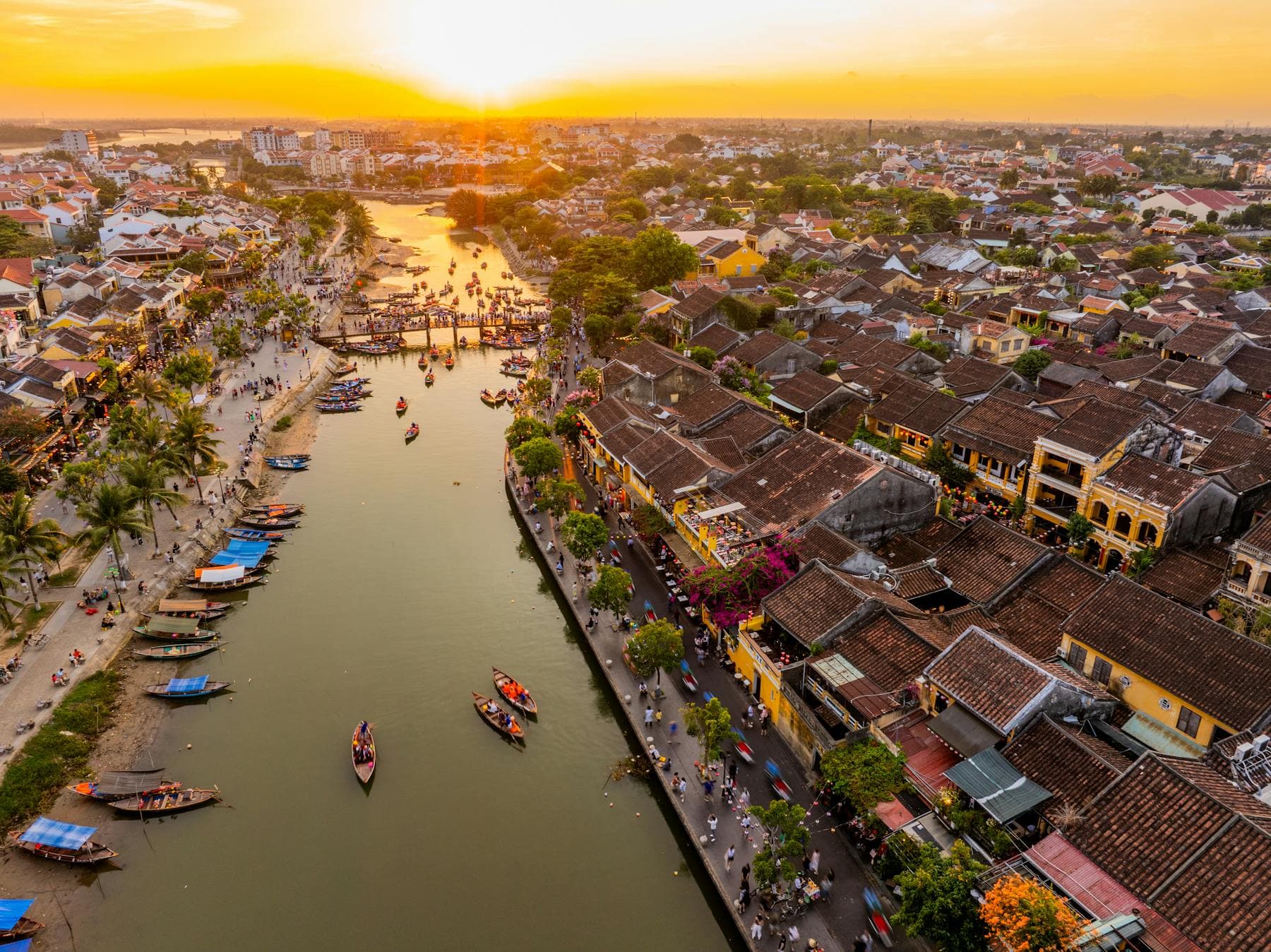
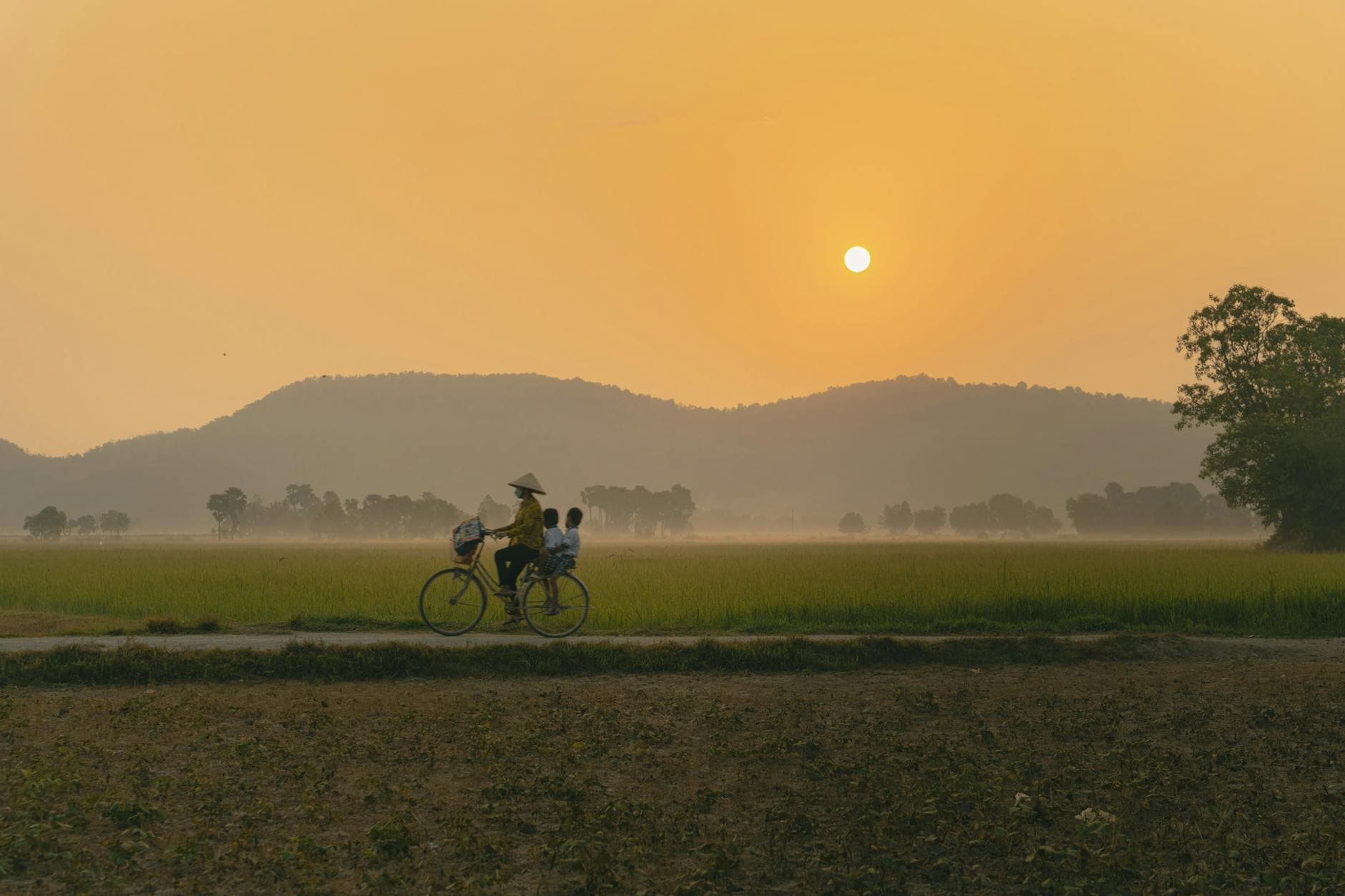
옛 마을은 1㎢입니다. 인스타그램 그리드와 틱톡에 올라오는 그 부분이고, 또한 과잉 관광이 일어나는 그 부분입니다. 호이안 시 나머지 — 깜남, 깜타인, 깜낌, 안방 해변, 투본 강 섬들 — 는 약 40㎢에 이르는 논, 바구니배 석호, 목조 조선소, 조용한 마을 길입니다. 대부분은 도보 인파의 일부에 지나지 않을 만큼만 들릅니다.
"호이안은 갈 만한가"라는 질문은 사실 "옛 마을이 갈 만한가"라는 뜻입니다. 여행의 틀을 바꾸면, 답이 바뀝니다.
2026년에도 통하는 세 가지 여행 형태
형태 1 — 옛 마을은 황금 시간대에만. 새벽 5시 30분에 들어가 일본교 옆에서 태극권을 보고 줄이 생기기 전 반미 푸엉에서 아침을 먹거나, 21시 30분 이후 — 단체 관광객이 빠지고 강물 위 등롱 반영이 자기들끼리 남는 시간 — 에 들어가십시오. 한낮은 다른 곳에서 보냅니다.
형태 2 — 바깥에 머무르고, 안으로 들어간다. 깜남, 깜타인, 또는 안방의 조용한 구간에 — 옛 마을까지 자전거로 5~10분 거리에 — 숙소를 잡으십시오. 새들이 오토바이보다 많은 곳에서 잠들고, 보러 온 유산까지는 통근하듯 다녀옵니다.
형태 3 — 호이안을 관광 베이스가 아닌 웰니스 베이스로. 누구도 팔지 않는 형태입니다. 일주일 동안 옛 마을 새벽 산책 세 번, 마사지 두 번, 쿠킹 클래스 한 번, 그리고 강가에서 사실상 아무것도 하지 않는 나흘. 앞 두 가지와 다른 범주의 여행입니다. 그리고 이 셋 가운데 2010년의 호이안에 가장 가까운 형태이기도 합니다.
이 일정으로 여행을 계획 중이신가요? 투본 강가의 조용한 리버사이드 호텔 예약 가능 날짜를 확인하세요. 예약 가능 여부 확인 →
옛 마을이 진짜로 망가지는 시간
건기의 어느 저녁이든 16시~21시 사이, 일본교 주변 보행 거리는 진정으로 과밀합니다. 당국은 옛 마을의 시간제 입장 시스템을 검토해 왔습니다 — 문제가 이제 계절성이 아니라 구조적이라는 신호입니다. 그 시간을 피하십시오. 17시 30분 또는 22시에 식사하십시오. 메인 동맥이 아니라 옆 골목을 걸으십시오.
호이안이 분명히 여전히 갈 만한 시간
월례 보름 등롱 축제, 단 16시 30분까지 도착하고 18시 30분 이전에 떠난다면 — 단체 버스의 절정 직전.\\n- 국내 여행이 잠시 가라앉고 옛 마을이 약 열흘간 숨을 고르는 설(Tết) 직후 한 주.\\n- 마을의 진짜 거주민과 거리를 나눠 가지는 비 오는 10월 아침.\\n- 시간대와 무관하게, 보행 구역 바깥의 옥상이나 강가에서 멀리 옛 마을을 바라볼 때.
솔직한 결론
호이안은 망가지지 않았습니다. 단지 1㎢ 안의 한 구역이 하루 네 시간 동안 붐빌 뿐입니다. 이 한 가지 사실을 중심에 두고 여행을 짜면, 이곳은 여전히 동남아시아에서 가장 분위기 있는 작은 마을 중 하나입니다. 옛 마을을 여행지의 전부로 다루면, 모두가 올리는 똑같이 실망스러운 사진들과 함께 돌아오게 됩니다.
2026년 호이안에서 가장 좋은 여행은 — 시간의 80%를 보호 구역 바깥에서 보내고, 보호 구역은 매일의 의무가 아니라 20분짜리 의식으로 사용하는 — 그런 여행입니다.
Nghê Prana는 깜남의 투본 강가에 자리합니다 — 옛 마을까지 자전거로 6분, 그러나 시야는 1995년의 호이안에 가까운 곳입니다. 우연이 아닙니다. 우리가 쓰고 있는 그 문제에 보태지 않으면서 호이안에 호텔을 여는, 우리가 아는 유일한 방식이었습니다.
South China Morning Post (2024). Vietnam's Hoi An counts cost of popularity as mass tourism threatens to overwhelm ancient town. SCMP Week Asia. View source
Travel And Tour World (2025). Hoi An faces overtourism challenges amid growing fame in Vietnam. Travel And Tour World. View source
VnEconomy (2025). Vietnam's Ancient Town Hoi An Charts Bold Course Toward Sustainable Rebirth. VnEconomy. View source
Adventure.com (2024). Overtourism in Vietnam: What are the solutions?. Adventure.com. View source
UNESCO World Heritage Centre (1999). Hoi An Ancient Town inscription (1999). UNESCO. View source
Every room at Nghê Prana is designed around the science of sleep. Blackout curtains, nightly aromatherapy turndown, and riverside quiet — experience what real rest feels like.
 WhatsApp
 Zalo
Zalo