호이안에서 슬립맥싱: 정말로 코르티솔을 낮추는 호텔 스택
슬립 투어리즘은 2026년 명명된 상품 라인입니다. 보도 대부분은 가젯에 집중합니다. 흥미로운 질문은 스택의 어느 부분이 실제로 코르티솔을 움직이느냐 — 그리고 어느 부분이 가격표 붙은 플라시보냐입니다.
요약: 슬립맥싱(sleepmaxxing) 스택의 증거가 뒷받침하는 부분은 어둠(차광, 대기 LED 없음), 시원한 객실(19~21°C), 꾸준한 저주파 사운드(강/바다/팬), 아침 빛(동향 객실)입니다. 투본 강은 음향과 빛 프로파일을 자연스럽게 전달합니다. 좋은 호텔이 나머지를 엔지니어링합니다. 보충제, 링, 슬립 트래커 키트는 진짜 스택의 일부가 아닙니다.
슬립맥싱(Sleepmaxxing)은 2025년 수면 인터넷의 단어가 되었고 2026년에도 멈추지 않았습니다. 글로벌 웰니스 인스티튜트는 수면을 그해의 정의적 웰니스 카테고리 중 하나로 꼽고, Marketplace는 2026년 3월 슬립 투어리즘이 이제 주요 호텔 그룹의 명명된 상품 라인이라고 보도했습니다. 보도 대부분은 럭셔리 침구와 가젯에 집중합니다. 더 흥미로운 질문은: 스택의 어느 부분이 실제로 코르티솔을 낮추고, 어느 부분이 가격표 붙은 플라시보냐? 증거가 뒷받침하는 것과, 호이안의 수면 우선 호텔이 실제로 하는 것을 정리합니다.
단어가 실제로 의미하는 것
슬립맥싱은 보충제, 웨어러블 트래커, 환경 통제, 취침 의례의 층진 조합을 통한 최적 수면의 추구입니다. 수면 연구자들이 명명한 위험은 오르토솜니아(orthosomnia) — 완벽한 수면 점수에 집착해 그 불안 자체가 수면을 저하시키는 것입니다. 진지한 수면 우선 호텔은 두 진실을 동시에 잡아야 합니다: 더 나은 수면은 가능합니다. 그것을 쫓는 것이 때로는 문제입니다.
무엇이 실제로 코르티솔을 움직이는가
코르티솔은 신체의 1차 스트레스 호르몬으로, 기상 30~45분 후에 정점, 자정 근처에 최저점을 찍는 서캐디언 곡선에 따라 분비됩니다. 수면 환경은 곡선이 깨끗이 흐르도록 — 아침에 높고, 밤에 낮게 — 두면 코르티솔 조절을 지원합니다. 그 곡선의 교란이 호텔이 손님에게 통상 실패하는 지점입니다.
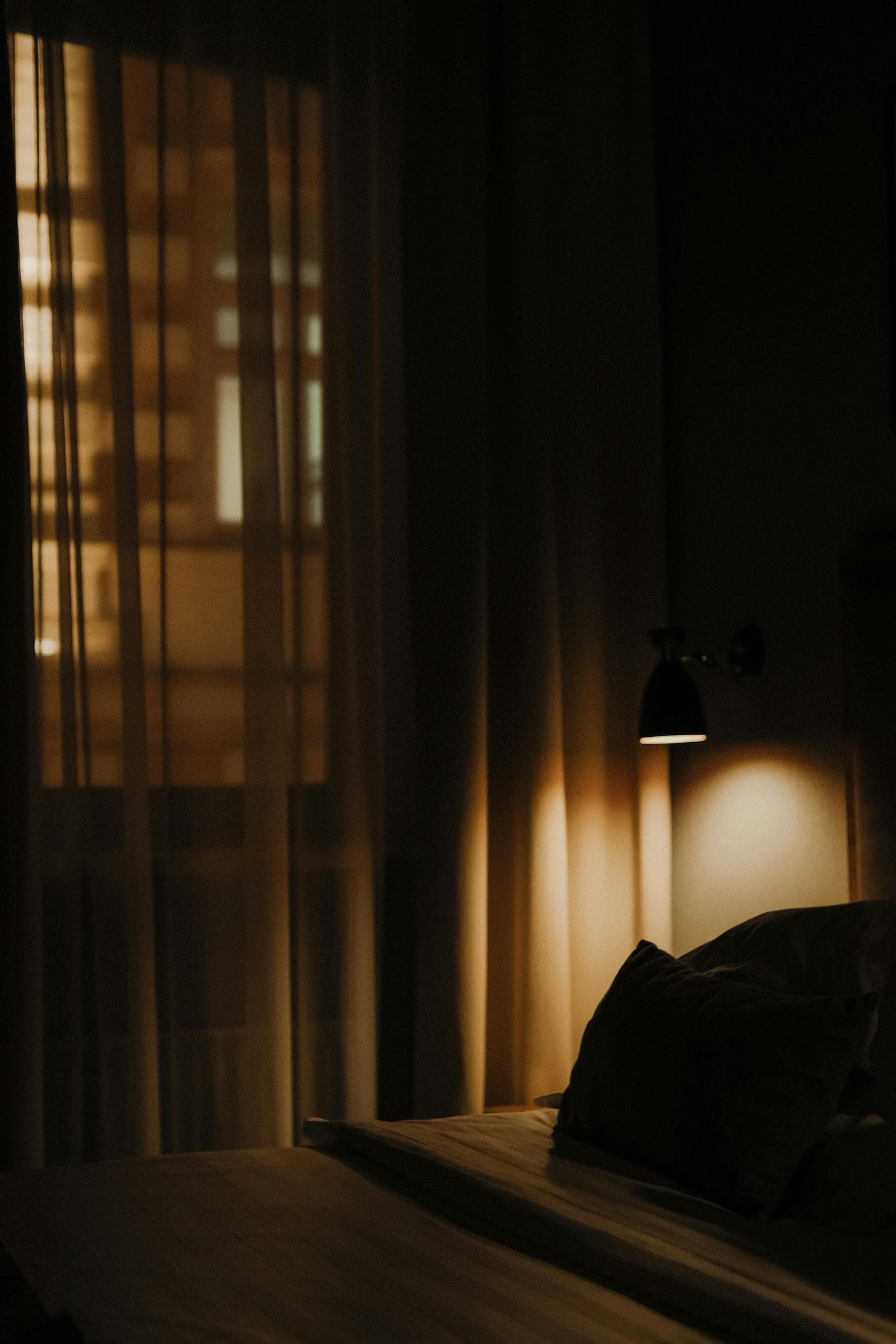
1. 어둠. 완전한 어둠은 멜라토닌 분비를 유발하고, 멜라토닌은 코르티솔에 반대로 작용합니다. 차광 유리, 문 실링, 대기 LED 표시등 제거가 어떤 보충제보다 수면 품질에 큰 영향을 줍니다. TV LED가 빛나는 객실은 그렇지 않은 객실보다 잠들기 실질적으로 어렵습니다.
2. 시원한 온도. 수면 중 심부 체온은 약 0.5~1°C 떨어집니다. 19~21°C로 유지된 객실은 그 하강을 허용하고, 25°C+ 객실은 그것을 억제합니다. 호이안의 기후는 이를 진짜 엔지니어링 문제로 만듭니다 — 좋은 호텔은 단순한 에어컨이 아니라 냉방에 투자합니다.
3. 사운드 프로파일. 무작위의 큰 소음은 코르티솔을 올립니다. 꾸준한 저주파 소음(강, 바다, 팬)은 반대로 작용합니다. 투본 강과 동해(東海)는 마케팅 카피가 아니라 진짜 음향 자산입니다 — 물 쪽으로 향한 객실은 수면 효율성 트래커에서 일관되게 더 좋은 점수를 냅니다.
4. 아침 빛. 아침 코르티솔 각성 반응은 밝은 빛, 이상적으로는 기상 후 첫 한 시간 안에 10,000 lux 이상의 햇빛이 필요합니다. 호이안의 동향 객실은 강과 바다 위로 직접 일출 빛을 받습니다 — 우리는 이것이 어떤 베트남 호텔에서도 가장 과소평가된 웰니스 기능이라고 주장합니다.
5. 마그네슘. 저녁의 마그네슘 글리시네이트 200~400mg은 수면 개시와 깊은 수면 지속 시간 개선에 증거가 있지만, 손님이 직접 챙기는 보충제이지 호텔이 비치할 것은 아닙니다. 일상 루틴의 일부라면 싸고 가지고 다니기 쉽습니다.
6. 마우스 테이프. 2022년 Journal of Clinical Sleep Medicine의 리뷰는 마우스 테이핑이 가벼운 코골이를 약간 감소시켰다고 발견했지만, 더 큰 시험은 광범위한 이익을 확인하지 않았습니다. 일부 사람에게는 작동하고 대부분에게는 그렇지 않습니다. 핵심 스택이 아니라 원하면 시도하라 카테고리에 속합니다.
호이안 기후가 실제로 하는 일
호이안 환경의 두 가지 특징이 객실 내 어떤 개입 전에 무거운 짐을 집니다.
강의 음향. 밤의 투본 강은 일관된 저주파 사운드케이프 — 물, 바람, 가끔의 보트 — 를 만듭니다. 대부분의 수면 트래커 데이터는 이것이 가장 잘 단열된 도시 호텔 객실보다도 깊은 수면에 우월하다고 보여줍니다. 이것을 살 수는 없습니다. 가까이 있을 수만 있습니다.
이 일정으로 여행을 계획 중이신가요? 투본 강가의 조용한 리버사이드 호텔 예약 가능 날짜를 확인하세요. 예약 가능 여부 확인 →
빛 일정. 호이안은 북위 15.88°에 자리합니다. 일출은 연중 약 5:15~6:15 사이, 일몰은 17:30~18:30 사이로 변동합니다. 그 좁은 창은 신체의 서캐디언 단서가 온대 도시보다 더 타이트한 리듬으로 도착한다는 의미입니다. 아침 빛과 저녁 어둠을 모두 존중한 호이안에서의 한 주는 대부분의 여행자가 예상하는 것보다 빠르게 장거리 시차를 리셋합니다.
응에 프라나에서 운영하는 정직한 스택
객실 안: 호텔 차광 표준 차광 커튼(빛 투과율 1% 미만), 20~22°C 냉방 목표, 침대 옆 범위에 대기 LED 없는 조용한 전자기기.
객실 밖: 가능한 경우 강 쪽 향함, 손님에게 제안되는 셧다운 의례(따뜻한 샤워, 허브 차, 서랍 속 휴대폰), 21:30 공용 공간 조명 낮추기, 아침 빛 노출을 위한 6시 태극권 옵션.
스택에 없는 것: 슬립 트래커 기기 없음, 링 대여 없음, 스마트 매트리스 없음, 측정 키트 없음. 오르토솜니아 실패 모드는 진짜이고, 우리는 의도적으로 측정값에 최적화하기를 거부합니다. 수면은 점수 매기는 것이 아니라 부재를 알아차리는 것입니다.
여기서의 한 주가 실제로 하는 일
유럽, 호주, 또는 북미에서 도착하는 손님 대부분에게 처음 두 밤은 환경과 무관하게 시차로 교란됩니다. 셋째에서 다섯째 밤이 보통 측정 가능한 변화를 보입니다. 더 이른 수면 개시, 더 긴 깊은 수면 창, 더 낮은 아침 안정 심박수, 그리고 저녁이 짧고 아침이 길게 느껴진다는 주관적 감각. 이것이 코르티솔 곡선이 모양을 다시 찾는 것입니다.
기적이 아닙니다. 강 위의 조용하고 잘 지어진 객실, 옳은 시간의 옳은 빛, 그리고 9시 이후에는 문자를 보내지 않는 직원입니다.
가장 좋은 슬립 투어리즘 스택은 알아채기를 멈추는 스택입니다. 매트리스에 대해 생각하고 계시다면, 객실이 당신을 방해하고 있는 것입니다.
2026년 베트남에서 수면 우선 호텔을 고르신다면, 예약 전에 물을 가치가 있는 기능들은 이렇습니다: 차광 등급, 객실 온도 제어, 물 근접성, 동향. 그 외 모든 것 — 기기, 트래커, 보충제 키트 — 은 웰니스로 차려입은 소음입니다.
References & Sources
- Global Wellness Institute (2026). Sleep Initiative Trends for 2026. Global Wellness Institute Blog. View source
- Marketplace (American Public Media) (2026). Sleep tourism — it's a thing. Marketplace. View source
- National Geographic (2024). What is sleep tourism and why is it on the rise?. National Geographic Travel. View source
- Naturepedic (2026). 8 Sleep Trends for 2026: Sleepmaxxing, Sleep Tourism & More. Naturepedic Editorial. View source
- Lee SH, et al. (2022). The Effect of Mouth Taping on Snoring — literature review. Journal of Clinical Sleep Medicine. View source
- Fortune Well (2024). Sleep tourism AI-powered beds. Fortune. View source
Continue at Nghê Prana
A Hoi An riverside hotel and wellness spa
Ready to Sleep Better?
Your Best Night
Starts Here
Every room at Nghê Prana is designed around the science of sleep. Blackout curtains, nightly aromatherapy turndown, and riverside quiet — experience what real rest feels like.
View Our Rooms당신의 머무름은 지금 시작됩니다
네 프라나에서 천천히 쉬어가세요
강변 객실, 올드타운까지 자전거로 10분. 후에–다낭 이동 중 하룻밤이든, 일주일간 아무것도 안 하는 일정이든 — 당신의 방은 고요합니다.
무료 취소 · 호텔을 직접 짓고 운영하는 가족에게 바로 예약
웹사이트에서 직접 예약하면 15% 할인
 WhatsApp
 Zalo
Zalo