Lời đáp của Việt Nam cho Heilfasten: Thuốc nam Hội An phản chiếu năm trụ cột Kneipp như thế nào
Kneippkur của Đức và thuốc nam của Việt Nam là hai hệ dưỡng sinh song hành: năm trụ cột tương ứng — nước, dược thảo, vận động, dinh dưỡng, cân bằng — một bên được hệ thống hóa từ thế kỷ 14 qua Tuệ Tĩnh và bộ dược điển 700 cây thuốc của Đỗ Tất Lợi, một bên nằm trong danh mục Di sản văn hóa phi vật thể của Đức được UNESCO ghi nhận từ năm 2015. Cẩm nang cho du khách vùng DACH muốn thực hành năm trụ cột ấy tại Hội An.
Nếu bạn từng trải qua một tuần Kneipp Kur ở Bad Wörishofen, hay hai tuần ở Buchinger Wilhelmi bên hồ Bodensee, thì ngôn ngữ của truyền thống Việt Nam sẽ thân quen đến bất ngờ. Nước ở nhiều mức nhiệt khác nhau. Dược thảo dùng hằng ngày. Vận động chậm rãi, ngoài trời. Bữa ăn lấy thực vật làm trọng tâm, theo lịch gắn với con trăng. Nghỉ ngơi sắp đặt theo mùa. Người Đức gọi đó là Kneipps fünf Säulen — năm trụ cột Kneipp. Ở Hội An, bên dòng Thu Bồn, cũng năm logic ấy đã được thực hành qua nhiều thế kỷ dưới cái tên thuốc nam. Bài viết này dành cho du khách vùng DACH vốn đã hiểu Kur là gì, và đang đặt câu hỏi hiển nhiên tiếp theo: liệu Việt Nam có điều gì tương đương?
Câu trả lời ngắn gọn: không giống hệt, nhưng gần gũi đến lạ. Cả hai truyền thống đều quy chuẩn cùng năm phạm trù. Cả hai đều được nhà nước công nhận — Kneipp nằm trong danh mục Di sản văn hóa phi vật thể của Đức do UNESCO ghi nhận từ năm 2015, còn thuốc nam được Bộ Y tế Việt Nam hệ thống hóa qua Viện Dược liệu. Cả hai đều có bộ kinh điển thế kỷ 20: bên này là các phác đồ Heilfasten của Otto Buchinger, bên kia là bộ dược điển 700 cây thuốc Việt Nam của GS.TS. Đỗ Tất Lợi. Phần tiếp theo là sự song hành lịch sử, bản đối chiếu từng trụ cột, và một ghi chú từ phía người vận hành về cách một kỳ lưu trú nơi đây thực sự sắp xếp các yếu tố ấy.
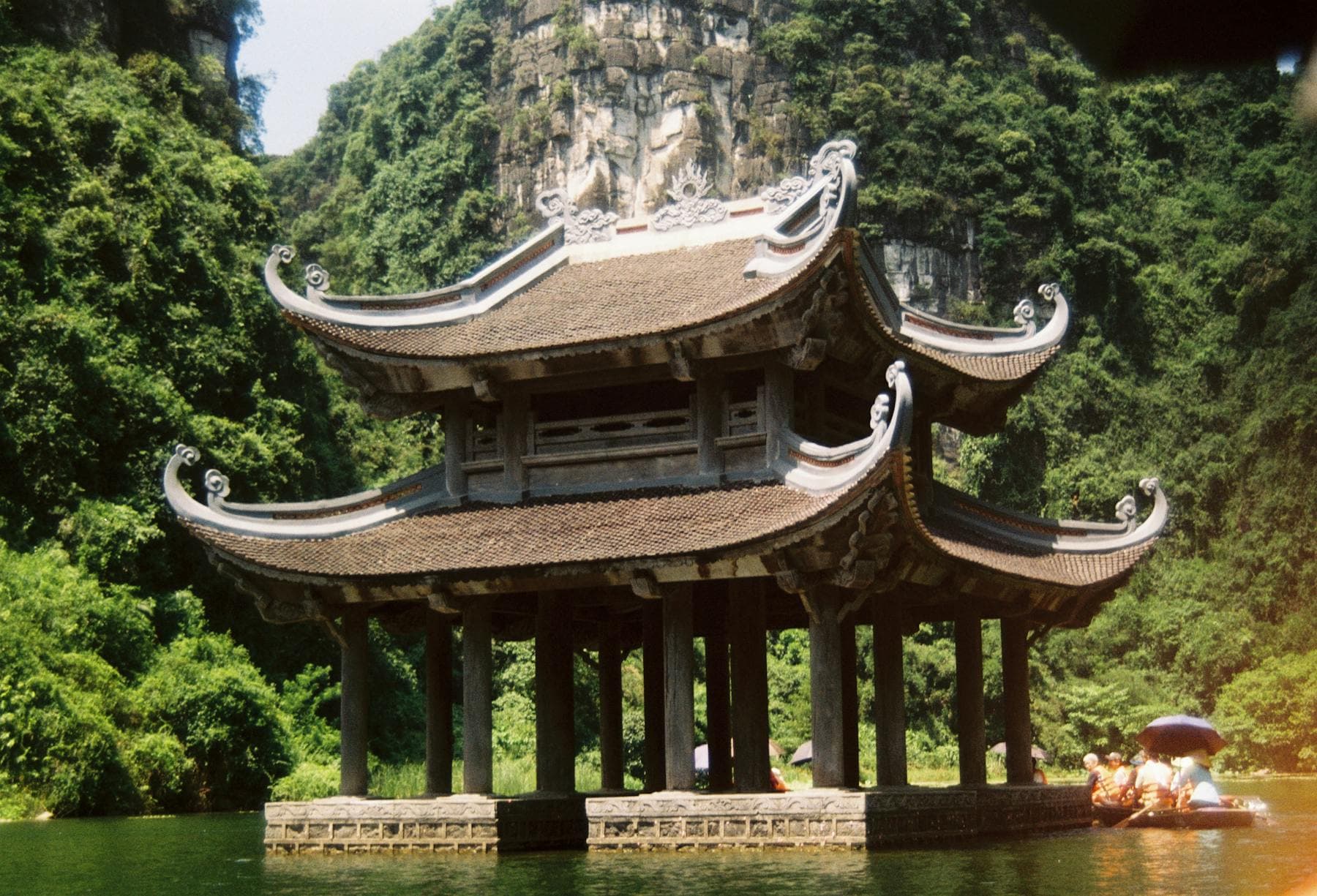
Ảnh: Michael Schlierf / Pexels
Heilfasten là gì, và truyền thống Kur của Đức ra sao?
Heilfasten — nhịn ăn trị liệu — là hậu duệ lâm sàng hiện đại của hai truyền thống Đức lâu đời hơn. Thứ nhất là Kneippkur, do linh mục người Bavaria Sebastian Kneipp (1821–1897) phát triển tại Bad Wörishofen. Phương pháp của Kneipp cuối cùng được quy chuẩn thành năm Säulen (trụ cột): Wassertherapie (thủy liệu pháp), Phytotherapie (dược thảo liệu pháp), Bewegungstherapie (vận động liệu pháp), Ernährungstherapie (dinh dưỡng liệu pháp) và Lebensordnung (trật tự sống, hay sự cân bằng). Năm 2015, UNESCO đưa phương pháp Kneipp vào danh mục Di sản văn hóa phi vật thể quốc gia của Đức — một trong số ít những thực hành dưỡng sinh châu Âu đạt được vị thế đó. Kneipp-Bund, thành lập năm 1897, vẫn là cơ quan tổ chức trung tâm.
Truyền thống thứ hai là phác đồ nhịn ăn lâm sàng của Otto Buchinger (1878–1966), phát triển từ năm 1935 trở đi. Phòng khám Buchinger Wilhelmi tại Überlingen bên hồ Bodensee, khai trương năm 1953, là điểm tham chiếu kinh điển: khoảng 250 kilocalo mỗi ngày từ nước hầm rau củ và nước ép trái cây, có giám sát, kéo dài năm đến hai mươi mốt ngày. Ngoài hai dòng truyền thống ấy còn có khung Naturheilkunde (y học tự nhiên) rộng hơn của Deutsche Gesellschaft für Naturheilkunde — về cơ bản là cùng năm phạm trù Kneipp dưới một cái tên khác — và Deutscher Heilbäderverband, hiệp hội các thị trấn nghỉ dưỡng đại diện cho hơn 350 điểm đến Kurort được liên bang chứng nhận trên khắp nước Đức.
Điều xâu chuỗi tất cả những điều này là một niềm xác tín rất Đức: rằng nước, dược thảo, vận động, dinh dưỡng và sự nghỉ ngơi có trật tự không phải là những thú vui riêng lẻ mà là một hệ thống tích hợp duy nhất, đáng để thực hành theo lịch ba tuần tại một địa điểm được công nhận với đội ngũ được đào tạo. Đó là tiền đề văn hóa. Và với một người đọc Việt Nam, đó cũng là một tiền đề vô cùng quen thuộc.
Vì sao Việt Nam có một truyền thống song hành?
Phiên bản Việt Nam cổ xưa hơn và được hệ thống hóa theo cách khác. Vào thế kỷ 14, vị thiền sư kiêm y gia Tuệ Tĩnh — được giới học thuật Việt Nam hiện đại tôn xưng là ông tổ thuốc nam — đã đặt ra câu châm ngôn đến nay vẫn là điểm tựa của ngành: "Nam dược trị Nam nhân" ("Thuốc Nam chữa người Nam"). Chính tờ Báo Sức khỏe & Đời sống của Bộ Y tế khắc họa Tuệ Tĩnh là người khai mở truyền thống này.
Bộ kinh điển hiện đại là *cuốn Những cây thuốc và vị thuốc Việt Nam của Đỗ Tất Lợi*, nay đã ở lần tái bản thứ 14 (NXB Y học, Hà Nội, 2004). Sách ghi lại khoảng 700 cây thuốc cùng tên khoa học, cách bào chế và công dụng. Đỗ Tất Lợi được trao Giải thưởng Hồ Chí Minh năm 1996; năm 1983, cuốn sách được bình chọn là một trong bảy "viên ngọc quý" tại Hội chợ Sách quốc tế Moskva. Danh mục cấp nhà nước do Viện Dược liệu — Viện Dược liệu Quốc gia trực thuộc Bộ Y tế — nắm giữ, với cuốn Danh lục cây thuốc Việt Nam năm 2016 là danh mục quốc gia chính thức.
Công tác nghiên cứu dược lý vẫn tiếp diễn. Tạp chí Y học Việt Nam đã công bố những nghiên cứu bình duyệt gần đây về việc chiết xuất curcumin từ Curcuma longa (nghệ vàng) và chứng minh khả năng ức chế α-glucosidase. Học viện Y Dược học cổ truyền Việt Nam — cũng trực thuộc Bộ Y tế — xuất bản Tạp chí Y Dược cổ truyền Việt Nam được bình duyệt (ISSN 2354-1334).
Như Tuệ Tĩnh đã viết từ thế kỷ 14: "Nam dược trị Nam nhân" ("Thuốc Nam chữa người Nam"). Sáu trăm năm sau, sự tương đồng về cấu trúc với khung nước–dược thảo–vận động–dinh dưỡng–cân bằng của Kneipp thật đáng kinh ngạc — không phải vì truyền thống này vay mượn từ truyền thống kia, mà vì hai nền văn hóa định cư lâu đời, làm việc độc lập trên cùng một cơ thể con người trong cùng một dải khí hậu rộng của miền sông nước rừng rậm, đã cùng hội tụ về một danh sách tương tự.
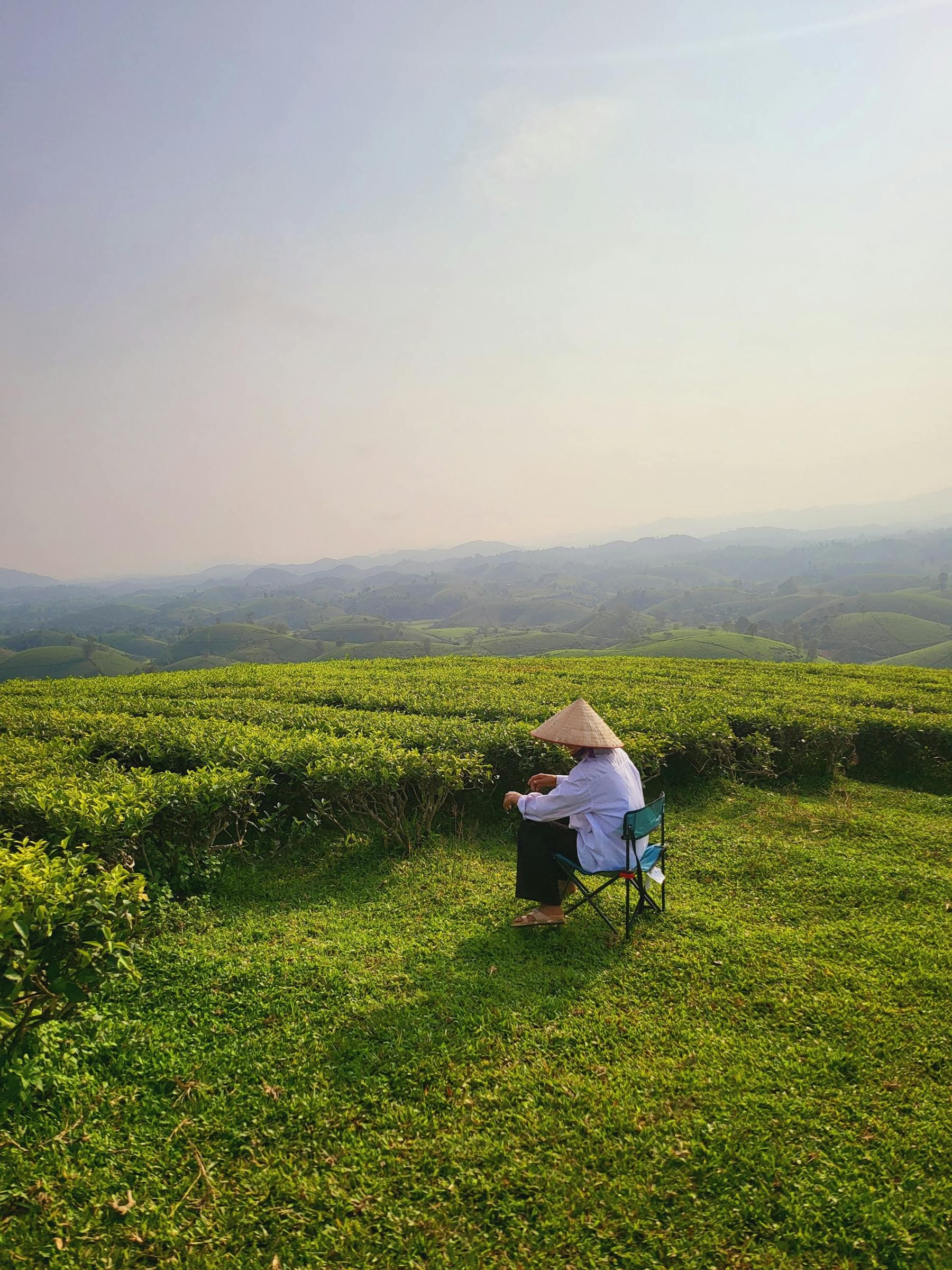
Ảnh: www.kaboompics.com / Pexels
Năm trụ cột Kneipp đối chiếu với thuốc nam như thế nào?
Bảng: Ban biên tập Nghe Prana — Nguồn: Kneipp-Bund; Đỗ Tất Lợi 2004; Viện Dược liệu — Bộ Y tế, 2016
Wassertherapie ↔ Tắm thuốc và Xông hơi. Kneipp xây dựng tên tuổi nhờ những lần ngâm tay nước lạnh, dội đầu gối và lội nước — nước ở nhiều mức nhiệt khác nhau dùng để điều hòa tuần hoàn, giấc ngủ và làn da. Đối ứng của Việt Nam có hai vế: tắm thuốc và xông hơi, đều được thực hành tại nhà lẫn ở các nhà tắm hơi khắp miền Trung. Những vị thảo dược cốt lõi là sả (Cymbopogon), ngải cứu (Artemisia vulgaris), tía tô (Perilla frutescens), gừng (Zingiber officinale) và lá bưởi. Về mặt chức năng, một buổi xông hơi gần gũi như anh em ruột với Kräuterdampfbad (tắm hơi thảo dược) của Đức.
Phytotherapie ↔ Thuốc nam. Đây là cặp đối ứng một-một sát nhất. Phytotherapie của Kneipp là y học từ thực vật phục vụ dưỡng sinh hằng ngày, chứ không chỉ để trị bệnh cấp; thuốc nam chính xác là như vậy, được ghi danh trong bộ dược điển 700 mục của Đỗ Tất Lợi. Nhiều loại cây dùng thường nhật trùng khớp trực tiếp: gừng, nghệ, các loại tương tự cúc La Mã, tương tự tía tô đất, bạc hà, tía tô.
Đang lên kế hoạch cho chuyến đi? Xem ngày trống tại khách sạn yên tĩnh bên sông Thu Bồn của chúng tôi. Kiểm tra phòng trống →
Bewegungstherapie ↔ Vận động chậm rãi hằng ngày bên sông. Kneipp luôn nhấn mạnh việc vận động ngoài trời mỗi ngày ở nhịp độ thong thả như đang trò chuyện. Tương ứng ở Hội An là giờ sớm mai bên dòng Thu Bồn — ngư dân kéo lưới, người dân tản bộ, những bài tập gần với thái cực quyền ở công viên An Hội, và những làn xe đạp êm ả xuyên qua Cẩm Nam cùng các phường ruộng lúa quanh đó. Cường độ thấp, đều đặn, ngoài trời, mang tính cộng đồng.
Ernährungstherapie ↔ Ăn chay và canh dược thảo.Ernährungstherapie của Kneipp lấy thực vật làm trọng tâm và có tính chống viêm. Tục ăn chay của Phật giáo Việt Nam được phật tử tại gia thực hành vào mùng 1 và rằm hằng tháng theo lịch âm — một nhịp ăn chay có cấu trúc, theo lịch, hai ngày trong mỗi mười lăm ngày. Ngoài ra, gian bếp thường nhật còn dựa nhiều vào các loại canh thảo dược và rau đắng, vốn ánh xạ vào cùng một logic dinh dưỡng.
Lebensordnung ↔ Sống theo tuần trăng. Đây là trụ cột tinh tế nhất. Lebensordnung của Kneipp — trật tự sống — là kỷ luật về giấc ngủ, sự cân bằng làm việc–nghỉ ngơi và sự thấu cảm với mùa màng. Đối ứng Việt Nam là thực hành sống động của việc sắp đặt đời sống theo lịch âm: lễ hội, những ngày ăn chay, sum họp gia đình, con nước đánh bắt, và chuyến lên chùa hằng tháng. Cả hai hệ thống đều nói cùng một điều: nghỉ ngơi phải có nhịp điệu, chứ không thể tùy hứng.
Ảnh: Lê Đức Khánh / Pexels
Du khách vùng DACH có thể trải nghiệm điều này ở đâu tại Hội An?
Hội An là nơi dàn dựng tự nhiên cho một kỳ lưu trú kiểu này. Đây là đô thị Di sản Thế giới UNESCO nằm bên dòng sông chậm rãi, cách Biển Đông hai mươi phút, với một nền văn hóa nấu chay lâu đời (Phố cổ đã có những quán chay Phật giáo qua nhiều thế hệ), thuận tiện cho việc đạp xe, tản bộ ven sông, và một mạng lưới các spa nhỏ vẫn hành nghề tắm thuốc và xông hơi. Hội An không phải là một Kurort theo nghĩa của liên bang Đức — không có chứng nhận DHV, không được bảo hiểm chi trả, không có hội đồng y khoa. Nhưng tất cả nguyên liệu thô của khuôn mẫu Kneipp đều đã sẵn nơi đây.
Từ chính khách sạn ven sông của chúng tôi bên dòng Thu Bồn, một ngày điển hình thiên về dưỡng sinh dành cho khách nói tiếng Đức sắp xếp năm yếu tố như sau. Sáng sớm: một vòng đạp xe hay tản bộ chậm rãi dọc bờ Cẩm Nam — Bewegung. Giữa buổi sáng: một buổi xông hơi với sả, ngải cứu và gừng — Wasser + Phyto, chính là Kräuterdampfbad của Đức trong hình hài Việt Nam. Buổi trưa: một bữa ăn thiên về thực vật xoay quanh canh thảo dược và rau đắng; vào mùng 1 và rằm, gian bếp chuyển hẳn sang ăn chay — Ernährung. Cuối buổi chiều: một lần tắm thuốc, rồi những giờ tĩnh lặng bên sông. Buổi tối: lên chùa hoặc đơn giản là ngồi nghỉ — Lebensordnung.
Điều chúng tôi cố ý không làm là chào mời Heilfasten như một phác đồ y tế. Chúng tôi là một khách sạn ven sông, không phải một Kurort, và Việt Nam không phải là nơi để thử nhịn ăn trị liệu có giám sát ở liều lâm sàng. Điều chúng tôi mang đến là phần đối ứng về văn hóa và lối sống: cùng năm yếu tố ấy, được sắp xếp qua nhiều ngày, trong một khí hậu và cảnh quan khiến việc vận động chậm rãi và xông hơi thảo dược thật sự dễ chịu quanh năm. Cách định khung trung thực là dưỡng sinh theo lối sống song hành, chứ không phải điều trị y khoa tương đương.
Một kỳ lưu trú thực sự diễn ra ra sao?
Độ dài hữu ích là năm đến mười đêm — đủ dài để nhịp điệu lắng lại, đủ ngắn để vừa với một kỳ nghỉ tiêu chuẩn của vùng DACH. Những thành phần khách có thể lên kế hoạch: vận động buổi sáng hằng ngày bên sông (miễn phí, tự thực hiện, phần còn lại để thành phố lo); các buổi xông hơi và tắm thuốc được sắp xếp qua quầy lễ tân của chúng tôi với một spa đối tác địa phương (tên spa đối tác cụ thể và giá mỗi buổi hiện hành sẽ do phía vận hành xác nhận); các lựa chọn thực đơn thiên về thực vật với món chay/thuần chay mỗi ngày và một thực đơn ăn chay đầy đủ vào mùng 1 và rằm (danh sách món cụ thể sẽ xác nhận với gian bếp); cùng các chuyến tham quan nửa ngày tùy chọn đến một vườn rau ở Trà Quế và một chuyến lên chùa. Tại thời điểm viết bài, chúng tôi không quảng bá một "gói dưỡng sinh" nhiều ngày cố định với một mức giá duy nhất — cấu trúc được thiết kế theo kiểu gọi món, để khách có thể tăng hoặc giảm cường độ. Giá gói nhiều ngày và bất kỳ khối lưu trú kiểu Kur theo mùa nào: phía vận hành sẽ kiểm chứng trước khi công bố.
Dành riêng cho khách vùng DACH, hai lưu ý thực tế. Thứ nhất, về ngôn ngữ: quầy lễ tân và đội ngũ dịch vụ nòng cốt của chúng tôi làm việc bằng tiếng Anh; hỗ trợ bằng văn bản tiếng Đức có thể cung cấp qua email trước khi đến, theo yêu cầu. Thứ hai, về lịch: nếu yếu tố nhịp con trăng quan trọng với bạn, hãy canh kỳ lưu trú sao cho ôm trọn mùng 1 hoặc rằm — đó là lúc các gian bếp chay của phố nhộn nhịp nhất và những chuyến lên chùa rơi đúng vào ngày tự nhiên của chúng.
Lời mời sâu xa hơn thật giản đơn. Truyền thống Kneipp của Đức là một trong số ít dòng dưỡng sinh châu Âu có vị thế di sản UNESCO chính thức. Thuốc nam của Việt Nam là một trong số ít truyền thống châu Á có một bộ dược điển được hệ thống hóa tương đương và một viện nhà nước đang hoạt động đứng sau. Dành một tuần thực hành cùng năm trụ cột ấy trong một khí hậu khác, với một vương quốc thực vật khác và một nhịp sống thường nhật khác, không phải là một kỳ nghỉ rời khỏi ý niệm Kur — nó chính là ý niệm Kur, trong một ngôn ngữ thứ hai.
Về bài viết này. Tổng hợp từ các nguồn tham chiếu về truyền thống Đức (Kneipp-Bund; ghi danh Immaterielles Kulturerbe của UNESCO năm 2015; Buchinger Wilhelmi; Deutscher Heilbäderverband) và các nguồn nguyên bản Việt Nam (Báo Sức khỏe & Đời sống — Bộ Y tế 2022 về Tuệ Tĩnh; Đỗ Tất Lợi 2004; Viện Dược liệu 2016; Tạp chí Y học Việt Nam; Học viện Y Dược học cổ truyền Việt Nam). Phần ghi nhận trực tiếp từ phía khách sạn dựa trên nếp dưỡng sinh hằng ngày của chúng tôi bên dòng Thu Bồn.
Sebastian Kneipp; Kneipp-Bund e.V. (2015). Kneipp method — five pillars (Wassertherapie, Phytotherapie, Bewegungstherapie, Ernährungstherapie, Lebensordnung); inscribed on Germany's UNESCO Intangible Cultural Heritage list, 2015. Kneipp-Bund / UNESCO Immaterielles Kulturerbe in Deutschland.
Otto Buchinger; Buchinger Wilhelmi Klinik (1953). Heilfasten — clinical therapeutic fasting protocol (developed from 1935); Buchinger Wilhelmi Klinik Überlingen, Bodensee, founded 1953. Buchinger Wilhelmi / Deutsche Naturheilkunde-Literatur.
Deutscher Heilbäderverband (DHV) (1939). Staatlich anerkannte Kurorte in Deutschland — federal Kurort certification framework covering 350+ destinations. Deutscher Heilbäderverband.
Báo Sức khỏe & Đời sống (Bộ Y tế) (2022). Người được mệnh danh là ông tổ thuốc nam và mở đầu cho nền y dược cổ truyền của Việt Nam (Tuệ Tĩnh, 14th century). Báo Sức khỏe & Đời sống — cơ quan ngôn luận của Bộ Y tế. View source
GS.TS. Đỗ Tất Lợi (2004). Những cây thuốc và vị thuốc Việt Nam (14th ed.) — 700-entry Vietnamese pharmacopeia; Hồ Chí Minh Prize 1996. NXB Y học, Hà Nội.
Viện Dược liệu (National Institute of Medicinal Materials, Bộ Y tế) (2016). Danh lục cây thuốc Việt Nam — official national catalogue of medicinal plants of Vietnam. Viện Dược liệu — Bộ Y tế. View source
Tạp chí Y học Việt Nam (2024). Isolation of curcumin from Curcuma longa (nghệ vàng) and α-glucosidase inhibition — peer-reviewed pharmacological study. Tạp chí Y học Việt Nam (Vietnam Medical Journal). View source
Học viện Y Dược học cổ truyền Việt Nam (Bộ Y tế) (2024). Tạp chí Y Dược cổ truyền Việt Nam (ISSN 2354-1334) — peer-reviewed journal of the Vietnamese Academy of Traditional Medicine and Pharmacy. Tạp chí Y Dược cổ truyền Việt Nam / VJOL. View source
Every room at Nghê Prana is designed around the science of sleep. Blackout curtains, nightly aromatherapy turndown, and riverside quiet — experience what real rest feels like.
Phòng bên sông, mười phút đạp xe ra phố cổ. Dù là một đêm dừng chân giữa Huế và Đà Nẵng, hay cả tuần thả mình không lịch trình — phòng của bạn vẫn yên tĩnh.
Miễn phí huỷ · Đặt trực tiếp với gia đình điều hành khách sạn


 WhatsApp
 Zalo
Zalo