Hội Ans Altstadt: Der vollständige Leitfaden eines Einheimischen (Tickets, Öffnungszeiten, Rundgang 2026)
Die Altstadt von Hội An ist ein UNESCO-Welterbe — ein im 17. Jahrhundert eingefrorener Handelshafen mit 1.107 Holz- und Ziegel-Häusern auf vier Häuserblöcken, in zwei Stunden begehbar.
Die Altstadt von Hội An liegt am Nordufer des Thu Bồn in Zentralvietnam, auf halber Strecke zwischen Đà Nẵng und der alten Kaiserstadt Huế. Vom 15. bis ins 19. Jahrhundert war sie der geschäftigste internationale Hafen Südostasiens — ein Ort, an dem japanische Seeleute, Kaufleute aus Fujian, portugiesische Jesuiten und Händler der niederländischen Ostindien-Kompanie ihre Lagerhäuser binnen weniger hundert Meter voneinander hielten. Als der Thu Bồn im 19. Jahrhundert versandete und der Handel nach Norden nach Đà Nẵng abwanderte, hielt Hội An schlicht inne. Die Stadt industrialisierte nie, wurde in den Kriegen des 20. Jahrhunderts nie bombardiert und ihr Altstadtviertel nie zugunsten von Beton abgerissen. Was Sie heute durchschreiten, ist der tatsächliche Hafen — er steht noch, er wird noch bewohnt.
Die UNESCO schrieb Hội Ans Altstadt 1999 als Welterbe ein, mit der Begründung, sie sei „ein außergewöhnlich gut erhaltenes Beispiel eines südostasiatischen Handelshafens vom 15. bis 19. Jahrhundert". Die Schutzzone umfasst rund 30 Hektar und enthält 1.107 erfasste Welterbe-Bauten — chinesische Versammlungshallen, Kaufmannshäuser, Familientempel, Gemeinschaftspagoden, eine japanische überdachte Brücke und das Flussufer. Fast alle gehören noch immer den Nachkommen der ursprünglichen Familien.
Wie das Ticketsystem funktioniert (und was es Ihnen wirklich bringt)
Eine Standard-Eintrittskarte für die Altstadt kostet ausländische Gäste Anfang 2026 120.000 VND (rund 5 USD), für Vietnamesen 80.000 VND. Sie kaufen sie an einem der acht Schalter rund um das Welterbeviertel — am einfachsten an der Ecke Trần Phú und Hoàng Diệu sowie am Eingang zur Japanischen Brücke von der Nguyễn Thị Minh Khai. Das Ticket ist 24 Stunden gültig und wird am Eingang der Welterbe-Stätten kontrolliert, nicht am Rand der Stadt. Sie können die Straßen begehen, essen, einkaufen und fotografieren, ohne ein Ticket zu haben — nötig wird es erst, wenn Sie ein ausgewiesenes Welterbe-Gebäude betreten.
Jedes Ticket gibt Ihnen fünf Eintritte aus einer Liste von 22 Welterbe-Stätten in vier Gruppen: Museen (4), Versammlungshallen (4), alte Häuser (5) sowie traditionelle Aufführungsorte plus die Japanische Brücke. Der Mitarbeiter am Schalter markiert Ihre Wahl auf einer kleinen Papierkarte. Die meisten Gäste verbrauchen ihre fünf Eintritte in der ersten Stunde, ohne zu bemerken, dass sie nicht aufstocken können — also bewusst wählen.
Wenn die Zeit nur für drei der 22 reicht: das Tấn-Ký-Haus (das am besten erhaltene Kaufmannshaus, 1741), die Versammlungshalle Phúc Kiến (das eindrucksvollste Innere) und die Japanische Brücke (das Wahrzeichen der Stadt, abgebildet auf jedem 20.000-Đồng-Schein in Ihrer Geldbörse).
Die fünf Welterbe-Häuser, die das Ticket wert sind
Das Tấn-Ký-Haus in der Nguyễn Thái Học ist das architektonisch vollständigste Kaufmannshaus der Altstadt. 1741 erbaut und seit sieben Generationen in derselben Familie, zeigt es den charakteristischen Hội-An-Mischstil: vietnamesische Ziegeldächer, chinesisch geschnitzte Balken, japanische Deckenwölbungen in Form von Krebspanzern. Die Rückseite öffnet direkt zum Thu Bồn — hier wurden Waren ins Familienlager entladen. Hochwassermarken aus dem jährlichen Hochwasser sind seit 1964 in die Rückwand eingetragen.
Das Phùng-Hưng-Haus liegt neben der Japanischen Brücke auf der Westseite. Erbaut 1780, ist es eines der wenigen Häuser der Stadt mit einem Obergeschoss (die Bauordnung von Hội An begrenzte Häuser historisch auf zwei Stockwerke, um die Brücke nicht zu überragen). Die Klappe im Boden des oberen Stocks diente bei Hochwasser zum Hochziehen des Hausrats — sie wird im Oktober jedes Jahres noch genutzt.
Das Quân-Thắng-Haus in der Trần Phú ist kleiner und stiller, mit der dichtesten Holzschnitzerei aller Kaufmannshäuser. Um 1700 von einem chinesischen Kapitän aus Fujian erbaut; jeder Balken, jedes Türblatt, jeder Altaraufbau zeigt Pfirsichblüten, Phönixe und die Acht Unsterblichen. Zwanzig Minuten dort lehren mehr über die Symbolik chinesisch-vietnamesischer Holzhandwerks als eine Stunde in jedem Museum.
Das Đức-An-Haus in der Trần Phú, seit acht Generationen in derselben Familie, war im 19. Jahrhundert eine Apotheke und später ein Treffpunkt des vietnamesischen Widerstands. Der heutige Eigentümer — ein Ururenkel des Gründers — sitzt meist am Empfang und erzählt die Familiengeschichten in langsamem, sorgfältigem Englisch.
Der Familientempel der Trần in der Lê Lợi ist genau genommen kein Haus, sondern ein privater Ahnentempel. 1802 von einem vietnamesischen Mandarin erbaut, ist er das einzige Welterbe-Gebäude mit einem dreifachen Tor (Männer rechts, Frauen links, die Ahnen durch die Mitte — sonst geschlossen). Der innere Altar bewahrt 200 Jahre Familienaufzeichnungen.
Die vier Versammlungshallen
Die vier chinesischen Versammlungshallen — Phúc Kiến, Quảng Triệu, Hải Nam, Triều Châu — wurden zwischen 1690 und 1851 von den südchinesischen Handelsgemeinschaften als Gemeindezentren und Schutztempel errichtet. Die Hội Quán Phúc Kiến in der Trần Phú ist die optisch überwältigendste: ein dreitoriges Eingangsportal in Korallenrosa, ein Hof voller Drachenrücken-Bonsai und ein Heiligtum der Thiên Hậu, der Schutzpatronin der Seefahrer. Hinter ihr stehen zwei Helfer — einer mit Augen, die Schiffe in 1.000 Meilen Entfernung in Not erkennen, einer mit Ohren, die das Gebet der Seeleute über dieselbe Distanz hören. Die meisten Holzsäulen kamen im 18. Jahrhundert als Ballast auf Fujianer Handelsdschunken.
Die Hội Quán Quảng Triệu liegt eine halbe Häuserzeile östlich, kleiner, dem General Quan Công geweiht, dem Schutzpatron der Kaufleute und Gelehrten. Die Hallen Hải Nam und Triều Châu sind ruhiger und selten überfüllt — sehenswert, wenn Ihr Ticket das hergibt.
Die Japanische Brücke (Chùa Cầu)
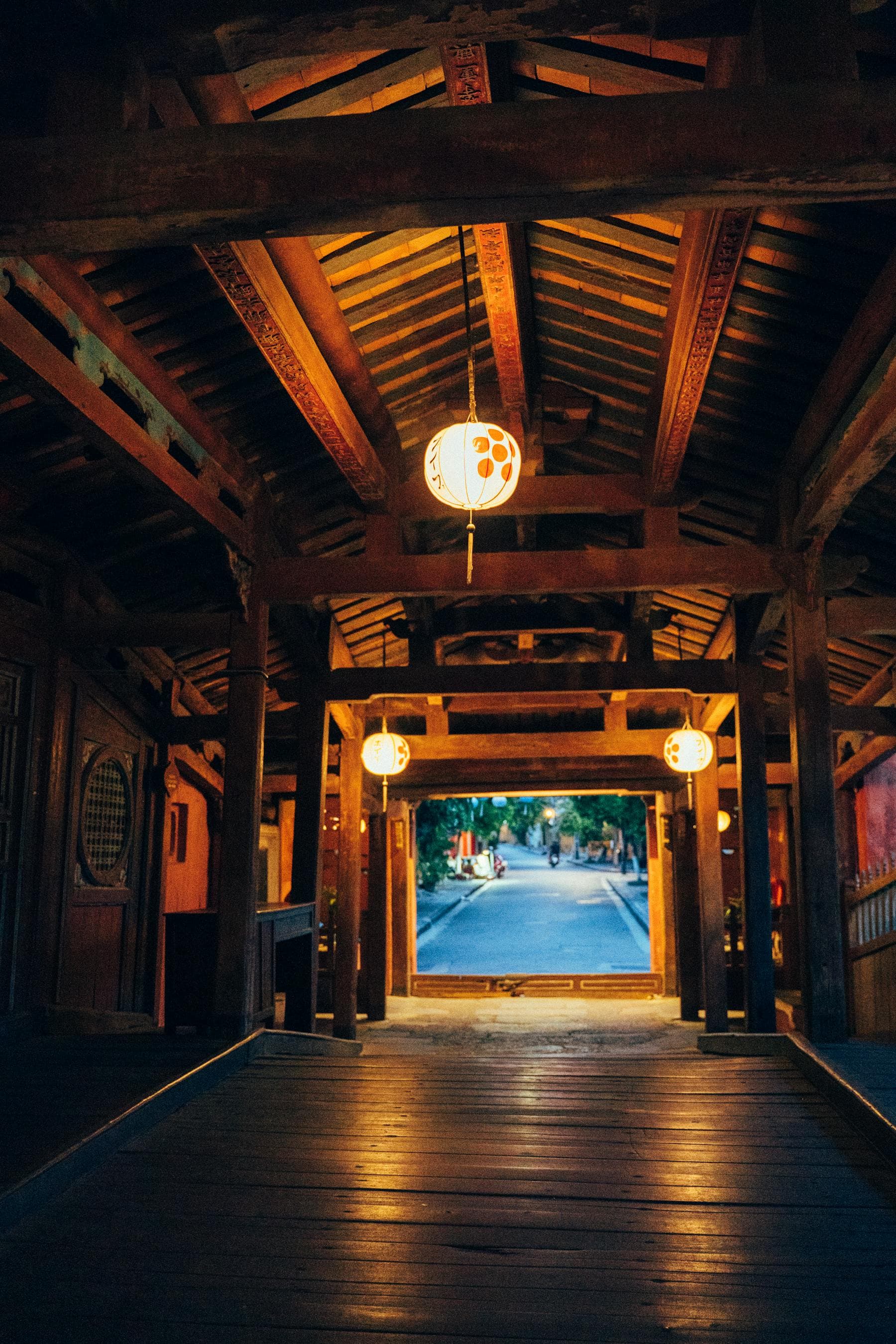
Jeder Gast in Hội An überquert irgendwann die Japanische Brücke — die kleine Holzbrücke mit dem Ziegeldach und dem Tempel im Inneren, die das alte japanische Viertel im Osten mit dem alten chinesischen im Westen verbindet. Sie wurde um 1593 von der japanischen Handelsgemeinschaft errichtet, deren Lager am Ostufer standen. Im Inneren liegt ein winziger Tempel für Bắc Đế Trấn Vũ, eine taoistische Wettergottheit — der Volksglaube hielt fest, dass sein Wirken den Rücken eines riesigen Erddrachens (dessen Kopf in Indien und dessen Schwanz in Japan lag) ruhig hielt und Erdbeben verhinderte. Die Brücke ist auf dem 20.000-Đồng-Schein und auf dem Umschlag jedes Vietnam-Reiseführers seit 1990.
Die Brücke wurde im August 2024 nach einer zweijährigen Restaurierung über 20 Mrd. VND wiedereröffnet, bei der morsche Bodenbretter ersetzt, das Dach neu gedeckt und die Pfeilerfundamente stabilisiert wurden. Die Einheimischen waren über den neuen gelblich-cremefarbenen Anstrich geteilter Meinung; Gäste bemerken ihn meist nicht. Das Überqueren ist gratis, sofern Sie den Innentempel nicht betreten; der Tempel zählt als einer Ihrer fünf Eintritte.
Wann die Altstadt zu gehen ist
Die Stadt hat im Tagesverlauf drei deutliche Rhythmen. Von 6 bis 8 Uhr gehört sie den Bewohnern — der Bánh-Mì-Karren in der Trần Phú öffnet 6:30, Fischer löschen den Nachtfang am Pier hinter der Bạch Đằng, die Welterbe-Häuser öffnen die Türen, um zu lüften. Fast keine Gäste. Das einzige Fenster, in dem die Japanische Brücke ohne Menschen im Bild zu fotografieren ist.
Von 9 bis 16 Uhr ist die Stadt am vollsten. Reisebusse setzen an der Trần Phú ab, Tagesgäste aus Đà Nẵng fluten die Hauptstraßen, und am unbeschatteten Südufer des Thu Bồn klettern die Temperaturen zwischen April und August in die Mitte der 30 °C. Wer die Welterbe-Häuser besichtigt, tut es jetzt — sie sind alle geöffnet, die Familienpfleger anwesend, und der Schatten im Inneren ist willkommen.
Planen Sie Ihre Reise? Prüfen Sie die Verfügbarkeit in unserem ruhigen Hotel am Thu-Bồn-Fluss. Verfügbarkeit prüfen →
Ab 16:30 Uhr fahren die Tagesgäste nach Đà Nẵng zurück und die Stadt wird weicher. Im Winter gehen die Lampions gegen 17:45 Uhr an, im Sommer gegen 18:30. Von Sonnenuntergang bis etwa 21:30 verwandeln sich die zentralen Fußgängerstraßen — Bạch Đằng, Nguyễn Thái Học, Trần Phú — in eine langsame, lampionerleuchtete Promenade ohne Motorverkehr. Am Wasser bieten kleine Boote Lampion-Opfergaben an (20.000 VND für drei Papier-Schwimmkerzen, die in den Fluss gleiten). Das ist das Hội An auf jeder Postkarte und in jeder Reise-Reel.
Das Lampion-Fenster, das die meisten Fotografen verpassen: Stehen Sie auf der Fußbrücke Cầu An Hội (die moderne Brücke, nicht die japanische), Blickrichtung Osten, etwa zehn Minuten vor voller Dunkelheit. Die Lampions beider Ufer spiegeln sich, während der Himmel noch tiefblau ist — ein Fenster von etwa sechs Minuten pro Abend.
Ein zweistündiger Rundgang durch die Altstadt
Beginn an der Ecke Hoàng Diệu/Phan Chu Trinh, am Ostrand des Welterbeviertels. Westwärts auf der Phan Chu Trinh, am kleinen Tagesmarkt rechts vorbei (gut für vietnamesischen Kaffee, 25.000 VND, im Stehen). Links in die Lê Lợi und der Trần-Familientempel. Weiter südlich auf der Lê Lợi bis zur Trần Phú — der Welterbe-Hauptachse — und nach Westen, mit Halt an der Versammlungshalle Phúc Kiến und am Quân-Thắng-Haus. Am Ende der Trần Phú die Japanische Brücke; sie überqueren, dreißig Meter in die Gasse jenseits gehen, um den älteren Maßstab des japanischen Viertels zu spüren, dann zurück.
Von der Brücke einen Block südlich auf die Nguyễn Thái Học, die optisch dichteste Straße der Stadt. Das Tấn-Ký-Haus besichtigen. Weiter ostwärts bis zur Bạch Đằng am Fluss. Auf der Bạch Đằng am Wasser entlang nach Osten — Boote, Lampions, der kleine Tempel für die Flussgeister — bis zur Fußbrücke Cầu An Hội. Damit haben Sie ein Rechteck von rund 1,6 Kilometern beschrieben und die vier wichtigsten Stätten gesehen.
Was Einheimische essen (und wo)
Drei Gerichte wurden in der Altstadt erfunden und werden noch heute in fünf Häuserblöcken am besten gemacht. Cao Lầu — dicke, bissfeste Nudeln, angeblich nur dann authentisch, wenn das Wasser aus einem bestimmten Brunnen stammt: dem Bá-Lễ-Brunnen in einer Gasse abseits der Trần Hưng Đạo. Die traditionelle Variante kommt mit Schwein, knusprigen Croutons und heimischem Grün; mittags im Quán Thanh in der Hai Bà Trưng. Weiße-Rose-Teigtaschen (bánh bao bánh vạc) sind durchsichtige Garnelen-Schwein-Päckchen mit gebratenem Knoblauch; eine Familie in der Hai Bà Trưng hält das Rezept und beliefert seit 1950 jedes Lokal der Stadt. Bánh Mì Phượng in der Phan Chu Trinh ist das Brötchenlokal, das Anthony Bourdain 2009 berühmt machte — noch immer ausgezeichnet, noch 30.000 VND, mittags 20 Minuten Schlange. Bánh Mì Madam Khánh („die Bánh-Mì-Königin") zwei Blocks nördlich hat kürzere Schlangen und gilt vielen als das bessere Sandwich.
Praktische Hinweise für 2026
Die Altstadt ist von 9 bis 11 Uhr und von 15 bis 21:30 Uhr vollständig Fußgängerzone — außerhalb dieser Fenster fahren Mopeds. Die Welterbe-Häuser öffnen meist von 8 bis 17:30 Uhr, die Versammlungshallen von 7 bis 17 Uhr, die Japanische Brücke bis etwa 21 Uhr. In der Welterbezone gibt es keine öffentlichen Toiletten; die nächsten am Markt von Hội An auf der Bạch Đằng und am Parkplatz Cầu An Hội.
Oktober und November sind die Hochwassermonate — der Thu Bồn drückt in die unteren Straßen, kniehoch, manchmal hüfthoch. Einheimische rudern Sampans über die Bạch Đằng, und die Welterbe-Häuser heben ihren Hausrat über dieselben Klappen, die schon ihre Urgroßeltern eingebaut haben, ins Obergeschoss. Wer dann reist, folgt den täglichen Updates auf der Facebook-Seite des Tourismusamts von Hội An — die Welterbezone schließt bei schwerem Hochwasser, öffnet aber innerhalb von Stunden, sobald das Wasser sinkt.
Wie sich die Altstadt mit der Region verbindet
Die Altstadt ist der kulturelle Ankerpunkt Zentralvietnams, ihre Rhythmen prägen die umliegenden Dörfer. An-Bàng-Strand vier Kilometer östlich — zwölf Minuten mit dem Rad auf der Hai Bà Trưng. Cẩm Thanh, das Nipa-Palmen-Dorf und der Wasserkokoswald von Bảy Mẫu liegen drei Kilometer südlich, jenseits der Cẩm-Nam-Brücke. Mỹ Sơn, der Cham-Tempelkomplex, im selben UNESCO-Verfahren von 1999 wie Hội An eingeschrieben, liegt 40 Kilometer westlich. Der internationale Flughafen Đà Nẵng ist 30 Kilometer nördlich — etwa 45 Minuten mit Taxi oder privatem Transfer.
Wer nur einen ganzen Tag in Hội An hat, gibt den Vormittag dem Rundgang oben, den Nachmittag An Bàng und kehrt abends für die Lampions zurück. Wer drei oder mehr Tage hat, besucht die Altstadt immer wieder zu unterschiedlichen Stunden — beim dritten Spaziergang sehen Sie Dinge, die in den ersten beiden verborgen waren, weil Licht, Menge und Bewohner sich ändern.
Die Stadt ist seit 600 Jahren ein lebendiger Hafen und seit 26 Jahren UNESCO-Welterbe. Klein genug, sie auswendig zu lernen, alt genug, immer wieder zu überraschen. Gehen Sie langsam.
UNESCO World Heritage Centre (1999). Hoi An Ancient Town (inscription file C 948). UNESCO World Heritage List. View source
Hoi An Center for Cultural Heritage Management & Preservation (2024). Hoi An Heritage Sites Ticket System and Visitor Regulations. Hoi An City Government. View source
Vietnam National Administration of Tourism (2024). Quang Nam Province Tourism Statistics 2024. VNAT Annual Report. View source
Nguyen, T. (2018). The Architecture of Hoi An: A Cultural Crossroads of Asia. Journal of Southeast Asian Architecture.
Hoi An Tourism Department (2024). Chua Cau (Japanese Covered Bridge) Restoration Report. Hoi An City Government.
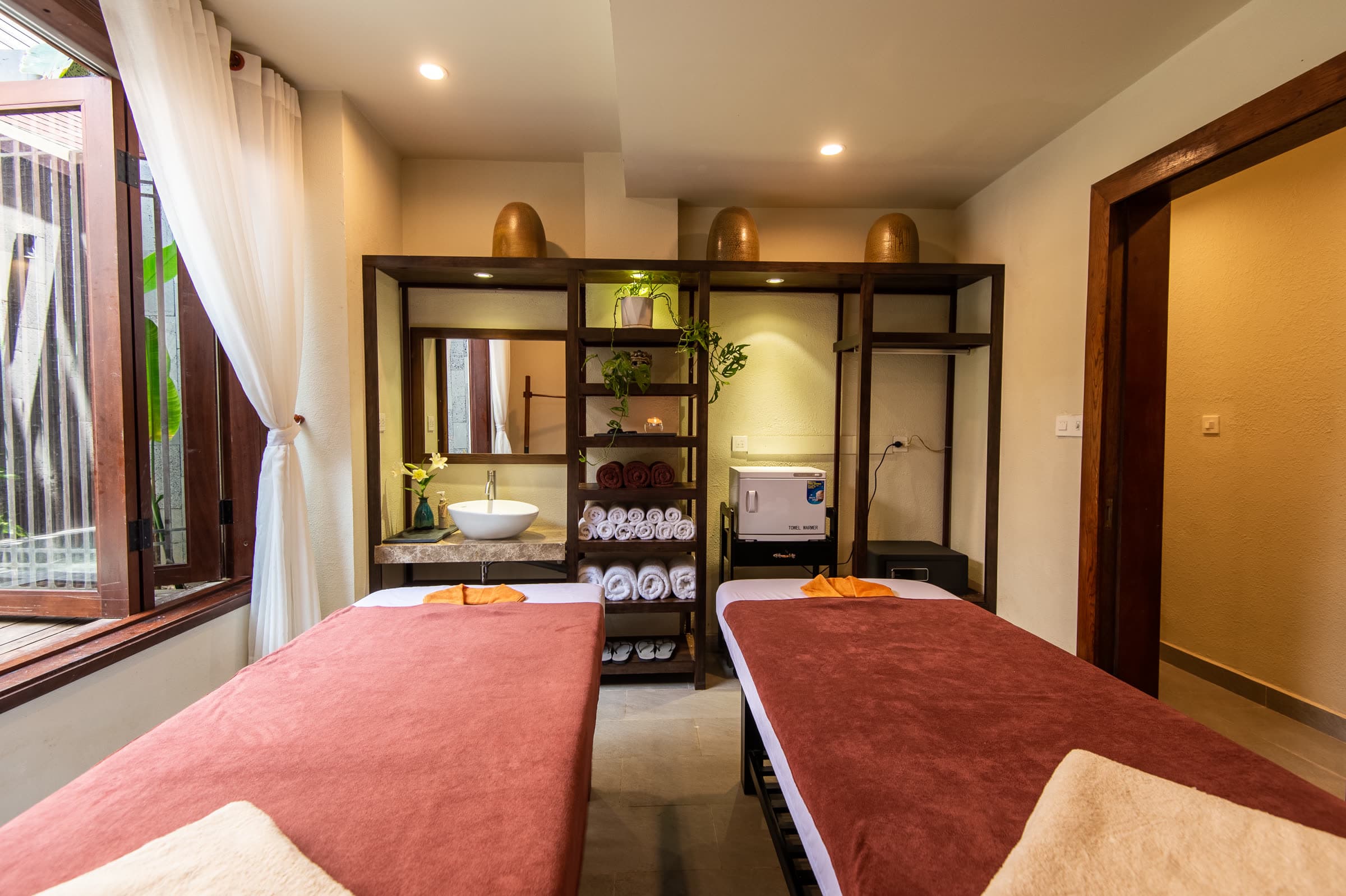
Every room at Nghê Prana is designed around the science of sleep. Blackout curtains, nightly aromatherapy turndown, and riverside quiet — experience what real rest feels like.
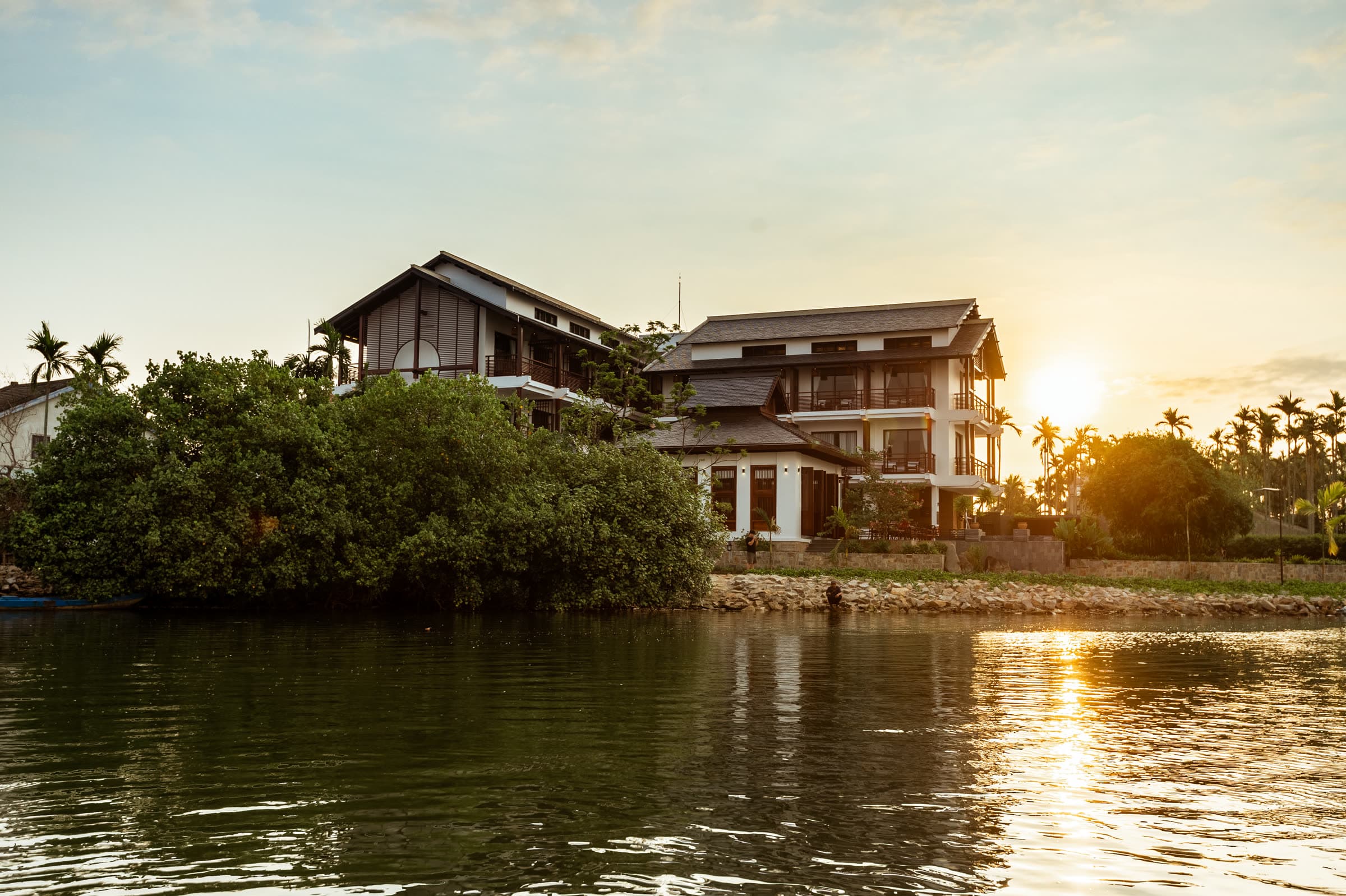
Zimmer am Fluss, zehn Fahrradminuten von der Altstadt. Ob eine Nacht zwischen Hué und Da Nang oder eine ganze Woche ohne Plan — Ihr Zimmer bleibt ruhig.
Kostenlose Stornierung · Direkt bei der Familie, die das Haus gebaut hat

 WhatsApp
 Zalo
Zalo