Best Time to Visit Hoi An: A Month-by-Month Guide (Weather, Festivals & Crowds)
A data-grounded, month-by-month guide to the best time to visit Hội An: weather, festivals, crowds and prices for all twelve months, plus every 2026 lantern-festival night and the regions biggest events.
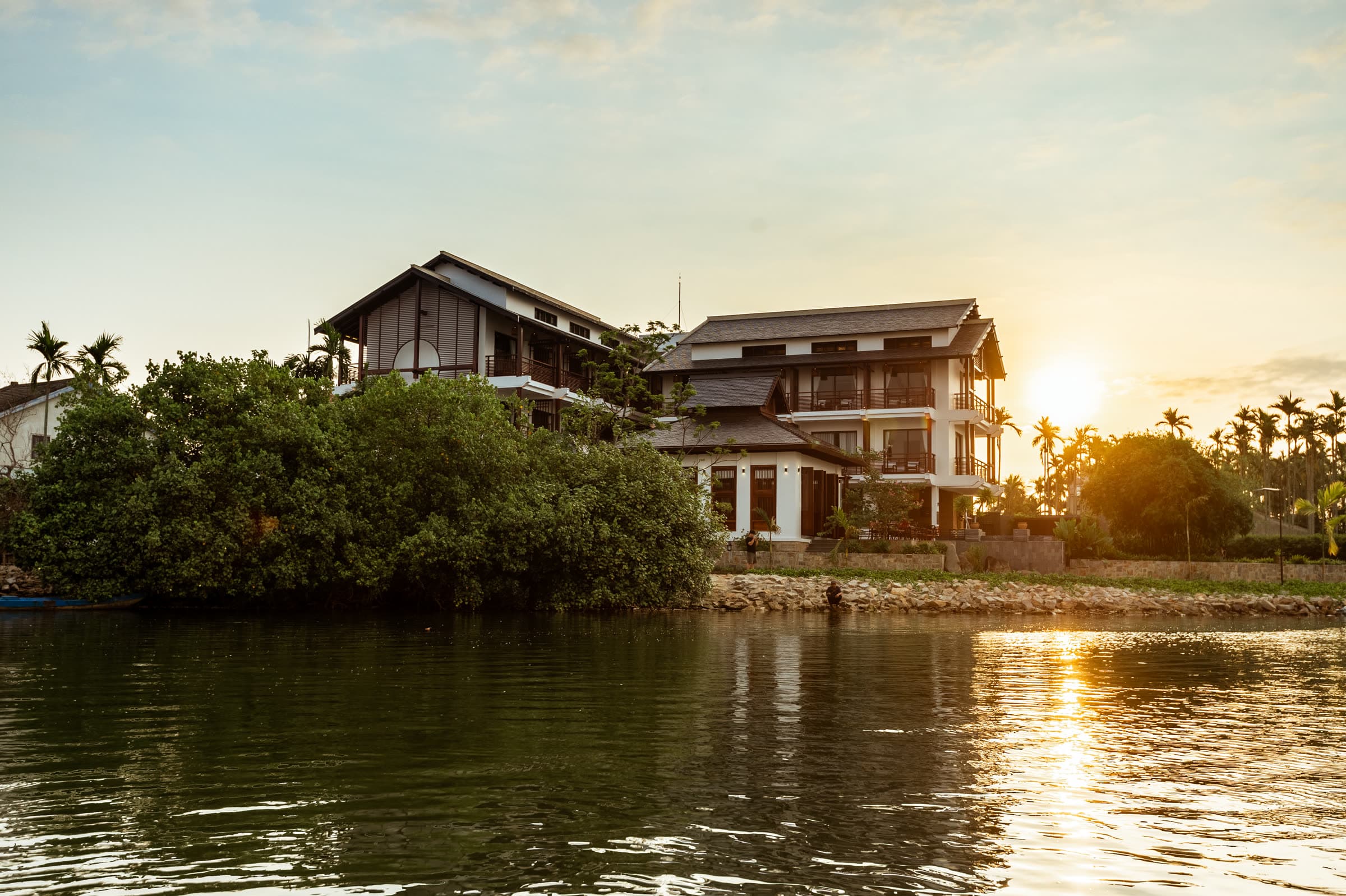
If you are searching for the best time to visit Hội An, the honest answer is that the town has a genuine sweet spot — and it is measurable. Central Vietnam splits cleanly into a bright dry half and a wet, storm-prone half, and the beach season, the lantern festival and the regions biggest events each keep their own window. This guide breaks Hội An down month by month using the same live data we publish for our own guests: verified sunset and day-length figures, moon-phase and lantern dates, and the full-moon festival calendar. We run a riverside hotel on the quiet south bank of the Thu Bồn at Cẩm Nam, about ten minutes by bike from the Old Town, so the seasons here are not abstract to us — we watch the river rise and fall from the terrace every year.
TL;DR: the quick answer
Best months overall: February to April — dry, bright, warm (around 25–30°C) and the most reliable sunshine before the summer heat peaks.
Best for the beach and long days: May to August — the hottest stretch, with the longest daily sunshine (June and July are the hottest of all).
Best for low prices and few crowds: September to November — the rainy, storm-prone season; October and November carry the highest flood risk but rates are at their lowest.
Best for cool, mild weather: December to January — cooler, mostly dry and calm, though Tết (Lunar New Year, Jan/Feb) raises prices.
Best for the lantern festival: any full-moon eve — it lands on the 14th of each lunar month, so there is one every month of the year.
Hoi An month by month at a glance
Use the table below as your at-a-glance planner, then read the season notes underneath for the detail. The weather bands follow central Vietnams two-season pattern; the festival dates are the verified 2026 lantern nights and event calendars.
Month
Weather
What is on / festivals
Crowds & price
Verdict
January
Cool, mild, mostly dry (~20–25°C)
Lantern night 2 Jan; Tết may fall late month
Moderate; prices spike at Tết
Good — cool and calm outside Tết
February
Warming, dry, bright, sunshine building (~25–30°C)
Lantern night 1 Feb; Tết often falls here
High around Tết, then easing
Excellent — avoid the Tết week itself
March
Dry, bright, warm (~25–30°C)
Lantern night 2 Mar — Nguyên Tiêu, the years biggest
Moderate
Best overall month
April
Dry, warm, high sunshine (~27–30°C)
Lantern nights 1 & 30 Apr; 30/4–1/5 holiday
Rising late month
Excellent
May
Hot, dry, long daylight
Lantern night 30 May; DIFF fireworks open 30 May
Moderate
Great, but hot
June
Hottest, longest daily sunshine
Lantern night 28 Jun; DIFF Sat nights 6, 13, 20, 27
High (summer peak)
Hot, lively
July
Hottest, long daylight
Lantern night 27 Jul; DIFF finale 11 Jul
Peak (summer holidays)
Hot and festive
August
Hot, humid, first showers
Lantern night 26 Aug
High, easing late
Warm, shoulder begins
September
Warm, rising rain risk
Lantern night 24 Sep — Mid-Autumn eve
Falling; better value
Good value, watch the sky
October
Rainy, storm season, peak flood risk (~24–30°C)
Lantern night 23 Oct
Low; low prices
Wet but atmospheric and cheap
November
Wettest, peak flood-risk window (~23–28°C)
Lantern night 22 Nov
Lowest of the year
Lowest prices, highest rain
December
Cooling, drying out, mild (~21–26°C)
Lantern night 22 Dec; Christmas / New Year uptick
Rising for holidays
Pleasant and improving
Hoi Ans seasons, explained
The dry, bright season: February to April
This is Hội An at its most reliable. From February the last of the winter damp burns off, the sky clears, and daytime temperatures settle into a comfortable 25–30°C with the strongest sunshine of the pre-summer year. Humidity is manageable, the Thu Bồn sits low and calm, and the Old Towns tailors, cafés and riverside lanes are at their most walkable. March is the pick of the pick: warm but not yet punishing, and home to Nguyên Tiêu — the first full moon of the lunar year and the biggest lantern night on the calendar. If you want one window that does everything well, choose these three months.
The hot, long-daylight season: May to August
Summer is the beach half of the year. Days are long — this stretch carries the most daily sunshine Hội An gets — and June and July are the hottest months, often climbing into the mid-30s°C by afternoon. The trade-off is worth naming plainly: it can be sweltering to sightsee at midday, but the mornings and evenings are glorious, the sea at An Bàng is warm and calm, and the region throws its biggest party of the year in nearby Đà Nẵng. Plan like a local — beach or pool at dawn and dusk, a slow shaded middle of the day — and summer rewards you. Our riverside pool and the An Bàng beach shuttle exist precisely for this rhythm.
The rain-and-storm season: September to November
From September the pattern flips. Central Vietnam enters its rainy season, and October and November carry the highest chance of heavy rain and the brief, localised flooding that comes when the Thu Bồn and Sông Hoài swell with runoff from the hills. This is also the quietest, greenest, most atmospheric — and cheapest — time to visit. Rain here tends to arrive in intense bursts rather than all-day drizzle, so mornings can be bright even in a wet week. Prices fall to their lowest, the Old Town empties, and the reflections on the wet cobbles at lantern time are unforgettable. Come with a flexible itinerary and a light rain layer and this season has a real, underrated charm.
The cool, mild season: December to January
December and January bring the cool, mild edge of the year — comfortable days in the low-to-mid 20s°C, calmer skies as the rains taper, and the softest light for photography. It is an easy, pleasant time to wander, cycle and eat your way through the town. The one thing to plan around is Tết, the Lunar New Year, which falls in late January or February: it is a wonderful, deeply local time to be here, but rooms and flights are in high demand and prices rise, so book early if your dates overlap.
When is the best time for the beach?
For sun, warm sea and calm water, May to August is unbeatable — long days, reliable heat and gentle surf at An Bàng, about fifteen minutes from the riverside on our beach shuttle. February to April is the gentler alternative: warm enough to swim, far less crowded, and cooler for lying out. October and November are the months to skip for the beach specifically, when rougher seas and rain make it hit-or-miss. Whichever month you choose, mornings are best — the sand is quiet, the light is soft, and you are back before the midday heat.
Releasing a candle-lantern on the river during a Hội An lantern night.
When is the best time for the lantern festival?
Here is the fact most guides get wrong: the Hội An lantern festival is not a once-a-year event. It runs on the 14th day of every lunar month — the eve of the full moon — so there is a lantern night every single month, when the Old Town cuts its electric lights and floats candle-lanterns on the Sông Hoài. That means the best time is simply the month you are already visiting. For the exact Gregorian dates we keep a live moon-phase and lantern calendar and a dedicated Hội An Lantern Festival hub. Two nights stand out above the rest: Nguyên Tiêu (the first full moon of the lunar year) and the Mid-Autumn eve are the largest and most elaborate.
The verified 2026 lantern nights are:
2 January
1 February
2 March — Nguyên Tiêu, the years biggest
1 April
30 April
30 May
28 June
27 July
26 August
24 September — Mid-Autumn eve
23 October
22 November
22 December
The first lantern night of 2027 then falls on 21 January.
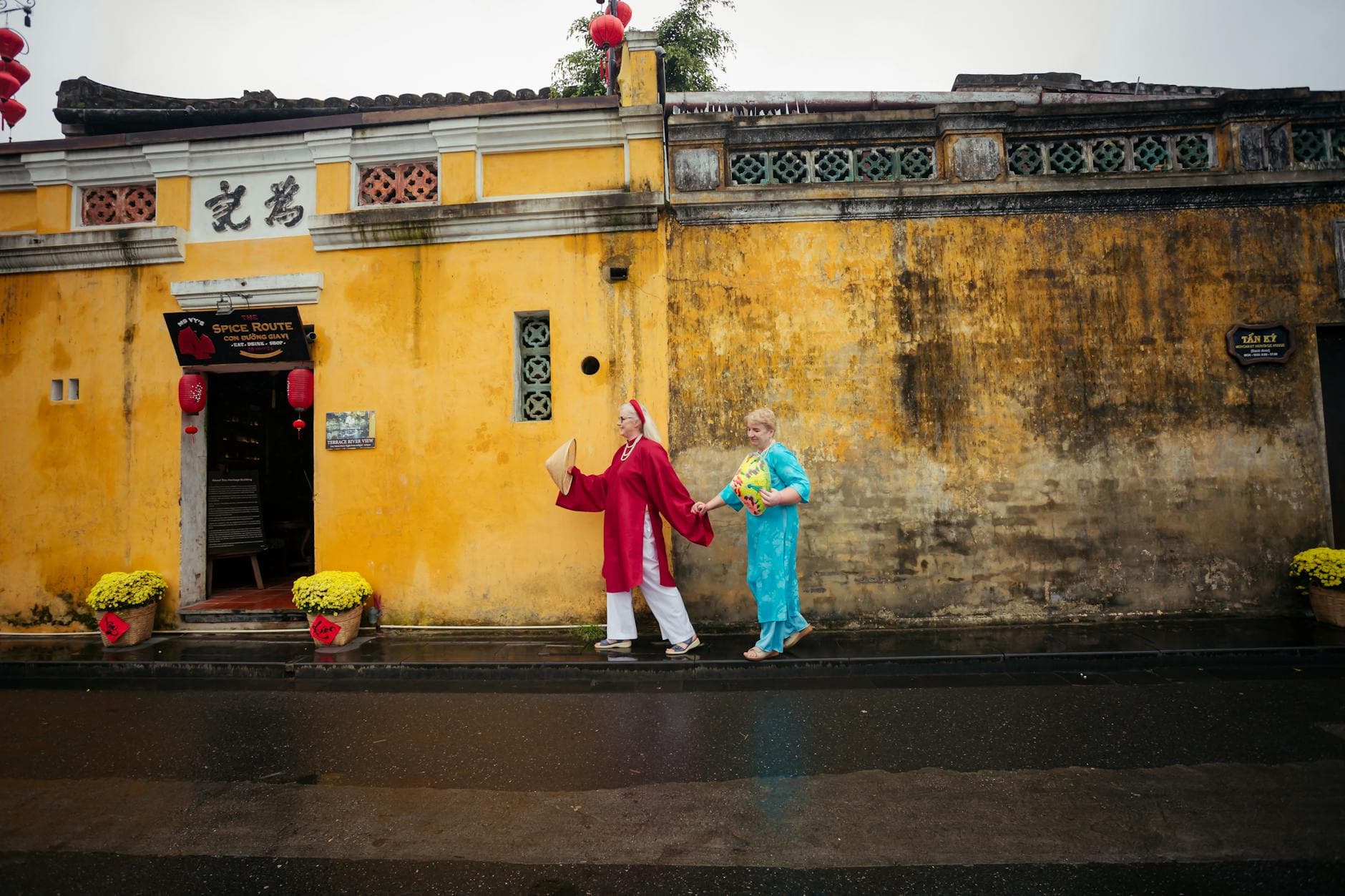
Early light on Hội An's Old Town — the golden hour photographers come for.
When is the best time for photography and golden hour?
Hội An is a photographers town, and the light is best at the shoulders of the day. The cool, dry months of December to March give the cleanest golden-hour colour, while the long summer evenings of May to July stretch the usable light later into the night. Because sunset time shifts by nearly an hour across the year, we publish Hội Ans exact sunset and day-length figures, calculated with the Jean Meeus astronomical algorithm to within about half a minute, so you can plan a shoot or a river cruise to the actual minute the sun drops behind the Thu Bồn. Blue hour on the water, just after the lanterns light, is the frame everyone comes for.
When is the best time to avoid crowds and find lower prices?
The two quietest, best-value windows are September to November — the rainy season — and the weeks either side of it. Prices are lowest from October to November, when the Old Town is at its calmest. The busiest, priciest stretches are Tết (late January/February), the 30 April–1 May national holiday, the June–July summer peak, and the Christmas–New Year fortnight. For the best balance of good weather and manageable crowds, aim for late February, March or early April, or the first half of September before the heavy rain sets in.
Should the flood season change my plans?
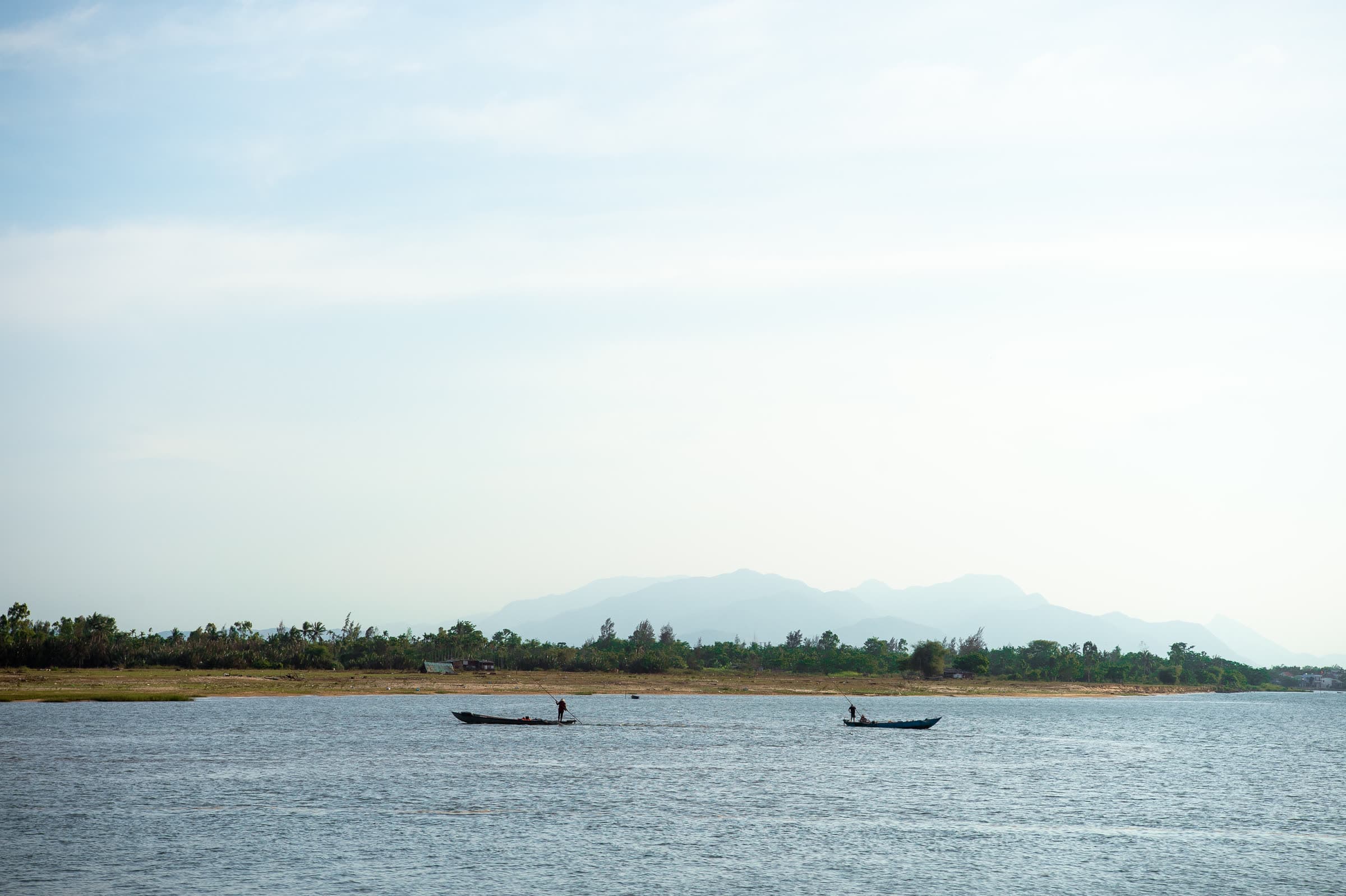
Flooding in Hội An is real but often misunderstood. It is hyper-local and brief — usually one to three days — driven by the Thu Bồn and Sông Hoài rising after concentrated rain, mostly in October and November. The town has lived with the river for four centuries: shopkeepers move goods upstairs, boats appear in the lanes, and life carries on above the water line. The genuinely major floods are rare and well-documented — 1964, 1999, 2007, 2017 and 2020 — not annual events. If you visit in the wet season, simply keep a day or two of slack in your plans, stay somewhere that knows the river, and treat a high-water day as part of the towns character rather than a washout.
Planning a trip around this? See dates at our quiet riverside hotel on the Thu Bồn. Check availability →
Festivals worth timing a whole trip around
Nguyên Tiêu (2 March 2026) — the first full moon of the lunar year and Hội Ans grandest lantern night.
Mid-Autumn eve (24 September 2026) — lion dances, mooncakes and the most family-spirited lantern night of the year.
Đà Nẵng International Fireworks Festival (DIFF) 2026 — six Saturday nights on the Hàn River at 20:00: 30 May, then 6, 13, 20 and 27 June, and the finale on 11 July. Đà Nẵng is an easy evening trip from Hội An.
Tết (Lunar New Year, Jan/Feb) — the most atmospheric and most local time to be here; book well ahead as prices rise.
So when should you actually go?
If you want the single best month, choose March: dry, bright, warm without being hot, and crowned by the years biggest lantern night. For a broader safe bet, anywhere in the February–April window delivers Hội An at its most reliable. Come for the beach and long days in May–August, come for low prices and green, quiet lanes in September–November, and come for cool, gentle weather in December–January. There is genuinely no bad month — only different versions of the town, and the data above tells you which one you will get.
Frequently asked questions
What is the best month to visit Hội An?
March is the standout — dry, bright, comfortably warm (around 25–30°C) and home to Nguyên Tiêu, the biggest lantern night of the year. The wider February-to-April window is the most reliable stretch overall.
What is the rainiest time in Hội An?
October and November are the wettest, with the highest chance of heavy downpours and the brief, localised flooding that comes when the Thu Bồn and Sông Hoài rise. Rain typically arrives in intense bursts rather than constant drizzle.
Does Hội An really flood, and for how long?
Yes, but usually only for one to three days at a time, mostly in October and November, and confined to low-lying riverside streets. Major floods are rare — the notable ones were 1964, 1999, 2007, 2017 and 2020.
When is the Hội An lantern festival each month?
On the 14th day of every lunar month, the eve of the full moon — so there is a lantern night every month. In 2026 they fall on 2 Jan, 1 Feb, 2 Mar, 1 and 30 Apr, 30 May, 28 Jun, 27 Jul, 26 Aug, 24 Sep, 23 Oct, 22 Nov and 22 Dec. Check our live moon calendar for exact times.
Is it worth visiting Hội An in the rainy season?
For many travellers, yes. You trade some weather risk for the lowest prices, the smallest crowds, lush green countryside and hauntingly beautiful reflections at lantern time. Keep your plans flexible and it can be the most memorable way to see Hội An.
What should I pack for the weather in Hội An?
For the dry season, light clothing, sun protection and a hat. For summer (May–August), add swimwear and plan around the midday heat. For the wet season (September–November), bring a light rain layer and quick-dry shoes, and leave a little schedule flexibility for a possible high-water day.
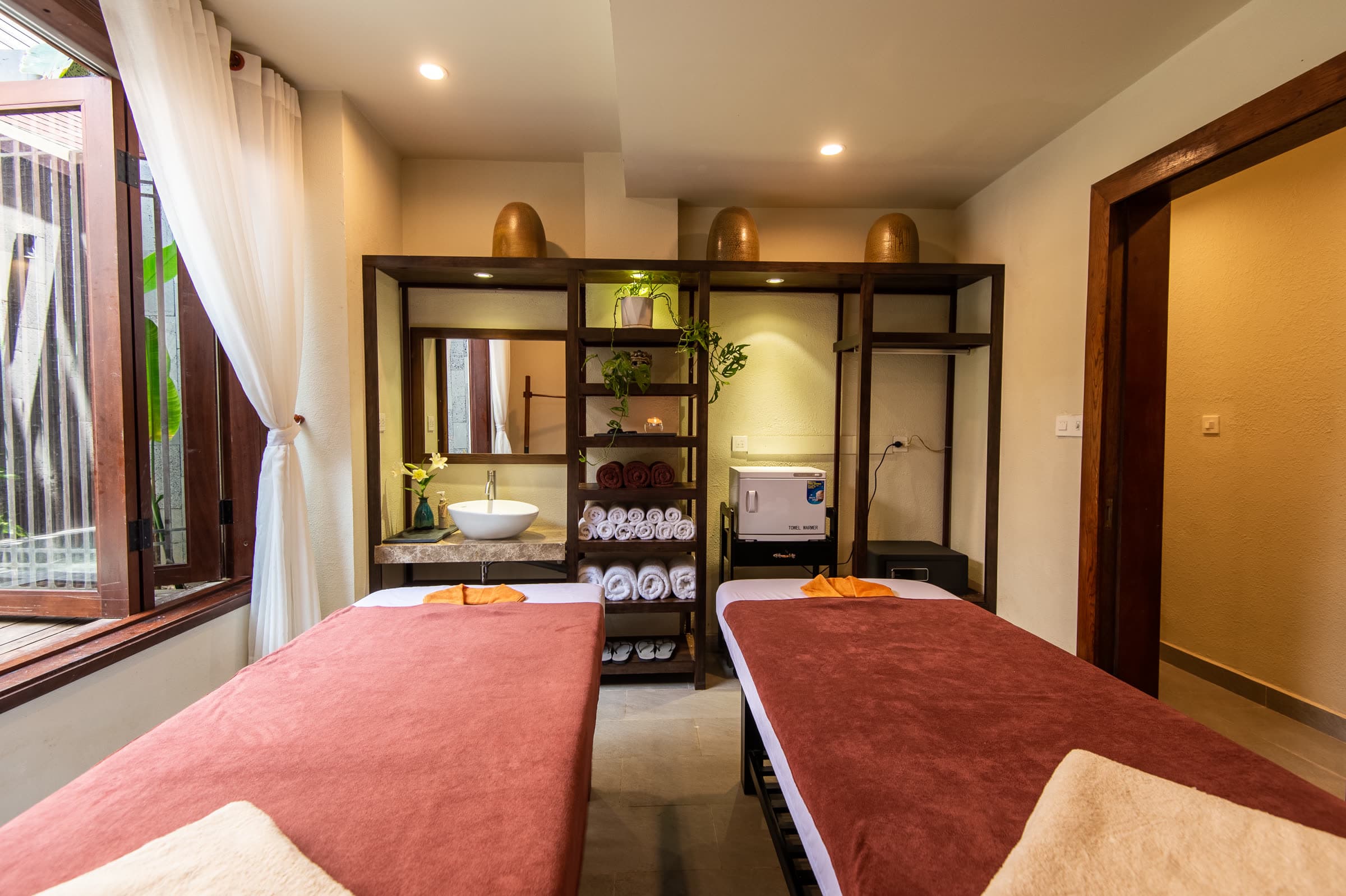
*Wherever your month lands, the riverside is the calmest place to base yourself. Nghê Prana sits on the quiet south bank of the Thu Bồn at Cẩm Nam, about ten minutes by bike from the Old Town — 23 river-facing rooms, a pool, bikes at the door, an An Bàng beach shuttle, The Corn farm-to-table kitchen, and a spa for massage, a Vietnamese herbal bath, jacuzzi and sauna. Browse our river-view rooms or read more about life on the Thu Bồn river as you plan which season to come.*
About the data in this guide
The seasonal bands here follow central Vietnams two-season monsoon pattern. The sunset, day-length and golden-hour figures we reference are computed with the Jean Meeus astronomical algorithm to within roughly thirty seconds and published live on our Hội An sunset page; the lantern-night and moon-phase dates come from our verified festival calendar and moon page. The flood history (1964, 1999, 2007, 2017 and 2020) reflects the regions documented major-flood years. We refresh this guide each year as the lunar dates shift.
March is the standout — dry, bright, comfortably warm (around 25–30°C) and home to Nguyên Tiêu, the biggest lantern night of the year. The wider February-to-April window is the most reliable stretch overall.
What is the rainiest time in Hội An?
October and November are the wettest, with the highest chance of heavy downpours and the brief, localised flooding that comes when the Thu Bồn and Sông Hoài rise. Rain typically arrives in intense bursts rather than constant drizzle.
Does Hội An really flood, and for how long?
Yes, but usually only for one to three days at a time, mostly in October and November, and confined to low-lying riverside streets. Major floods are rare — the notable ones were 1964, 1999, 2007, 2017 and 2020.
When is the Hội An lantern festival each month?
On the 14th day of every lunar month, the eve of the full moon — so there is a lantern night every month. In 2026 they fall on 2 Jan, 1 Feb, 2 Mar, 1 and 30 Apr, 30 May, 28 Jun, 27 Jul, 26 Aug, 24 Sep, 23 Oct, 22 Nov and 22 Dec.
Is it worth visiting Hội An in the rainy season?
For many travellers, yes. You trade some weather risk for the lowest prices, the smallest crowds, lush green countryside and hauntingly beautiful reflections at lantern time. Keep your plans flexible and it can be the most memorable way to see Hội An.
What should I pack for the weather in Hội An?
For the dry season, light clothing, sun protection and a hat. For summer (May–August), add swimwear and plan around the midday heat. For the wet season (September–November), bring a light rain layer and quick-dry shoes, and leave a little schedule flexibility for a possible high-water day.
Every room at Nghê Prana is designed around the science of sleep. Blackout curtains, nightly aromatherapy turndown, and riverside quiet — experience what real rest feels like.
Riverside hotel rooms on the Thu Bồn, ten minutes by bicycle from the Ancient Town. Whether it's one night between Hue and Da Nang or a full week of doing nothing — we kept your room quiet.
Free cancellation · Direct from the family who built the hotel


 WhatsApp
 Zalo
Zalo