Hidden Beach Hoi An: Where It Is, How to Find It, and When to Swim
Hidden Beach is a specific place, not a figure of speech — a quiet stretch of the Hoi An coast between An Bang and Cua Dai, at the end of alley 62 off Lac Long Quan road. How to find it now the sign is gone, what parking and loungers cost, when it is safe to swim, and five quieter alternatives.
Hidden Beach is a real, specific beach — not a figure of speech for "any quiet beach near Hoi An". It sits on the Hoi An coast between An Bang and Cua Dai, about 2 km south of An Bang, at the end of Kiệt 62 (alley 62) off Lạc Long Quân road, in what was Cẩm An ward. There is no gate and no ticket. From the Ancient Town it is about 5 km: roughly 15 to 20 minutes by bicycle, 10 to 15 by motorbike.
Where Hidden Beach is, and how to find it
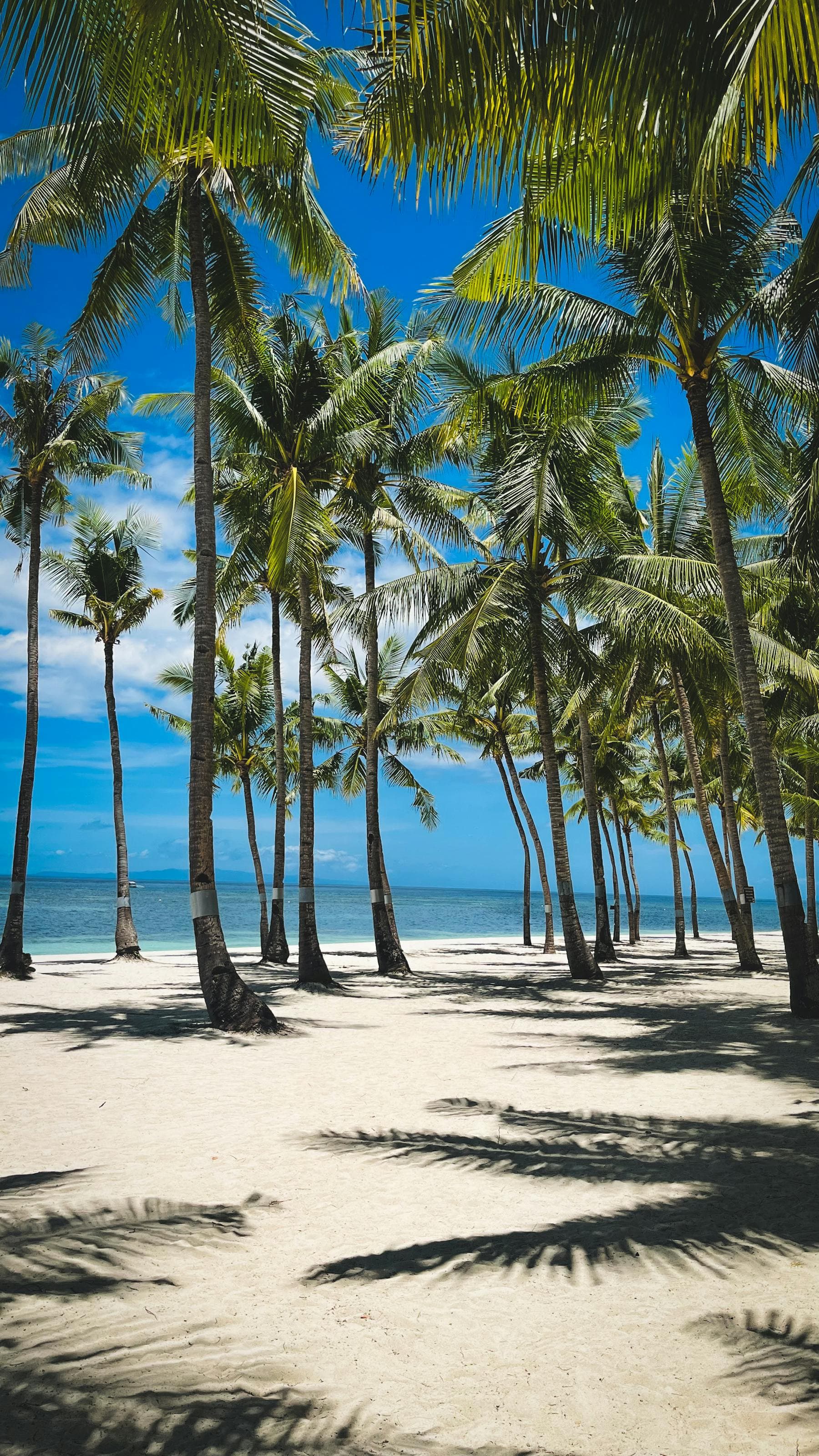
Photo: Quang Nguyen Vinh / Pexels
The name is more literal now than it used to be. The hand-painted "Hidden Beach" sign that once marked the turn off Lạc Long Quân is gone (goodmorning-hoian.com, 22 May 2025), so you find the beach by its neighbours: the lane is the narrow alley beside the Tamarind (Cây Me) restaurant sign, Kiệt 62, and it runs about three minutes past casuarinas and a few homestays before opening onto the sand. Along this coast the order from south to north is Cửa Đại, Thịnh Mỹ, Tân Thành, An Bàng (VnExpress, 12 April 2025), and Hidden Beach sits between Cửa Đại and Tân Thành — a five-minute ride north of Cửa Đại beach and six minutes south of An Bàng (hiddenhoian.com, 20 June 2019). At the end of the lane are the family restaurants — Hidden Beach Restaurant, open 8:00 to 22:00, with toilets, showers and Wi-Fi, plus Wild Beach and Sun Beach — and a long, mostly empty run of pale sand in both directions. The water shelves gently for the first 30 metres, then drops. It is calmest from March to August; from September the northeast monsoon builds swell and cross-currents through January, and locals stop swimming from about October. There is no lifeguard post; the nearest flagged, patrolled sand is An Bàng.
How to get there from the Ancient Town, two ways. Either take Cửa Đại road east to the coast and turn left (north) onto Lạc Long Quân — Kiệt 62 is on your right within about 2 km, just past the Tamarind restaurant sign. Or ride Hai Bà Trưng north to An Bàng, turn right (south) onto Lạc Long Quân, and the alley is on your left after about 2 km. Both routes are about 5 km: 15 to 20 minutes by bicycle, 10 to 15 by motorbike. Parking is in the restaurants' small lots — free if you eat or drink there, otherwise expect 5,000₫ for a bicycle and 5,000 to 10,000₫ for a motorbike (hoiandaytrip.com, December 2024). Sun loungers work the same way: free with an order at Hidden Beach Restaurant, 50,000₫ a day without one; Wild Beach charges 30,000₫ without an order (goodmorning-hoian.com, 22 May 2025). Best before 9:00 a.m., when the sand is still empty.
Hidden Beach at a glance
Where: end of Kiệt 62 Lạc Long Quân, former Cẩm An ward — between Cửa Đại (south) and Tân Thành / An Bàng (north), about 2 km south of An Bàng
Getting there: about 5 km from the Ancient Town; 15–20 min by bicycle, 10–15 by motorbike
Entry: free, no ticket. Parking free if you eat at the beach restaurants, otherwise 5,000–10,000₫
Loungers: free with an order at Hidden Beach Restaurant, 50,000₫ a day without one
Facilities: restaurants at the end of the lane (Hidden Beach Restaurant 8:00–22:00, toilets, showers, Wi-Fi); no lifeguard
Swimming: calmest March–August; swell and cross-currents from September to January
Best time: before 9:00 a.m., when the sand is still empty
Sources: hiddenhoian.com (20 Jun 2019), hoiandaytrip.com (Dec 2024), goodmorning-hoian.com (22 May 2025), VnExpress (12 Apr 2025); re-checked 11 Sep 2026
The Vietnamese coastal record is more specific — and more uneasy — than the English guidebooks suggest. Báo Quảng Nam has documented the slow disappearance of Cửa Đại since the early 2010s — the beach has retreated more than 200 metres inland over fifteen years, and a 3.4 km revetment, partly funded by Agence Française de Développement, is now being installed from Cửa Đại to Cẩm An (Bờ biển Hội An sẽ hết sạt lở?). The provincial paper's summer beach round-ups extend the picture northward to Hà My in Điện Bàn and southward to Tam Tiến and Bình Minh in Thăng Bình — the same 30 km sandbar, but with named làng chài (fishing wards) and dawn fish markets that English coverage skips. Báo Đà Nẵng separately tracked the An Bàng / Cẩm An ward's transformation from a quiet fishing community into a heritage-tourism zone (Phố Tây nơi làng biển). See the References below for the full set.
Five more quiet beaches near Hoi An
What follows is a working list used by the local cycling and homestay guides who run morning rides out of Hoi An. None of these beaches are secret in the sense that locals do not know about them — they are local beaches. They are 'hidden' from the international visitor only because the package tours, the Booking.com filter, and the Instagram pin all converge on the same one kilometer of An Bang.
Ha My Beach, 8 km north
Photo: Pok Rie / Pexels
Ha My is the next public beach north of An Bang, just up the coast in the former Điện Bàn area — which, like Hội An, became part of the enlarged, centrally-governed Da Nang city when Quảng Nam province was dissolved and merged into Da Nang on 1 July 2025 (Resolution 202/2025/QH15). The northern half is fronted by two large resorts; the southern half — about 1.5 kilometers of it — is open public beach with three small fisherman cooperatives. On a weekday morning the only traffic is the basket-boat fleet pushing out at 5:30 a.m. and back in around 9:00. The sand is whiter than An Bang and the surf cleaner. There is one excellent crab-and-clam shack opposite the southern entrance — Quan Co Loc, run by the same family for 20 years.
Best for: a long flat-water swim and a seafood lunch. Avoid the northern half if you do not want resort sun-bed pressure.
Cua Dai Beach (south end), 5 km east
Photo: Ninh Tien Dat / Pexels
Cua Dai used to be the main Hoi An beach — until coastal erosion in the 2010s washed away large stretches of the central section. The northern resort end is rebuilt and busy; the southern end, near the Cua Dai estuary where the Thu Bon meets the sea, is wilder. Sand bars shift every monsoon, freshwater plumes from the river change the swim color from blue to brown to green within a week. Locals fish, dig clams at low tide, and walk the sand spit out toward the river mouth. It is not the postcard beach it was in 2010 — it is more interesting now.
Best for: a long sunset walk; not always the best for swimming because of estuarine currents. Check with locals before entering the water.
Tan Thanh Beach, between An Bang and Hidden Beach
The stretch of sand directly south of An Bang, where An Bang's promenade and beach clubs end — the next named beach on this coast before Hidden Beach and Cửa Đại (south to north the order is Cửa Đại, Thịnh Mỹ, Tân Thành, An Bàng). There is no marked entrance: walk south along the sand from An Bang for ten minutes and the crowd thins out. A few modest seafood huts run by local families, few loungers, and on weekend mornings the Tân Thành fishing-village market (chợ phiên làng chài Tân Thành) on the beachfront.
Best for: a quiet half-day adjacent to An Bang's amenities. You can swim here, walk back to An Bang for lunch, and return.
Bien Rang Beach, 12 km north
Bien Rang ('Tooth Beach' — named for the line of jagged offshore rocks visible at low tide) is the last quiet beach before the main Da Nang resort strip begins. About 800 meters of pale sand, two cliffs at either end, and a spring of fresh water that emerges through the sand at low tide and is locally believed to be curative. Almost no foreign visitors; weekend Vietnamese families from Da Nang come for picnics. There is one seafood shack open daily and a second that opens only on weekends.
Best for: an out-and-back motorbike day from Hoi An. About 35 minutes each way; combine with a stop at Marble Mountain on the return.
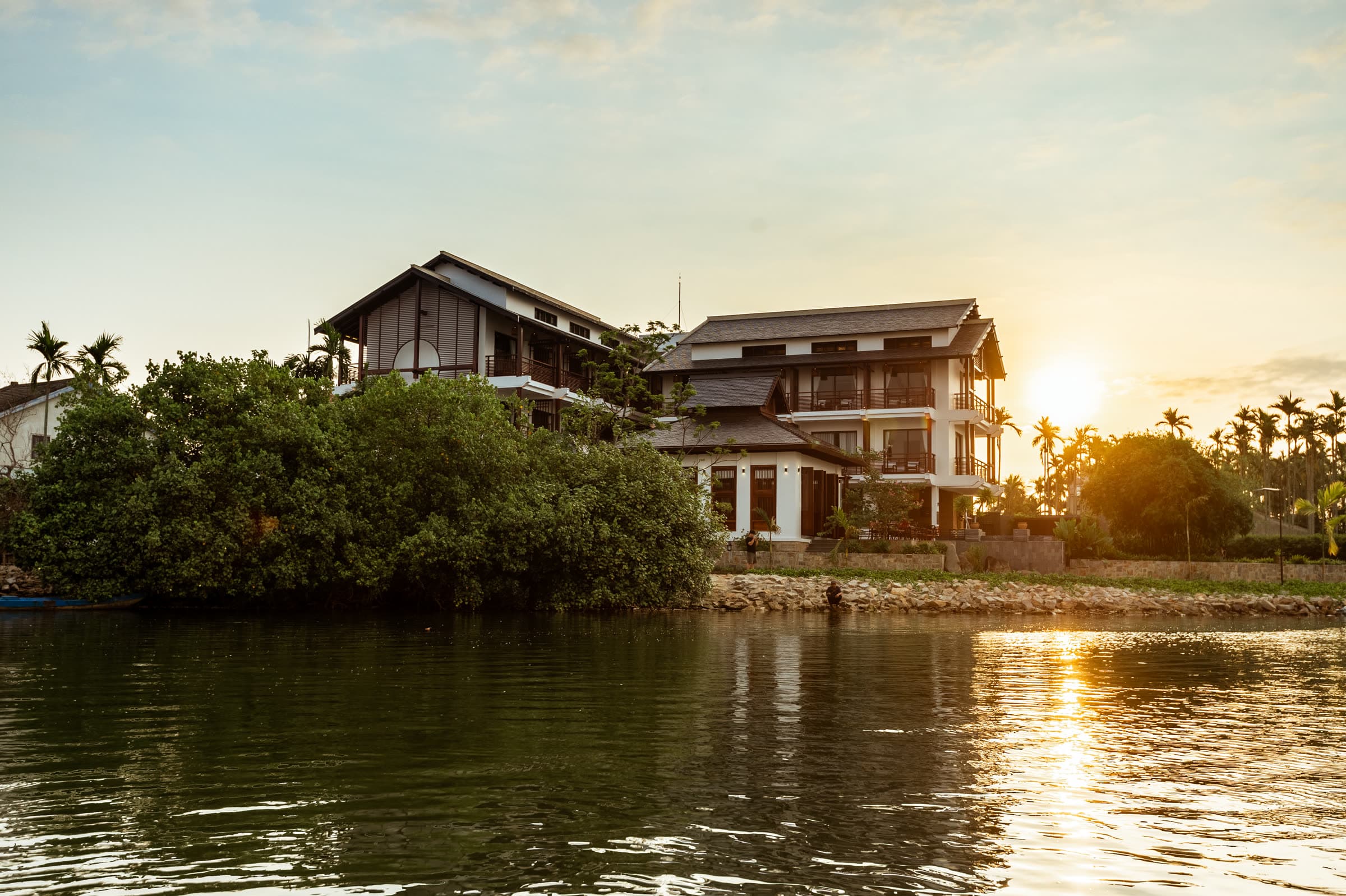
Planning a trip around this? See dates at our quiet riverside hotel on the Thu Bồn. Check availability →
Bai Lang Beach (Cham Islands)
Photo: Natalia / Pexels
The Cham Islands (Cu Lao Cham) sit 15 kilometers offshore from Cua Dai port and have been a marine protected area since 2003. Bai Lang is the small main beach in front of the village; Bai Chong, on the back side of the main island, is the more isolated swim. Visibility is 8–15 meters from April through August, the coral cover is among the best on the central coast, and the entire archipelago closes from October to March because of the northeast monsoon. A morning fast-boat from Cua Dai takes 25 minutes; the slow wooden boat takes 90.
Best for: snorkeling, slow island walking, fresh seafood at the village. Closed November–February.
The honest answer to 'best beach in Hoi An': An Bang for amenities and sunset bars, Hidden Beach for an early-morning swim, Bai Chong on Cham for the clearest water of the year. The right beach depends on the month and what you want from the day.
What 'Hidden' Actually Means on This Coast
Illustration: Nghe Prana editorial
Central Vietnam has a single long sandbar running roughly 200 kilometers from Lang Co in the north to past the Quang Ngai border in the south. The sand is the same, the water is the same, and the surf on any given day is broadly similar within a 50-kilometer radius. The 'hidden' beaches near Hoi An are not better water than An Bang — they are emptier. Once you understand that, choosing a beach becomes a question of crowd tolerance and proximity, not of which beach has the secret blue lagoon (it does not exist on this coast).
Tides, Seasons, and Swim Safety
The central Vietnam coast has a roughly 1.0-meter tidal range — modest. The bigger variable is the monsoon. From September through January the northeast monsoon brings 1.5–3.0 meter swells, strong cross-currents, and frequent advisories. The beaches do not officially close, but locals stop swimming and the basket boats stop fishing. From February through August the surf flattens, the water clears (April–July is the best visibility window), and most days are safe for casual swimmers.
Three rules the Hoi An lifeguards repeat every season: never swim alone after 5:00 p.m. (rip currents intensify into the evening), never swim more than 30 meters out without a flotation device (the shelf drops sharply on most of these beaches), and when the red-flag is up at An Bang, the same conditions apply at every other unmonitored beach within 20 kilometers — the flag is the closest thing to a regional advisory.
How These Beaches Connect to a Hoi An Stay
If you are staying in or near the ancient town, every beach on this list is reachable by bicycle (1–4 hours round trip) or by a single short motorbike ride (15–35 minutes). The most efficient pattern most multi-day visitors land on: ancient town in the morning, beach in the afternoon, ancient town again at lantern hour. You do not need to choose between Hoi An and the coast — the town and the sea are four kilometers apart, and have been since the Cham fishermen first beached their boats here in the 8th century.
Bring water, reef-safe sunscreen if you are heading to the Cham Islands, and small denominations of cash — the seafood shacks at every beach on this list deal only in cash, usually in 50,000 and 100,000 VND notes.
About this article. This guide synthesizes coastal reporting from Báo Quảng Nam (Cửa Đại erosion, summer beach inventories for Tam Tiến, Bình Minh, Hà My) and Báo Đà Nẵng on the Cẩm An / An Bàng fishing-ward economy, cross-referenced with the 2025 Ủy ban Thường vụ Quốc hội resolution that merged Cẩm An into the new Hội An Đông ward. The hotel-side contribution is the seasonal swimming reading and how these beaches fit a stay on the river.
Correction, 11 September 2026. An earlier version of this page placed Hidden Beach 6 km north of An Bàng toward Hà My, and Tân Thành north of An Bàng. Both were wrong. Hidden Beach is south of An Bàng, between Tân Thành and Cửa Đại, at the end of Kiệt 62 Lạc Long Quân; the coast runs Cửa Đại, Thịnh Mỹ, Tân Thành, An Bàng from south to north. Location, access, parking and lounger terms were re-verified against hiddenhoian.com (20 June 2019), hoiandaytrip.com (December 2024), goodmorning-hoian.com (22 May 2025) and VnExpress (12 April 2025).
Báo Quảng Nam (2024). Bờ biển Hội An sẽ hết sạt lở?. Báo Quảng Nam điện tử. View source
Báo Quảng Nam (2025). Top 16+ bãi biển đẹp nhất Quảng Nam để đi du lịch hè. Báo Quảng Nam — Du lịch. View source
Báo Quảng Nam (2024). Biển Tam Tiến — điểm đến thú vị mùa hè. Báo Quảng Nam điện tử. View source
Báo Quảng Nam (2024). Bãi biển Hà My: Kinh nghiệm du lịch Quảng Nam từ A–Z. Báo Quảng Nam điện tử. View source
Báo Đà Nẵng (2025). "Phố Tây" nơi làng biển. Báo Đà Nẵng điện tử. View source
Ủy ban Thường vụ Quốc hội (2025). Nghị quyết 1659/NQ-UBTVQH15 về sắp xếp đơn vị hành chính cấp xã thành phố Hội An (sáp nhập Cẩm An, Cửa Đại, Cẩm Thanh thành phường Hội An Đông). Công báo Nghị quyết — UBTVQH khóa XV.
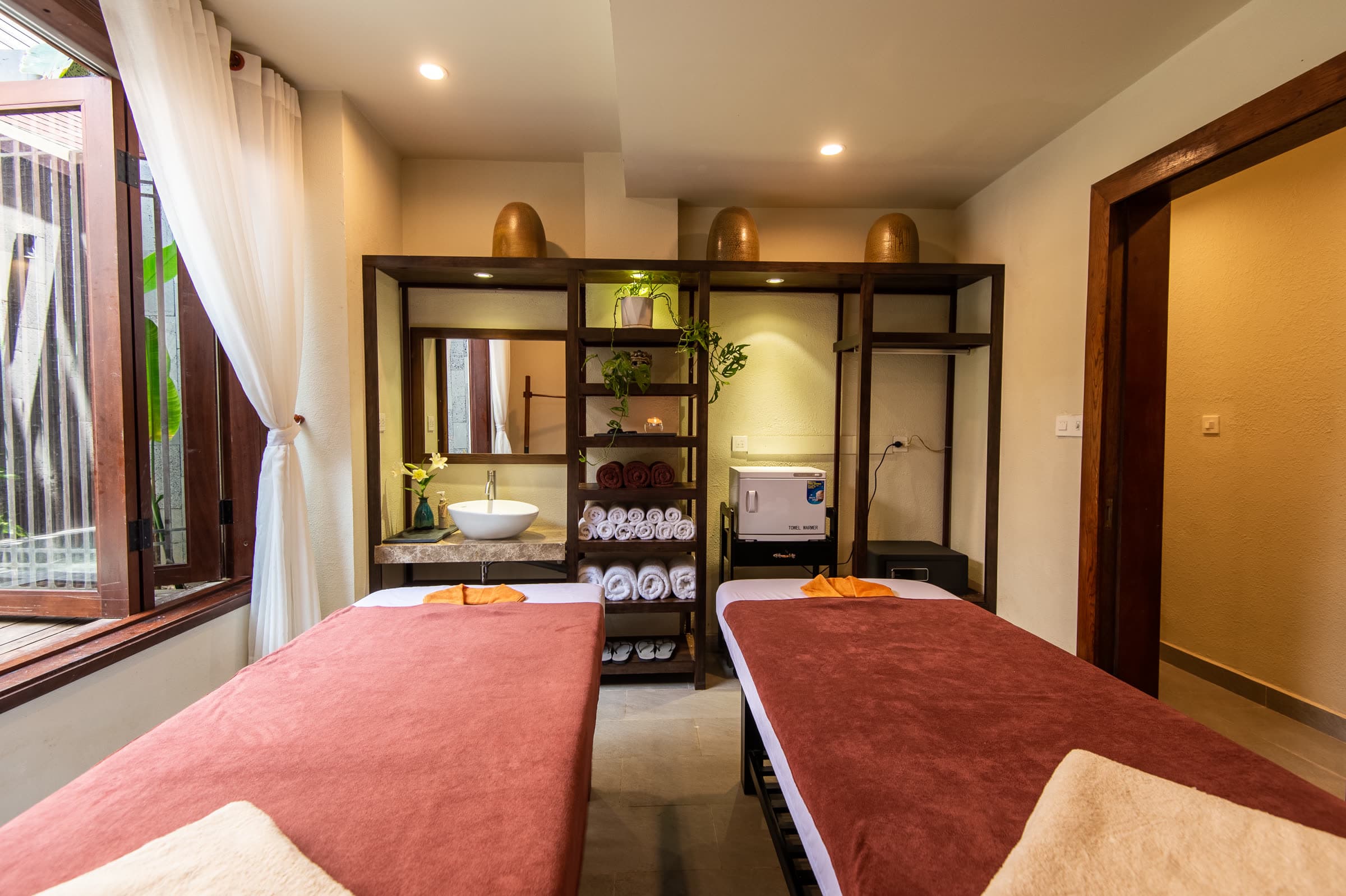
Every room at Nghê Prana is designed around the science of sleep. Blackout curtains, nightly aromatherapy turndown, and riverside quiet — experience what real rest feels like.
Riverside hotel rooms on the Thu Bồn, ten minutes by bicycle from the Ancient Town. Whether it's one night between Hue and Da Nang or a full week of doing nothing — we kept your room quiet.
Free cancellation · Direct from the family who built the hotel


 WhatsApp
 Zalo
Zalo