The other side of Hội An: a guide for travellers who want the town, but not the crowd
Hội An's Old Town is at capacity. But a few kilometres in any direction, a different Hội An is waiting — one of river, village, and afternoons where no one is trying to take your photo.
When nearly ten thousand visitors pour into a small heritage quarter every evening, a quieter Hội An becomes the more interesting place to stay — slower, emptier, and closer to the town as it actually lives.
There is something people who have loved Hội An for years tend to say to each other quietly: the Old Town is most beautiful at six in the morning. Before the lanterns flick on, before the noodle carts roll out, while a few elderly women are still sweeping the courtyards in front of their homes — at that hour, Hội An is a town belonging to the people who live there, not to its visitors.
By nine, everything has changed.
In 2024, Hội An welcomed 4.4 million visitors across just 44 square kilometres. The city''s population density is nearly five times the national average, and on peak days, almost 10,000 people press into the Old Town''s narrow streets at once. One foreign traveller, quoted in Vietnamese press, called the city "a textbook case of overtourism." Local authorities have started saying it plainly — it is time to ease pressure on the Old Town, develop the surrounding districts, and shift toward more sustainable experiences.
The good news, fortunately, is that Hội An is much larger than its Old Town.
A new kind of traveller: choosing the road less photographed
Domestic travel reporting through 2026 keeps describing the same shift, sometimes called "anti-tourist" travel — not anti-tourism, but a deliberate choice to avoid the busiest places, travel in the shoulder season, or seek out districts that have not been packaged for mass arrival.
At the same time, regional booking platforms have flagged a clear move toward "micro-holidays" — two- to three-day trips, close to home, but planned with intention. Travellers no longer try to fit four provinces into a single week. They pick one place, stay longer, eat slower, and come home with a clear memory rather than ten blurry photos.
Hội An is one of the destinations best suited to that style of travel — provided you know where to go.
Four "other Hội Ans" worth a morning of walking
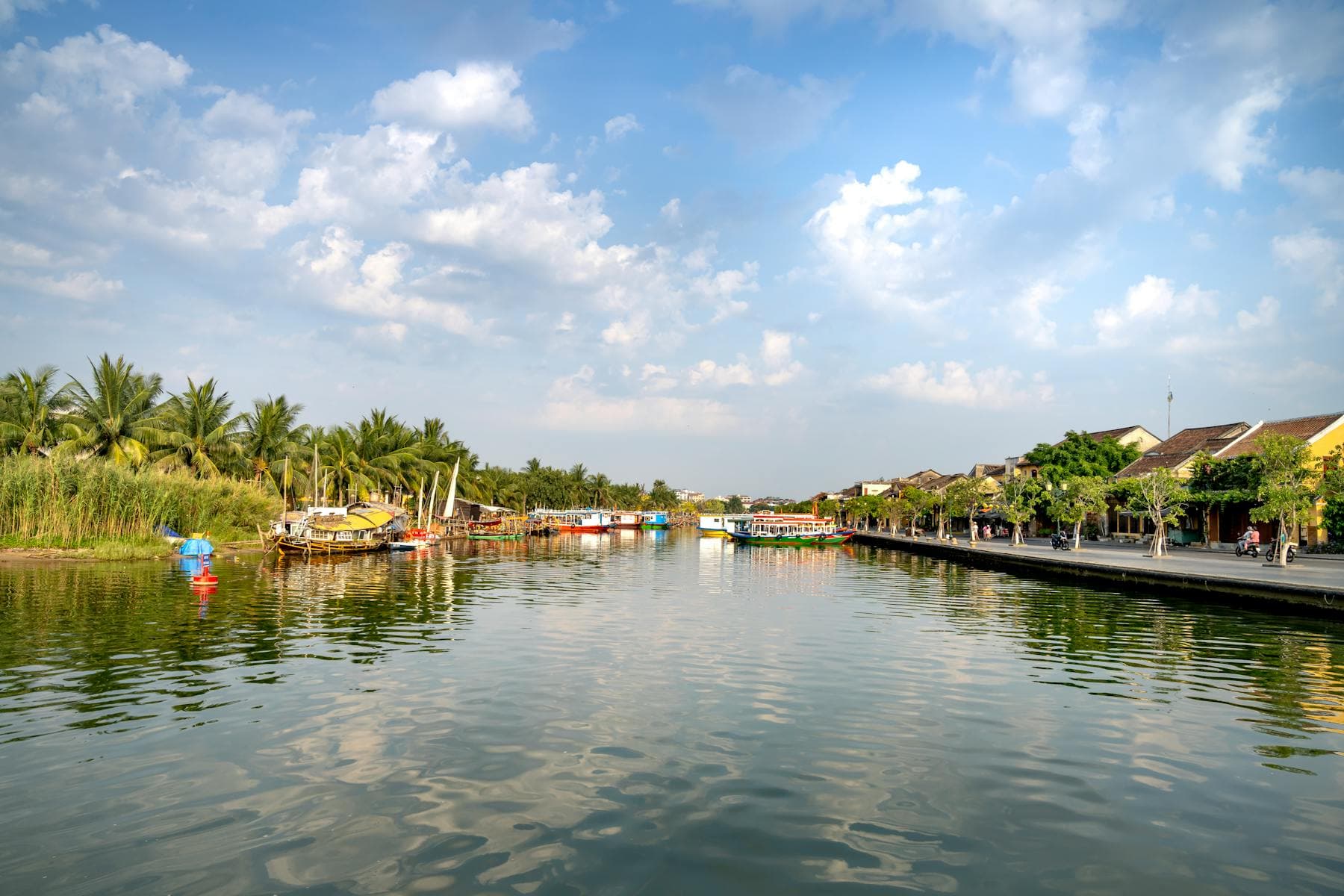
1. Cẩm Thanh and the water-coconut grove. About three kilometres from the Old Town, Cẩm Thanh is a brackish-water area with a long stretch of nipa palm — the basket-boats float through narrow channels of green. Early in the morning, before the engines start, this is one of the quietest pockets in Hội An. A walk along the canal, or a rented bicycle, is enough.
2. An Bàng beach. A long stretch of sand, plenty of small friendly cafes, and — crucially — no high-rise resorts breaking the horizon. An Bàng is where Hội An locals go on the weekend, not where parties are held.
3. Trà Quế and the herb villages. A several-hundred-year-old organic herb village. Arrive early and you will see gardeners watering their beds with hand ladles, the way it has always been done. Arrive late and you will see the electric tour carts. Go early.
4. Along the Thu Bồn River. This is the part of Hội An that most travellers only glimpse on the way to the airport. But up and downriver, especially on the western edge of town, there are villages still completely intact — areca-palm gardens, dirt lanes, and old brick houses with families inside who actually live there, not staged for photographs.
How to "stay" rather than how to "see"
One of the more interesting shifts in 2026 travel is that accommodation is no longer simply a place to sleep. It is becoming part of the trip itself. Vietnamese travellers — particularly Gen Z and millennials — are willing to pay more for a small villa with space, plants, and a real cooked breakfast than for a larger, anonymous hotel room.
Planning a trip around this? See dates at our quiet riverside hotel on the Thu Bồn. Check availability →
That explains why small riverside villas, family-run guesthouses, and wellness retreats with only a handful of rooms are doing so well around the edges of Hội An. It is also the segment local authorities are quietly encouraging, both to ease pressure on the centre and to spread visitors more evenly across the city.
Places like Nghê Prana — a family-run riverside hotel with an Ayurveda-style spa and a morning yoga deck — are how you stay in Hội An without staying inside high-season Hội An. You still go into the Old Town, but on your timing, and you retreat to somewhere quiet when you need it.
Small choices that make the trip stay with you
Visit the Old Town at six in the morning, or after ten at night. These are the two windows when Hội An briefly returns to the people who live there. Sidewalk coffee, the Japanese Bridge nearly empty, soft light — worth ten times more than the "golden hour" of the evening rush.
Arrange a home-cooked meal in the surrounding villages. Many families in Cẩm Thanh and Cẩm Kim will cook a proper Quảng Nam meal — mì Quảng, braised fish, a bowl of vegetable broth. It is better than nearly anything served inside the Old Town, and far cheaper.
Leave at least one morning unscheduled. A bicycle, a paper map, a bottle of water. This is how Hội An tells its own story.
Wear light clothes and flat shoes. The Central Vietnamese sun does not negotiate, and most of the worthwhile places are reached on foot.
A Hội An to come back to
Hội An is not a city you "conquer." It is a city you return to — first for the lanterns, second for the morning coffee, third for the river you missed on the first two trips.
For travellers planning a short stay in 2026, one piece of advice: do not book your hotel inside the Old Town by default. Walk a few kilometres further. There is another Hội An waiting, and it is so quiet you will hear the river move.
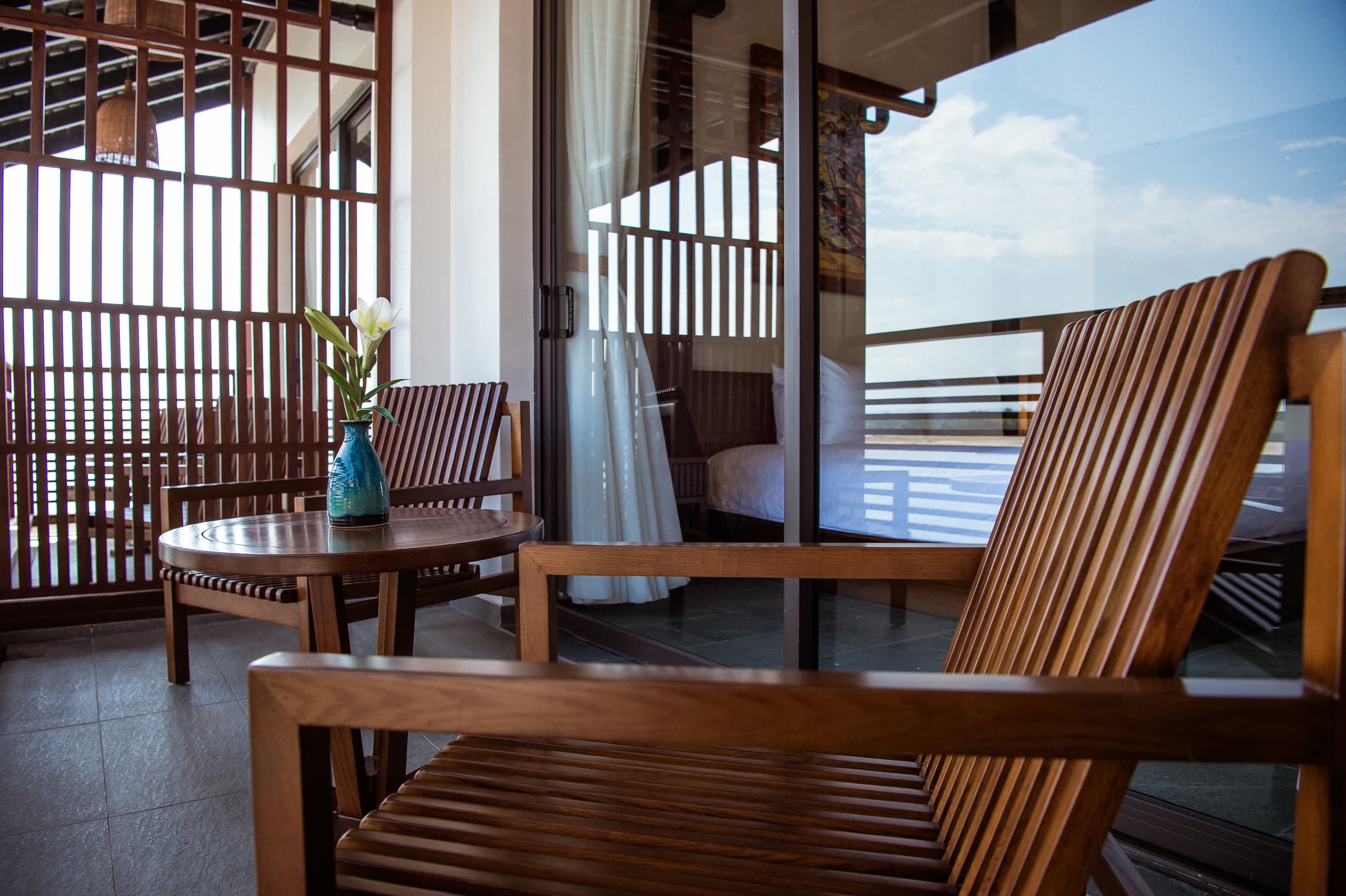
Every room at Nghê Prana is designed around the science of sleep. Blackout curtains, nightly aromatherapy turndown, and riverside quiet — experience what real rest feels like.
Riverside hotel rooms on the Thu Bồn, ten minutes by bicycle from the Ancient Town. Whether it's one night between Hue and Da Nang or a full week of doing nothing — we kept your room quiet.
Free cancellation · Direct from the family who built the hotel
 WhatsApp
 Zalo
Zalo