Île de Cham (Cù Lao Chàm) : guide complet pour une excursion d'une journée depuis Hội An
À dix-huit kilomètres au large de Hội An se trouve Cù Lao Chàm — huit petites îles, une réserve de biosphère marine de l'UNESCO, et le récif de snorkeling le plus propre à portée de la vieille ville.
Cù Lao Chàm — connue en français sous le nom d'île de Cham — est l'archipel de huit îles situé à dix-huit kilomètres à l'est de la côte de Hội An, au cœur de ce que l'UNESCO a classé Réserve de biosphère marine en 2009. Hòn Lao, la plus grande des huit, est la seule habitée — environ trois mille personnes, presque toutes des familles de pêcheurs. Les sept autres sont inhabitées et protégées. Pour qui vient à la journée depuis Hội An, l'attrait est simple : c'est le plus proche morceau de littoral vietnamien authentiquement vide, avec le récif de snorkeling le plus propre à distance raisonnable de la vieille ville, et un village de pêcheurs qui fonctionne encore comme les villages de pêcheurs fonctionnent ici depuis plusieurs siècles.
Le voyage commence au quai de Cửa Đại, à vingt-cinq minutes en voiture à l'est de Cẩm Nam. Les bateaux rapides partent entre 7 h 30 et 8 h 30, selon la marée et la saison ; la traversée prend trente à quarante minutes. Les bateaux sont bruyants, la mer entre Hội An et Cù Lao Chàm peut être hachée en hiver, et le mal de mer n'est pas rare — prenez un Dramamine ou son équivalent local la veille au soir si vous y êtes sensible. De mai à août, la mer est plate et la traversée calme. De septembre à avril, les conditions varient ; en octobre et novembre, le service est parfois suspendu plusieurs jours de suite quand les typhons ferment la côte.
Ce qu'on y fait vraiment
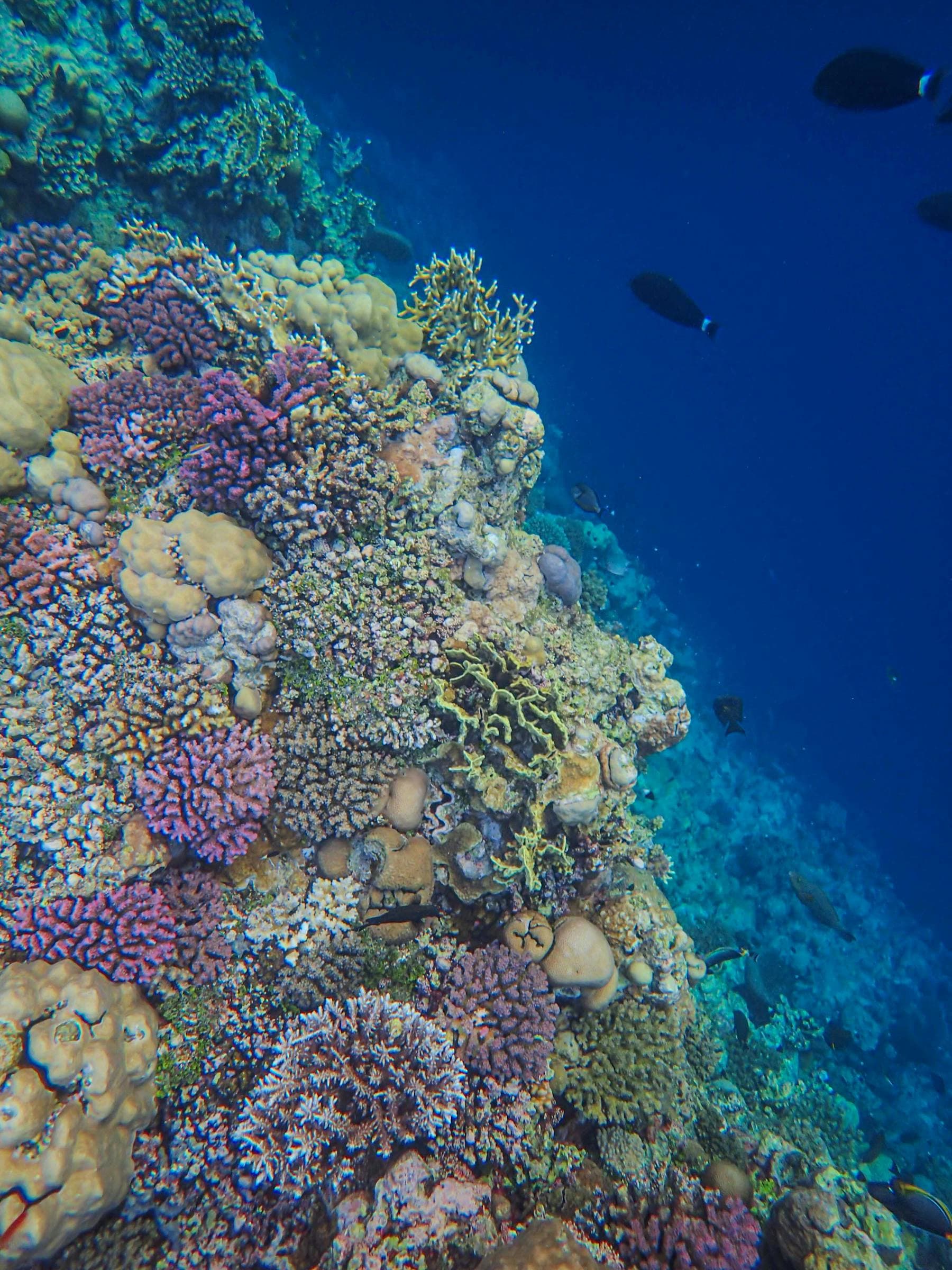
La plupart des excursions à la journée suivent la même boucle : une heure ou deux de snorkeling sur l'un des trois sites du récif (Bãi Bìm, Bãi Xếp ou Hòn Lá selon les conditions), un arrêt à la pagode Hải Tạng et au petit musée de la zone marine protégée, déjeuner au village de pêcheurs de Bãi Làng, puis quelques heures sur la plage de Bãi Chồng avant que le bateau ne reparte vers 15 h ou 16 h. Le récif est l'attrait principal. La visibilité tourne régulièrement entre huit et douze mètres, le corail est en bonne santé selon les standards d'un récif accessible depuis n'importe quelle ville-port vietnamienne, et l'on croise typiquement quelques petits requins de récif et de larges bancs de fusiliers. Apportez votre propre masque si vous l'avez — la qualité du matériel de location est très variable.
La visite de la pagode est correcte mais brève. Le musée maritime est petit et explique l'effort de conservation qui a fait de ce récif l'un des rares en bonne santé du Centre-Vietnam : interdiction stricte du plastique sur l'île (impossible d'y apporter du plastique à usage unique), restriction tournante des zones de pêche, et un droit d'entrée de 4 USD qui finance la conservation locale. Le déjeuner au village de pêcheurs — généralement dans l'un des trois ou quatre restaurants familiaux — s'organise autour du poisson grillé pêché le matin, du calamar sel et poivre, et du liseron d'eau sauté à l'ail. Comptez 200 000 à 300 000 VND par personne, et c'est plus intéressant que la cuisine de bord de plage que l'on trouve à Hội An.
L'observation structurelle : l'île récompense les voyageurs qui la traitent comme une vraie journée plutôt que comme un prolongement de plage. Le récif est la raison de venir ; le village est la raison de rester une heure de plus, après le créneau standard.
Réservation, prix et réalité du bateau
Une excursion de groupe standard à la journée coûte entre 600 000 et 900 000 VND par personne, transfert, bateau, kit de snorkeling, déjeuner et frais de réserve compris. Un bateau privé pour quatre à huit personnes, sur le même itinéraire, revient à environ quatre millions de VND, ce qui est nettement préférable si vous voulez maîtriser les horaires ou rester plus longtemps dans l'eau. La plupart des hôtels du côté de Cẩm Nam (le nôtre inclus) peuvent organiser les deux ; sinon, les agences de la rue Trần Phú dans la vieille ville sont fiables. Évitez les guides qui démarchent depuis les pousse-pousse — le prix annoncé devient souvent supérieur une fois le bateau parti.
Les week-ends de haute saison (juin à août) sont chargés ; attendez-vous à voir trois ou quatre bateaux de groupe débarquer en même temps. Les mardis et mercredis des saisons intermédiaires (mars, avril, septembre) sont les jours les plus calmes et la visibilité du snorkeling y est généralement la meilleure.
Vous organisez votre séjour ? Vérifiez les disponibilités de notre paisible hôtel au bord de la Thu Bồn. Voir les disponibilités →
Passer la nuit
Une douzaine de homestays opèrent sur Hòn Lao, la plupart rudimentaires — chambre à ventilateur, salle de bains commune, repas familial, peut-être un hamac sur la véranda. Deux raisons d'y dormir : le ciel nocturne (l'île a une pollution lumineuse minimale et, par nuit claire de nouvelle lune, la Voie lactée est visible) et la sortie de pêche à l'aube avec un pêcheur du village, que votre hôte peut organiser. Les réservations passent mieux par Booking.com ou par les OTA vietnamiennes ; les homestays n'ont pas tous de site en anglais.
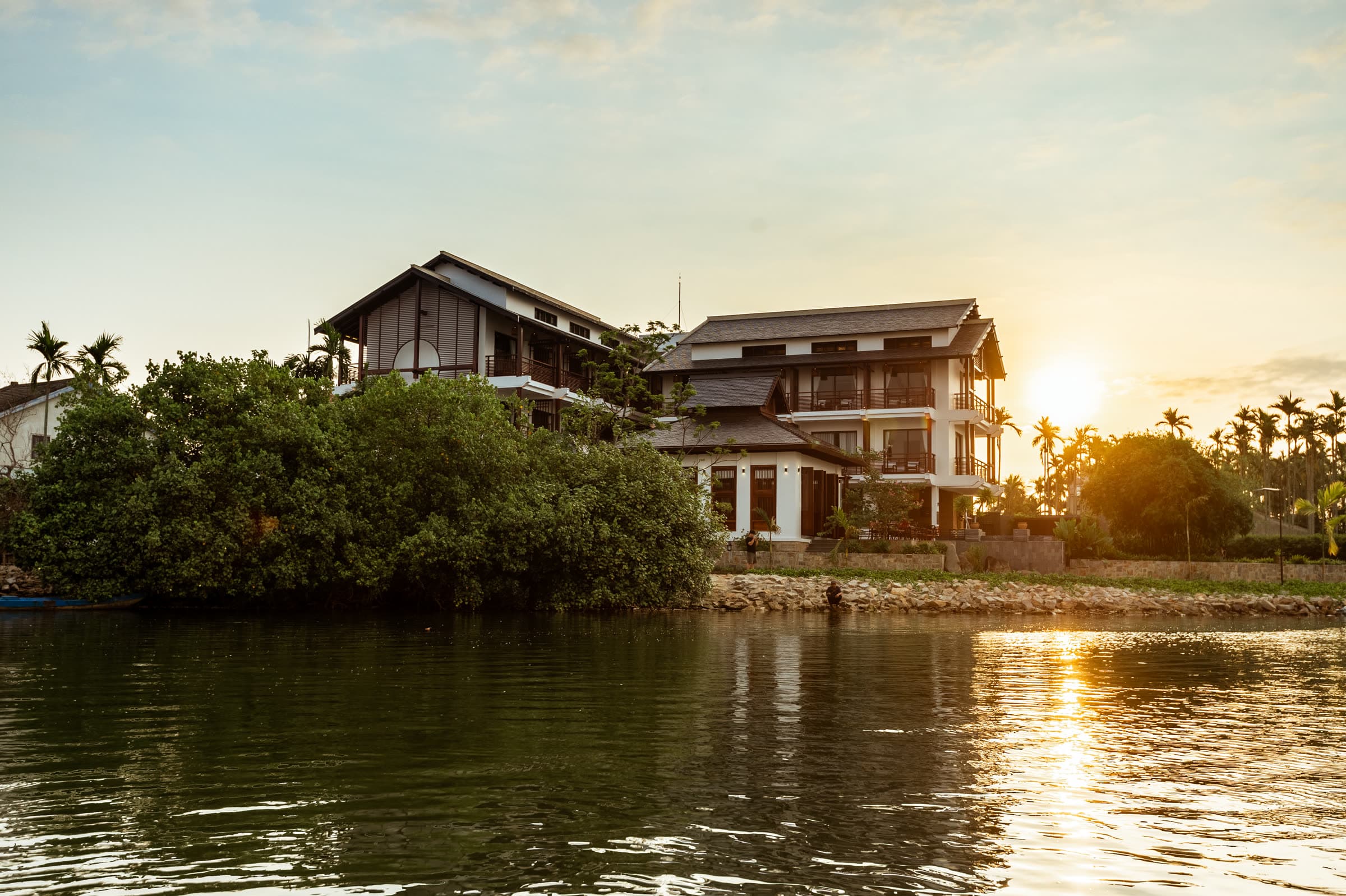
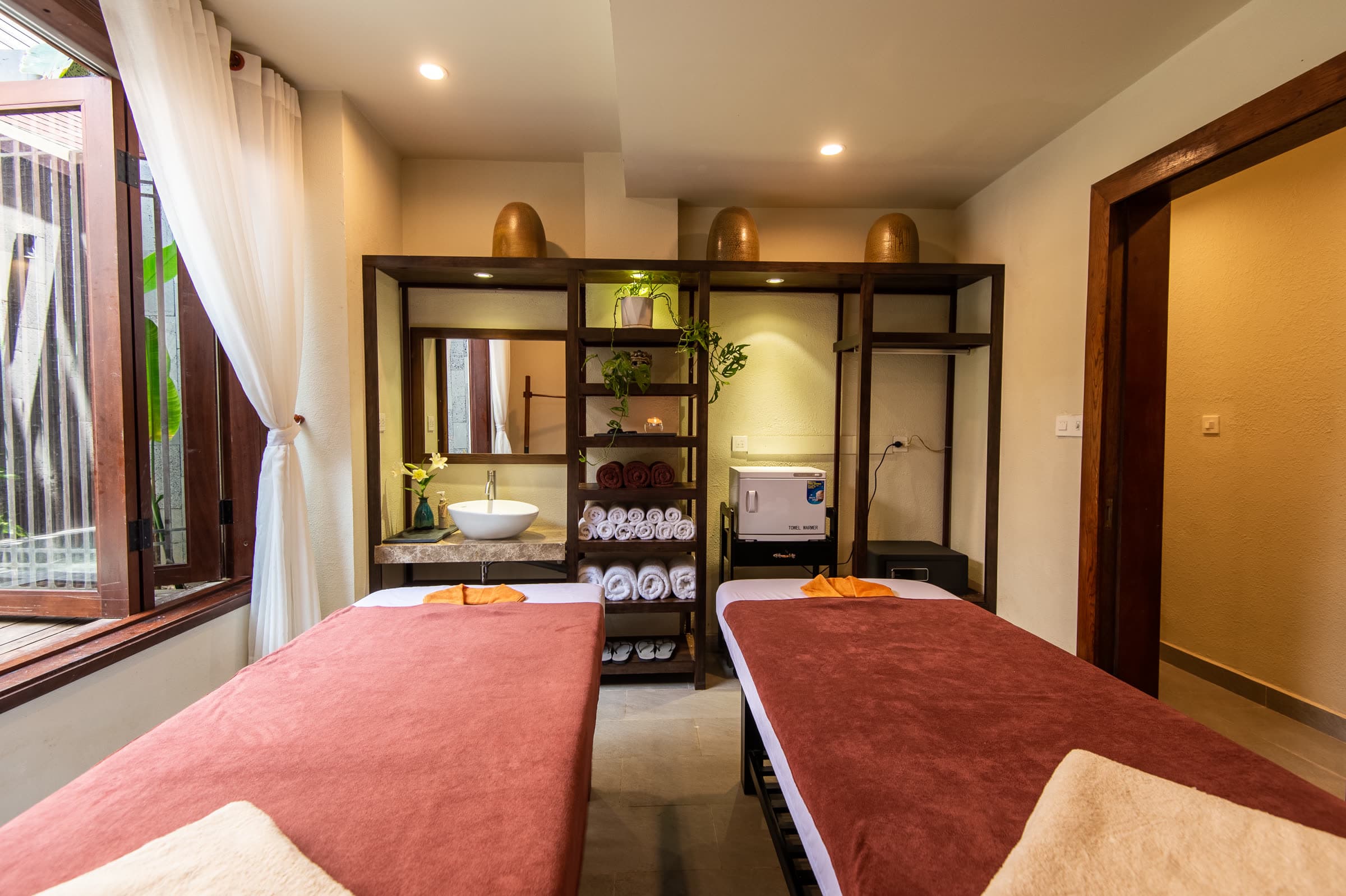
Pour la plupart des visiteurs, toutefois, l'excursion à la journée est le bon format. Retour à Cẩm Nam en fin d'après-midi, le spa chauffé, la chambre silencieuse, et le contraste entre la fatigue saline du bateau et le bain aux herbes qui suit fait à lui seul partie de l'attrait d'un séjour dans un hôtel au bord du fleuve, à vingt-cinq minutes du quai.
Aspects pratiques
Apportez une crème solaire compatible avec les récifs — la réserve marine la demande, et la version stricte de la règle est appliquée au point de contrôle « zéro plastique ». L'argent liquide est indispensable ; l'île n'a qu'un seul DAB, peu fiable. Le signal mobile est faible sur le bateau et inégal au village. Le droit d'entrée à la réserve est actuellement de 70 000 VND ; la règle « zéro plastique » est appliquée — emportez une bouteille rechargeable. Conservez votre billet de bateau — il est revérifié au retour.
Depuis Nghê Prana, comptez vingt-cinq minutes en voiture jusqu'au quai, huit à neuf heures aller-retour au total ; la sortie s'enchaîne naturellement avec une journée tranquille en amont et une journée de récupération en aval. Nous organisons le transfert et la réservation ; le village de Cù Lao Chàm récompense les voyageurs qui arrivent avec des attentes réalistes et repartent avant l'arrivée des bateaux de groupe à 15 h.
Every room at Nghê Prana is designed around the science of sleep. Blackout curtains, nightly aromatherapy turndown, and riverside quiet — experience what real rest feels like.
Chambres au bord du fleuve, à dix minutes à vélo de la vieille ville. Une nuit entre Hué et Da Nang ou une semaine sans emploi du temps — votre chambre restera silencieuse.
Annulation gratuite · Réservation directe auprès de la famille propriétaire

 WhatsApp
 Zalo
Zalo