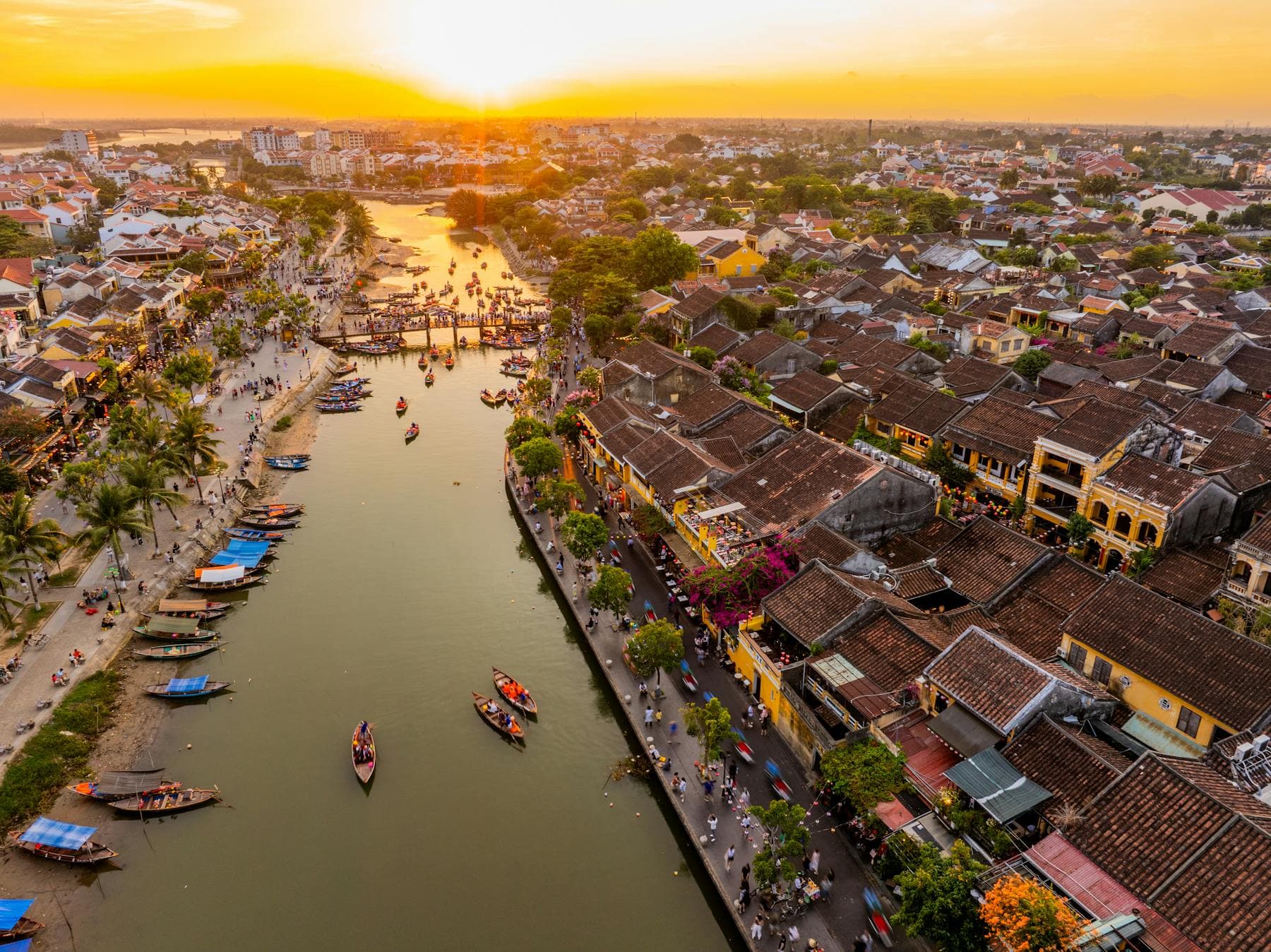
Travel
2026년에도 호이안은 갈 만한 곳인가? 조용한 쪽에서 보내는 솔직한 답
2024년 방문객 4.43M, 거주민 120K. 람 티 미 중(Lâm Thị Mỹ Dung) 교수는 이를 "오버, 오버, 오버 투어리즘"이라 부릅니다. 2026년의 솔직한 답은 세 부분으로 나뉘고, 그중 어느 것도 단순한 "예"나 "아니오"가 아닙니다.
Apr 23, 20269 minRead Article
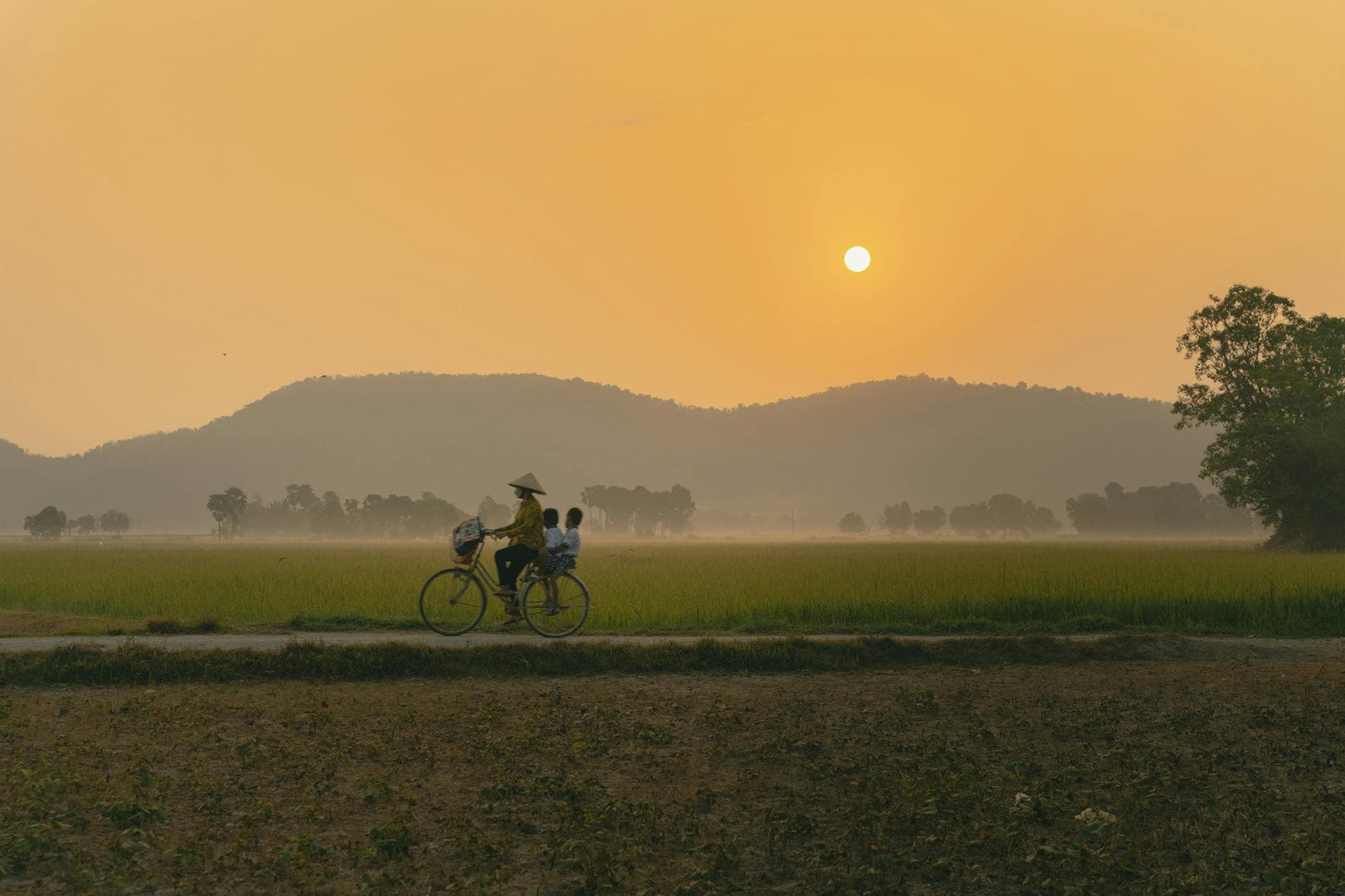
독일은 해마다 550만 건의 자전거 휴가를 만들어 내며, 그 가치는 110억 유로에 달합니다(ADFC Radreiseanalyse 2024). 본질에서 호이안은 그에 가장 가까운 아시아의 짝입니다 — 평탄하고, 강을 끼고, 표지가 잘 되어 있으며, 투본(Thu Bồn)강 위 단 하나의 거점에서 뻗어 나가는 이름 붙은 다섯 개의 순환 코스가 있습니다. 모든 코스를 직접 달려 본 강변 호텔이 전하는, DACH(독일어권) 여행자를 위한 호이안 자전거 안내서입니다.
도나우라트베크(Donauradweg, 도나우강 자전거길)를 도나우에싱겐에서 파사우까지 달려 보았거나, 엘베라트베크(Elberadweg)를 쇠나에서 북해까지 페달을 밟아 본 적이 있다면, 호이안 일대의 자전거 길은 곧바로 읽힐 것입니다. 평탄하고. 강을 끼고. 조용하고. 표지가 되어 있고. 느린 하루와 40~60km 순환 코스를 위해 만들어졌습니다. 표지는 ADFC의 흰 바탕에 녹색 표준이 아니라 베트남어로 되어 있고, 문에는 베트+바이크(Bett+Bike) 스티커가 붙어 있지 않습니다 — 베트남은 아직 그 제도에 속해 있지 않기 때문입니다. 하지만 DACH 자전거 여행자를 행복하게 만드는 본질은 이곳에 보기 드문 밀도로 모여 있습니다. 이 글은 장거리 강변 코스가 무엇인지 이미 아는 라트라이젠데(Radreisende, 자전거 여행자)를 위한 것이며, 자연스러운 질문에 답합니다 — 아시아에 이런 곳이 있을까?
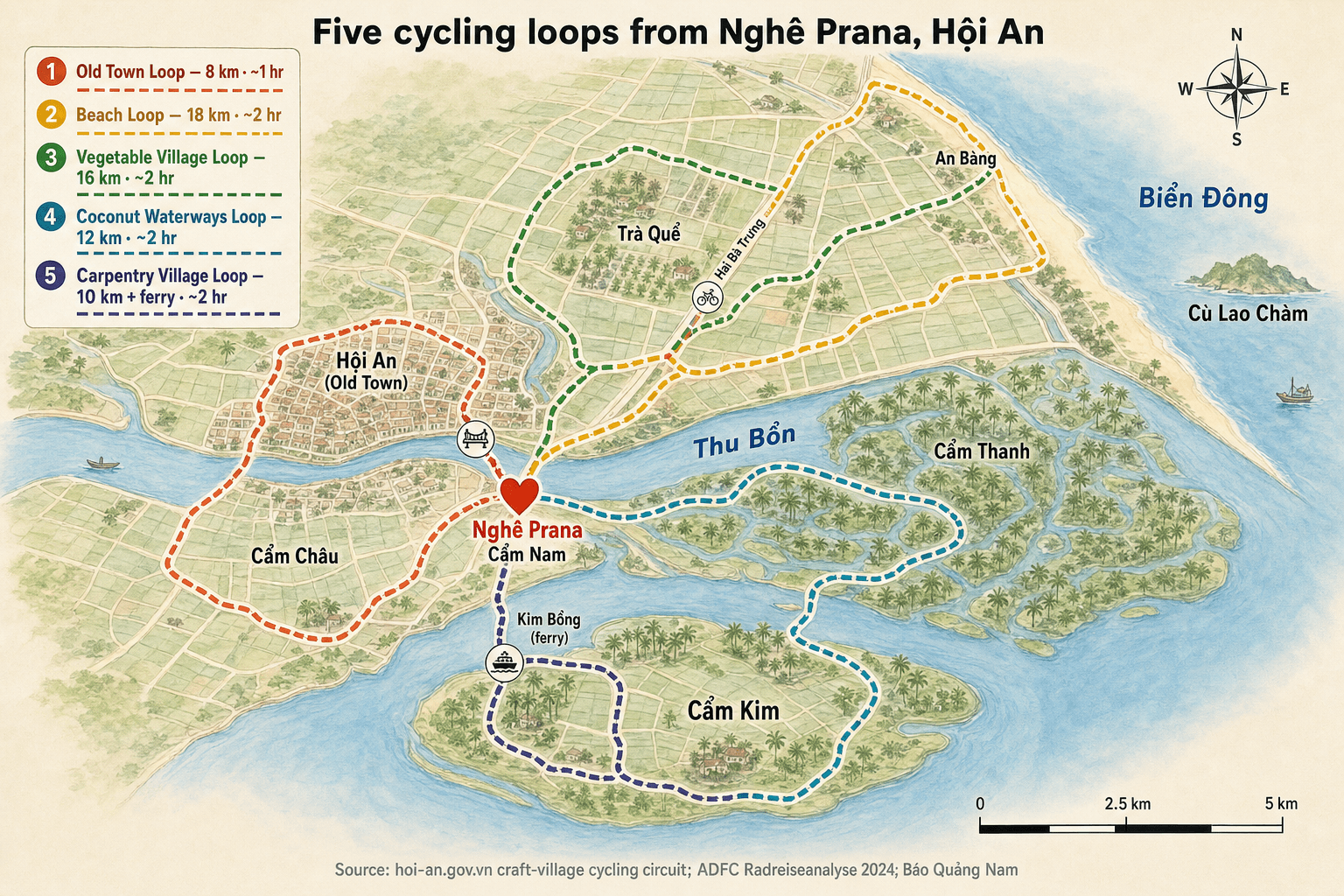
응에 프라나의 다섯 자전거 코스. 출처: hoi-an.gov.vn 공예 마을 자전거 순환로; ADFC Radreiseanalyse 2024; Báo Quảng Nam.
짧게 답하자면: 정말로 이곳뿐입니다. 독일자전거연맹(Allgemeiner Deutscher Fahrrad-Club, ADFC)에 따르면 독일은 해마다 약 550만 건의 라트우어라우베(Radurlaube, 자전거 휴가)를 만들어 내며, 독일 경제에 약 110억 유로의 가치를 가져옵니다. DACH 자전거 여행자는 세계에서 가장 지출이 크고 인원이 적은 여행 부문입니다 — 평균 연령 50세 이상, 한 번 머무를 때 6~9박, 1박당 약 90유로. 그들은 "Radreise Vietnam", "Mit dem Fahrrad durch Hội An", "Vietnam Radurlaub"을 검색합니다. 호이안은 베트남 국가관광청(Cục Du lịch Quốc gia Việt Nam)이 마이쩌우(Mai Châu), 깟띠엔(Cát Tiên)과 더불어 자전거 관광의 모범으로 꼽은 세 곳 중 하나입니다. 껌남(Cẩm Nam)의 투본강 남안에 자리한 우리 호텔은 그 모든 코스의 자연스러운 출발점에 있습니다.
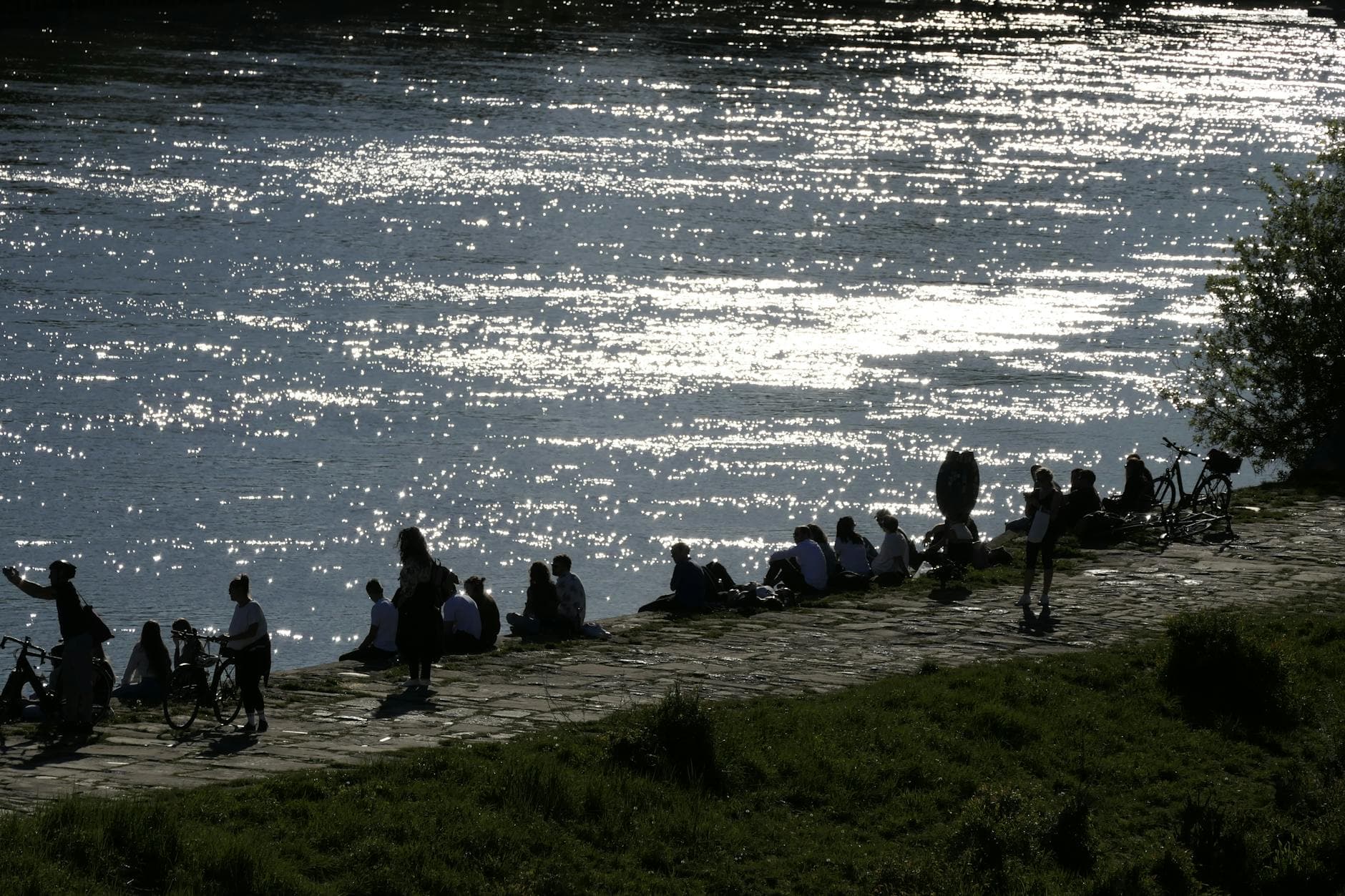
사진: Michaela St / Pexels
독일의 자전거 관광 인프라는 50년에 걸친 프로젝트입니다. 1979년에 설립된 독일자전거연맹(Allgemeiner Deutscher Fahrrad-Club, ADFC)은 현재 약 19만 명의 회원을 두고 있으며, 해마다 ITB 베를린 무역 박람회에서 정전(正典)과도 같은 라트라이제아날뤼제(Radreiseanalyse)를 발표합니다. 2024년판은 매년 약 550만 명의 독일인이 자전거 휴가를 떠나며, 이 부문의 가치가 약 110억 유로에 이른다고 보고합니다. 평균적인 라트우어라우버(Radurlauber, 자전거 휴양객)는 50세가 넘고, 6~9박을 예약하며, 1박당 약 90유로를 씁니다 — 업계 용어로 보면 스포츠 관광객보다 문화 여행자에 더 가까운 모습입니다.
코스의 층은 유난히 촘촘합니다. 도나우에싱겐에서 파사우까지의 도나우라트베크(독일 영토 내 약 600km)는 독일어권에서 가장 많이 달리는 장거리 코스로, 유로벨로 6(EuroVelo 6)으로 지정되어 빈과 부다페스트까지 이어져 총 약 2,850km에 이릅니다. 쇠나의 체코 국경에서 북해의 쿡스하펜까지의 엘베라트베크(860km)는 10년 넘게 ADFC Radreiseanalyse의 인기 코스 순위 1위를 지켜 왔습니다. 뷔르츠부르크에서 퓌센까지의 로만티셰 슈트라세 라트베크(Romantische Straße Radweg, 460km)는 유산을 찾는 자전거 여행자를 중세 도시들로 안내합니다. 그 아래에는 50개가 넘는 ADFC-크발리테츠라트루텐(ADFC-Qualitätsradrouten) — 노면, 표지, 교통 분리, 서비스, 숙박을 아우르는 연방 품질 기준 — 이 있습니다.
코스들 아래에는 두 개의 문화 제도가 있습니다. 바이크라인(Bikeline)은 1987년부터 오스트리아의 에스터바우어 출판사(Esterbauer Verlag)가 펴낸 스프링 제본의 방수 가이드북 시리즈로, 사실상 킬로미터 단위의 기준입니다. 베트+바이크(Bett+Bike)는 자전거 친화 숙소를 위한 ADFC의 인증 제도로, 2024년 기준 독일과 오스트리아 전역에 약 5,400개의 인증 시설을 등록하고 있습니다. DACH 자전거 여행자는 미국 운전자가 차창의 AAA 스티커를 찾듯 베트+바이크 스티커를 찾습니다 — 그것은 "두 개의 패니어를 단 채 비에 젖은 자전거 여행자에게 무엇이 필요한지 안다"는 뜻의, 믿을 수 있는 약속의 표시입니다.
이 모든 것을 하나로 묶는 것은 도나우라트베크와 보덴제-쾨니히제-라트베크(Bodensee-Königssee-Radweg)가 나투어하일쿤데(Naturheilkunde, 자연치유) 시대 독일의 나머지와 공유하는 문화적 전제입니다 — 대화하듯 느린 속도로, 매일, 야외에서, 여러 날 연달아 움직이는 일이야말로 휴가를 통째로 짜낼 만한 가치가 있다는 것. 이 전제에는 사실상 아시아의 짝이 없습니다.
호이안은 베트남 국가관광청(Cục Du lịch Quốc gia Việt Nam)이 북서부의 마이쩌우, 남부의 깟띠엔과 더불어 자전거 관광의 모범 목적지로 꼽은 단 세 곳 중 하나입니다. 2025년 다낭 통합 이전 그 지방의 정론지였던 Báo Quảng Nam은, 도시의 오랜 지속가능 관광 프로그램의 일환으로 껌타인을 지나는 전용 자전거 도로, 안방 해변으로 이어지는 하이바쯩(Hai Bà Trưng) 자전거 회랑, 그리고 트라꾸에 일대의 논 순환로 조성을 보도해 왔습니다. 도시 포털 hoi-an.gov.vn은 2010년대 초부터 껌남, 껌타인, 끄어다이(Cửa Đại), 안방, 트라꾸에를 잇는 지정 공예 마을 자전거 순환로를 운영해 왔으며, 이는 2009년 꾸라오짬 생물권보전지역 지정 무렵 유네스코의 지속가능 관광 자문 체계와의 협력으로 개발되었습니다.
지형이 나머지를 해결합니다. 투본 삼각주는 완벽하게 평탄합니다 — 우리 정문에서 반경 15km 안에는 이렇다 할 오르막이 하나도 없습니다. 도로망은 무거운 교통과 자전거용 뒷골목을 실질적으로 분리합니다: 남북을 잇는 QL1 국도는 내륙 깊숙이 지나가, 구시가지 변두리, 안방 해변 회랑, 껌타인 습지, 트라꾸에 허브 마을을 이제 자전거와 진정으로 공유하는 조용한 길들로 남겨 둡니다. 껌타인의 바구니 배 투어는 2015년 이후 폭발적인 인기를 얻었고, Báo Quảng Nam이 짚었듯 도로가 관광버스에 적합하지 않은 탓에 자전거가 구시가지에서 습지로 가는 주된 이동 수단이 되었습니다. 두 바퀴 인프라는 수요를 뒤따랐습니다.
행정상 한 가지 단서가 있습니다. 2025년 꽝남–다낭 통합(결의 202/2025/QH15와 뒤이은 유산 관리 개편)으로 아래 다섯 코스는 모두 이제 단일 다낭 행정 아래 세 개의 프엉(phường, 동)을 가로지릅니다 — 프엉 호이안, 프엉 호이안떠이(Hội An Tây), 프엉 호이안동(Hội An Đông) — 여기에 섬 단위인 싸 떤히엡(Xã Tân Hiệp)이 더해집니다. 실질적으로 코스 자체는 달라지지 않았지만, "껌안(Cẩm An)"이나 "껌쩌우(Cẩm Châu)"를 별개의 동으로 언급하는 옛 베트남어 보도를 읽는다면 그 이름들은 위로 통합되었습니다 — 전체 그림은 2026 유산 통합에 관한 동반 기사를 참고하세요.
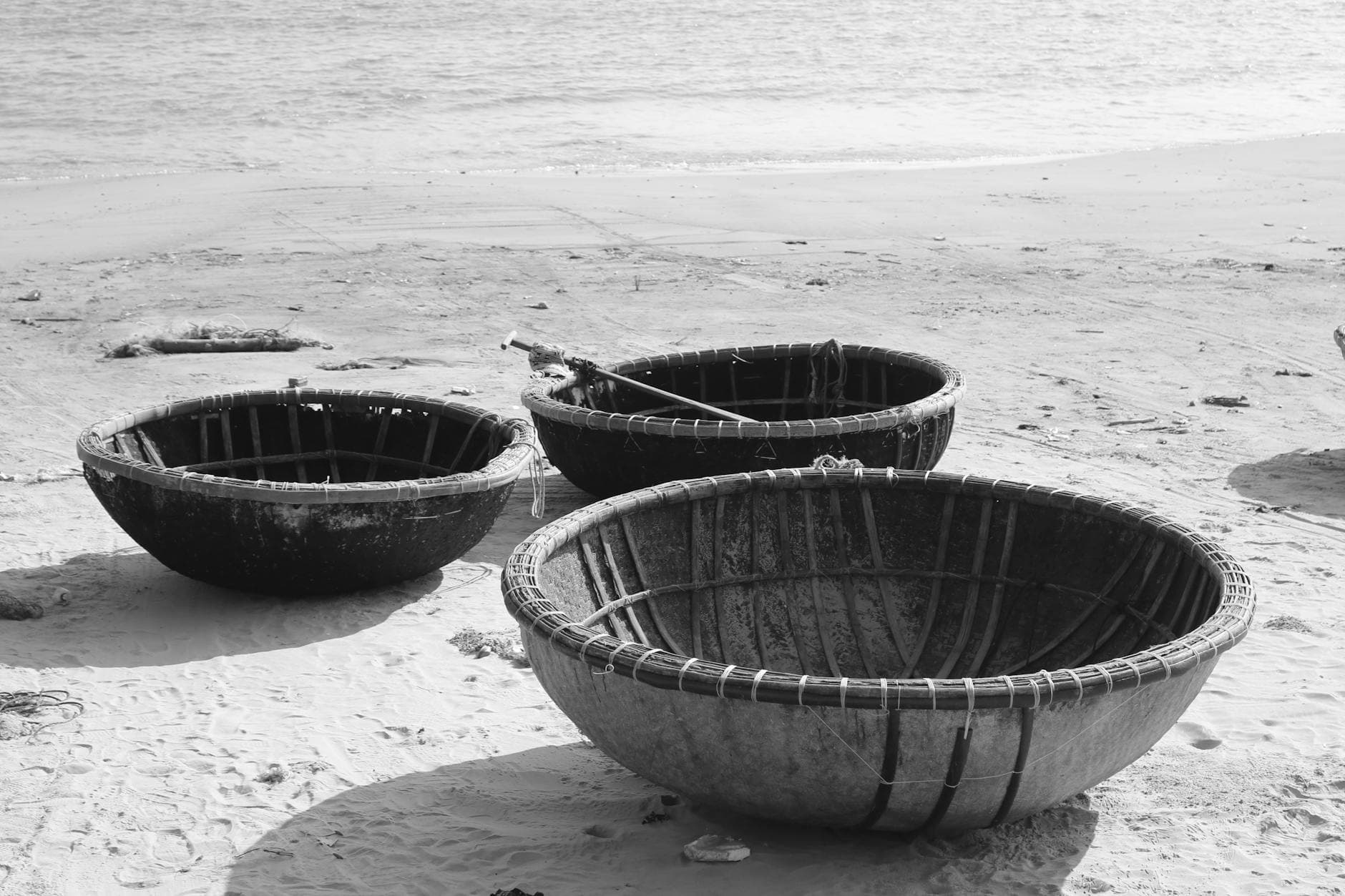
사진: Jolenne Trieu / Pexels
이 코스들은 모두 껌남(현 프엉 호이안)의 투본강 남안에 있는 우리 정문에서 시작해 그곳으로 돌아옵니다. 자전거는 투숙객에게 무료입니다. 지형은 100% 평탄합니다. 거리는 호텔 측 어림수이니 직접 GPS로 확인할 만합니다 — 베트남 중부의 도로망은 지난 10년 동안 충분히 여러 번 다시 그려져, 종이 지도가 현지보다 뒤처져 있습니다.
코스 1 — 구시가지 코스 · 8km · 약 1시간. 껌남 → 남안 제방길 → 안호이(An Hội) 보행 다리(자전거 전용) → 유네스코 등재 구시가지 천천히 통과 → 껌쩌우 논 → 복귀. 가운데에는 목조와 기와의 거리 풍경이 3분, 양옆으로는 물빛 어리는 논. 다섯 중 가장 짧으며, 시차로 지친 도착 당일에 알맞은 코스입니다.
코스 2 — 해변 코스 · 18km · 약 2시간. 껌남 → 껌쩌우 → 하이바쯩 자전거 회랑(이 순환로를 위해 도시가 특별히 조성한 북동쪽 전용 차로) → 안방 해변 → 해안 도로를 따라 북쪽으로 → 내륙 논길을 거쳐 복귀. 안방은 정말로 수영이 되고, 바구니 배들은 새벽에 모래밭으로 끌어올려져 있으며, 해안 관목 지대를 지나는 내륙 복귀 구간은 모터 차량을 아예 보지 않게 되는 코스 중 하나입니다. 이 코스의 수영 구간은 안방 해변 페이지를 참고하세요.
코스 3 — 채소 마을 코스 · 16km · 약 2시간. 껌남 → 껌쩌우 → 트라꾸에(400년 된 유기농 허브 마을) → 해안 도로를 따라 안방까지 → 복귀. 트라꾸에 마을 길은 허브 이랑 사이를 누빕니다: 바질, 민트, 들깻잎, 고수, 레몬그라스가 저마다 돋운 이랑 위에 있습니다. 여러 가정집 부엌에서 요리 강습이 열리며, 슈퍼마켓 봉지 크로이터(Kräuter, 허브)에 익숙한 손님에게 허브를 알아보는 일은 소박하지만 진짜 즐거움입니다.
이 일정으로 여행을 계획 중이신가요? 투본 강가의 조용한 리버사이드 호텔 예약 가능 날짜를 확인하세요. 예약 가능 여부 확인 →
코스 4 — 야자수 물길 코스 · 12km · 약 2시간. 껌남 → 껌쩌우 통과 → 껌타인 니파야자 습지(현 프엉 호이안동) → 선택 사항인 30분 바구니 배(thúng chai) 우회 → 강을 따라 복귀. 니파야자 터널이 시각적 정점이고, 아침 어업 협동조합이 살아 있는 중심축입니다. 습지에 관한 자세한 내용은 껌타인 페이지를 참고하세요.
코스 5 — 목공 마을 코스 · 자전거 10km + 나룻배 5분 · 약 2시간. 껌남 → 남쪽으로 낌봉 나루터까지 → 작은 배로 투본강을 건너 → 껌낌(Cẩm Kim)섬의 낌봉 목공 마을 → 복귀. 다섯 코스 중 유일하게 나룻배로 갈아타며, 걸어 들어갈 수 있는 600년 된 조선·가구 공방들은 호이안이 가진, 야외 공예 박물관에 가장 가까운 것입니다. 강을 앞에 두고 황금빛 시간에 돌아오는 풍경이 곧 엽서입니다.
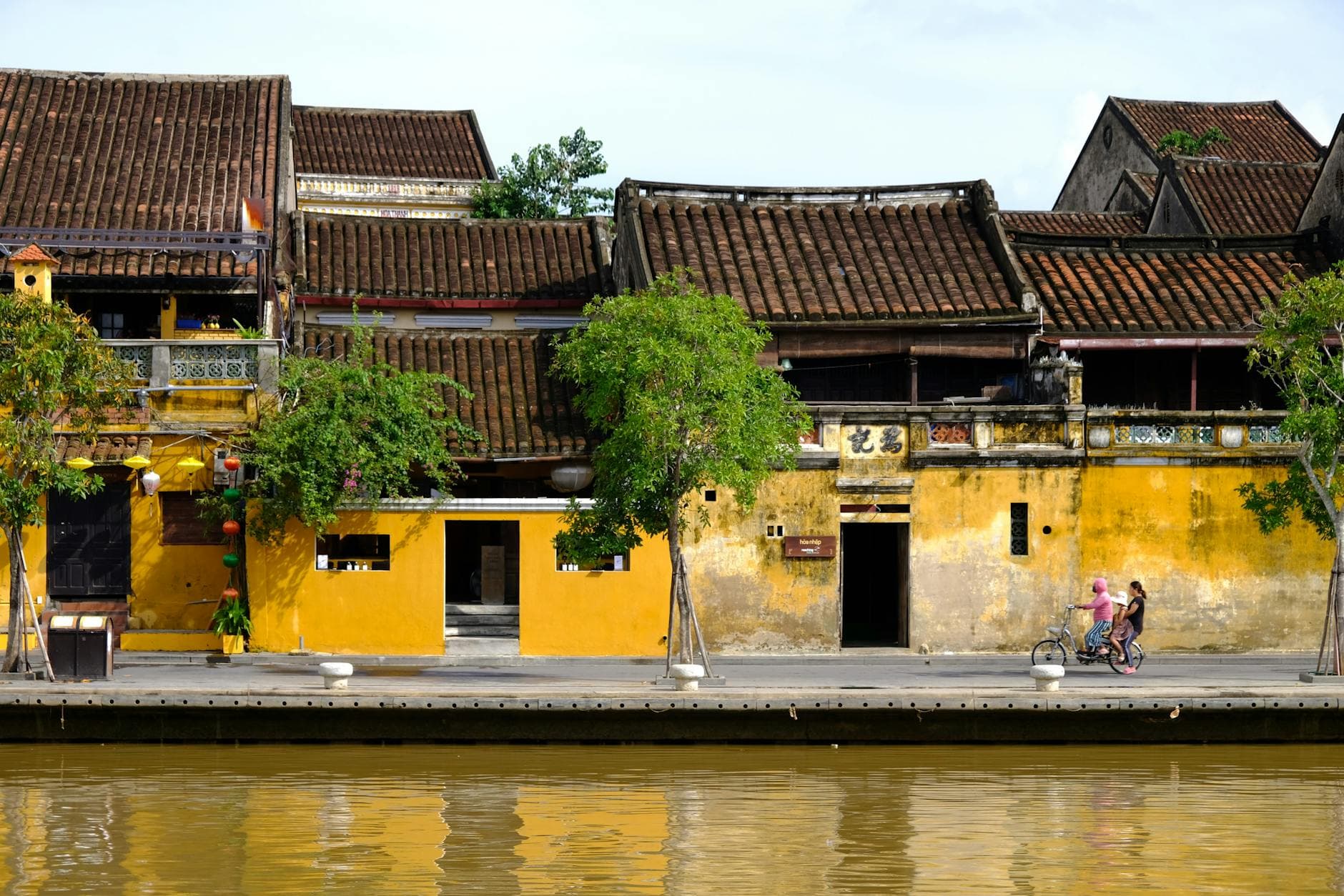
사진: Sirikul R / Pexels
먼저 솔직하게 짚겠습니다. 호이안은 ADFC-크발리테츠라트루테가 아닙니다. 베트+바이크 제도는 베트남에서 운영되지 않으므로, 이 나라의 어느 호텔도 — 우리를 포함해 — 그 스티커를 달고 있지 않습니다. 베트남에는 연방 차원의 자전거 품질 기준이 없고, 아직 스프링 제본의 바이크라인 호이안도 없으며, 보험으로 환급되는 자전거 요양(Kur)도 없습니다. 가장 가까운 아시아의 짝이라 해서 독일 원본과 같은 것은 아니며, 우리는 그렇다고 주장하지 않겠습니다.
기능적으로 갖추어진 것은 베트+바이크 시설이 본질에서 제공할 모든 것입니다: 투숙객을 위한 무료 자전거, 헬멧, 더 긴 코스를 위한 물, 프런트의 작은 수리 키트, 직접 자전거를 가져왔을 경우의 안전한 실내 보관, 코스를 직접 달려 본 직원이 아는 다섯 코스 전부, 그리고 화면으로 경로를 읽기보다 안내받기를 원할 경우 첫 라이딩에 동행하는 영어 가이드 선택지. 하이바쯩 회랑의 코스 표지는 베트남어로 되어 있지만, 우리 프런트의 경로 안내는 영어로 (요청 시 이메일로 독일어 서면으로도) 제공됩니다.
제도 측면에서, 베트남 국가관광청(Cục Du lịch Quốc gia Việt Nam)의 2024년 부문 계획은 호이안을 자전거 관광의 세 모범 목적지 중 하나로 명시하고 있으며, 유네스코 꾸라오짬 해양 생물권보전지역(2009년 지정)은 끄어다이 하구 전망을 포함하는 모든 코스의 끝에 자리합니다. 이곳의 자전거는 10년 넘게 명시적인 국가 전략이었습니다 — 누군가 즉흥적으로 꾸려 나가는 곁가지가 아닙니다.
쓸모 있는 기간은 5박에서 9박입니다 — 중간에 휴식일을 하루 두고 대화하듯 느린 속도로 다섯 코스를 모두 달리기에 충분히 길고, 표준적인 DACH 휴가 일정에 들어가기에 충분히 짧습니다. 구성 요소는 설계상 알라카르트(à la carte)입니다. 자전거는 숙박에 무료로 포함; 트라꾸에 요리 강습은 프런트에서 예약 가능; 껌타인 바구니 배는 야자수 물길 코스에 추가; 낌봉 공예 공방 방문은 목공 코스에 포함. 현재 우리는 단일 가격의 고정 다일정 자전거 패키지를 판매하지 않습니다(구체적인 계절별 패키지 요금: 게재 전 운영 측 확인 필요). 우리 경험상 독일 자전거 여행자는 하루 거리를 정해 받기보다 스스로 정하기를 선호하기 때문입니다.
크나이프쿠어(Kneippkur)의 논리가 당신에게 의미가 있다면, 자전거라는 기둥(베베궁스테라피(Bewegungstherapie), 즉 제바스티안 크나이프의 다섯 기둥 체계 속 운동 요법)은 나머지 네 기둥과 자연스럽게 맞물립니다. 우리는 베트남 웰니스와 독일 하일파스텐(Heilfasten)/크나이프 전통의 평행성에 관해 따로 글을 썼는데, 거기서 다섯 기둥의 대응을 기둥별로 펼쳐 두었습니다. 요컨대: 이곳의 자전거는 베베궁(Bewegung, 운동) 절반이고, 허브 증기욕과 식물 중심의 부엌이 같은 날 안에 그 패턴의 나머지를 완성합니다.
DACH 손님을 위한 실용적인 두 가지. 첫째, 계절: 2월부터 8월까지의 건기가 자전거의 적기입니다. 9월부터 1월까지는 우기로, 투본강이 이따금 껌남을 침수시킵니다 — 코스는 그래도 되지만 라이딩할 날을 며칠 잃게 됩니다. 둘째, 교통: 코스 자체는 조용하지만, 안방 접근로의 짧은 구간은 차가 다니는 길을 가로지릅니다. 대략 오전 9시 이전의 아침 시간이, 기온으로 보나 교통으로 보나 더 긴 코스에 알맞은 때입니다.
코스들을 한눈에 계획하고 싶다면, 게스트 지도가 위의 모든 출발점을 한 페이지에 보여 줍니다. 더 깊은 초대는 단순합니다. 독일의 도나우라트베크와 엘베라트베크는 그 뒤에 50년의 문화 인프라를 둔, 유럽에 몇 안 되는 강변 자전거 코스입니다. 본질에서 호이안은 그에 가장 가까운 아시아의 짝입니다 — 평탄하고, 강을 끼고, 표지가 되어 있고, 조용하며, 그것을 명시적으로 호명하는 국가 관광 전략의 뒷받침을 받습니다. 한쪽 끝에는 강, 다른 쪽 끝에는 동해를 두고, 하나의 거점에서 다섯 개의 짧은 코스를 일주일간 달리는 일은 라트라이제(Radreise) 개념에서 벗어난 휴가가 아닙니다. 그것은 또 다른 기후 속에 있는, 라트라이제 개념 그 자체입니다.
이 글에 대하여. 독일 자전거 전통의 참고 자료(ADFC Radreiseanalyse 2024; 도나우라트베크 / 엘베라트베크 / 로만티셰 슈트라세 라트베크; 1987년 이래의 바이크라인 / 에스터바우어 출판사; ADFC-크발리테츠라트루텐 및 베트+바이크)와 베트남 1차 자료(껌타인·안방 자전거 회랑에 관한 Báo Quảng Nam; hoi-an.gov.vn 공예 마을 자전거 순환로; 베트남 국가관광청(Cục Du lịch Quốc gia Việt Nam)의 모범 목적지 등재; 유네스코 꾸라오짬 생물권보전지역 2009; 결의 202/2025/QH15)를 종합했습니다. 호텔 측 1차 취재: 다섯 코스 모두를 투본강 남안 껌남의 우리 정문에서 직접 달리고 시간을 재었습니다.
Continue at Nghê Prana
Ready to Sleep Better?
Every room at Nghê Prana is designed around the science of sleep. Blackout curtains, nightly aromatherapy turndown, and riverside quiet — experience what real rest feels like.
View Our Rooms당신의 머무름은 지금 시작됩니다
강변 객실, 올드타운까지 자전거로 10분. 후에–다낭 이동 중 하룻밤이든, 일주일간 아무것도 안 하는 일정이든 — 당신의 방은 고요합니다.
무료 취소 · 호텔을 직접 짓고 운영하는 가족에게 바로 예약
웹사이트에서 직접 예약하면 15% 할인
 WhatsApp
 Zalo
Zalo