sleep
잠의 완전한 과학: 매일 밤 당신의 몸과 뇌에서 일어나는 일
뇌는 알츠하이머 독성 단백질을 스스로 청소합니다. 근육은 재건되고, 면역계는 재장전됩니다. 2025년 OHSU 연구는 수명을 예측하는 두 번째로 강력한 행동 요인이 수면 부족 — 흡연 다음 — 임을 밝혔습니다. 하루 가장 중요한 8시간에 대한 과학을 모두 정리합니다.
Apr 2, 202518 minRead Article
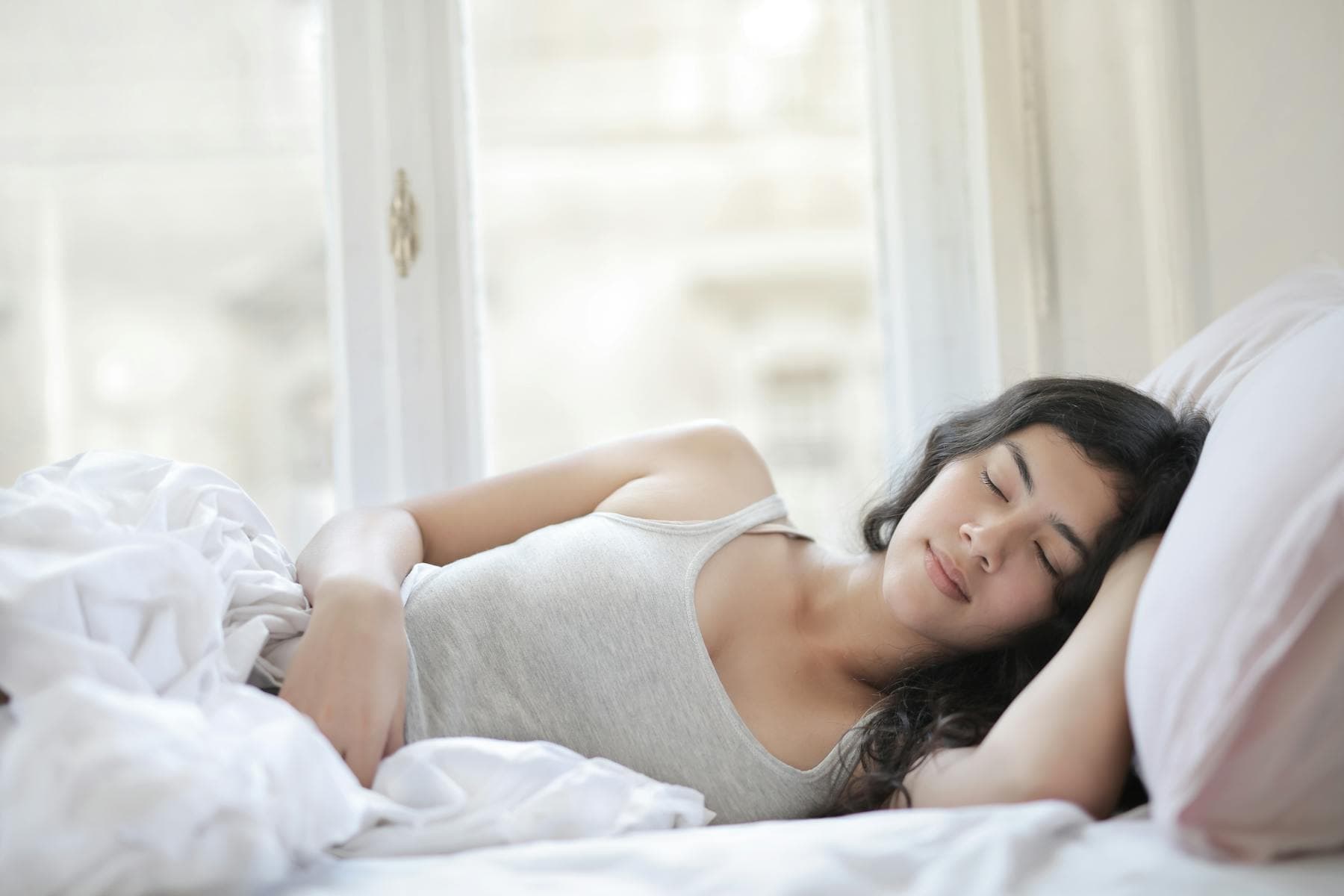
대부분의 호텔은 손님이 객실에 있지 않은 시간을 위해 설계됩니다. Nghê Prana는 정반대 — 손님이 누워 있는 여덟 시간을 중심으로 — 지어졌습니다. 잠을 본 상품으로 다룰 때 어떤 측정 가능한 차이가 생기는지, 그 생리학과 디자인 선택, 그리고 우리가 "수면 관광"을 트렌드가 아니라 교정이라고 보는 이유.
호스피탈리티 산업은 지난 40년 동안 — 손님이 객실에 있지 않은 시간 — 을 최적화해 왔습니다. 로비는 무대가 되었고, 풀바는 어메니티 쇼케이스가 되었으며, 식당은 늘어났습니다. 객실 디자인은 그 사이에 — 큰 침대, 큰 텔레비전, 무난한 색감, 얇은 커튼 — 같은 일종의 호환 가능한 단조로움으로 표류했습니다. 대부분의 호텔에서 객실은 — 진짜로 잠을 도와주는 곳 — 이기를 그쳤습니다. 우리는 Nghê Prana를 정반대 전제로 지었습니다 — 호텔이 파는 상품은 식당도, 전망도, 사진 잘 받는 로비도 아니라 — 손님이 누워 있는 여덟 시간이고, 그 여덟 시간을 중심으로 설계하면 다른 모든 것을 중심에 둘 때보다 측정 가능한 더 나은 손님 경험이 만들어집니다. 이 글은 그것이 실무에서 무슨 의미인지, 과학이 왜 그게 중요한지를 어떻게 말하는지, 그리고 최근의 "수면 관광"이라는 범주가 왜 마케팅 트렌드가 아니라 — 늦어진 — 교정인지 설명합니다.
손님이 한 번의 머무름에서 실제로 무엇을 기억하는지를 추적해 보면 — 저희는 출발 후 상세 설문으로 추적합니다 — 패턴은 놀랄 만큼 일관됩니다. "다시 오겠다"와 가장 강하게 연관되는 단일 변수는 음식의 질도, 서비스의 친절함도, 객실 크기도 아니라 — 첫날 밤의 주관적 수면 질입니다. 첫날 잘 잔 손님은 그와 무관한 — 스파나 식사 같은 — 모든 부분의 평가를 더 후하게 매깁니다. 첫날 잘 못 잔 손님은 다른 모든 부분이 훌륭해도 그 평가를 좀처럼 회복하지 못합니다. 잠은 여러 입력 중 하나가 아닙니다 — 나머지 머무름이 통과하는 — 입력입니다. 자기 데이터를 보는 호텔 운영자라면 이 패턴을 봅니다. 모두가 그것에 따라 행동하지는 않을 뿐.
호스피탈리티에서 잠이 상대적으로 소홀히 다뤄진 이유는 역사적입니다. 호텔은 — 더 긴 여정 사이에 하룻밤을 보내는 — 정거장에서 자라났습니다. 이후 경험 경제가 경험을 덧붙였습니다 — 식당이 행선지가 되고, 수영장이 사진 소재가 되고, 로비가 사회 공간이 되었습니다. 본래 기능, 잠 자체는 — 침대만 크면 괜찮을 것이라 — 가정되었습니다. 그러나 지난 20년간의 수면 과학은 — 수면의 질이 매트리스 단단함의 함수가 아니라 — 빛, 소리, 기온, 공기, 향, 그리고 주변 환경의 리듬의 함수임을 분명히 보여 주었습니다. 시끄럽고 밝고 따뜻한 객실 안의 3,000달러 매트리스는 — 어둡고 조용하고 시원한 객실 안의 보통 매트리스 — 보다 못한 잠을 만듭니다.
회복적 잠의 요구는 야망이 아니라 생리입니다. 잠 시작 호르몬 신호인 멜라토닌은 — 대략 5럭스 미만의 주변광 — 을 필요로 합니다. 그보다 높으면 억제되며, 여기에는 전자기기의 대기 LED와 도시 빛의 잔영도 포함됩니다. 야간 소음이 40 dB(A)를 넘으면 미세 각성이 발생해 서파 수면을 분절합니다 — 의식하지 못해도 회복의 깊이를 측정 가능한 수준으로 줄입니다. 첫 수면 사이클 동안 심부 체온이 약 1도 떨어져야 하는데 — 이를 위해서는 주변 기온이 22도 미만이어야 합니다. 공기도 중요합니다. 닫힌 침실의 CO₂가 1,000ppm을 넘으면 — 두 사람이 창을 닫고 자면 쉽게 도달합니다 — 다음 날 인지 수행이 떨어진다는 보고가 있습니다.
이 모든 요구는 호텔 디자인으로 통제 가능합니다. 암막 커튼. 이중창. 30 dB(A) 미만으로 사양된 조용한 HVAC. 19도로 사전 설정된 객실. 적정 환기. 이 사양을 맞추는 비용은 실재하지만 어마어마하지는 않습니다 — 시공 중 주의를 기울이고, 시공자가 더 싼 대안을 밀어붙일 때 양보하지 않으면 됩니다. 대부분의 호텔이 그러지 않는 이유는 비용이 아니라 — 마케팅 팀이 그것을 요청해야 한다는 사실을 모르기 — 때문입니다. "28 dB(A) 에어컨"이나 "23시 측정 침실 조도 1.2럭스"로 호텔을 파는 사람은 없습니다. 화려한 사양표 항목이 아닙니다. 그러나 손님이 잘 자고 깨는지 — 결정하는 것은 — 이런 것들입니다.
2017년 하버드 연구는 수면 시 침실 조도가 5럭스를 넘으면 — 총 수면 시간과 무관하게 — 당뇨병 발병 위험이 33%, 우울증 위험이 22% 더 높았고, 다음 날 인지 수행이 측정 가능하게 줄었다고 보고했습니다.
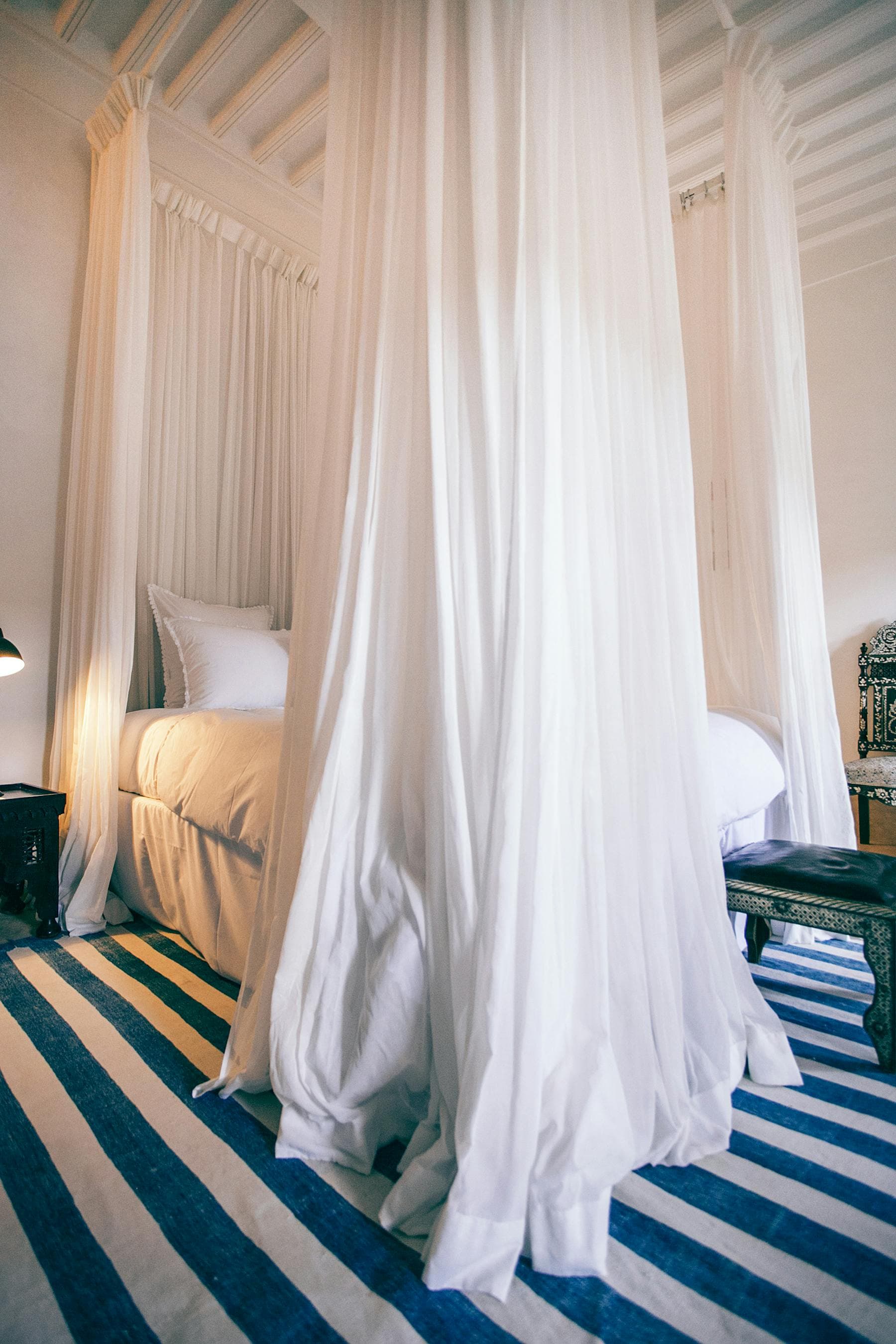
우리가 — 같은 지역의 대부분이 하지 않은 — 한 디자인 선택을 한 줄씩 적습니다. 위치 — 일본교에서 3.2km, 야간 평균 음향 39 dB(A), 광공해가 적은 투본 강 조용한 강안. 방향 — 모든 객실이 강 또는 내부 정원을 향하고, 도로를 향한 객실은 없습니다. 창 — 안쪽 합지 라미네이트의 이중창으로 외부 소음을 약 28 dB(A) 줄입니다. 커튼 — 두꺼운 직물 암막에 암막 안감, 그리고 가장자리 빛 누설을 막는 사이드 채널 트랙 — 보름달 밤에 커튼을 닫고 측정한 침실 조도가 0.3럭스 미만입니다.
이 일정으로 여행을 계획 중이신가요? 투본 강가의 조용한 리버사이드 호텔 예약 가능 날짜를 확인하세요. 예약 가능 여부 확인 →
HVAC — 외기 38도까지 19도를 유지할 수 있고 최대 소음이 28 dB(A)로 사양된 미니 스플릿 유닛. 향 — 저녁 턴다운 때의 은은한 베트남 라벤더와 레몬그라스. 작은 시험에서 수면 시작 잠복기를 약간 줄인 향들. 로비 음악 없음. 풀바 없음. 일찍 잠자리에 드는 손님의 첫 90분 사이클을 직원 발소리가 깨지 않도록 — 하우스키핑이 20시 이전에 턴다운을 끝냅니다. 식당은 21시에 닫습니다. 22시면 호텔 자체가 강물만큼 조용합니다.
이중 어느 것도 — 대부분의 럭셔리 호텔이 로비 마감재나 조경 조명에 쓰는 비용 — 에 비해 특별히 비싸지 않습니다. 단지 주의를 어디에 둘지의 선택일 뿐. 우리는 잠에 주의를 두기로 했습니다. 손님 본인이 그 이유를 또렷이 말로 표현하지 못해도, 그 선택은 손님 경험에 — 어떻게든 — 드러난다고 봅니다.
지난 몇 년 사이 "수면 관광"이라는 표현이 여행 매체에 자리 잡았고, 또 하나의 웰니스 인접 키워드처럼 회의적으로 받아들이기 쉽습니다. 그러나 그 아래의 수요는 진짜입니다. 미국수면의학회의 2024년 조사에서 성인의 37%가 잠을 회복하기 위해 일부러 여행을 떠난 적이 있다고 답했고, 22%가 수면 관련 기준을 우선해 호텔을 골랐다고 답했습니다. 글로벌 웰니스 인스티튜트는 2024년 수면 관광 부문 시장 규모를 약 7,000억 달러로 추산했고 — 일반 웰니스 여행보다 거의 두 배의 속도로 성장 중입니다.
우리는 이것을 트렌드가 아니라 교정이라고 봅니다. 20년 동안 호스피탈리티는 잘못된 곳을 최적화했고, 잠이 부족하고 화면에 절고 코르티솔이 올라간 한 세대의 여행자들이 — 한 번의 여행이 줄 수 있는 가장 값진 것이 또 하나의 경험이 아니라 — 끊김 없는 시간 — 임을 알아채기 시작했습니다. 그것을 보고 디자인하는 호텔은 이 손님들을 지킬 것입니다. 그러지 않는 호텔은 — 훌륭한 서비스와 아름다운 인테리어에도 — 평점이 왜 정체하는지 계속 의아해할 것입니다.
잠을 우선하는 호텔의 시험은 — 체크인 로비에서 손님이 하는 말이 아니라 — 셋째 날 아침 손님이 느끼는 것입니다. 누적된 여행 피로가 마침내 풀리고, 에너지가 돌아오고, 기분이 가벼워지고, 몇 달 만에 처음으로 — 이런 컨디션으로 깨어 본 적이 없다는 — 사실을 알아챘을 때. 그것이 우리가 최적화한 경험입니다. 사진이 잘 나오지 않습니다. 인스타그램 캡션으로도 좋지 않습니다. 그러나 — 우리 손님 대부분에게는 — 베트남에서 찾고 싶었던 바로 그것이고, 떠난 뒤에도 가장 오래 남는 것입니다.
Continue at Nghê Prana
Ready to Sleep Better?
Every room at Nghê Prana is designed around the science of sleep. Blackout curtains, nightly aromatherapy turndown, and riverside quiet — experience what real rest feels like.
View Our Rooms당신의 머무름은 지금 시작됩니다
강변 객실, 올드타운까지 자전거로 10분. 후에–다낭 이동 중 하룻밤이든, 일주일간 아무것도 안 하는 일정이든 — 당신의 방은 고요합니다.
무료 취소 · 호텔을 직접 짓고 운영하는 가족에게 바로 예약
웹사이트에서 직접 예약하면 15% 할인
 WhatsApp
 Zalo
Zalo