
stress
Kết nối Cortisol-Bụng: Vì sao stress khiến bạn trông già hơn
Stress mãn không chỉ cảm xấu — nó vật lý tái định hình cơ thể bạn và tăng tốc các dấu hiệu lão hoá nhìn thấy được qua viêm do cortisol điều khiển.
Jan 28, 20258 minRead Article
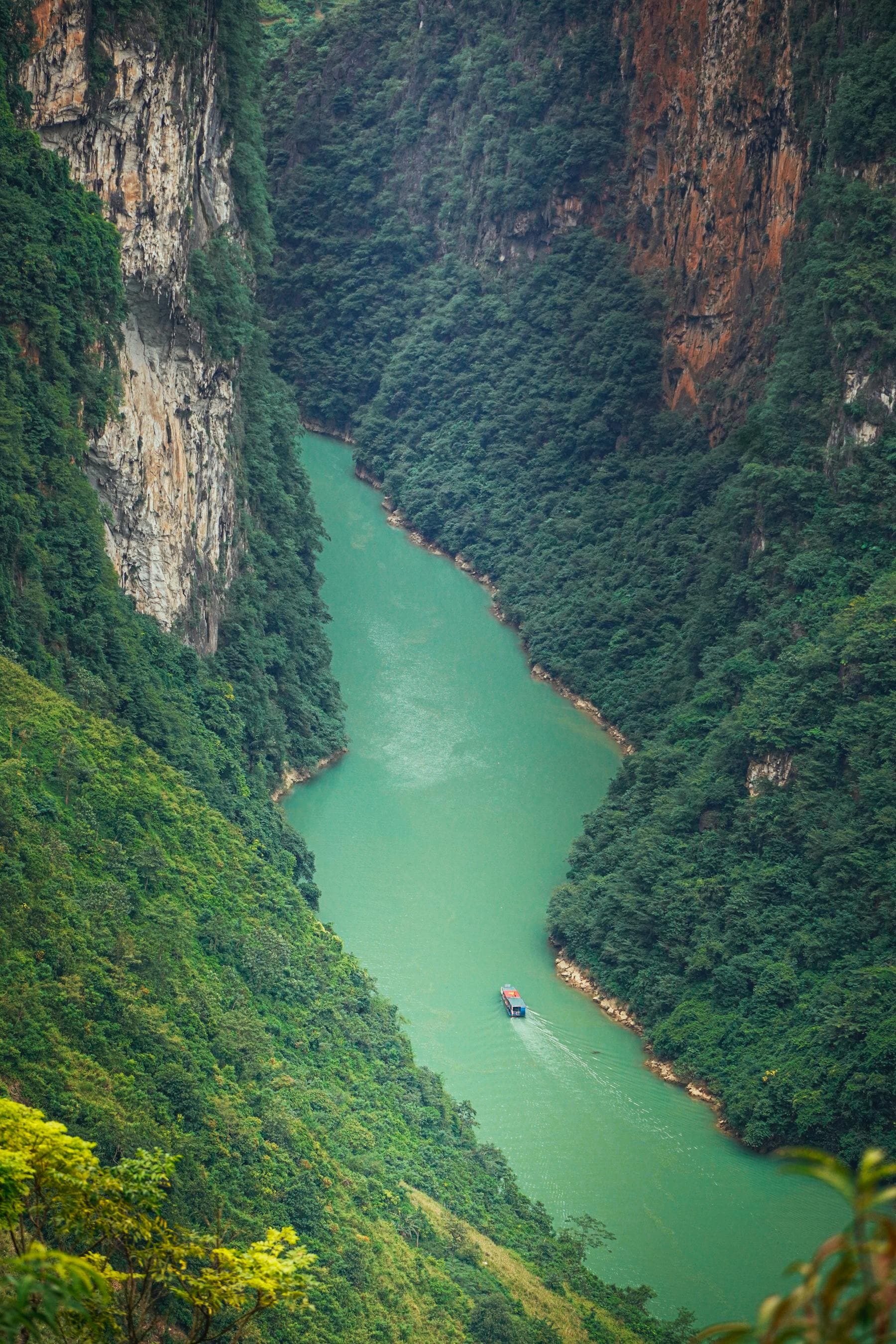
Báo cáo xu hướng 2026 của Skyscanner gọi Altitude Shifting là nước đi du lịch định hình thế hệ Z: 58% chọn điểm núi quanh năm vì sự yên, và đặt phòng "có view núi" tăng 103% so cùng kỳ. Dolomites, Annapurna, Rockies Canada nhận lưu lượng. Cốt lõi đúng — Gen Z đang đuổi theo sự yên đo được và phục hồi nhịp sinh học. Cách đóng khung hơi lệch. Sự yên là thuộc tính của môi trường, không phải độ cao.
Báo cáo xu hướng du lịch toàn cầu 2026 của Skyscanner gọi Altitude Shifting là nước đi định hình của Gen Z trong năm. 58% khách Gen Z giờ nói họ đang chọn điểm núi quanh năm để có sự yên, không khí trong, và thiên nhiên hồi phục. Đặt phòng "có view núi" tăng 103% so cùng kỳ. Dolomites, Annapurna, Rockies Canada — những nơi từng chủ yếu là điểm trượt tuyết — giờ kéo lưu lượng quanh năm do khách trẻ tìm wellness. Truyền thông du lịch đặt tên là "alpine wellness shift". Xung động bên dưới là đúng: cái những khách này đuổi theo là thật, đo được, và đáng đuổi. Khung hơi lệch. Sự yên là thuộc tính của môi trường, không phải độ cao. Cái Altitude Shifting thực sự tối ưu — và vì sao một bất động sản ven sông ấm áp, thấp có thể cho cùng sự phục hồi theo cách khác — là chủ đề bài này.
Nếu khảo sát động cơ khách đưa cho xu hướng, bốn cái xuất hiện nhất quán: (1) tiếng nền dưới 45 dB(A), (2) bầu trời đêm tối, (3) nhiệt độ ngủ mát, (4) một lý do biện hộ được để không thể liên lạc. Mỗi cái đều thuộc môi trường. Không cái nào là chính độ cao.
Điều này quan trọng vì độ cao cũng đi kèm chi phí mà tin bài xu hướng thường bỏ qua. Trên 2.000 m, kiến trúc giấc ngủ giảm đo được. Một bài 2013 trên American Journal of Respiratory and Critical Care Medicine cho thấy ngay cả độ cao trung (1.800–2.500 m) giảm giấc ngủ sóng chậm 15–25% ở người vùng thấp trong 5–7 đêm đầu — cơ thể đang thích nghi với áp suất riêng phần oxy thấp hơn, và giấc ngủ sâu là thương vong đầu tiên. Bạn ngủ lâu hơn ở độ cao nhưng nông hơn. Khách lên núi cụ thể vì giấc ngủ tốt hơn thường không nhận ra mình thực sự đang nhận giấc ngủ tệ hơn trong tuần đầu. Độ cao cũng làm khô nước (ẩm thấp + nhịp thở nhanh) và có thể làm xấu giữ nước, ngược điều "tháo cortisol face" mà phần lớn khách wellness muốn.
Yêu sách về âm học cũng thường sai. Các thị trấn Alps mùa cao điểm có thể chạy 50–60 dB(A) phố tối — làng Áo tháng Bảy, các nền resort Canada tháng Tám. Sự yên người ta nhớ từ chuyến núi thường là sự yên của một cabin xa cụ thể, không phải sự yên của núi. Cùng sự yên môi-trường-cụ-thể ấy có sẵn ở nhiều độ cao khác.
Sleep Medicine Reviews đăng phân tích tổng hợp 2020 về tài liệu phục hồi môi trường, kết luận yếu tố tiên đoán đơn lẻ lớn nhất cho chuẩn hoá cortisol sau chuyến đi không phải độ cao hay vĩ độ mà là sự kết hợp tiếng nền ban đêm dưới 40 dB(A), độ rọi phòng ngủ dưới 1 lux, và nhiệt độ môi trường giữa 18 và 21°C — điều kiện đạt được ở mực nước biển dễ như ở 2.500 m.
Một bất động sản ven sông yên ở miền Trung Việt Nam — ấm, thấp, tối ban đêm, gần nước — cho hồ sơ âm học, độ rọi và nhiệt mà khách Altitude Shifting đang đuổi, với bốn lợi thế cụ thể: không gián đoạn giấc ngủ vì say độ cao, độ ẩm cao hơn rõ rệt (tốt cho da và đường thở), chiều tối ấm liên tục (thuận cho bữa tối ngoài trời dài và đi bộ chậm), và thời gian tái thích nghi giấc ngủ ngắn hơn nhiều (1–2 đêm thay vì 5–7). Nhược so với núi chủ yếu là thẩm mỹ: không tuyết, không đỉnh, không văn hoá lều cao. Đó là tổn thất thẩm mỹ thật, nhưng không phải thứ sản sinh phục hồi.
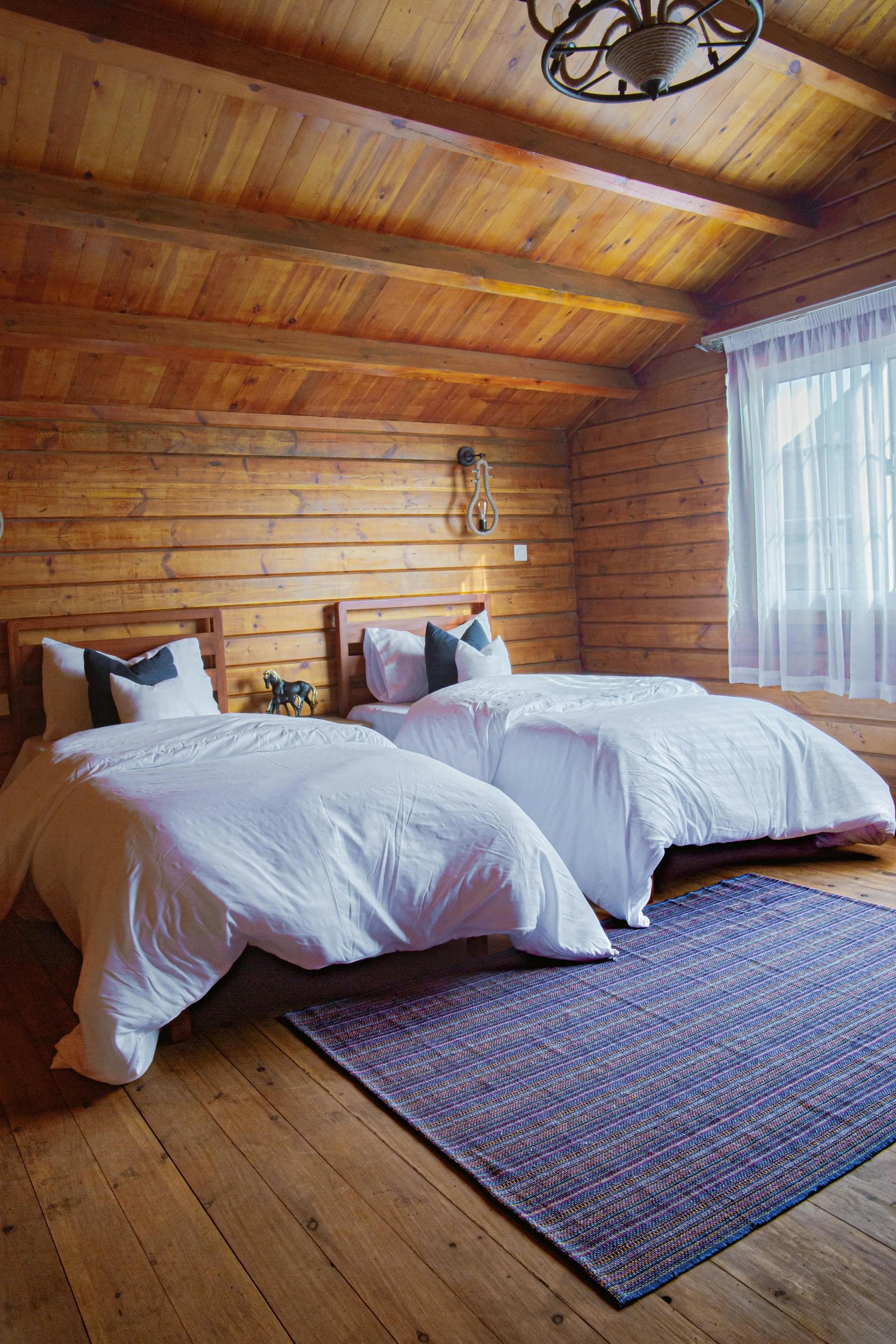
Các chỉ số cụ thể tại Nghê Prana trên bờ Cẩm Nam của Thu Bồn: tiếng nền ban đêm trung bình 39 dB(A), độ rọi phòng ngủ 0,3 lux khi rèm kéo, điều hoà giữ 19°C, và độ cao mực nước biển nghĩa là bạn ngủ sâu từ đêm một thay vì đêm năm. Đến đêm ba, khách thường cho thấy cùng sự phục hồi kiến trúc giấc ngủ mà phải mất một tuần ở độ cao Alps. Đây không phải lập luận núi xấu. Là lập luận cơ chế phục hồi không phải là núi.
Công bằng với xu hướng: độ cao có vài thứ sông không thể cho. Bầu trời tối vĩ độ cao để ngắm sao. Không khí khô gắt cho người có phổi cụ thể cần. Thẩm mỹ riêng của bình minh viền đỉnh. Hạ tầng đi bộ và phiêu lưu nhẹ. Nếu chuyến đi chủ yếu là leo đỉnh, đứng trên sông băng, hay chụp Dolomites trong ánh tháng Mười, độ cao là nước đi đúng. Lập luận ở đây hẹp hơn: nếu chuyến đi chủ yếu là phục hồi — tháo cortisol, sửa giấc ngủ, giảm mệt mỏi quyết định, reset hệ thần kinh — yếu tố độ cao chủ yếu là tình cờ với cái sản sinh hiệu ứng.
Đang lên kế hoạch cho chuyến đi? Xem ngày trống tại khách sạn yên tĩnh bên sông Thu Bồn của chúng tôi. Kiểm tra phòng trống →
Đây là một chuyến phục hồi bảy ngày ở mực nước biển so với ở độ cao.
Ven sông mực nước biển (Hội An) ngày một: đến, ngủ sâu đêm đó. Ngày hai: chức năng. Ngày bảy: hồi phục đáng kể. Độ cao (Dolomites, 1.800 m) ngày một: đến, ngủ kém. Ngày hai: nhức đầu, mệt (thích nghi độ cao tinh tế). Ngày ba-năm: ngủ cải thiện nhưng còn nông. Ngày sáu-bảy: cuối cùng ngủ tốt. Chuyến độ cao sản sinh phục hồi nửa sau tuần. Chuyến ven sông sản sinh ở nửa đầu. Cả hai đều hoạt động. Một bên hồi phục nhanh hơn.
Cho khách chuyến ngắn — bốn đến sáu ngày — phiên bản mực nước biển thường khớp hơn với mục tiêu thật. Cho khách có cửa sổ dài hơn (hai tuần trở lên), sự phục hồi nửa sau của hồ sơ độ cao có thể đáng chi phí thích nghi nửa đầu.
Xu hướng Altitude Shifting về cơ bản đúng trong chẩn đoán: khách trẻ kiệt sức và đang tìm cụ thể những môi trường sửa chữa họ thay vì giải trí cho họ. Chúng tôi hoàn toàn đồng ý. Chúng tôi cùng phía với cốt lõi đó. Chỗ chúng tôi khác là về toa địa lý. Sự phục hồi mà xu hướng đang chỉ vào đạt được ở nhiều nơi hơn Alps hay Annapurna — và, với khách thời gian hạn, hoặc thích thời tiết ấm, hoặc có bệnh phổi mà độ cao làm xấu, một bất động sản ven sông Việt thường là toa sạch hơn.
Mức tăng 103% so cùng kỳ trong "phòng có view núi" là tín hiệu cầu thật. Chúng tôi nghĩ một hạng "phòng có view sông" song song ở Đông Nam Á sắp dịch chuyển cùng cách — vì cùng lý do, với phong cảnh khác, ở độ cao thấp hơn và nhiệt độ cao hơn.
23 phòng bên bờ Nam yên tĩnh của sông Thu Bồn — chỉ mười phút đạp xe đến phố cổ, nhưng tách biệt khỏi mọi ồn ào.
Đặt phòng ngayContinue at Nghê Prana
Ready to Sleep Better?
Every room at Nghê Prana is designed around the science of sleep. Blackout curtains, nightly aromatherapy turndown, and riverside quiet — experience what real rest feels like.
View Our RoomsHẹn bạn tại Hội An
Phòng bên sông, mười phút đạp xe ra phố cổ. Dù là một đêm dừng chân giữa Huế và Đà Nẵng, hay cả tuần thả mình không lịch trình — phòng của bạn vẫn yên tĩnh.
Miễn phí huỷ · Đặt trực tiếp với gia đình điều hành khách sạn
Tiết kiệm 15% khi đặt phòng trực tiếp qua website
 WhatsApp
 Zalo
Zalo