Lễ hội ít du khách nào được thấy: Bà Thu Bồn 2026 (Lễ hội Bà Thu Bồn)
Ngược dòng Thu Bồn từ Hội An, các cộng đồng ven sông tổ chức một lễ hội ba ngày tôn vinh nữ thần của dòng sông — Lễ hội Bà Thu Bồn — đã được công nhận là di sản văn hóa phi vật thể quốc gia nhưng gần như chưa có tài liệu nào bằng tiếng Anh. Chúng tôi kể lại truyền thuyết, các ngày diễn ra trong năm 2026 (28–30 tháng 3), lễ rước nước lúc tờ mờ sáng, và cách đến đó từ khách sạn ven sông Thu Bồn của chúng tôi, tổng hợp từ VietnamPlus, Tuổi Trẻ, Thanh Niên và cổng thông tin du lịch Duy Xuyên.
Hằng năm, vào tháng Hai âm lịch, các làng dọc thượng nguồn sông Thu Bồn lại tổ chức một lễ hội ba ngày để tôn vinh nữ thần của dòng sông — Bà Thu Bồn, "bà mẹ xứ sở". Năm 2026, lễ hội rơi vào ngày 28–30 tháng 3, với nghi thức trung tâm là lễ rước nước ngược dòng sông vào sáng thứ Hai 30 tháng 3. Lễ hội Bà Thu Bồn đã được đưa vào Danh mục di sản văn hóa phi vật thể quốc gia của Việt Nam năm 2020, vậy mà gần như chưa hề xuất hiện bằng tiếng Anh. Bài viết này chuyển ngữ truyền thuyết, trình tự nghi lễ và những chi tiết thực tế từ các nguồn tiếng Việt — VietnamPlus, Tuổi Trẻ, Thanh Niên và cổng thông tin du lịch Duy Xuyên — dành cho những lữ khách muốn chứng kiến tín ngưỡng sông nước còn sống động của miền Trung, chứ không chỉ gương mặt du lịch lung linh ánh đèn lồng của nó.
Lễ hội Bà Thu Bồn là gì?
Lễ hội Bà Thu Bồn (còn gọi là Lệ Bà) là lễ hội thường niên của các cộng đồng ven sông ở Quảng Nam, được tổ chức để tôn vinh Bà Thu Bồn — một nữ thần sông được thờ phụng như một "bà mẹ xứ sở", người mẹ của đất đai và sông nước. Lễ hội diễn ra hằng năm từ ngày mùng 10 đến ngày 12 tháng Hai âm lịch, xoay quanh hai nơi thờ tự: Lăng Bà ở xã Duy Tân, Duy Xuyên, và Dinh Bà ở vùng Trung Phước phía thượng nguồn. Lễ hội gửi gắm một tập hợp những ước nguyện rất xưa cũ — mong mưa thuận gió hòa, mùa màng bội thu, bình yên trên sông nước, và sự thịnh vượng của cộng đồng làng xã.
Ngày 30 tháng 9 năm 2020, Bộ Văn hóa, Thể thao và Du lịch đã ký Quyết định 2731/QĐ-BVHTTDL đưa Lễ hội Bà Thu Bồn vào Danh mục di sản văn hóa phi vật thể quốc gia — một sự công nhận được báo chí Việt Nam đưa tin rộng rãi, nhưng cho đến nay vẫn gần như vắng bóng trong các bài viết du lịch bằng tiếng Anh.
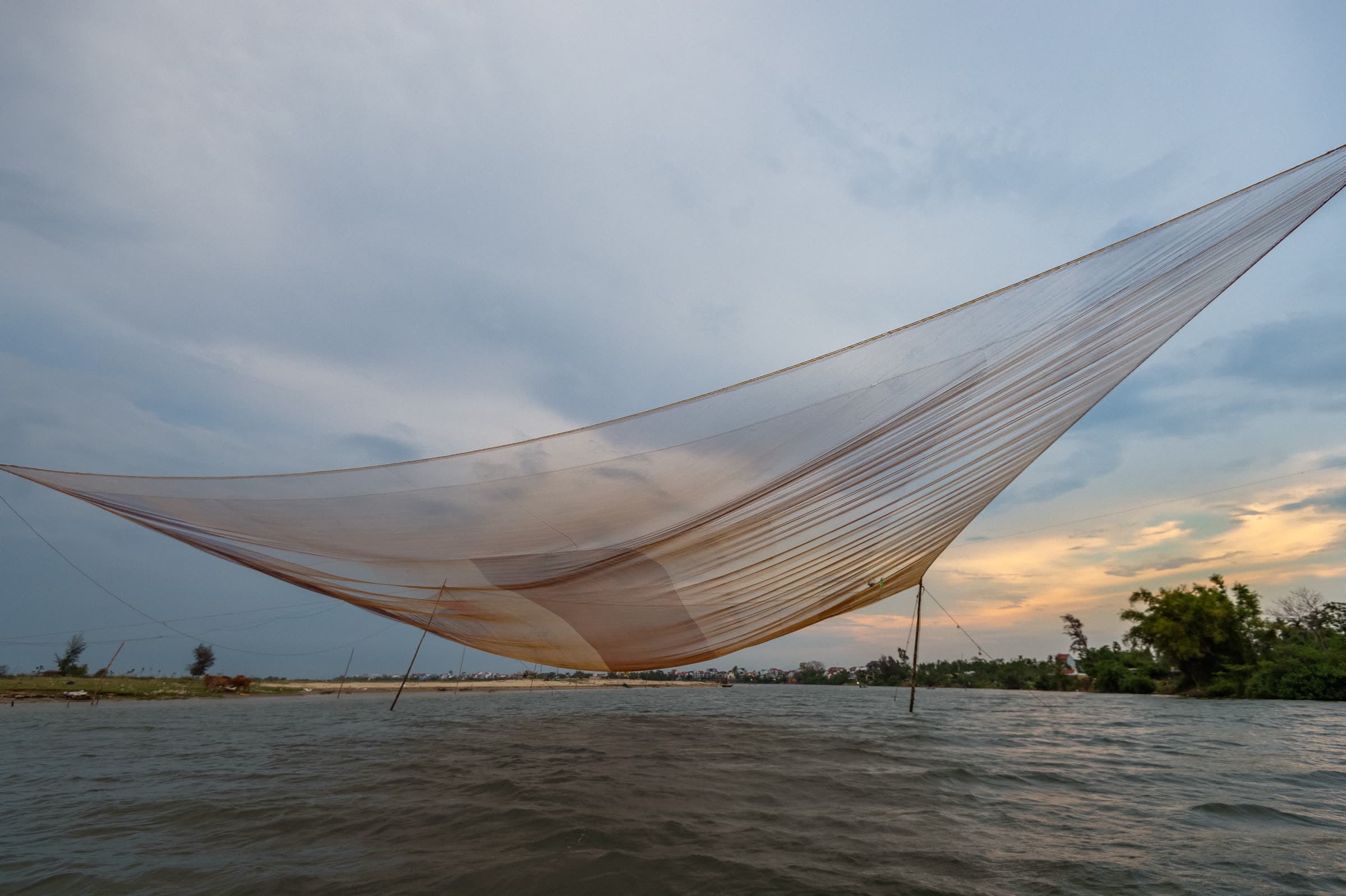
The festival's central rite is a dawn procession upriver to draw water from the Thu Bồn. / Nghi thức trung tâm của lễ hội là lễ rước nước ngược dòng Thu Bồn lúc tờ mờ sáng.
Bà Thu Bồn là ai?
Truyền thuyết, theo các nguồn tiếng Việt, đồng nhất Bà Thu Bồn với một nhân vật tên là Bà Bô Bô — trong cách kể phổ biến nhất, bà là một nữ tướng thời nhà Lê, bị giặc truy đuổi, chạy đến làng Thu Bồn thì ngã ngựa khi mái tóc dài vướng vào chân ngựa, và tử nạn tại đó. Dân làng chôn cất và thờ phụng bà; về sau, các vua Nguyễn ban cho bà tước hiệu Bô Bô phu nhân và phẩm vị thượng đẳng thần — vị thần bậc cao nhất. Theo thời gian, tín ngưỡng thờ bà hòa quyện với một sự tôn kính cổ xưa hơn, bắt nguồn từ văn hóa Chăm, dành cho chính dòng sông — đó là lý do bà được thờ không phải như một anh hùng chiến trận mà như người mẹ của đất đai và sông nước. Lớp trầm tích ấy — một nhân vật lịch sử Việt được hòa vào một tín ngưỡng sông nước và phồn thực có từ trước — chính là điều khiến thung lũng Thu Bồn trở nên độc đáo đến vậy.
Lễ hội Bà Thu Bồn năm 2026 diễn ra khi nào?
Lễ hội diễn ra vào các ngày mùng 10 đến 12 tháng Hai âm lịch hằng năm. Căn cứ vào lịch âm năm 2026 — khi ngày mùng 1 tháng Hai âm lịch rơi vào ngày 19 tháng 3 năm 2026 — các ngày được quy đổi như sau:
10/2 âm lịch → thứ Bảy 28 tháng 3 năm 2026 (khai hội, chuẩn bị và dâng lễ vật) · 11/2 âm lịch → Chủ nhật 29 tháng 3 năm 2026 (lễ rước sắc, rước sắc phong) · 12/2 âm lịch → thứ Hai 30 tháng 3 năm 2026 (lễ rước nước lúc rạng đông, và lễ đại tế).
Để tham chiếu, năm 2025 các ngày mở hội rơi vào 10–11 tháng 3 (tức 11–12 tháng Hai âm lịch), nên khung thời gian cuối tháng 3 là bình thường. Hãy luôn xác nhận chương trình chính thức với chính quyền Duy Xuyên khi gần đến ngày, vì lịch trình phần hội (đua thuyền, biểu diễn) có thể xê dịch một ngày quanh phần nghi lễ cố định.
Lễ hội thực sự diễn ra thế nào — trình tự nghi lễ
Các nguồn tiếng Việt chia lễ hội, như cách phần lớn lễ hội Việt được chia, thành phần lễ (các nghi thức) và phần hội (phần vui chơi cộng đồng). Chính phần lễ là lý do lễ hội được công nhận là di sản.
Lễ rước sắc, vào sáng 11/2 âm lịch, là đám rước trang nghiêm mang sắc phong của Bà — sắc phong do triều Nguyễn ban — theo nghi thức chỉnh tề. Lễ rước nước, vào lúc tờ mờ sáng 12/2 âm lịch, là linh hồn của lễ hội: một đoàn rước hàng trăm người xuất phát từ Dinh Bà, ngược dòng Thu Bồn để lấy nước từ thượng nguồn, rồi rước nước ấy trở về cho lễ đại tế. Lễ đại tế và lễ hoàn sắc (rước sắc trở về) khép lại trình tự nghi lễ chính thức. Lễ rước nước là phần bộc lộ rõ nhất ý nghĩa của lễ hội: một hành động tôn kính dòng sông như một người mẹ đang sống, được cử hành ngay trên chính dòng sông ấy.
Đang lên kế hoạch cho chuyến đi? Xem ngày trống tại khách sạn yên tĩnh bên sông Thu Bồn của chúng tôi. Kiểm tra phòng trống →
The grand rite (lễ đại tế) is performed at the Lăng Bà after the water is carried back. / Lễ đại tế được cử hành tại Lăng Bà sau khi nước được rước về.
Phần hội: đua thuyền, bài chòi và hoa đăng
Sau phần lễ là phần hội — phần mà cả thung lũng cùng đổ ra tham dự. Các báo Việt mô tả những cuộc đua thuyền rồng và đua thuyền trên sông Thu Bồn (đua thuyền), trò chơi dân gian hô hát bài chòi (vốn đã được UNESCO ghi danh cho khu vực miền Trung), các giải bóng chuyền, trưng bày sản phẩm OCOP và nghề thủ công địa phương, hội thi nữ công gia chánh, dân ca kịch, và — vào buổi tối — thả hoa đăng, thả những chiếc đèn hoa trôi trên sông. Nếu những đêm đèn lồng Hội An ở hạ nguồn là phiên bản trau chuốt, ăn ảnh của truyền thống ánh sáng sông nước miền Trung, thì hoa đăng ở Bà Thu Bồn là cội nguồn xưa cũ, mang tính tín ngưỡng của nó: những chiếc đèn thả trôi như lễ vật dâng lên nữ thần, chứ không phải một khung cảnh dành cho du khách.
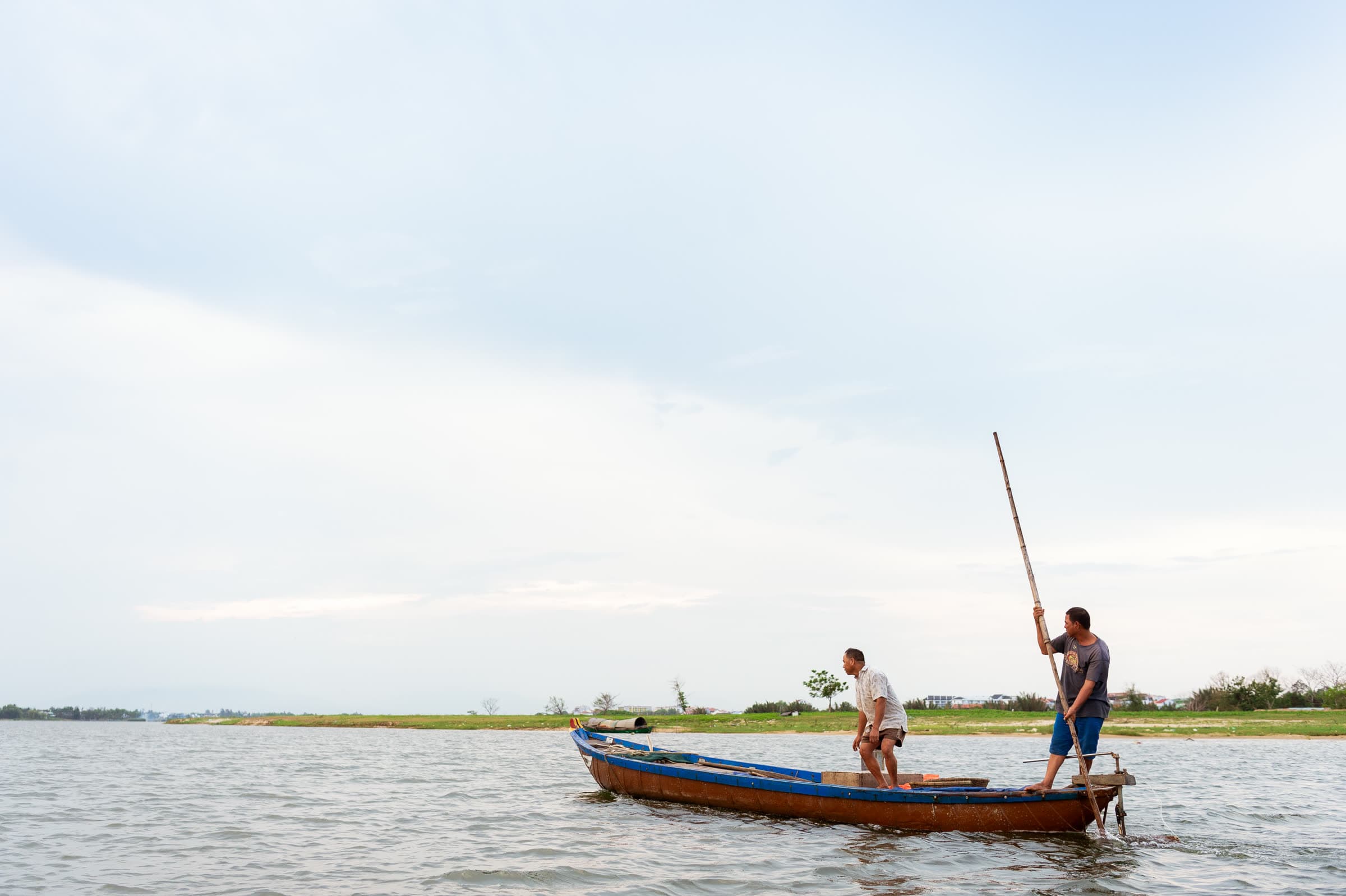
Boat races on the Thu Bồn are the centrepiece of the festival's public days. / Đua thuyền trên sông Thu Bồn là điểm nhấn của phần hội.
Vì sao lễ hội này quan trọng?
Có hai lý do. Thứ nhất, đây là một trong những biểu hiện còn sót lại rõ ràng nhất về sông Thu Bồn như một dòng sông thiêng chứ không chỉ là phông nền danh thắng — chính dòng sông chảy qua Hội An rồi đổ ra biển ở Cửa Đại. Tín ngưỡng thờ nữ thần, lễ rước nước ngược dòng, và những ước nguyện phồn thực đều hướng về dòng sông như một người mẹ, và chúng có trước cả ngành du lịch di sản đang định hình hạ nguồn ngày nay. Thứ hai, đây là một trường hợp hiếm hoi khi học thuật và tư liệu của nhà nước Việt Nam rất chi tiết, còn ghi chép tiếng Anh thì trống rỗng. Với lữ khách đã từng dạo Phố Cổ, Lễ hội Bà Thu Bồn là cách để gặp gỡ văn hóa theo đúng tinh thần của nó, ở thượng nguồn, nơi nó được thực hành chứ không phải trình diễn.
Trải nghiệm lễ hội từ Hội An
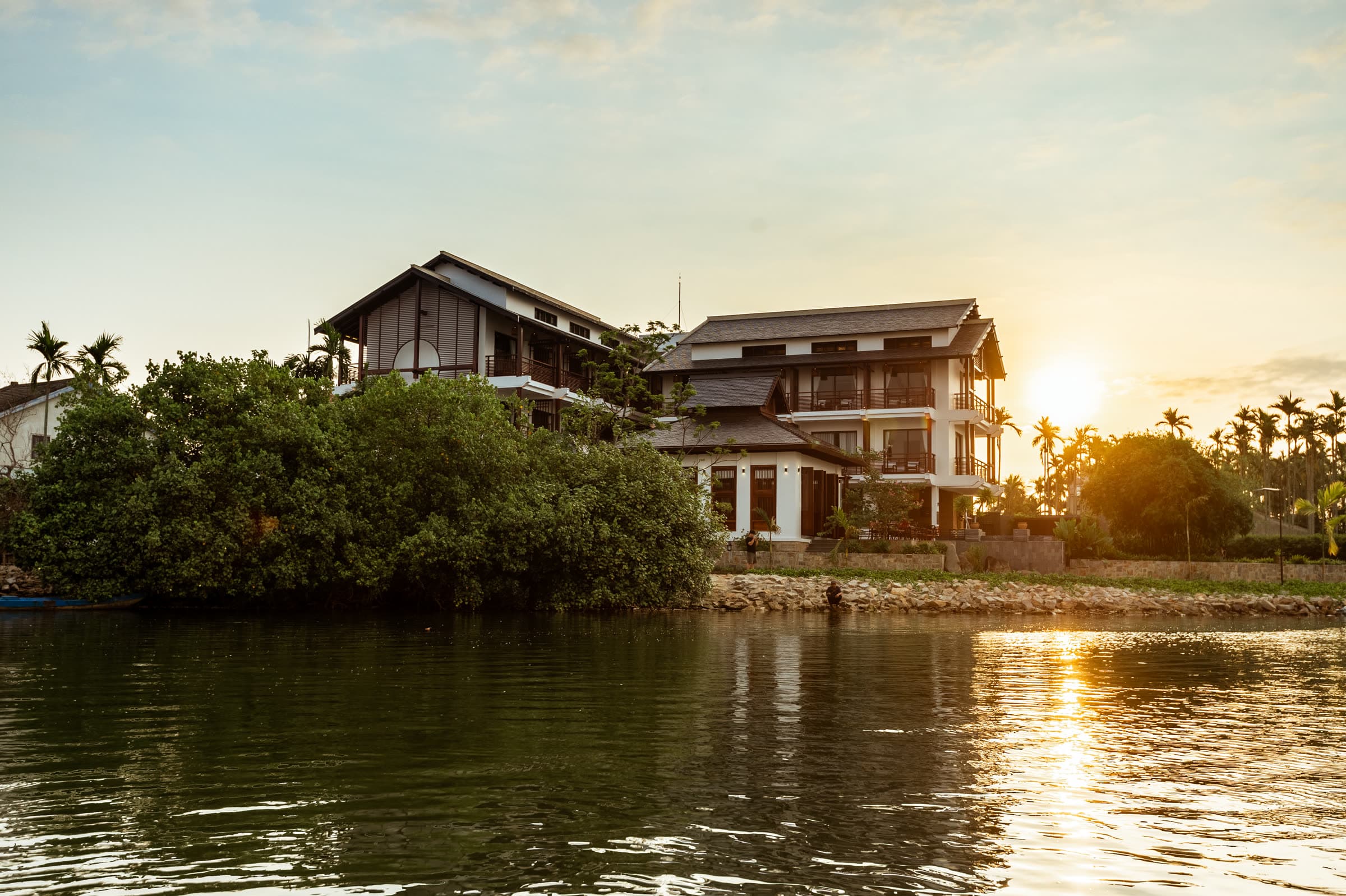
Khu vực lễ hội nằm ở huyện Duy Xuyên, ngược dòng và sâu trong nội địa so với Hội An — khoảng 30–45 phút lái xe tùy theo địa điểm cụ thể (Lăng Bà ở Duy Tân hay miếu thờ ở thượng nguồn về phía Trung Phước). Từ khách sạn ven sông Thu Bồn của chúng tôi, đó là một chuyến đi nửa ngày: hãy khởi hành sớm để kịp lễ rước nước lúc rạng đông ngày 12/2 âm lịch, khoảnh khắc gợi cảm nhất trong cả ba ngày. Vài lưu ý thực tế cho du khách. Đây là một lễ hội tôn giáo thực thụ, không phải sự kiện bán vé — hãy ăn mặc kín đáo, xin phép trước khi chụp ảnh các nghi lễ, và làm theo những người dân địa phương khi ở quanh bàn thờ. Phần hội (đua thuyền, bài chòi, hoa đăng buổi tối) cởi mở và thân thiện; phần lễ xứng đáng nhận được sự tôn trọng lặng lẽ như khi bạn dự một buổi lễ trong chùa. Hãy kết hợp buổi sáng ấy với một buổi chiều thong thả trở lại hạ nguồn, hoặc gộp cùng chuyến thăm thánh địa Chăm Mỹ Sơn, nơi cũng nằm trong huyện Duy Xuyên và chia sẻ lớp văn hóa Chăm sâu thẳm của thung lũng.
Về bài viết này
Bài viết này tổng hợp các tài liệu tiếng Việt về Lễ hội Bà Thu Bồn — VietnamPlus, Tuổi Trẻ và Thanh Niên về việc công nhận di sản quốc gia năm 2020, cổng thông tin du lịch Duy Xuyên và cổng thông tin du lịch Đà Nẵng về trình tự nghi lễ, cùng mục tiếng Việt về truyền thuyết Bà Bô Bô — kết hợp với việc quy đổi lịch âm sang dương năm 2026 và sự am hiểu trực tiếp về thượng nguồn Thu Bồn từ khách sạn ven sông của chúng tôi. Du khách nên xác nhận chương trình chính thức năm 2026 với chính quyền Duy Xuyên khi gần đến ngày.
VietnamPlus (TTXVN) (2022). Đặc sắc lễ hội Bà Thu Bồn - Di sản Văn hóa Phi vật thể Quốc gia. VietnamPlus. View source
Tuổi Trẻ (2022). Lễ hội Bà Thu Bồn ở huyện Duy Xuyên là Di sản văn hóa phi vật thể quốc gia. Báo Tuổi Trẻ. View source
Thanh Niên (2022). Lễ hội Bà Thu Bồn được công nhận Di sản văn hóa phi vật thể quốc gia. Báo Thanh Niên. View source
Du lịch Duy Xuyên (2024). Lễ hội Bà Thu Bồn. Duy Xuyên Tourism Portal (duyxuyentourism.vn). View source
Cổng thông tin du lịch thành phố Đà Nẵng (2024). Lễ hội Bà Thu Bồn. Danang Fantasticity (official Da Nang tourism portal). View source
VOV (Đài Tiếng nói Việt Nam) (2023). Rộn ràng Lễ hội Bà Thu Bồn tỉnh Quảng Nam. VOV. View source
Bộ Văn hóa, Thể thao và Du lịch (2020). Quyết định số 2731/QĐ-BVHTTDL đưa Lễ hội Bà Thu Bồn vào Danh mục di sản văn hóa phi vật thể quốc gia. Ministry of Culture, Sports and Tourism decree.
Wikipedia tiếng Việt (2025). Lễ hội Bà Thu Bồn. Wikipedia, the free encyclopedia (Vietnamese). View source
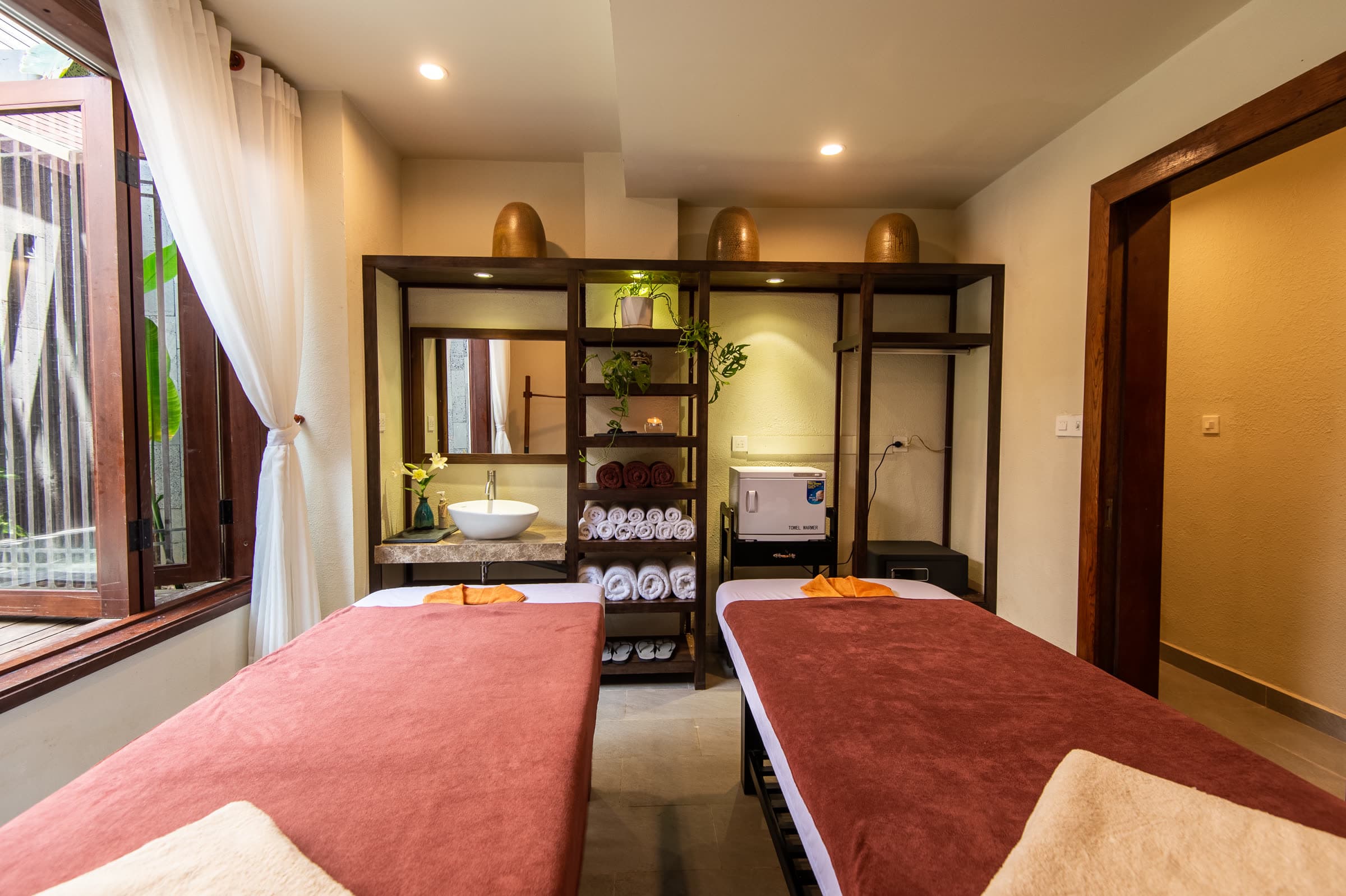
Every room at Nghê Prana is designed around the science of sleep. Blackout curtains, nightly aromatherapy turndown, and riverside quiet — experience what real rest feels like.
Phòng bên sông, mười phút đạp xe ra phố cổ. Dù là một đêm dừng chân giữa Huế và Đà Nẵng, hay cả tuần thả mình không lịch trình — phòng của bạn vẫn yên tĩnh.
Miễn phí huỷ · Đặt trực tiếp với gia đình điều hành khách sạn


 WhatsApp
 Zalo
Zalo