
stress
Kết nối Cortisol-Bụng: Vì sao stress khiến bạn trông già hơn
Stress mãn không chỉ cảm xấu — nó vật lý tái định hình cơ thể bạn và tăng tốc các dấu hiệu lão hoá nhìn thấy được qua viêm do cortisol điều khiển.
Jan 28, 20258 minRead Article
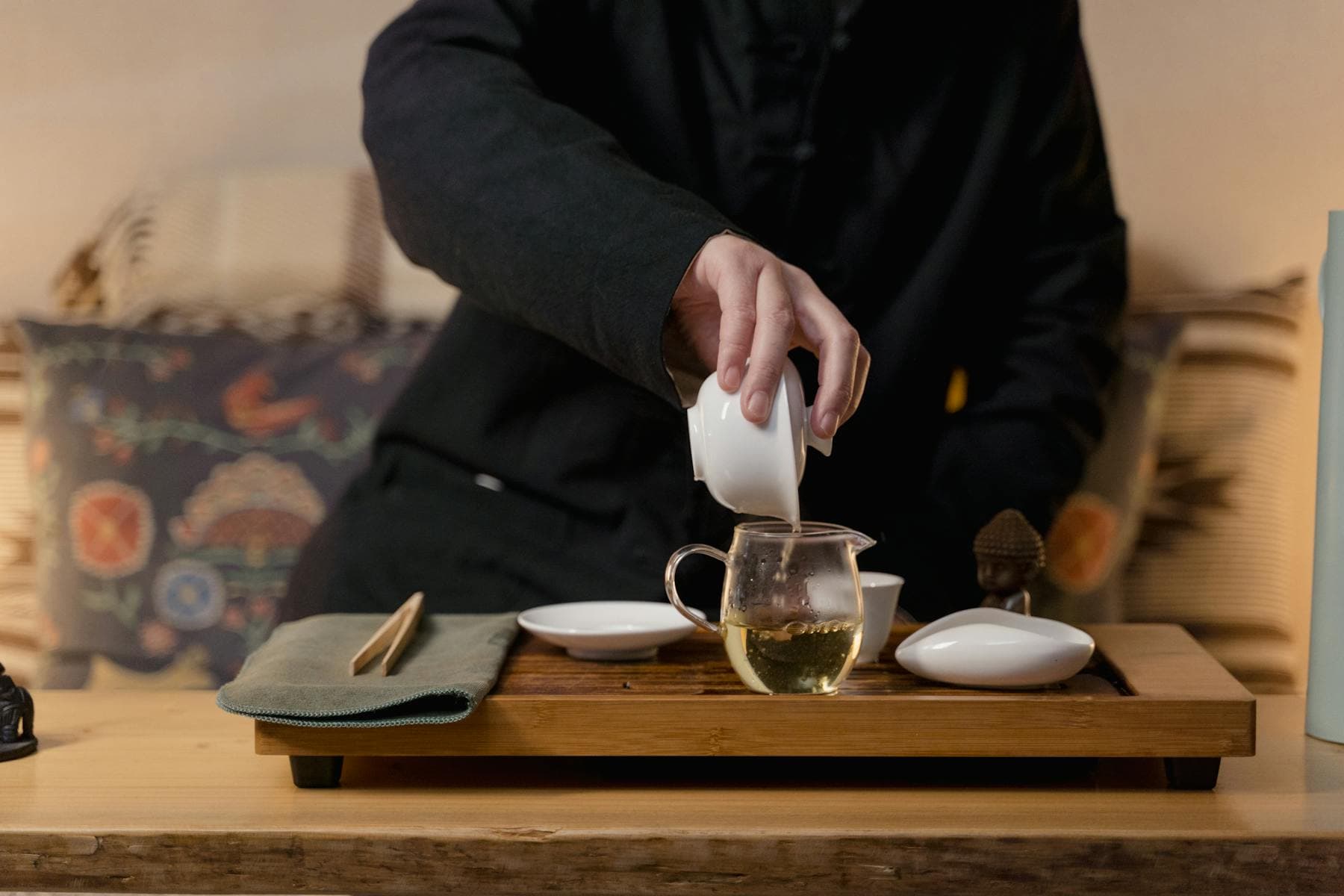
Thẩm mỹ Chinamaxxing — nước nóng, sáng dịu, ngủ sớm, vận động bình minh, sống nhỏ gọn yên — khó sống thật trong một siêu đô thị Trung Hoa hiện đại hơn TikTok gợi ý. Thượng Hải ồn, Thành Đô đông, không khí Bắc Kinh trung bình. Hội An cho cả chồng nghi thức ở 1/4 mật độ dân số, không khí sạch hơn, và phiên bản thực hành liên tục của cùng văn hoá wellness.
Nếu trào lưu Chinamaxxing — được Fortune, NPR và gần như mọi xuất bản văn hoá đưa tin tháng Tư 2026 — đang khiến bạn nhắm vé tới Thượng Hải, Thành Đô hay Hàng Châu, có một vòng đường đáng cân nhắc trước. Thẩm mỹ trào lưu thực sự đuổi theo — nước nóng, sáng dịu, vận động bình minh, ngủ sớm, sống nhỏ gọn yên, ăn cộng đồng — phần lớn thời gian khó sống trong siêu đô thị Trung Hoa hiện đại hơn Instagram và TikTok gợi ý. Thượng Hải chạy 27.000 người/km². Bắc Kinh AQI trung bình 84 (trung bình) năm 2025. Phố cổ Thành Đô đẹp và ồn, và các quán trà truyền thống Gen Z quay thường đông hơn video cho thấy. Thẩm mỹ sáng-dịu thực sự sống ở Trung Quốc, nhưng dễ tìm hơn ở một thị trấn Việt 120.000 dân so với một thành phố Trung Hoa 25 triệu. Phiên bản sạch nhất của trào lưu chúng tôi biết ngồi trên sông Thu Bồn ở miền Trung Việt Nam. Đây là lịch trình bốn ngày.
Hội An có năm lợi thế cấu trúc so với một siêu đô thị Trung Hoa cho việc sống thẩm mỹ trào lưu trong một chuyến ngắn.
Một, mật độ dân số khoảng 1/60 trung tâm Thượng Hải. Cả thị trấn giữ chừng 120.000 người trên 60 km². Phố Cổ chiếm 30 ha. Yên là mặc định, không phải ngoại lệ bạn chạy tới lúc 6 giờ sáng.
Hai, chất lượng không khí Hội An chạy ở AQI 40–55 mùa khô — "tốt" theo thang WHO. Trung tâm Bắc Kinh trung bình 84 năm 2025. Một lượt đi bộ ven sông 21 giờ ở Hội An là trải nghiệm phổi khác với một lượt đi bộ ven sông 21 giờ ở Thượng Hải.
Ba, hạ tầng wellness truyền thống mà Chinamaxxing bắt chước — quán trà, tắm thảo dược, các nhóm vận động bình minh, văn hoá sáng tô canh nóng, nhịp tắt đèn 22 giờ — sống có cấu trúc ở Hội An vì chưa bao giờ thương mại hoá thành nội dung chỉ-thẩm-mỹ. Bà nội Việt cạo gió vẫn đang làm ở nhà thật. Các nhóm dưỡng sinh họp bên sông lúc 5:45. Giới nghiêm ánh sáng-ngủ 21 giờ là tác dụng phụ tự nhiên của thị trấn đơn giản đóng cửa.
Bốn, chi phí. Một chuyến Chinamaxxing 4 ngày ở Hội An — khách sạn, hai buổi spa, trà hằng ngày, lớp nấu ăn, đi lại — chạy khoảng 400–800 USD tổng. Chuyến tương đương 4 ngày tới Thượng Hải hay Thành Đô chạy 1.200–2.000 USD. Nếu động cơ trào lưu bao gồm sự bác bỏ ngầm bảng giá phức hợp wellness-công nghiệp Tây, phiên bản Việt trớ trêu lại rẻ hơn.
Năm, visa. Việt Nam cấp e-visa cho khoảng 90 quốc tịch trong 90 ngày khoảng 25 USD, đăng ký online. Trung Quốc đại lục yêu cầu visa đầy đủ cho phần lớn quốc tịch, thường 140–185 USD, thường cần hẹn trực tiếp. Một chuyến 4 ngày mà quá trình visa tốn gấp 5 lần ngân sách wellness/ngày là kiểu ma sát đối tượng trào lưu cụ thể đang tránh xa.
Báo cáo AirVisual 2023 về chất lượng không khí ven biển Đông Nam Á xếp Hội An trong top 10% các thành phố được giám sát, với nồng độ PM2.5 trung bình 12–18 μg/m³ trong mùa khô — trong hướng dẫn không khí sạch WHO và tốt hơn 85% các thủ phủ tỉnh Trung Hoa.
Bay vào sân bay quốc tế Đà Nẵng (DAD). Đặt trước xe riêng cho chặng 35 phút; phần lớn chuyến thẳng từ Seoul, Hồng Kông và Singapore hạ cánh giữa chiều, nghĩa là bạn tới Hội An đầu tối. Ở phía yên ven sông — Cẩm Nam hay Cẩm Thanh, không phải lõi Phố Cổ. Nhận phòng, uống nước nóng (không đá) tại trà chào mừng, bữa tối chay nhẹ tại khách sạn, và ngủ sớm. Đêm đầu cố ý không phải tham quan. Mục tiêu tắt đèn 21:30. Việc này hiệu chuẩn đồng hồ Chinamaxxing từ ngày một.
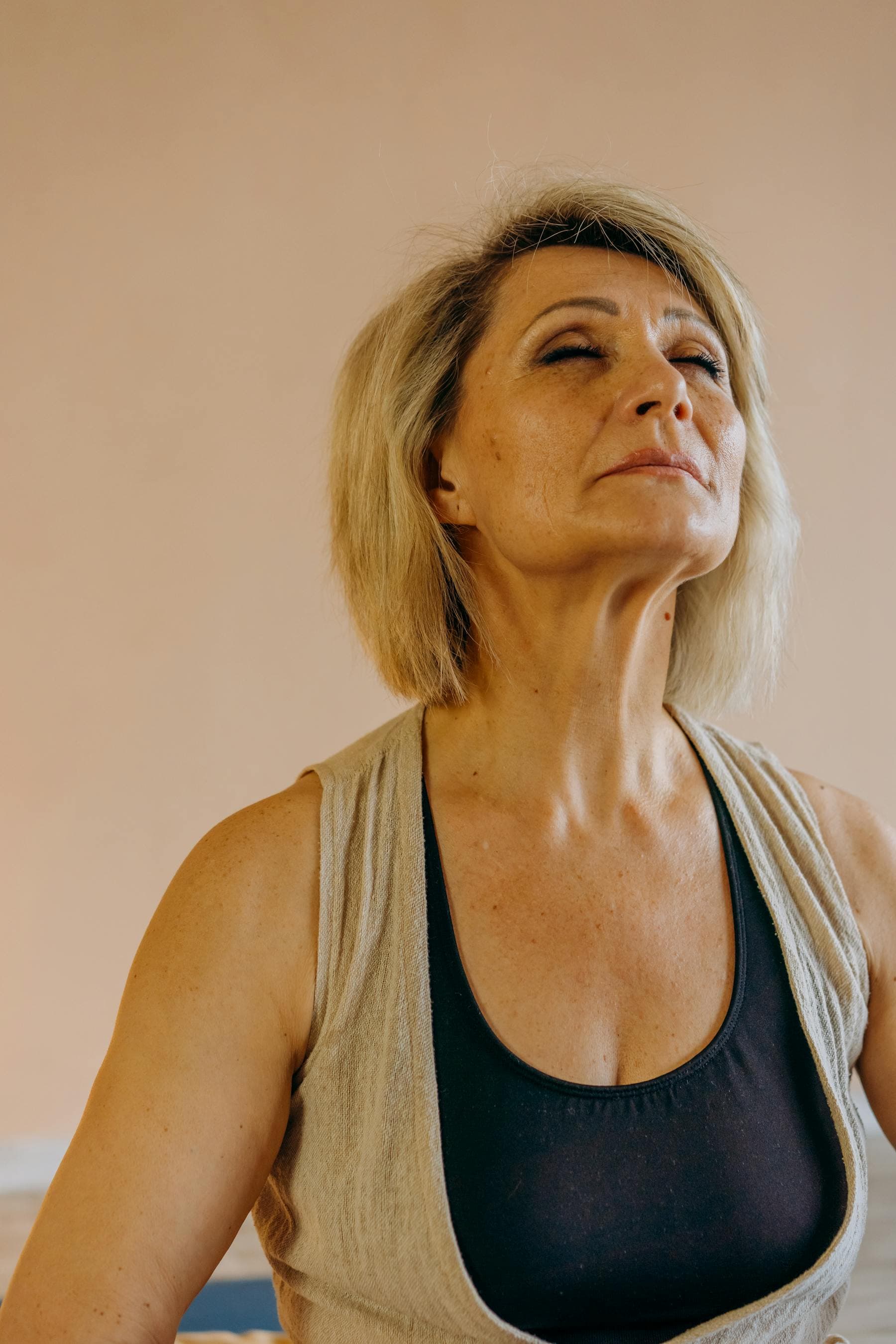
Tỉnh tự nhiên lúc 5:30. Đi bộ tới bờ Thu Bồn cho các nhóm dưỡng sinh 6 giờ (cùng tập tục dịu như thái cực — thở chậm, kéo giãn dịu, vận động thiền, mở cho mọi khách). Sau 45 phút, qua cầu An Hội vào Phố Cổ khi còn gần như trống. Chụp tường vàng giờ blue-hour. Bữa sáng: phở bò hay mì Quảng tại quầy địa phương trước 7 giờ. Về khách sạn lúc 9 cho ấm trà thứ hai (trà xanh, nóng). Nghỉ qua giữa trưa. Chiều: tắm lá xông 2 tiếng tại spa — phiên bản Việt song song với các nghi thức suối nước nóng mà trào lưu lãng mạn hoá. Bữa tối trước 19. Tắt đèn lúc 22.
Đang lên kế hoạch cho chuyến đi? Xem ngày trống tại khách sạn yên tĩnh bên sông Thu Bồn của chúng tôi. Kiểm tra phòng trống →
Sáng: thăm làng rau Trà Quế, cách Phố Cổ 3 km. Vườn 500 năm liên tục cung phần lớn rau ẩm thực miền Trung. Phần lớn tour có hướng dẫn gồm lớp nấu ăn Việt dùng thứ bạn hái — gỏi cuốn, bánh xèo, mì Quảng. Đây là mảnh "ăn cộng đồng, biết thức ăn từ đâu" mà trào lưu vươn tới. Chiều: về khách sạn cho 90 phút Shirodhara (rót dầu thảo dược ấm lên trán) hoặc Abhyanga (massage dầu ấm Ayurveda) — truyền thống Việt-Ayurveda kết hợp mà báo chí wellness dành 2026 gọi là "chuyến spa Nhật tiếp theo". Đọc sách trên sân hiên ven sông. Chỉ nước nóng. Bữa tối trước 19. Ngủ trước 22.
Không làm gì cần nỗ lực. Bơi sáng tại bể bơi khách sạn. Bữa sáng chậm. Đọc. Yên. Tour thuyền thúng ngắn qua đầm dừa nước Cẩm Thanh — 90 phút trên nước lặng, gần như không đám đông. Chiều: trị liệu spa cuối, ấm trà sen cuối, hoàng hôn cuối từ sân hiên. Đây là ngày nhịp Chinamaxxing thực sự khoá. Đa số khách báo đây là ngày họ ngừng kiểm tra điện thoại.
Bữa sáng. Trả phòng giữa trưa. Chặng 35 phút về Đà Nẵng. Bay về nhà trong trạng thái hệ thần kinh khác có ý nghĩa so với khi rời.
Đáng mang: chai giữ nhiệt nhỏ cho nước nóng liên tục, khăn nhẹ cho buổi sáng dưỡng sinh các tháng mát, một cuốn sách bìa mềm thay Kindle (cốt là giảm màn hình), dép đi trong nhà hoặc sandal bằng, và một cuốn sổ. Bỏ qua: bộ skincare 15 bước (cốt là giảm), bột matcha (trà xanh Việt rất ngon và đã có sẵn), và laptop không thực sự cần.
Trào lưu Chinamaxxing không thực sự về đi Trung Quốc. Là về tiếp cận một nhịp đời sống hằng ngày mà wellness Tây hiện đại không dễ bán vì phần lớn miễn phí. Nước nóng. Yên buổi sáng. Tắm thảo dược. Lượt đi bộ yên. Bữa ăn chung. Ngủ sớm. Nhịp tồn tại khắp Đông và Đông Nam Á, được giữ đặc biệt sống động ở Việt Nam, và dễ trải nghiệm rõ rệt hơn ở thị trấn sông 120.000 dân so với siêu đô thị 25 triệu.
Nếu thẩm mỹ đang vang với bạn, một chuyến Hội An bốn ngày có lẽ là phiên bản thẳng thắn hơn cho cái bạn đang vươn tới so với một chuyến Thượng Hải bốn ngày. Rẻ hơn, sạch hơn, yên hơn, và các tập tục được thực hành chứ không phải biểu diễn. Đến khi bạn sẵn cho buổi sáng dịu là toàn bộ điểm chính, không phải bài đăng Instagram.
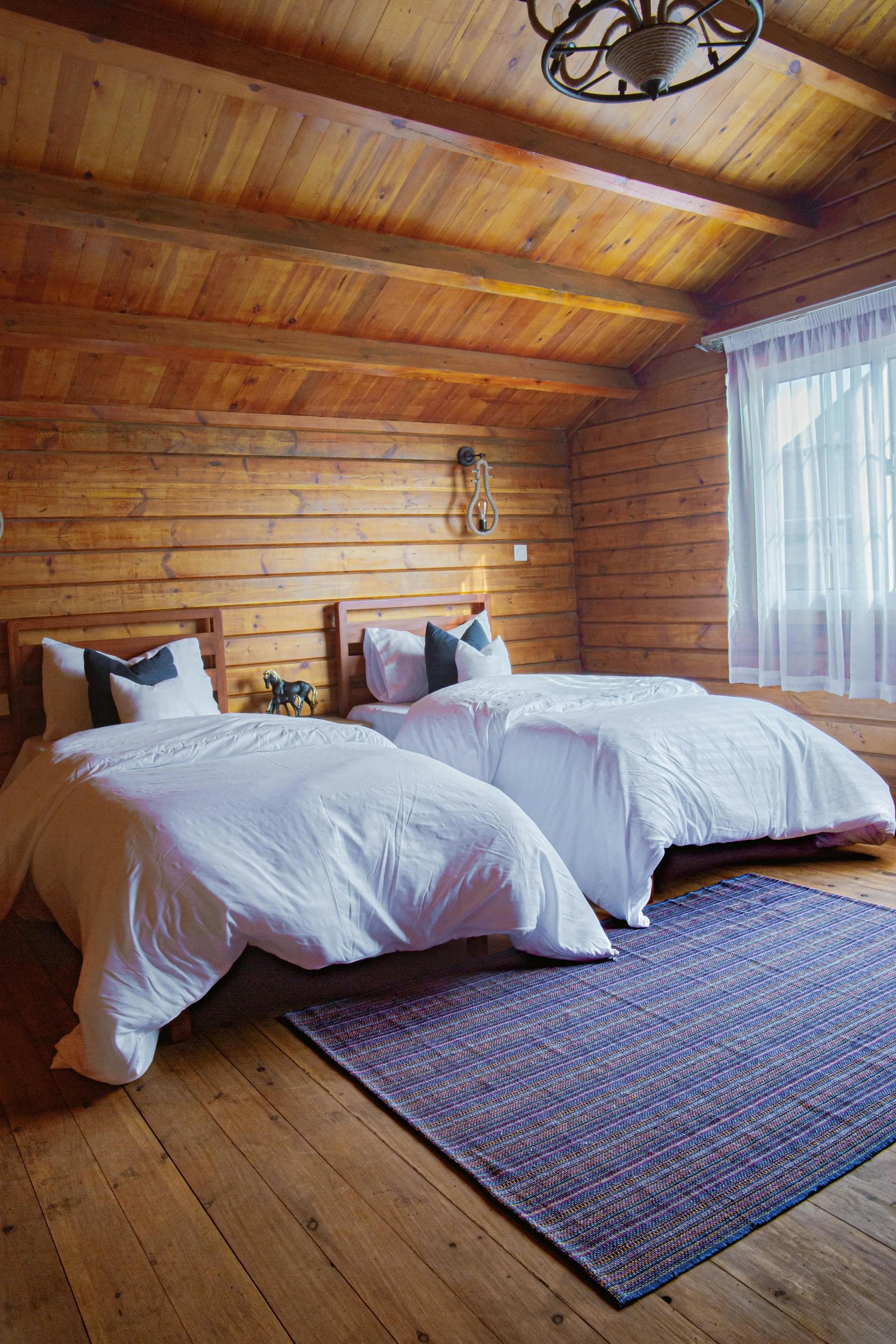
23 phòng bên bờ Nam yên tĩnh của sông Thu Bồn — chỉ mười phút đạp xe đến phố cổ, nhưng tách biệt khỏi mọi ồn ào.
Đặt phòng ngayContinue at Nghê Prana
Ready to Sleep Better?
Every room at Nghê Prana is designed around the science of sleep. Blackout curtains, nightly aromatherapy turndown, and riverside quiet — experience what real rest feels like.
View Our RoomsHẹn bạn tại Hội An
Phòng bên sông, mười phút đạp xe ra phố cổ. Dù là một đêm dừng chân giữa Huế và Đà Nẵng, hay cả tuần thả mình không lịch trình — phòng của bạn vẫn yên tĩnh.
Miễn phí huỷ · Đặt trực tiếp với gia đình điều hành khách sạn
Tiết kiệm 15% khi đặt phòng trực tiếp qua website
 WhatsApp
 Zalo
Zalo