beauty
Giấc ngủ sửa da bạn qua đêm thế nào
Trị liệu sắc đẹp mạnh nhất của cơ thể xảy ra giữa nửa đêm và 3 giờ sáng. Đây là khoa học đằng sau giấc ngủ và tái sinh da.
Jan 15, 20257 minRead Article
Thẩm mỹ mới của Gen Z — nước nóng, gua sha, sáng dịu, ngủ sớm, đi dép trong nhà — được gọi là Chinamaxxing sau khi lan truyền trên TikTok và lên Fortune và NPR tháng này. Mọi nghi thức trào lưu tôn vinh đều đã được thực hành liên tục ở Việt Nam suốt nhiều thế kỷ, dưới những cái tên cổ hơn, bản địa. Đây là cẩm nang dịch nghĩa.
Gen Z dành tháng Tư 2026 phát hiện rằng nước nóng ngon hơn latte đá, rằng cạo gió có khi đúng là chăm sóc da, rằng đi ngủ lúc 21:30 không phải khiếm khuyết tính cách, và rằng cả "stack" — nước nóng, đi dép trong nhà, trà thảo dược, ngủ sớm, sáng ánh sáng dịu — ghép vào nhau thành thứ mạch lạc đủ để có một từ bám lên. Fortune đưa tin ngày 19 tháng Tư. NPR gọi đó là từ tuần của Gen Z hồi tháng Ba. Từ đó là Chinamaxxing. Nội dung thực sự của trào lưu — các nghi thức và kết cấu đời sống hằng ngày nó theo đuổi — không mới. Ở Việt Nam, nó chưa từng đi đâu cả. Cái TikTok đang gọi là thẩm mỹ Trung Hoa, phần lớn, là ngữ pháp wellness chung của cả vùng văn hoá Đông và Đông Nam Á, được thực hành liên tục một ngàn năm qua, và được giữ đặc biệt sống động trong nhà người Việt. Bài này là cẩm nang dịch nghĩa.
Cách đọc tốt nhất về Chinamaxxing — cách Fortune và NPR cùng đến — là nó không thực sự về Trung Quốc. Học giả Shaoyu Yuan nói với NPR rằng trào lưu chạy trên hai đường: "làm nổi bật rối loạn chức năng của Mỹ" trên một và "làm Trung Quốc trông hấp dẫn hơn" trên kia. Reid Litman của Ogilvy nói với Fortune rằng nó đọc giống "cách thế hệ này dựng bản sắc và dùng internet" hơn là sự bác bỏ văn hoá Mỹ. Cái trào lưu thực sự nói về, theo cơ chế, là sự bác bỏ phiên bản phức hợp wellness-công nghiệp Tây của tự chăm — mười lăm bước skincare, ly matcha đá 12 USD, khung tối đa hoá năng suất — và đón nhận một thứ đơn giản hơn, yên hơn, được cho là cổ. Nước nóng. Trà. Ngủ sớm. Vận động dịu. Nhà nhỏ gọn. Đi dép trong nhà. Ăn cùng nhiều thế hệ.
Trớ trêu là từ "Trung Hoa" trong Chinamaxxing đóng vai trò chỗ trống. Các nghi thức được tôn vinh không chỉ thuộc Trung Hoa. Là di sản văn hoá chung của Đông và Đông Nam Á, được dạy trong gia đình từ thuở nhỏ, và ở vài nước thực hành liên tục hơn các nước khác. Việt Nam là một trong những nước đó. Bà nội Hà Nội không cần được bảo uống nước nóng. Các gia đình Hội An chưa bao giờ ngừng nấu nồi xông thảo dược. Các nước cờ Gen Z giờ "khám phá" là mặc định trong nhà người Việt.
Theo bài đưa tin Fortune ngày 19 tháng Tư 2026, trào lưu đạt đỉnh thâm nhập văn hoá sau tour Trung Quốc đầu 2025 của IShowSpeed, được phổ thông hoá bởi loạt TikTok "how to become Chinese" của creator Sherry Zhu, và từ đó sinh ra hàng ngàn video bắt chước mỗi tuần — tốc độ đáng kinh ngạc cho một trào lưu văn hoá mà nghi thức bên dưới có khi đã hơn hai ngàn năm.
Sau là từng nghi thức Chinamaxxing chính trong tương đương Việt, với từ bản địa, lịch sử ngắn, và nơi bạn có thể trải nghiệm thật hôm nay.
Gua sha trong từ vựng tiếng Anh của trào lưu nghĩa là lăn một dụng cụ ngọc bích hoặc thạch anh hồng dọc mặt để "tạo hình" da. Đây là phiên bản công nghiệp làm đẹp Tây. Tập tục bên dưới — cạo da bằng cạnh trơn để di chuyển khí và giải cái mà y học cổ gọi là "gió độc" — tồn tại ở Việt Nam như cạo gió, được thực hành ít nhất 1.500 năm. Cạo gió thường làm trên lưng, cổ và ngực hơn là mặt; dụng cụ truyền thống là viền đồng bạc xát dầu cao hổ hay dầu thảo dược ấm; và tập tục là biện pháp tại nhà tuyến đầu cho cảm, mệt và stress trong gần như mọi hộ Việt. Bà nội nào cũng biết cạo gió. Phiên bản dụng cụ skincare lan truyền là sự đơn giản hoá thẩm mỹ gần đây; bản gốc mang tính trị liệu, toàn thân, và vẫn dùng hằng ngày.
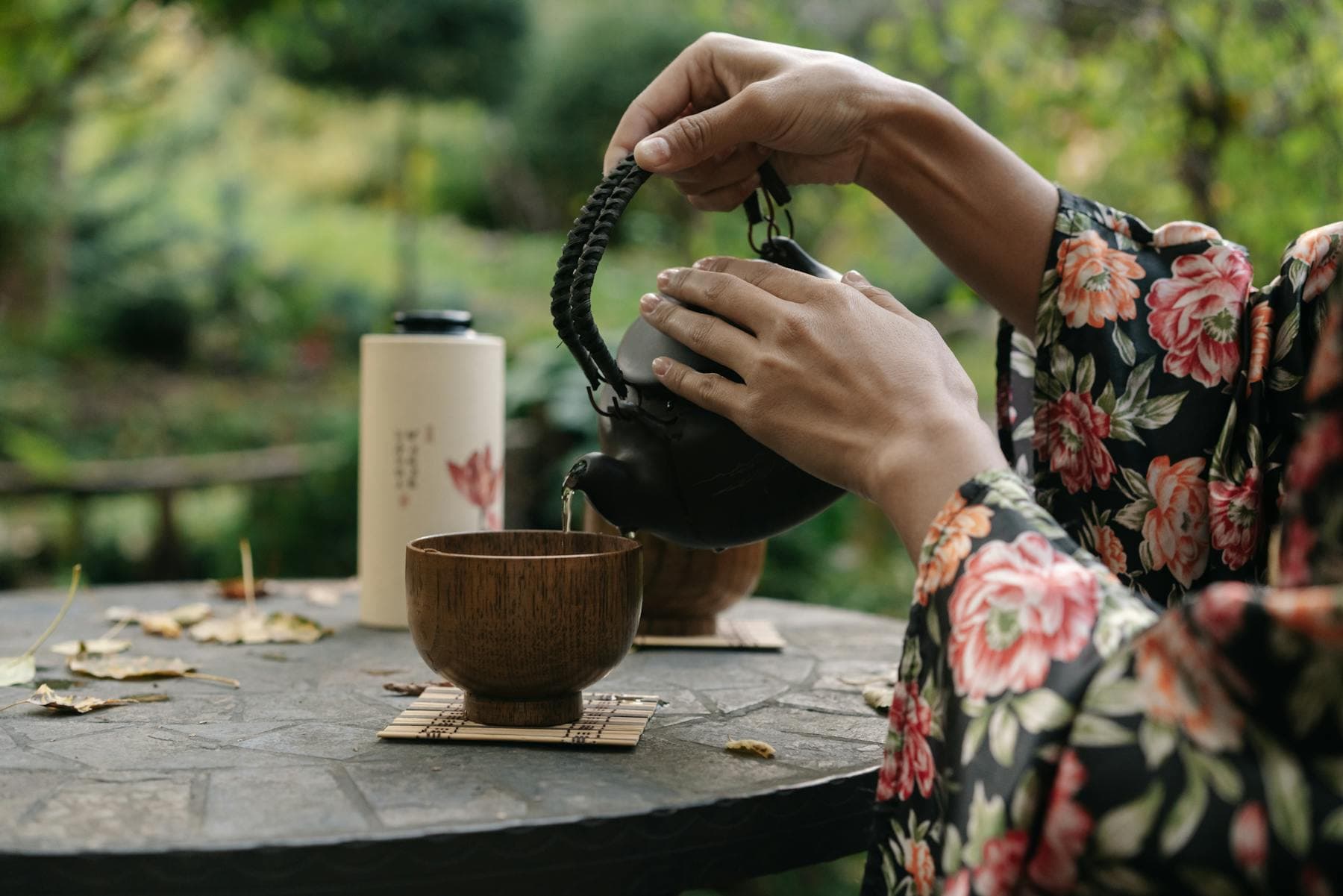
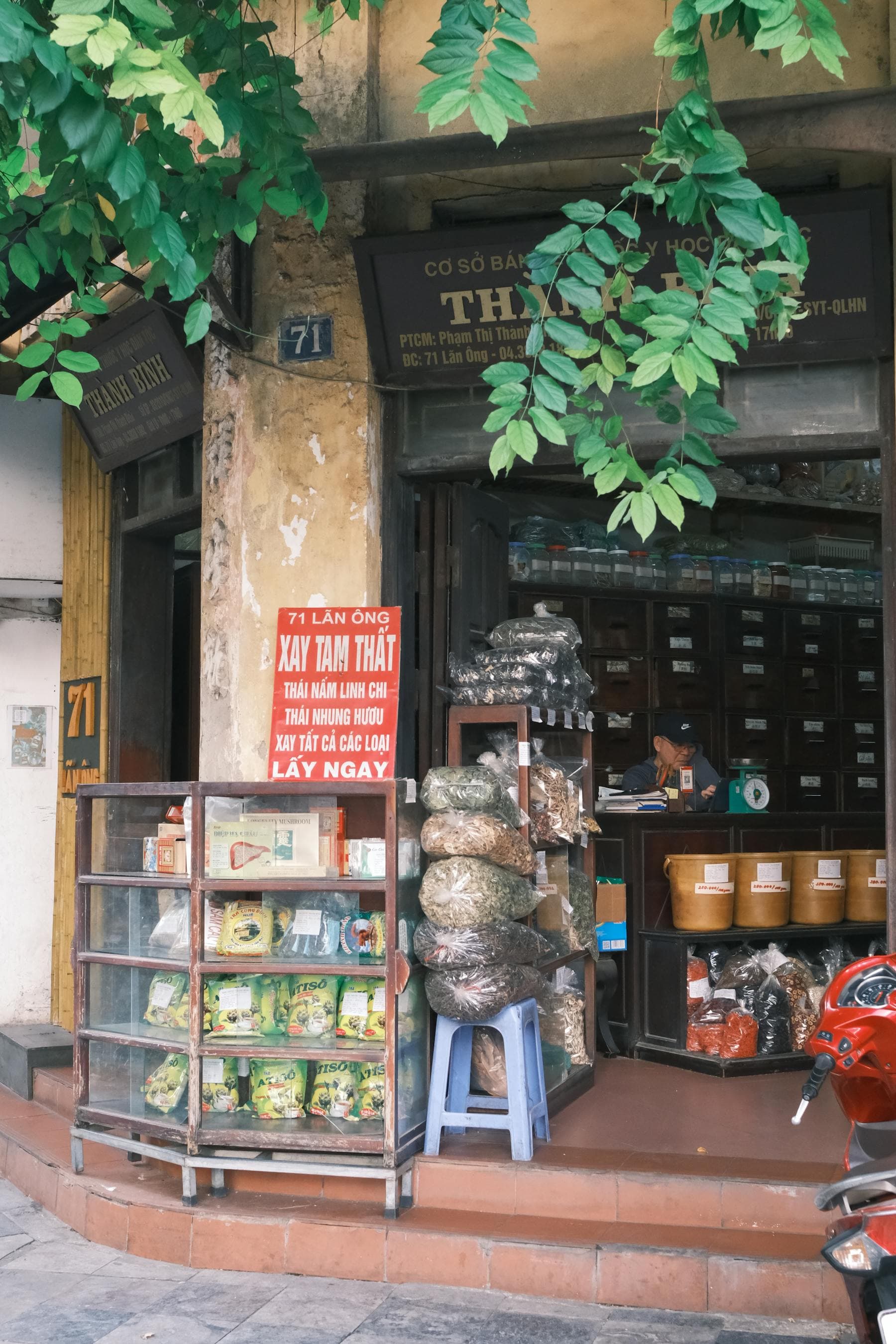
"Uống nước nóng, không phải nước đá" là một trong những quy tắc Chinamaxxing thường gặp nhất. Ở Việt Nam, nước nóng không phải lựa chọn thẩm mỹ; là hạ tầng. Hầu như mọi nhà, quán, văn phòng Việt giữ một phích nước đun sẵn để rót lên trà xanh hay đơn giản là uống nước nóng. Y học cổ truyền Việt (thuốc nam) cho rằng nước lạnh làm mát tạng phủ và yếu tiêu hoá. Rót nước nóng lên đúng loại lá là nền của văn hoá hiệu thuốc-tại-nhà đáng kinh ngạc của đất nước: gừng tươi cho cảm, lá sen cho giấc ngủ, rau má cho nhiệt, lá dứa cho tiêu hoá. Một Gen Z Chinamaxxing uống nước nóng năm 2026 đang làm điều mà mọi đứa trẻ Việt được dặn từ khi cầm được cốc.
Thái cực là một trong những nghi thức được chụp nhiều nhất trong kinh điển Chinamaxxing — công viên đầy người vận động cùng nhau lúc bình minh. Việt Nam có song song liên tục riêng, dưỡng sinh, nghĩa đen là "nuôi dưỡng cuộc sống". Dưỡng sinh kết hợp thở chậm, kéo giãn dịu, và chuỗi vận động nhìn từ xa giống thái cực nhưng rút từ cả truyền thống Hoa và Việt. Ở bất cứ thành phố Việt nào, bước ra giữa 5:30 và 6:30 sáng và bạn sẽ thấy các nhóm dưỡng sinh ở công viên, bên sông, và trên bãi. Ở Hội An, thực hành dưỡng sinh đều đặn nhất diễn ra dọc bờ Thu Bồn sau chợ, mỗi sáng, do gần như toàn các bậc cao niên đã làm hàng chục năm. Trào lưu trên TikTok. Tập tục chưa bao giờ rời bờ sông.
Nghi thức sáng-dịu mà Chinamaxxing tôn vinh — dậy lúc bình minh, đồ uống ấm, ánh sáng dịu, không màn hình, ăn sáng chậm — là chuẩn văn hoá Việt, không phải lựa chọn khao khát. Một sáng Việt điển hình bắt đầu với người bán phở bật bếp lúc 5 giờ, lớp dưỡng sinh ở công viên lúc 6, chợ ướt vận hành đầy đủ lúc 6:30, và các gia đình ăn sáng tô canh nóng cùng nhau trước 7:30. Thẩm mỹ "sáng dịu", ở Việt Nam, đơn giản là sáng trông như thế. Có trước TikTok hàng thế kỷ.
Đang lên kế hoạch cho chuyến đi? Xem ngày trống tại khách sạn yên tĩnh bên sông Thu Bồn của chúng tôi. Kiểm tra phòng trống →
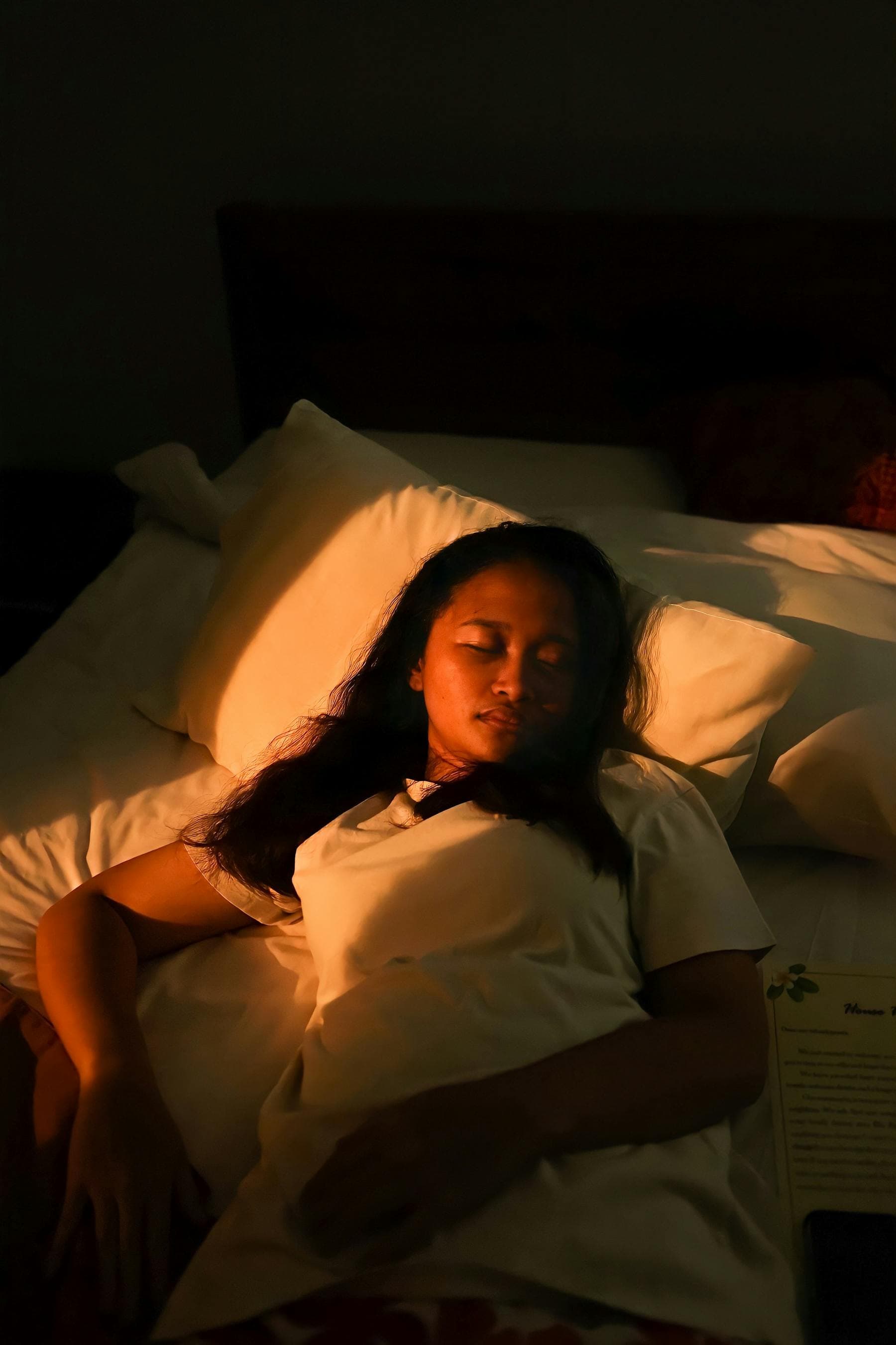
Một trong những quy tắc nghe lạ nhất của Chinamaxxing — tắt đèn 21:30 hay 22:00 — ở các làng và nhà truyền thống Việt, đơn giản là khi ngày kết thúc. Văn hoá ngủ Việt gắn với lịch âm và nhịp nông nghiệp: dậy với gà, ăn bữa tối trước 19, hạ nhịp khi trời tối, đốt nhang trên bàn thờ tổ, và ngủ trước 22. Các thành phố Việt hiện đại đã tiếp nhận một phần nhịp khuya Tây, nhưng mô hình truyền thống vẫn sống — đặc biệt ở miền Trung, đồng bằng Mê Kông, và các thị trấn nhỏ. Quy tắc Chinamaxxing ngủ sớm rơi tự nhiên vào Việt Nam vì hạ tầng ngày đã định hướng vậy: cửa hàng đóng sớm hơn so với trung tâm Thượng Hải hay Hà Nội, ồn công cộng ban đêm thấp hơn, và các thói quen hỗ trợ melatonin (không ánh xanh, không cà phê sau 14, ăn tối đầy đủ trước 19) là mặc định chứ không phải ngoại lệ.
Nghi thức "đi dép trong nhà" phổ biến khắp Đông và Đông Nam Á và đã thế hàng ngàn năm. Tiếng Việt là dép đi trong nhà — nghĩa đen "giày đi trong nhà". Bất cứ nhà nào ở Việt Nam bạn vào đều có một tá đôi ở cửa. Lý do vừa thực dụng (giữ bụi đường khỏi sàn gạch) vừa văn hoá (tôn trọng sự sạch sẽ của nội thất gia đình). Bạn không cần Chinamaxxing nghi thức này; bạn chỉ cần được mời vào nhà người Việt.
Sự tôn vinh "skincare truyền thống" của Chinamaxxing chủ yếu chỉ vào suối nước nóng, bồn ngâm thảo dược và liệu pháp xông. Việt Nam có phiên bản cụ thể và rất sống động: tắm lá xông. Một hộ gia đình hoặc spa nấu một tá lá hoặc hơn — sả, lá sen, lá bưởi, củ nghệ, gừng, lá dứa, lá chanh thái — và người tắm ngồi, phủ khăn, hít hơi rồi tráng bằng nước hãm. Dùng cho cảm, mỏi cơ, phục hồi sau sinh, và thư giãn đơn thuần. Tắm lá xông là phiên bản trực tiếp, liên tục của Việt Nam cho cái mà ngành wellness toàn cầu đang tái phát minh dưới tên tiếng Anh thập niên này.
Chinamaxxing cảm như mới với người dùng Gen Z khám phá ra vì thế hệ trước người dùng — bố mẹ họ và ngành wellness Tây giai đoạn cuối — đã đóng gói lại các nghi thức này thành sản phẩm bán thay vì các thực hành hằng ngày miễn phí. Một dụng cụ gua sha ngọc bích. Bộ trà detox 60 USD. Đèn ánh sáng buổi sáng 200 USD. Cái trào lưu đang làm, về cơ bản, là xé bao bì đi và quay về tập tục. Nước nóng miễn phí. Một sáng yên miễn phí. Một viên đá cạo miễn phí. Trào lưu trông như "đặt cược tất tay vào thẩm mỹ Trung Hoa" nhưng thực ra là tái khám phá phiên bản miễn-phí, công-nghệ-thấp, gia-đình-dạy của wellness đã được thực hành liên tục khắp Đông và Đông Nam Á suốt thời gian.
Lý do đáng viết điều này xuống — và lý do wellness Việt quan trọng cho cuộc trò chuyện — là Việt Nam là một trong số rất ít nơi mà thực hành liên tục chưa từng thương mại hoá hoàn toàn. Một bà nội Hội An biết cạo gió vì mẹ bà chỉ. Bà uống nước nóng vì bà luôn vậy. Bà thức lúc 5:30 vì dưỡng sinh lúc 6 giờ. Tập tục chưa từng mất. Đơn giản là được thực hành.
Nếu bạn đọc bài này vì thẩm mỹ Chinamaxxing đang vang với bạn, nước cờ thẳng thắn nhất không phải lãng mạn hoá một nước hơn nước khác mà là dành thời gian ở bất cứ nơi nào tập tục không bị gián đoạn. Miền Trung Việt Nam là ứng cử viên rất tốt. Một kỳ ven sông Hội An cho bạn dưỡng sinh bình minh, nước nóng theo yêu cầu, tắm lá xông, văn hoá ăn tối sớm, yên trước 21:30, và cả từ vựng cho những thứ trào lưu TikTok đang chỉ vào. Tại Nghê Prana, chúng tôi giữ mỗi nghi thức này như hình dạng mặc định của ngày vì chúng hiệu quả, không phải vì chúng hợp xu hướng. Nếu bạn đến và ở, sáng dịu đã đợi sẵn.
Nghi thức cũ hơn từ. Từ sẽ qua. Nghi thức ở lại.
23 phòng bên bờ Nam yên tĩnh của sông Thu Bồn — chỉ mười phút đạp xe đến phố cổ, nhưng tách biệt khỏi mọi ồn ào.
Đặt phòng ngayContinue at Nghê Prana
Ready to Sleep Better?
Every room at Nghê Prana is designed around the science of sleep. Blackout curtains, nightly aromatherapy turndown, and riverside quiet — experience what real rest feels like.
View Our RoomsHẹn bạn tại Hội An
Phòng bên sông, mười phút đạp xe ra phố cổ. Dù là một đêm dừng chân giữa Huế và Đà Nẵng, hay cả tuần thả mình không lịch trình — phòng của bạn vẫn yên tĩnh.
Miễn phí huỷ · Đặt trực tiếp với gia đình điều hành khách sạn
Tiết kiệm 15% khi đặt phòng trực tiếp qua website
 WhatsApp
 Zalo
Zalo