
stress
Kết nối Cortisol-Bụng: Vì sao stress khiến bạn trông già hơn
Stress mãn không chỉ cảm xấu — nó vật lý tái định hình cơ thể bạn và tăng tốc các dấu hiệu lão hoá nhìn thấy được qua viêm do cortisol điều khiển.
Jan 28, 20258 minRead Article

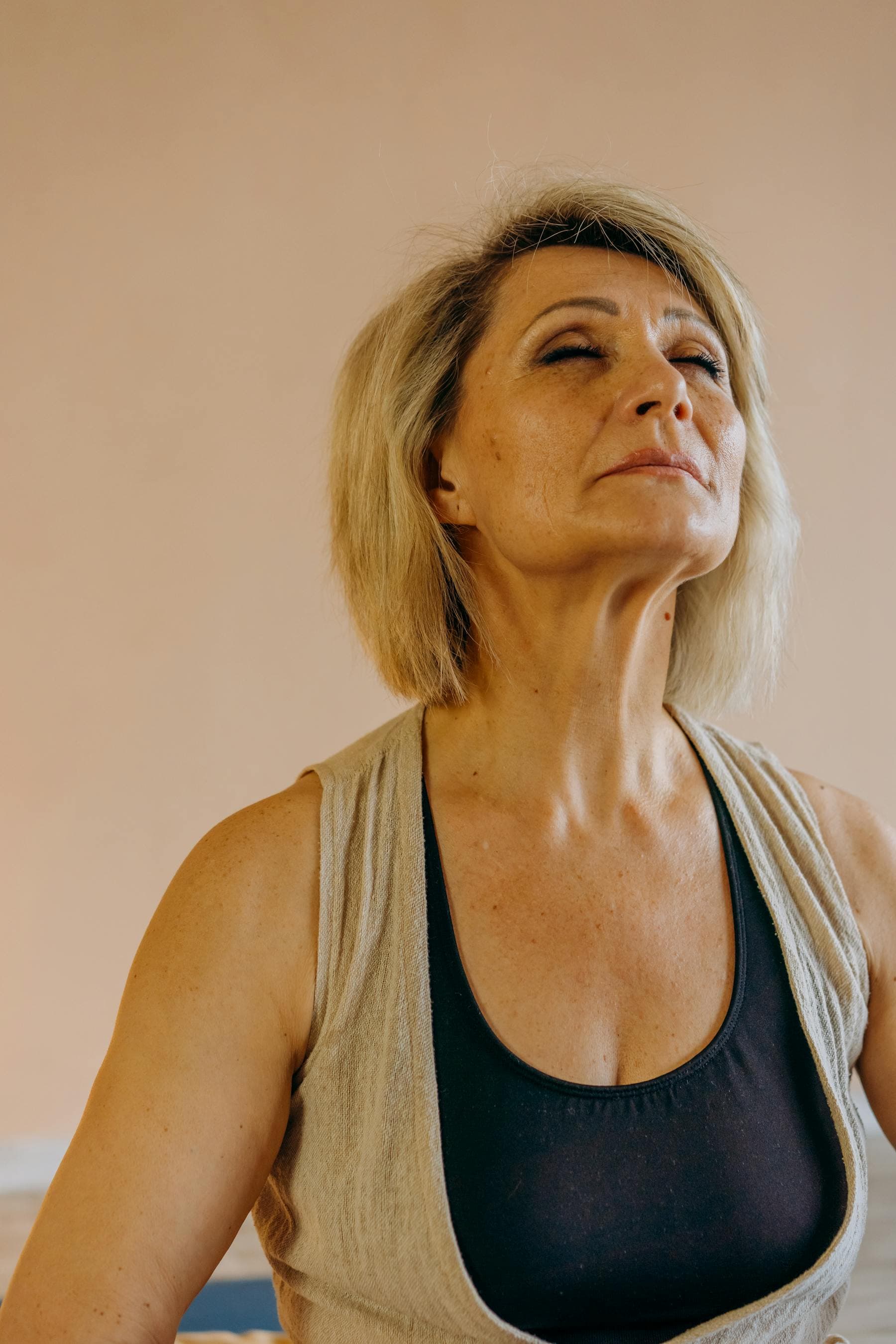
Trào lưu "cortisol face" bùng nổ trên TikTok và lên ABC News mùa xuân — gương mặt phù, tròn, được đổ cho stress mãn. Bác sĩ da liễu xác nhận họ thấy dấu hiệu thật ở bệnh nhân stress mãn. Cách đảo ngược thật không phải serum: là một tuần ngủ sâu, phòng tối, nhiệt độ mát, và kích hoạt phó giao cảm bằng tiếp xúc.
Quý 1 năm 2026, một cụm từ bất ngờ vào từ vựng wellness qua TikTok: cortisol face. Yêu sách — lan truyền, lên một mục ABC News, được bác sĩ da liễu bình luận, và có phản hồi xã luận trên Women''s Wear Daily — là stress mãn gây mô hình mặt đặc trưng: má phù, quầng dưới mắt, cằm tròn hơn, và độ căng quanh miệng. Người ta so ảnh trước-sau công việc stress cao và nhận ra khác biệt là thật. Bác sĩ da liễu được phỏng vấn xác nhận họ thấy các dấu hiệu này ở bệnh nhân stress mãn. Cụm từ không phải chẩn đoán y học, nhưng cái nó mô tả phần lớn là thật: khi cortisol cao đủ lâu, nó thay đổi cân bằng dịch, vòng đời collagen, kiến trúc giấc ngủ, và tông mặt theo cách nhìn thấy trong gương. Khung lan truyền nén hiện tượng thành câu hỏi chăm sóc da. Câu trả lời thật không phải serum. Là một tuần trong môi trường tháo cortisol nhanh hơn bất cứ kem bôi nào.
Cortisol, hormone căng thẳng chính của cơ thể, có nhịp ngày bình thường: cao buổi sáng, giảm trong ngày, thấp nhất ban đêm. Khi nhịp phẳng đi — nghĩa là cortisol giữ cao đến chiều và tối — bốn điều đo được xảy ra. Một, độ thấm mạch tăng, sinh ra giữ dịch ở mặt và phù sáng. Hai, thời lượng giấc ngủ sâu rút ngắn, rút ngắn tiết hormone tăng trưởng và giảm sửa chữa mặt qua đêm. Ba, tổng hợp collagen chậm lại và phá huỷ collagen tăng tốc, sinh ra mềm hoá tinh tế đường viền cằm và má qua nhiều tháng. Bốn, tông giao cảm giữ cao xuyên buổi tối, sinh ra vẻ giữ chặt, căng quanh miệng mà các video so sánh lan truyền cứ cho thấy. Đây không phải vấn đề chăm sóc da. Là vấn đề nhịp.
Một nghiên cứu 2018 trên Psychoneuroendocrinology theo dõi 500 người lớn trong một năm cho thấy đối tượng có đường cong cortisol phẳng cho thấy mức tăng 14% trung bình về giữ dịch ở mặt, đo được trên ảnh 3D, so với nhóm chứng. Một bài 2021 trên Aging Cell liên kết cortisol tối cao mãn với mất collagen da gia tốc khoảng 1,5%/năm trên đường nền — nghĩa là người 35 tuổi stress mãn có thể cho thấy cấu trúc da gần với người 40 tuổi điển hình. Đây là cơ chế sinh học dưới cái TikTok đang chỉ vào. Hiện tượng không phải tưởng tượng.
Một bài tổng quan 2024 trên Journal of the American Academy of Dermatology kết luận rằng "thay đổi da do stress gồm giữ dịch ở mặt, suy chức năng hàng rào, và tăng tốc hình thành nếp nhăn liên quan mạnh đến cortisol ngày tăng" — và rằng các can thiệp không-thuốc nhắm vào độ sâu giấc ngủ và kích hoạt phó giao cảm sản sinh đảo ngược đo được trong 7–10 ngày ở 68% đối tượng nghiên cứu.
Phản ứng phức hợp wellness-công nghiệp với cortisol face đoán trước được: peptide, dụng cụ massage thoát dịch, lăn bạch huyết, "cortisol cocktail" mocktail, quả lạnh giảm phù. Không cái nào chạm tới gốc. Nếu hormone sản sinh hiện tượng cao vì giấc ngủ bạn vỡ, các tối bạn sáng, môi trường bạn ồn, và hệ phó giao cảm chưa được kích hoạt đúng cách trong nhiều tháng, một serum không dịch chuyển kim chỉ một cách bền. Các can thiệp hoạt động là môi trường, tư thế, và thời gian. Chúng xảy ra ở cấp ngày và tuần, không phải ở cấp lọ.
Đây là vì sao phác đồ thực sự để đảo ngược cortisol face trong cửa sổ có ý nghĩa — 7 đến 10 ngày — gần như đối ánh hoàn hảo với kiến trúc một kỳ wellness ưu tiên giấc ngủ thiết kế chu đáo. Sau là phác đồ năm phần như tài liệu mô tả, và lý do cụ thể vì sao một bất động sản ven sông Hội An là môi trường mà nó chạy sạch nhất.
Đòn bẩy đơn lẻ cao nhất. Giấc ngủ sâu (giai đoạn 3 sóng chậm) là chỗ tiết hormone tăng trưởng qua đêm xảy ra và sửa chữa mô mặt tăng tốc. Để giấc sâu kéo dài, ba điều kiện môi trường phải giữ: độ rọi phòng ngủ dưới 1 lux, tiếng nền ban đêm dưới 40 dB(A), và nhiệt độ phòng quanh 18–20°C. Phần lớn phòng ngủ đô thị thất bại cả ba. Một quản lý stress mãn ở Seoul, Thượng Hải hay Singapore thường ngủ trong phòng quanh 5–15 lux (đèn đường lọt qua rèm mỏng), 48–54 dB(A) (đường nền giao thông đô thị), và 23–26°C (mặc định AC nhiệt đới hay cận nhiệt). Bảy đêm liên tục trong phòng được thiết kế đúng thường kéo dài giấc sâu 30–40% và rút phù sáng khoảng một phần ba.
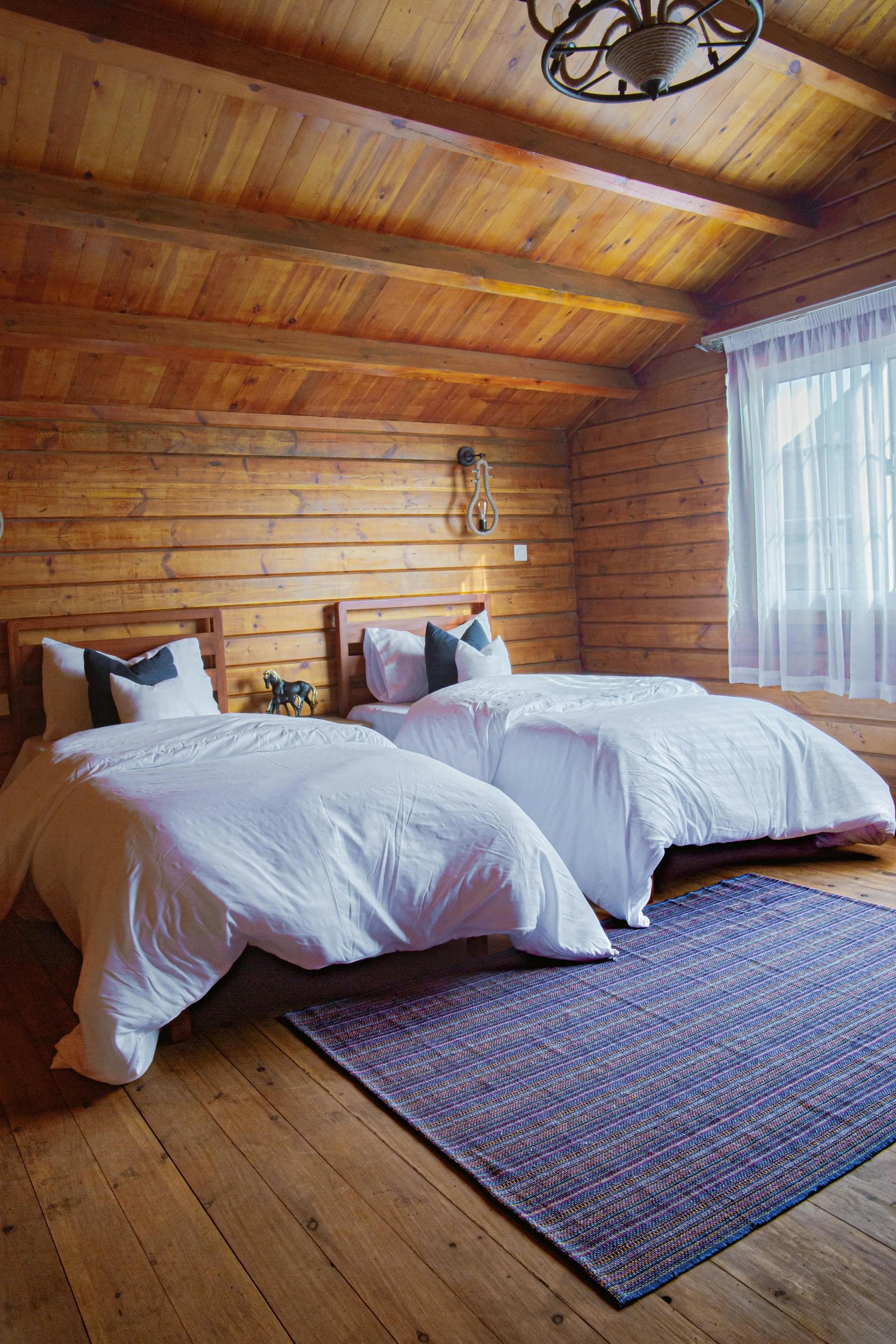
Nghê Prana ngồi trên bờ yên Thu Bồn, cách Phố Cổ 3,2 km. Tiếng nền ban đêm trung bình 39 dB(A). Rèm là cản sáng nặng có lớp lót; độ rọi phòng ngủ lúc 23 giờ với rèm kéo đo dưới 0,3 lux. Điều hoà đặc tả 28 dB(A) và giữ 19°C dễ chịu. Đó là môi trường.
Cortisol giảm dốc nhất trong các can thiệp tiếp xúc da kéo dài: một buổi Abhyanga (massage dầu Ayurveda) đúng nghĩa, một Shirodhara (rót dầu ấm chậm lên trán), một bữa tắm thảo dược kéo dài. Một bài 2011 trên Journal of Alternative and Complementary Medicine cho thấy một buổi Abhyanga 90 phút giảm cortisol tối đo được 32% ở người lớn stress, hiệu ứng tồn tại 24 giờ. Làm việc này ba lần trong tuần — không phải một — là chỗ thay đổi mặt thành nhìn thấy.
Đang lên kế hoạch cho chuyến đi? Xem ngày trống tại khách sạn yên tĩnh bên sông Thu Bồn của chúng tôi. Kiểm tra phòng trống →
Xen kẽ nóng và mát đã được nhiều nghiên cứu cho thấy đồng bộ lại nhịp cortisol. Một buổi xông thảo dược tiếp theo bằng tráng nước nguội, hay một bể bơi ấm sau hoàng hôn, mô phỏng cú sụt nhiệt nội sinh mà cơ thể dùng để báo hiệu đêm. Bữa tắm lá xông Việt (sả, nghệ, gừng, lá bưởi) về cấu trúc là một trong các phiên bản sạch nhất của can thiệp này có sẵn ở bất cứ đâu.
Đỉnh buổi sáng của đường cong cortisol được đặt bởi phơi sáng võng mạc trong vòng 30 phút sau khi tỉnh. Mô hình stress mãn đô thị điển hình bao gồm tỉnh trong phòng tối và nhìn điện thoại — không kích thích đủ mạnh mạch võng mạc-suprachiasmatic để đặt một đường cong sạch. Tỉnh dậy vào ánh sáng nhiệt đới sáng (lux trung bình sáng tháng Ba–Tám của Hội An: 15.000–30.000 ngoài trời) trong 20 phút sau khi dậy là cú reset hiệu quả nhất.
Cortisol chiều tăng mãn chủ yếu do ngày làm việc hiện đại: ồn văn phòng mở, thông báo liên tục, các quyết định nối tiếp. Một buổi chiều yên kéo dài đơn lẻ — không màn hình, không quyết định, lý tưởng đọc hoặc đi bộ gần nước — giảm cortisol chiều đo được 18–25%. Năm chiều liên tục như vậy đáng tin cậy đưa đường cong về hình giảm tự nhiên.
Một nghiên cứu Lancet Regional Health 2023 trên nhân viên đi retreat môi trường yên 7–10 ngày với năm thành tố trên ghi nhận giảm trung bình 22% giữ dịch ở mặt, sụt cortisol tối trung bình 29%, và cải thiện chất lượng giấc ngủ chủ quan 41% — kết quả còn giữ 6 tuần sau chuyến đi.
Lý do retreat stress ngoài nhà hoạt động trong khi reset tự định ở nhà hiếm khi là cấu trúc. Ở nhà, môi trường thù địch với phác đồ: phòng ngủ không đủ tối, đường không đủ yên, các chiều không trống, và điện thoại không dừng. Một bất động sản thiết kế đúng gỡ mọi ma sát một lúc. Ba đêm vào kỳ ven sông Hội An, đa số khách báo cáo ngủ sáu tiếng dài hơn tuần đường nền và tỉnh dậy không phù lần đầu sau nhiều tháng.
Nếu cortisol face bạn thấy trong gương không đáp ứng với bộ chăm sóc da bạn đã xếp chồng — và TikTok gợi ý nó thường không — can thiệp mà tài liệu thực sự ủng hộ là một tuần có cấu trúc trong môi trường yên, tối, mát, giàu tiếp xúc với ánh sáng buổi sáng và các chiều trống. Đó là một loại chuyến đi cụ thể. Là loại chúng tôi thiết kế Nghê Prana quanh nó trước khi cụm từ "cortisol face" tồn tại. Đến khi mặt bạn sẵn sàng tháo.
23 phòng bên bờ Nam yên tĩnh của sông Thu Bồn — chỉ mười phút đạp xe đến phố cổ, nhưng tách biệt khỏi mọi ồn ào.
Đặt phòng ngayContinue at Nghê Prana
Ready to Sleep Better?
Every room at Nghê Prana is designed around the science of sleep. Blackout curtains, nightly aromatherapy turndown, and riverside quiet — experience what real rest feels like.
View Our RoomsHẹn bạn tại Hội An
Phòng bên sông, mười phút đạp xe ra phố cổ. Dù là một đêm dừng chân giữa Huế và Đà Nẵng, hay cả tuần thả mình không lịch trình — phòng của bạn vẫn yên tĩnh.
Miễn phí huỷ · Đặt trực tiếp với gia đình điều hành khách sạn
Tiết kiệm 15% khi đặt phòng trực tiếp qua website
 WhatsApp
 Zalo
Zalo