
stress
Kết nối Cortisol-Bụng: Vì sao stress khiến bạn trông già hơn
Stress mãn không chỉ cảm xấu — nó vật lý tái định hình cơ thể bạn và tăng tốc các dấu hiệu lão hoá nhìn thấy được qua viêm do cortisol điều khiển.
Jan 28, 20258 minRead Article
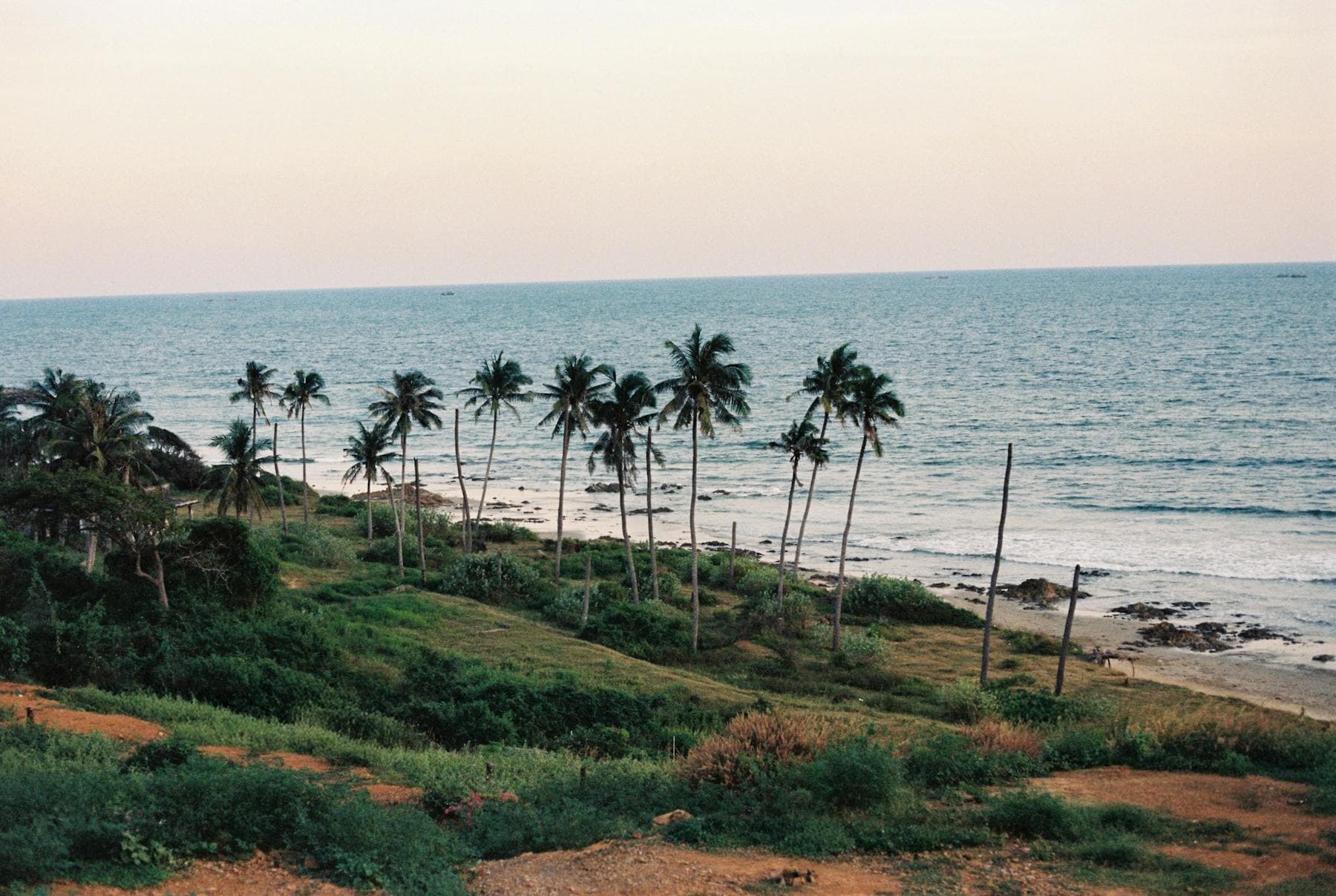
"Soft travel" là tên mới cho mô hình du lịch mà 91% khách giờ nói họ muốn: chậm hơn, yên hơn, sách-và-võng, xây quanh nghỉ ngơi thay vì tham quan. Cũng là nhãn ngành dán lên bất cứ thứ gì mơ hồ nằm ngang. Đây là cách đọc thẳng về cái thực sự cho trải nghiệm soft travel — và một lịch trình Hội An bốn ngày là phiên bản thật.
Báo chí du lịch chạy bài về "soft travel" gần như hằng tuần từ tháng Hai. Trích dẫn thường gặp là một bài Parade báo cáo 91% khách giờ quan tâm các chuyến chậm hơn, đơn giản hơn xây quanh nghỉ ngơi, đọc sách, thiên nhiên, và phục hồi cảm xúc. Trào lưu nằm trong một mô hình lớn hơn 2026: Gen Z bỏ qua các điểm mốc được đóng gói quá kỹ để chọn cái mà một báo cáo ngành gọi là "Anti-Instagram destinations", dữ liệu Skyscanner cho thấy sự thoải mái và cảm xúc thay thế xa xỉ trình diễn, và một insight phổ biến rằng burnout giờ là động lực đơn lẻ lớn nhất quyết định du lịch trong các thị trường giàu. Cái bạn làm với điều này tuỳ vào việc bạn có thể phân biệt giữa du lịch trông mềm và du lịch thực sự mềm.
Điều này quan trọng vì phản ứng của phần lớn ngành với trào lưu soft travel là mỹ phẩm. Một phòng tối giản, túi tote "digital detox", một gối thêu "slow down" — không cái nào thực sự khiến chuyến đi mềm hơn. Mềm không phải thẩm mỹ. Là một bộ ràng buộc: phòng ngủ tối ra sao, buổi tối yên ra sao, buổi chiều trống ra sao, bạn liên lạc được mức nào, sáng hôm sau phụ thuộc bao nhiêu vào kế hoạch bạn đã đặt. Mỗi ràng buộc đó đạt được ở mọi mức giá, và phần lớn resort đắt tiền thất bại tất cả.
Nếu bóc lớp marketing khỏi trào lưu, soft travel có bốn yêu cầu cứng. Một, ngày không có cấu trúc — không hoạt động cố định trước trưa, không lịch trình quá bữa kế. Hai, yên giác quan — ồn nền dưới 45 dB(A), ánh sáng dịu sau hoàng hôn, thông báo tối thiểu. Ba, thời gian nằm ngang — đọc, ngủ, suy nghĩ, tắm. Bốn, sự vắng mặt của mệt mỏi quyết định — phần lớn lựa chọn được làm sẵn hoặc bỏ khỏi bàn, để khách chỉ phải quyết cái họ thực sự muốn.
Một chuyến đi thất bại soft travel nếu thiếu bất cứ một trong số này. Thất bại phổ biến nhất là cái thứ ba với lịch trình Instagram phình — người ta bay tới Bali để "nghỉ" rồi đặt sáu lớp wellness, một retreat im lặng, một lớp nấu ăn, một chuyến lặn ngắm, và ba buổi chụp ảnh. Đó không phải nghỉ. Đó là một bảng tính có nến. Thất bại phổ biến thứ hai là cái thứ hai: đặt một resort đẹp trên xa lộ ồn hoặc cạnh quán bar bể bơi. Ồn nền dưới 45 dB(A) là tiêu chí bị bỏ lỡ nhiều nhất đơn lẻ. Bạn có thể có ga 600 USD/đêm và vẫn tỉnh dậy phù vì HVAC 52 dB(A).
Bài Parade 2026 báo cáo 91% quan tâm soft travel cũng ghi nhận chỉ 23% các đặt "wellness retreat" gần đây thực sự đáp ứng các tiêu chí khách tìm kiếm khi theo dõi ba tháng sau — nghĩa là nhãn và trải nghiệm đang trôi xa nhau nhanh khi ngành đổi tên hàng tồn hiện hữu.
Trào lưu kề 2026 — cái Insight Trends World gọi là cuộc tìm Anti-Instagram destinations của Gen Z — bộc lộ điều sâu hơn: mã xã hội đã lật. Đăng một chuyến đi được đóng gói kỹ đã thành thấp địa vị. Một báo cáo nghiên cứu 2026 mô tả cool mới là có "trải nghiệm chuyển hoá mà bạn chọn không chia sẻ" và đặt tên ping minimalism cho khách đi xong chuyến đi mà không một thông báo nào. Soft travel ở cốt lõi thực sự là chống biểu diễn. Khách không xây nội dung. Họ xây lại chính mình.
Đó là lý do bất động sản soft travel đáng tin nhất thường là bất động sản ít chụp ảnh được nhất. Nội thất sáng chụp đẹp hơn. Nội thất dịu ngủ tốt hơn. Một khách sạn tối ưu cho bài đăng là tối ưu chống nghỉ ngơi. Đây là căng thẳng mà ngành chưa giải.
Hội An ánh xạ rất khớp lên các yêu cầu soft travel thực sự, nếu — và đây là toàn bộ điểm chính — bạn ở ngoài Phố Cổ. Phố Cổ giờ tối cao điểm (18–22 giờ) ngồi quanh 55–65 dB(A) và thất bại tiêu chí yên giác quan với khoảng cách lớn. Các làng ven sông cách 3–4 km (Cẩm Nam, Cẩm Thanh, An Bàng) chạy 35–42 dB(A) buổi tối, vượt ngưỡng làm phiền giấc ngủ WHO. Tai nạn địa lý đặt một thị trấn buôn bán 400 năm dày đặc cách 3 km khỏi vùng ven sông nông thôn đúng nghĩa là cái khiến cả thứ trở nên khả thi: bạn có thể ghé Phố Cổ theo điều kiện riêng trong các giờ ánh sáng tốt, rồi rời.
Đây là lịch trình soft travel bốn ngày thực sự cho.
Đến sân bay Đà Nẵng giữa chiều. Xe riêng tới một bất động sản ven sông. Nhận phòng, tắm, bữa tối chay nhẹ tại khách sạn. Đừng vào Phố Cổ tối đến. Đừng rời bất động sản. Đọc một tiếng. Ngủ trước 21:30. Đây là đêm reset soft travel — nó hiệu chuẩn đường cong cortisol cho phần còn lại của chuyến. Đa số khách đã ở mô hình cortisol cao nhiều tháng giật mình vì họ ngủ sâu thế nào đêm một trong một phòng thực sự tối, yên.
Tỉnh tự nhiên giữa 5:30 và 6:30. Đi bộ tới bờ sông. Xem nhóm dưỡng sinh bình minh (tập tục vận động chậm Việt — bạn không phải tham gia, đi qua đã đủ). Bữa sáng tại khách sạn, chậm. Rồi: không gì. Nằm ngang bên bể bơi, đọc, trà. Một lượt đạp xe ngắn nếu thích, hay một giấc ngủ trưa nếu không. Không lịch trình. Bữa tối tại khách sạn lúc 19. Ngủ trước 22.
Đang lên kế hoạch cho chuyến đi? Xem ngày trống tại khách sạn yên tĩnh bên sông Thu Bồn của chúng tôi. Kiểm tra phòng trống →
Đây là ngày khó. Đa số khách đến không biết làm điều này. Họ kiểm điện thoại, thấy bồn chồn, cố "tối ưu" ngày. Cứ để xảy ra. Đến tối mô hình vỡ.
Vào Phố Cổ trong cửa sổ hai tiếng duy nhất thực sự thưởng công: 17:30–19:30, chuyển blue-hour đèn lồng trước đỉnh đám đông. Đi chậm. Ăn một món cụ thể (hàng Bánh Mì Phượng giờ này 10 phút). Rời trước khi đám đông đầy đủ dồn. Về khách sạn lúc 20:30. Trị liệu spa thứ hai — Shirodhara hay Abhyanga — lúc 21 giờ nếu bất động sản chạy slot tối. Ngủ trước 22:30.
Phố Cổ là trải nghiệm du lịch. Soft travel không bảo bạn bỏ qua — bảo bạn nhúng vào chiến lược thay vì quay quanh nó. Hai tiếng trong cửa sổ đúng thoả mãn hơn sáu tiếng đấu hàng dài.
Tour thuyền thúng sáng ở Cẩm Thanh (90 phút, mềm và buồn ngủ) hoặc một sáng bơi ở Bãi An Bàng. Một bữa trưa dài đâu đó trên sông. Một giấc ngủ trưa dài. Một massage khác hoặc một tắm lá xông. Bữa tối cuối tại khách sạn, dài nhất chuyến. Ngủ trước 23 — đến giờ bạn không cần được nhắc.
Bữa sáng, đóng gói chậm, trả phòng giữa trưa, đưa đón. Nếu chuyến bay buổi chiều, một lượt đi bộ 30 phút cuối dọc sông đáng hơn bữa cuối ở nhà hàng.
Không có gì trong lịch trình trên là độc đáo. Không có trải nghiệm ngách được đóng gói, không tiếp cận "độc quyền", không drop địa điểm chỉ-Instagram. Mọi yếu tố đạt được bởi bất cứ khách nào đặt một khách sạn ven sông yên và cưỡng lại ý muốn lấp lịch. Phiên bản "thẳng thắn" của soft travel là phiên bản không cố làm cho đặc biệt. Bốn tiếng chiều không kế hoạch là sản phẩm. Ngủ trước 21:30 là sản phẩm. Bảy tiếng tối không gián đoạn là sản phẩm.
Nếu điều này đọc nhạt so với một retreat content-farm Bali, đó là điểm chính. Biểu tượng địa vị du lịch mới — theo dữ liệu 2026 — là về với không ảnh nào nhưng một khuôn mặt khác. Đây là loại chuyến làm điều đó. Chúng tôi xây bất động sản cho nó trước khi trào lưu có tên; chúng tôi viết lịch trình này cho người đã biết họ cần nó.
23 phòng bên bờ Nam yên tĩnh của sông Thu Bồn — chỉ mười phút đạp xe đến phố cổ, nhưng tách biệt khỏi mọi ồn ào.
Đặt phòng ngayContinue at Nghê Prana
Ready to Sleep Better?
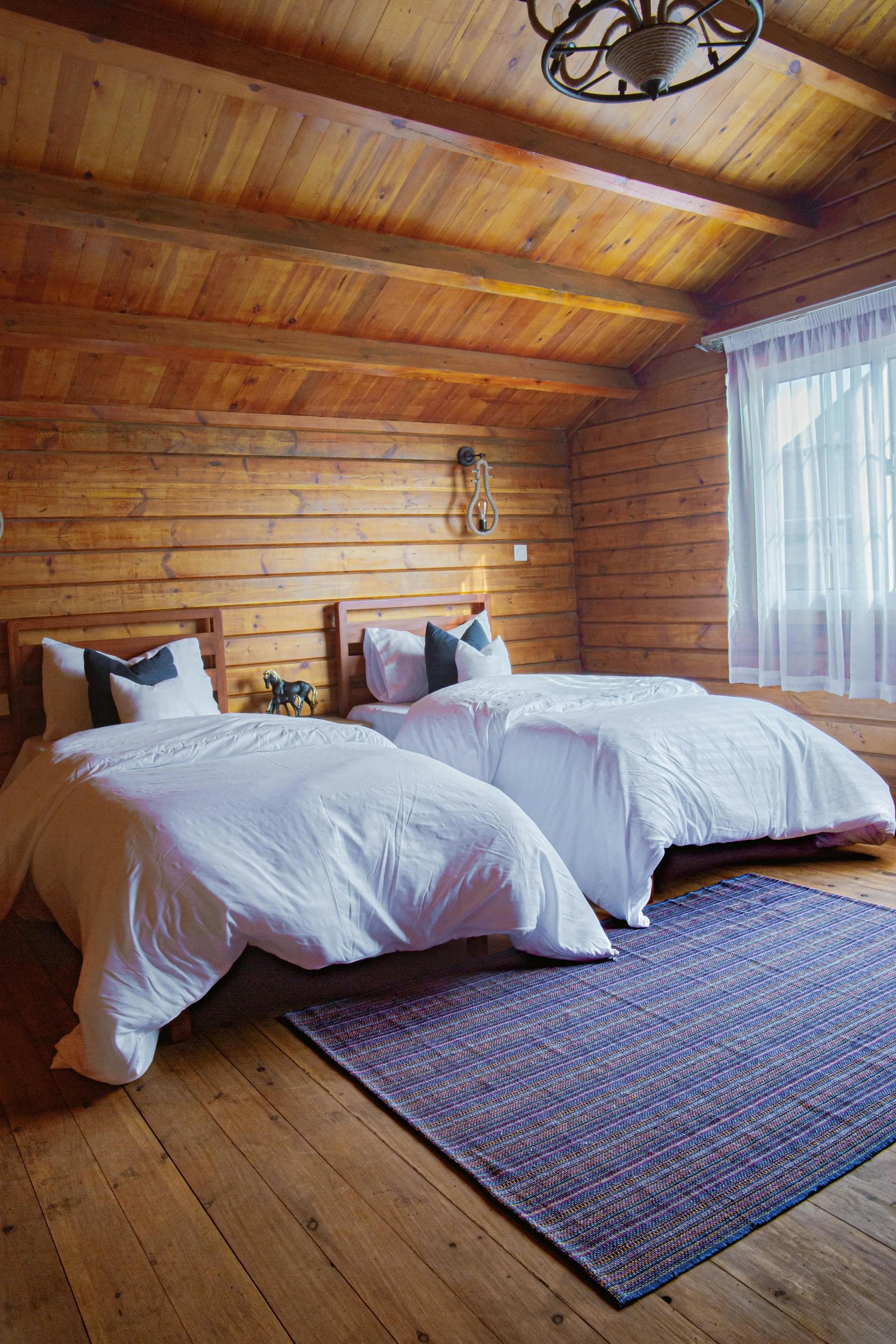
Every room at Nghê Prana is designed around the science of sleep. Blackout curtains, nightly aromatherapy turndown, and riverside quiet — experience what real rest feels like.
View Our RoomsHẹn bạn tại Hội An
Phòng bên sông, mười phút đạp xe ra phố cổ. Dù là một đêm dừng chân giữa Huế và Đà Nẵng, hay cả tuần thả mình không lịch trình — phòng của bạn vẫn yên tĩnh.
Miễn phí huỷ · Đặt trực tiếp với gia đình điều hành khách sạn
Tiết kiệm 15% khi đặt phòng trực tiếp qua website
 WhatsApp
 Zalo
Zalo