Làng gốm Thanh Hà: Tám thế kỷ đất nung, mười phút từ Hội An
Cách Phố Cổ Hội An ba cây số về tây là Thanh Hà — làng gốm sản xuất đất nung từ chính thứ đất sét đỏ ven sông suốt tám trăm năm. Ngói Phố Cổ ra từ đây. Phần lớn lu nước miền Trung cũng vậy. Đây là điều đáng xem.
Thanh Hà — đôi khi viết Thanh Ha hoặc dịch sang tiếng Anh là "the pottery village" — là một dải xưởng gốm vẫn hoạt động dọc bờ nam sông Thu Bồn, cách Phố Cổ Hội An ba cây số về tây. Lịch sử sản xuất gốm có ghi chép của làng kéo về cuối thế kỷ 15, khi thợ thủ công từ Thanh Hoá ngoài bắc tái định cư đây dưới đợt Nam tiến triều Lê và mang theo kỹ thuật lò. Trong một thế hệ, Thanh Hà đã thành nguồn cung gốm kiến trúc chính cho thương cảng Hội An: ngói lợp, gạch lát, bể chứa nước, và những chiếc lu đỏ tròn vẫn xuất hiện ở mọi góc phố Phố Cổ.
Phần lớn cấu trúc kiến trúc gốc của Hội An — bảng màu vàng-đất nung nổi tiếng của mặt tiền Phố Cổ — phụ thuộc vào gạch và ngói hoặc làm tại Thanh Hà hoặc lấy nó làm hình mẫu. Lý do màu đọc ấm chứ không phải cam là hàm lượng sắt riêng của đất sét dọc đoạn sông Thu Bồn này, nung ra một thứ đỏ bụi đặc biệt mà làng đã làm việc liên tục với nó nửa thiên niên kỷ.
Có gì để xem
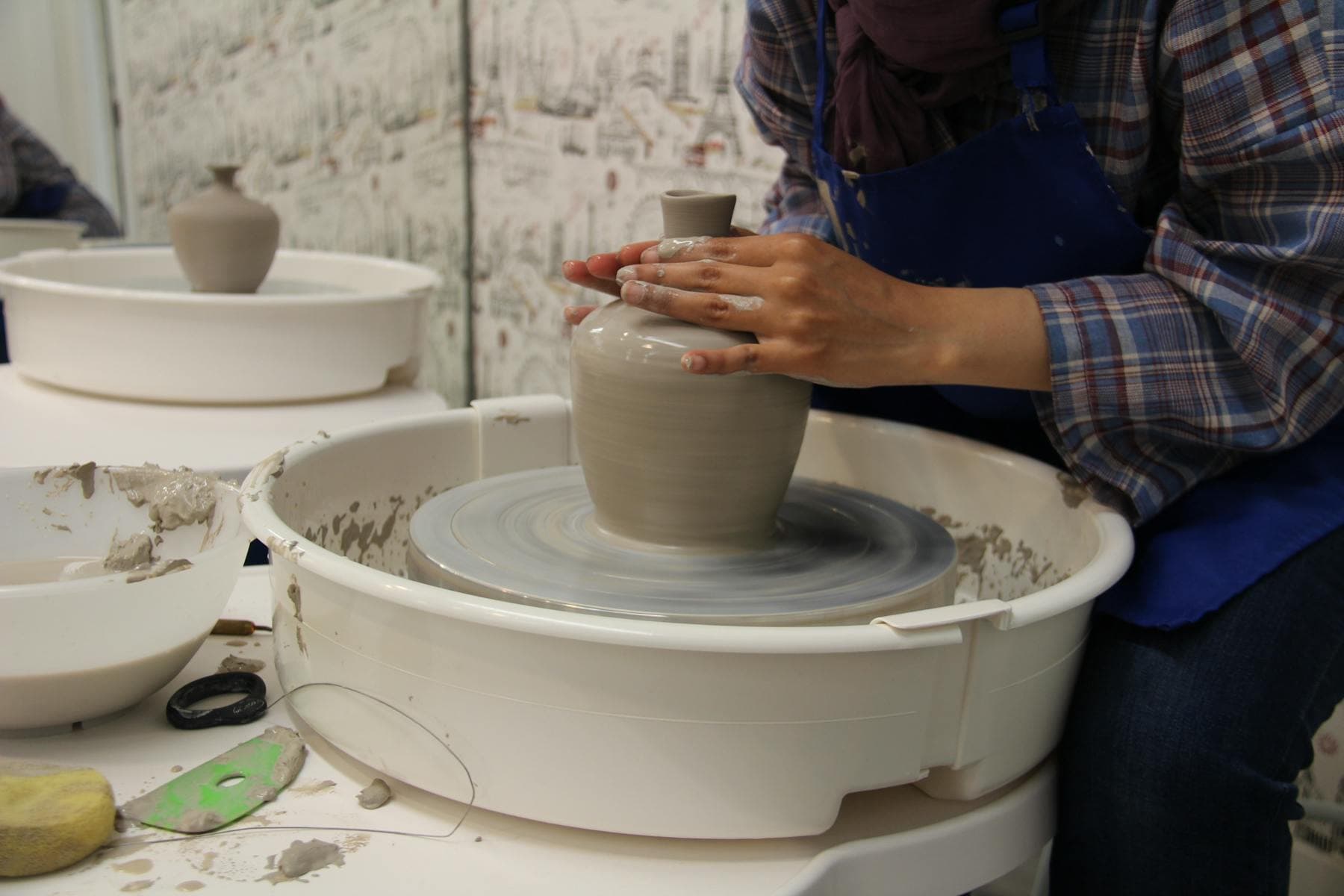
Thanh Hà là làng đang làm việc, không phải bảo tàng. Khoảng ba mươi xưởng gia đình vẫn vận hành dọc hai trục chính của làng, đa số mở cho khách trong giờ làm (thường 8 đến 17 giờ). Quy ước chuẩn là bạn có thể bước vào xưởng nào đang mở, xem thợ làm, hỏi qua điệu bộ hoặc tiếng Việt cơ bản, và mua trực tiếp từ người làm nếu thấy thứ ưng. Giá có thể trả nhưng nhìn chung hợp lý — một tô nhỏ làm tay 30.000–80.000 đồng, chậu hay lọ vừa 200.000–500.000 đồng, lu nước truyền thống lớn 1,5–3 triệu đồng. Có thể gửi ra nước ngoài; hỏi chủ xưởng về sắp xếp gửi (đa số dùng đối tác logistics ở Đà Nẵng cho đơn nước ngoài).
Làng còn có hai điểm chính thức hơn. Bảo tàng Gốm Thanh Hà là một bảo tàng nhỏ hai tầng truy lịch sử làng với hiện vật còn sót từ mỗi triều và một lò trình diễn. Vé 35.000 đồng. Công viên Đất nung là điểm có vé phức tạp hơn ở cuối làng — kiểu công viên chủ đề điêu khắc và "kỳ tưởng" kiến trúc bằng đất sét, với mô hình kích thật của các công trình thế giới nổi tiếng làm bằng đất. Công viên có thú vị hay không tuỳ ngưỡng chịu của bạn với thể loại; đây là thứ được chụp nhiều nhất ở Thanh Hà và cũng ít chân thật nhất. Vé 50.000 đồng.
Khuyến nghị thẳng là bỏ qua các điểm chính thức và dành một tiếng đi bộ làng đang làm việc. Người thợ thật trên bàn xoay thật thú vị hơn bất cứ trưng bày tái dựng nào — và những món nhỏ bạn mua từ họ ở lại trong làng thay vì đi cho chủ đầu tư công viên.
Khi nào ghé
Sáng giữa 8 và 10 giờ là giờ tốt nhất. Lò đang nung, bàn xoay đang quay, và nhiệt chưa lên. Đến trưa nhiều chủ xưởng nghỉ trưa dài và làng yên lại. Chiều muộn (15:30 đến 17:00) là cửa sổ làm việc thứ hai. Thứ Bảy bận hơn ngày thường chút; Chủ Nhật nhiều xưởng đóng.
Lễ hội làng gốm Thanh Hà hằng năm rơi vào tháng Bảy âm lịch (thường tháng Tám dương), với trình diễn lò, thi nghề truyền thống, và đoàn rước tới miếu thờ thành hoàng. Nếu chuyến đi của bạn trùng lễ, đáng dự — làng sống động nhất.
Đang lên kế hoạch cho chuyến đi? Xem ngày trống tại khách sạn yên tĩnh bên sông Thu Bồn của chúng tôi. Kiểm tra phòng trống →
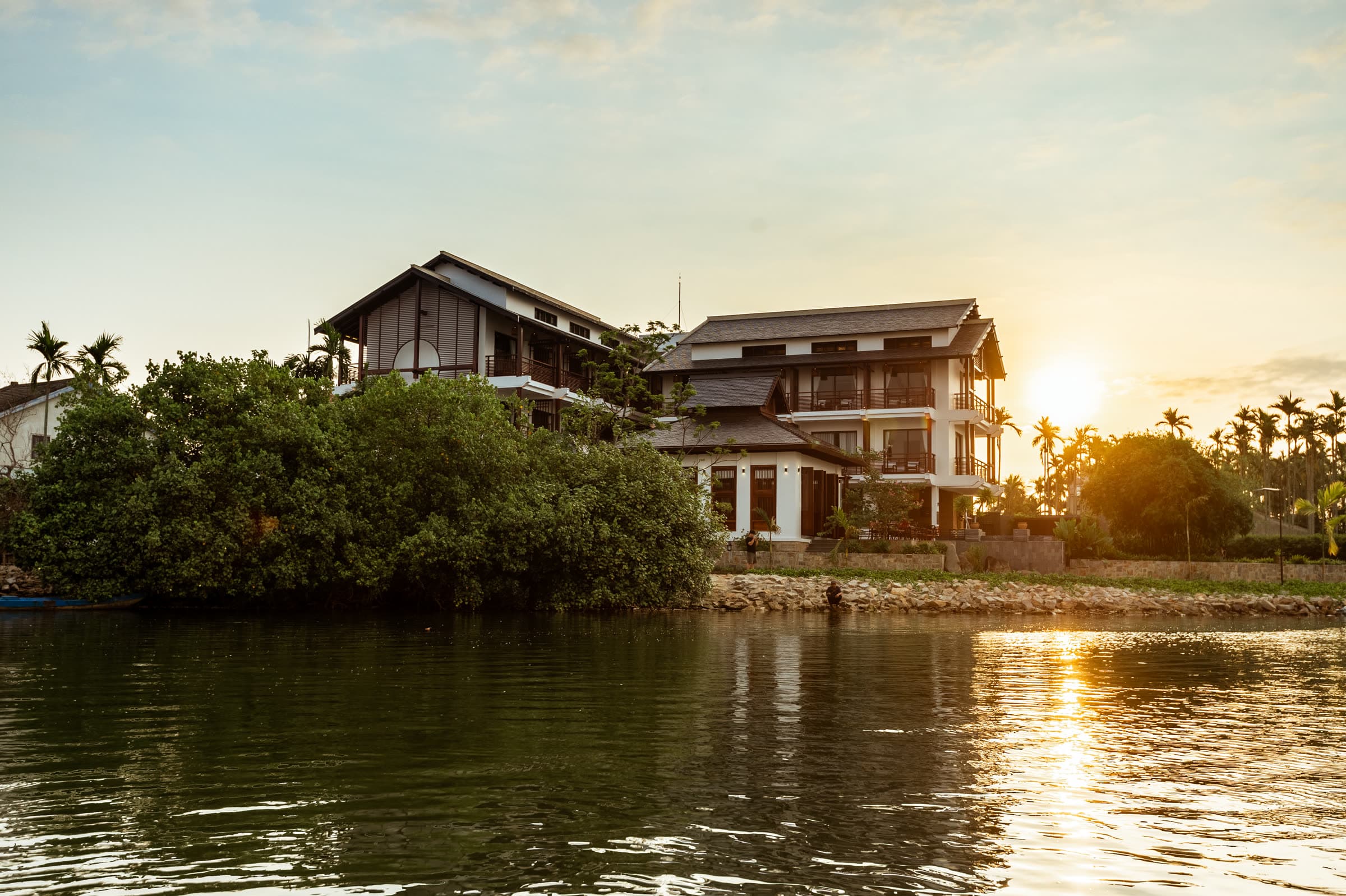
Đến từ một khách sạn ven sông Hội An
Từ Cẩm Nam, đạp xe ra Thanh Hà mất chừng mười lăm đến hai mươi phút. Đường theo sông về tây, qua cây cầu nhỏ sang các làng bờ nam, và đến thẳng cổng đông của con phố gốm. Đường bằng, giao thông chủ yếu là xe máy địa phương chậm, và lộ trình dễ ghép với một lượt qua bến phà Cẩm Kim (thêm hai mươi phút về tây) cho nửa ngày dài hơn trên cù lao nông nghiệp đối diện Phố Cổ. Bằng xe máy cùng quãng sáu phút; bằng xe hay Grab, mười phút.
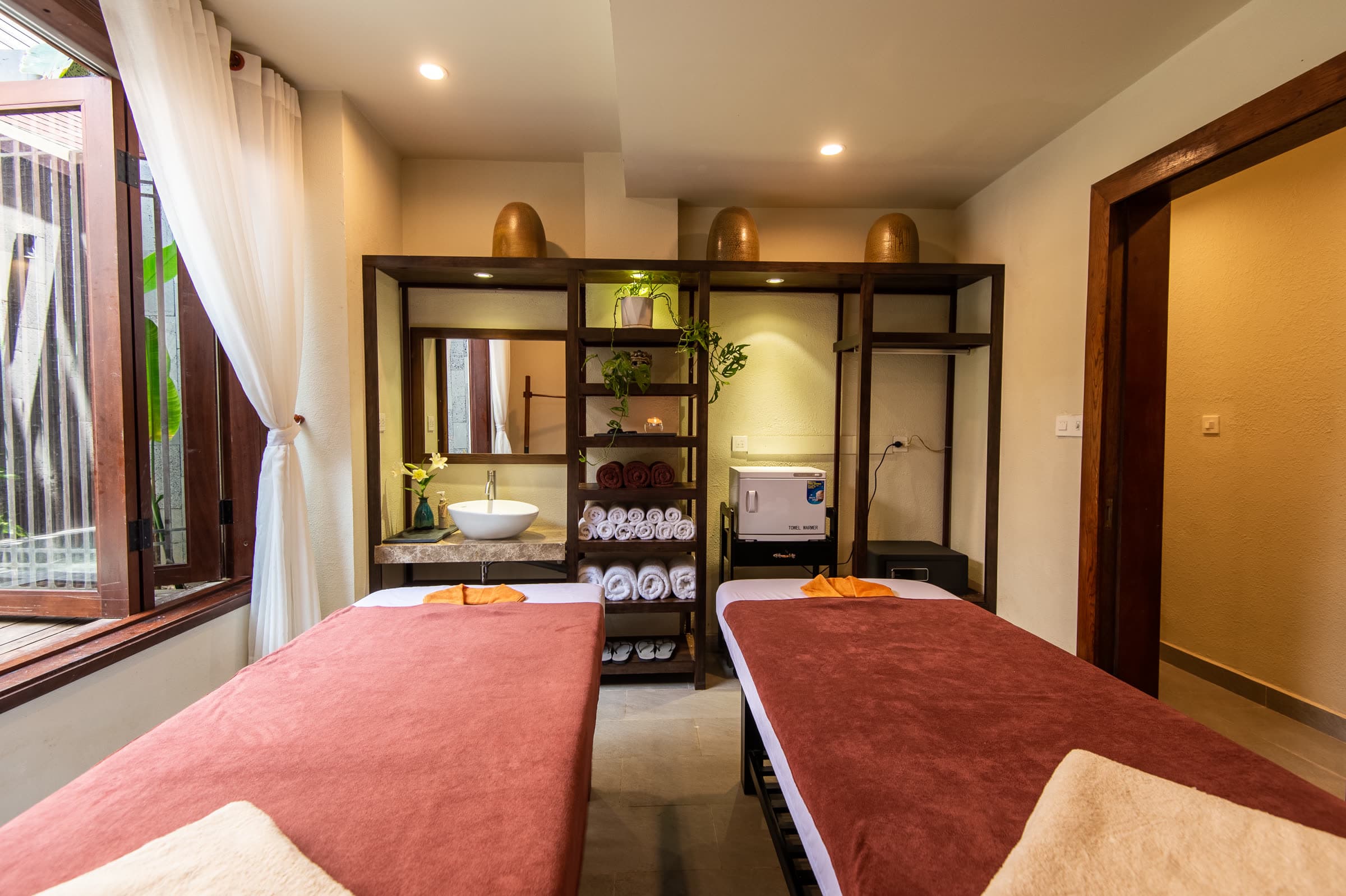
Phần lớn khách làm Thanh Hà như một vòng đạp xe sáng cùng Phố Cổ: đạp ra Thanh Hà cho gốm đang làm, đạp về qua Phố Cổ cho bữa trưa sớm, về spa cho cái nóng giữa ngày. Cả vòng chừng ba tiếng và hợp với nhịp chậm của một kỳ wellness.
Mang gì về
Các món Thanh Hà giữ tốt trong bếp phương Tây là nồi đất nhỏ có nắp truyền thống dùng kho cá (nồi đất kho cá) và lu nước không tráng men có thể làm bình hoa mộc. Các món di chuyển xa kém là món lớn không tráng men (nứt khí hậu khô) và bất cứ thứ gì dễ vỡ và không hộp (vật liệu đóng gói của làng tạm bợ). Nếu bạn bay với một món, nhờ xưởng gói báo và bọc bong bóng cùng nhau, và mang lên cabin — quy định hành lý xách tay ở Việt Nam rộng và phần lớn món dưới ba ký vừa khít.
Thanh Hà là một trong số ít điểm đi-trong-ngày từ Hội An thực sự là làng đang làm việc thay vì tái dựng. Sự tiếp nối là sức hấp dẫn: bàn xoay quay theo cách đã quay năm thế kỷ, đất sét từ cùng bờ sông, và đồng lương nuôi các gia đình đã làm gốm ở đây qua nhiều đời. Ghé tôn trọng sự tiếp nối ấy theo tỉ lệ thời gian bạn dành cho phía đang làm việc thay vì phía bảo tàng.
Every room at Nghê Prana is designed around the science of sleep. Blackout curtains, nightly aromatherapy turndown, and riverside quiet — experience what real rest feels like.
Phòng bên sông, mười phút đạp xe ra phố cổ. Dù là một đêm dừng chân giữa Huế và Đà Nẵng, hay cả tuần thả mình không lịch trình — phòng của bạn vẫn yên tĩnh.
Miễn phí huỷ · Đặt trực tiếp với gia đình điều hành khách sạn

 WhatsApp
 Zalo
Zalo