
stress
Kết nối Cortisol-Bụng: Vì sao stress khiến bạn trông già hơn
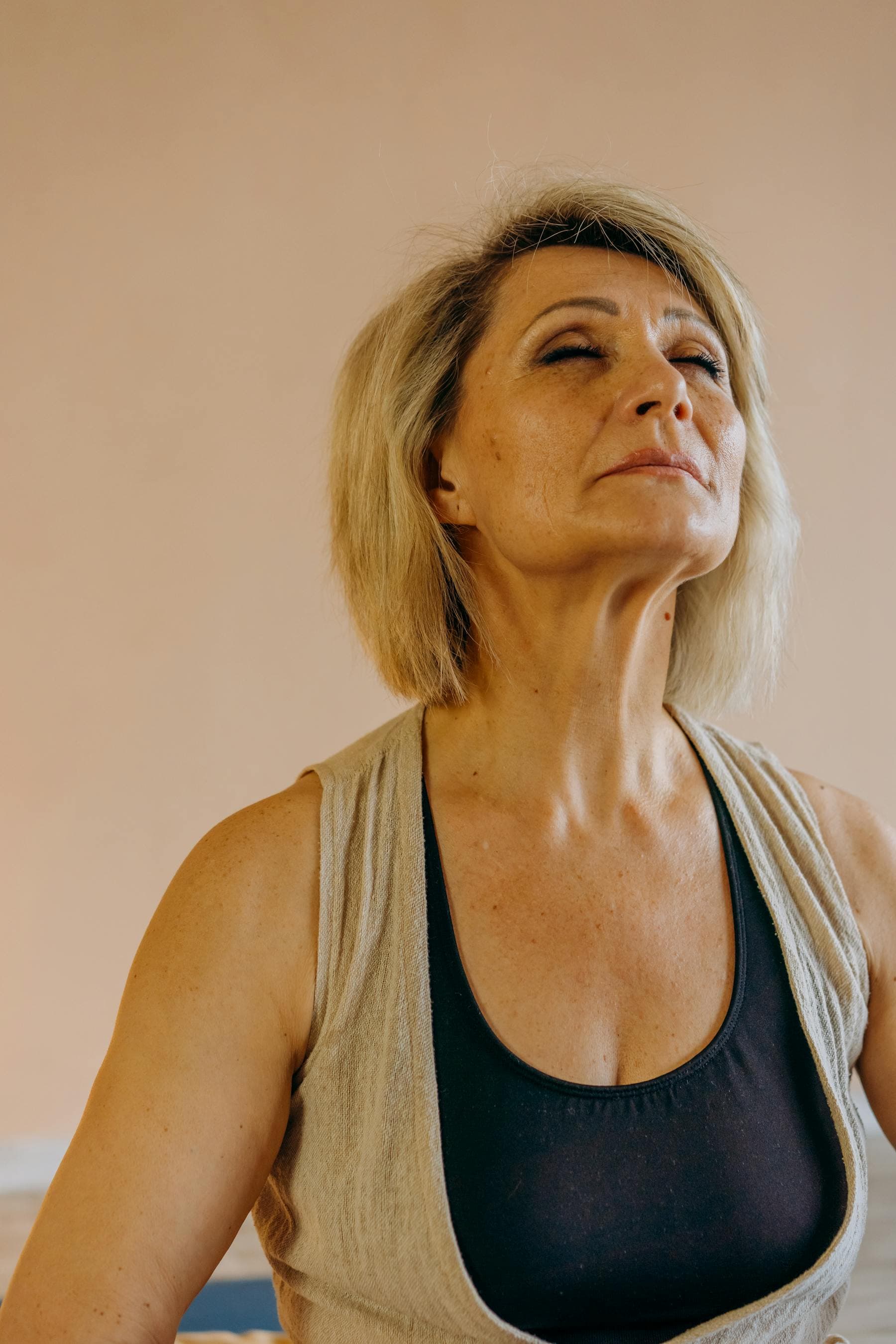
Stress mãn không chỉ cảm xấu — nó vật lý tái định hình cơ thể bạn và tăng tốc các dấu hiệu lão hoá nhìn thấy được qua viêm do cortisol điều khiển.
Jan 28, 20258 minRead Article
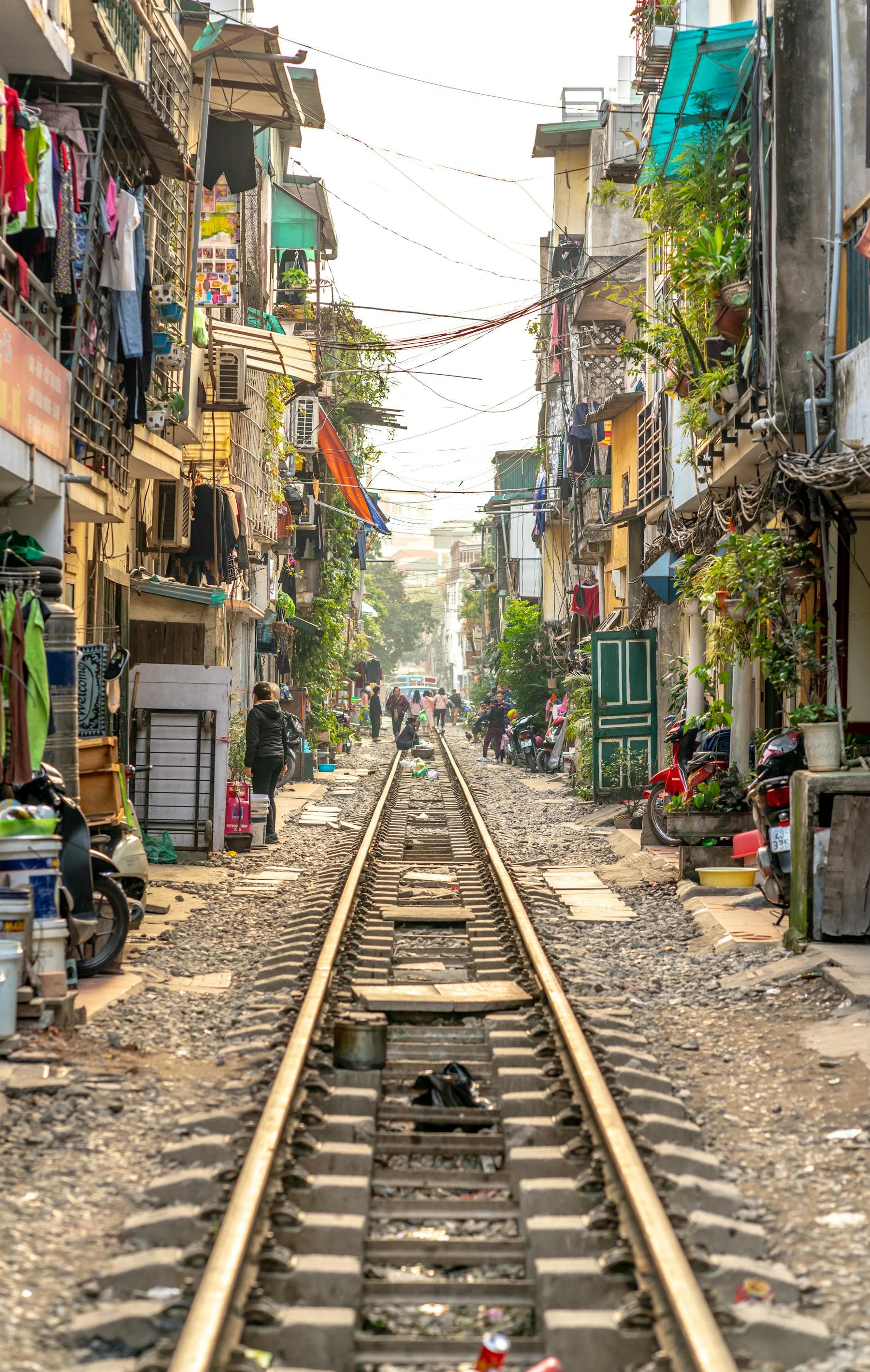
Việt Nam phá mọi kỷ lục du lịch trong quý 1 năm 2026 — 6,76 triệu lượt khách quốc tế, ba tháng liên tiếp trên 2 triệu, thị trường Hàn và Trung dẫn đầu đợt tăng. Hội An giờ là một trong những thị trấn được quay phim nhiều nhất Đông Nam Á. Đây là điều đó thực sự trông thế nào trên thực địa, và đi đâu nếu bạn đến vì đất nước yên hơn mà ai cũng nói Việt Nam từng là.
Việt Nam có quý du lịch lớn nhất lịch sử đầu năm 2026. Theo Tổng cục Thống kê, 6,76 triệu khách quốc tế đến giữa tháng Một và tháng Ba — bước nhảy 31% so cùng kỳ và lần đầu tiên đất nước ghi nhận ba tháng liên tiếp trên hai triệu. Khách Hàn dẫn đợt tăng với 1,3 triệu lượt trong quý, theo sau bởi khách Trung 1,4 triệu; lượt Ấn tăng hơn 71% so cùng kỳ. Theo nghĩa thực dụng: nếu bạn bay sang Việt Nam giữa 2026, bạn bay với một sóng người khác bất cứ năm nào trước. Hội An, vốn luôn vượt sức nặng về mật độ khách du lịch trên đầu người, đã dịch từ "ăn ảnh" sang "một trong những nơi được quay phim nhiều nhất Đông Nam Á" trong hơn mười hai tháng. Điều đó có hệ quả trên thực địa, và nếu bạn lên kế hoạch chuyến đi, một số đáng hiểu trước khi hạ cánh.
Đi xuống Nguyễn Thái Học giữa 18 và 22 giờ bất cứ tối nào trong tuần và mật độ gần một lễ hội hơn thị trấn buôn yên mà phần lớn cẩm nang vẫn mô tả. Đếm không chính thức của chúng tôi tại Chùa Cầu giữa tháng Ba 2026 ghi đỉnh giao thông bộ chừng 1.100 người/giờ — cao hơn cùng kỳ năm ngoái và tiến gần đỉnh tiền-đại-dịch 2018–2019. Đám đông chợ đêm giờ kéo dài tới quá 23. Đặt chỗ nhà hàng dọc bờ sông là bắt buộc, không phải tuỳ chọn. Tiệm may đo nhận đặt 3–4 ngày trước. Lễ thả đèn các tối rằm, tới 2022 còn chụp được trong sự bình tĩnh tương đối, giờ kéo đám đông sâu đến mức bạn cần đến trước 45 phút cho điểm nhìn hữu ích nào.
Phần lớn điều này tập trung trong địa lý nhỏ hơn phần lớn khách nhận ra: Phố Cổ chiếm chừng 30 ha — khoảng 0,3 km² — và gần như toàn bộ tải du lịch rơi trong khuôn nhỏ ấy. Đi bộ mười phút bất cứ hướng nào và mật độ giảm mạnh. Đây là nghịch lý của Hội An 2026: cùng lúc đông hơn bao giờ và vẫn bao quanh bởi đời sống xã ven sông yên gần như hoàn toàn không bị ảnh hưởng bởi đợt bùng nổ.
Hàn Quốc đóng góp 971.000 lượt cho Việt Nam chỉ trong hai tháng đầu 2026, vượt Mỹ, Nga, và Nhật để thành thị trường nguồn đơn lẻ lớn nhất. Hành lang KOR-VNM giờ là dòng du lịch nhập khẩu bận rộn nhất nước.
Các chu kỳ du lịch Việt Nam trước đó được dẫn dắt bởi balô (2010s) hay tour trọn gói (tiền-2018). Đợt bùng nổ 2026 khác về cấu trúc: dẫn bởi khách châu Á chặng ngắn — đôi Hàn chuyến 5 ngày, gia đình Trung kéo dài Tết, chuyên viên CNTT Ấn chuyến quốc tế đầu — ngày càng đến qua chuyến giá rẻ thẳng vào Đà Nẵng thay vì qua Hà Nội hay TP HCM. Sân bay quốc tế Đà Nẵng xử lý chừng 5,2 triệu lượt khách quốc tế quý 1 năm 2026, bước nhảy 48% so cùng kỳ, đó là vì sao lượt Grab từ DAD tới Hội An giờ xếp hàng 15 phút vài tối thay vì đợi 4 phút cũ.
Thay đổi cấu trúc kia là do nội dung. Trào lưu TikTok "Vietnam is Calling" — nơi khách quay mình nhảy ở sân bay Đà Nẵng hay cầm hộ chiếu trên cầu thắp đèn lồng — đã đặt một bộ địa điểm Hội An cụ thể vào vòng quay nặng trên thuật toán toàn cầu. Chùa Cầu, bánh mì Phượng, vườn rau Trà Quế, và Reaching Out Tea House giờ mỗi nơi nhận lượng giao thông không được thiết kế cho. Vào ngày đỉnh tháng Ba 2026, hàng bánh mì Phượng đạt 45 phút.
Cái không xuất hiện trong thuật toán TikTok là phần còn lại của lưu vực Thu Bồn. Cù lao Cẩm Nam, ba phút xe máy qua cầu An Hội, có hàng tá quán ven sông nơi tiếng tối to nhất vẫn là động cơ thuyền chài. Cẩm Thanh, năm phút thêm về đông, là đầm dừa nước với tour thuyền thúng buổi sáng và im lặng tuyệt đối lúc 21. Đoạn bãi An Bàng phía bắc thị trấn vẫn là vùng chài đang làm việc cho hai cây số quá nơi dải resort kết. Cẩm Kim, đến bằng phà sông nhỏ, về cơ bản chưa bị đợt sóng du lịch chạm tới và đại diện cho hình dạng mà phần lớn cộng đồng nông nghiệp ven sông miền Trung vẫn trông như.
Đang lên kế hoạch cho chuyến đi? Xem ngày trống tại khách sạn yên tĩnh bên sông Thu Bồn của chúng tôi. Kiểm tra phòng trống →
Những nơi này không bị giữ bí mật; chỉ là không quay phim được theo cách Phố Cổ làm. Một ruộng lúa yên lúc chạng vạng không thuật-toán-tốt đối lại đám đông đèn lồng sáng. Nên chúng vẫn vắng. Phần lớn 2026, đây là chỗ bạn thực sự muốn dành phần lớn chuyến đi.
Theo giai thoại, dữ liệu khách của chúng tôi cho thấy khách đặt kỳ 7 đêm trở lên giờ dành 70% giờ thức ngoài Phố Cổ so với khoảng 45% cho khách 2022. Phố Cổ thực ra đã thành điểm tham quan tối 90 phút thay vì căn cứ hoạt động.
Vài điều chỉnh thực dụng đáng làm nếu bạn đến 2026. Ở ngoài Phố Cổ. Bất động sản phía Cẩm Nam, Cẩm Thanh, hay An Bàng cho cùng sự gần mà không có phơi tiếng, nhiệt, và đám đông. Ghé Phố Cổ trong hai cửa sổ: 6:30–8:30 cho phố trống và chợ sáng, hoặc 17:30–19:00 cho chuyển đèn lồng giờ blue ăn ảnh trước khi đám đông tối đỉnh tới. Tránh hoàn toàn 20:00–22:30 trừ khi đám đông là trải nghiệm bạn đến vì. Đặt may đo và spa từ nước bạn trước khi đến; đừng giả định walk-in được. Nếu bạn quan tâm bánh mì Phượng, đi lúc 7:30 hay giữa 14 và 15 giờ khi hàng đợi giảm còn 5–10 phút. Quan trọng nhất: lên kế hoạch các ngày không lấy Phố Cổ làm trung tâm. Một sáng Trà Quế, một chiều Cẩm Thanh, bữa tối ven sông, một lần ghé đèn lồng, rồi về một bất động sản yên cách 3 km — đó là lịch trình chống-2026.
Lý do chúng tôi xây Nghê Prana quanh ý tưởng kỳ ven sông yên là phần còn lại của Hội An đã lấp quanh chúng tôi. Đợt sóng du lịch sẽ không đảo ngược; dự báo từ Tổng cục Du lịch Việt Nam đặt lượt cả năm 2026 ở 25–28 triệu, kỷ lục mới. Cái thay đổi với khối lượng đó là giá trị của một nơi yên để quay về. Một khách năm 2018 hợp lý đi bộ về nhà nghỉ Phố Cổ lúc 21:30 vẫn có một đêm bình yên. Một khách 2026 không thể; hồ sơ tiếng và ánh sáng của Phố Cổ ban đêm đã dịch quyết liệt trên ngưỡng làm phiền giấc ngủ WHO.
Đây không phải than phiền về đợt bùng nổ — là một khoảnh khắc phi thường cho du lịch Việt Nam và cho mọi gia đình phụ thuộc vào nó. Là một ghi chú lập kế hoạch. Nếu bạn đến Hội An 2026, ở chỗ sông vẫn ồn hơn chợ đêm. Phố Cổ vẫn ở đó sáng hôm sau. Luôn vậy.
23 phòng bên bờ Nam yên tĩnh của sông Thu Bồn — chỉ mười phút đạp xe đến phố cổ, nhưng tách biệt khỏi mọi ồn ào.
Đặt phòng ngayContinue at Nghê Prana
Ready to Sleep Better?
Every room at Nghê Prana is designed around the science of sleep. Blackout curtains, nightly aromatherapy turndown, and riverside quiet — experience what real rest feels like.
View Our RoomsHẹn bạn tại Hội An
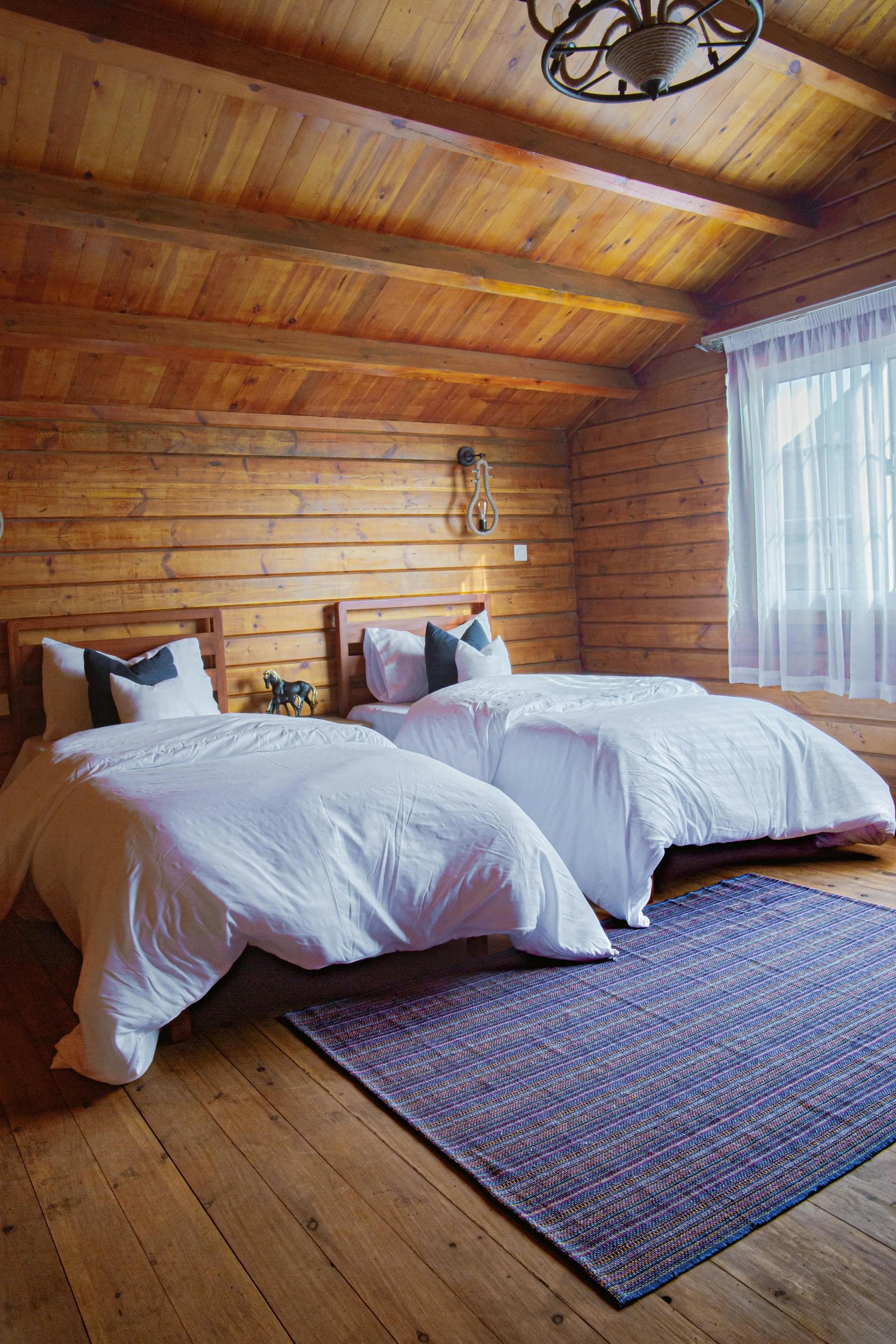
Phòng bên sông, mười phút đạp xe ra phố cổ. Dù là một đêm dừng chân giữa Huế và Đà Nẵng, hay cả tuần thả mình không lịch trình — phòng của bạn vẫn yên tĩnh.
Miễn phí huỷ · Đặt trực tiếp với gia đình điều hành khách sạn
Tiết kiệm 15% khi đặt phòng trực tiếp qua website
 WhatsApp
 Zalo
Zalo