beauty
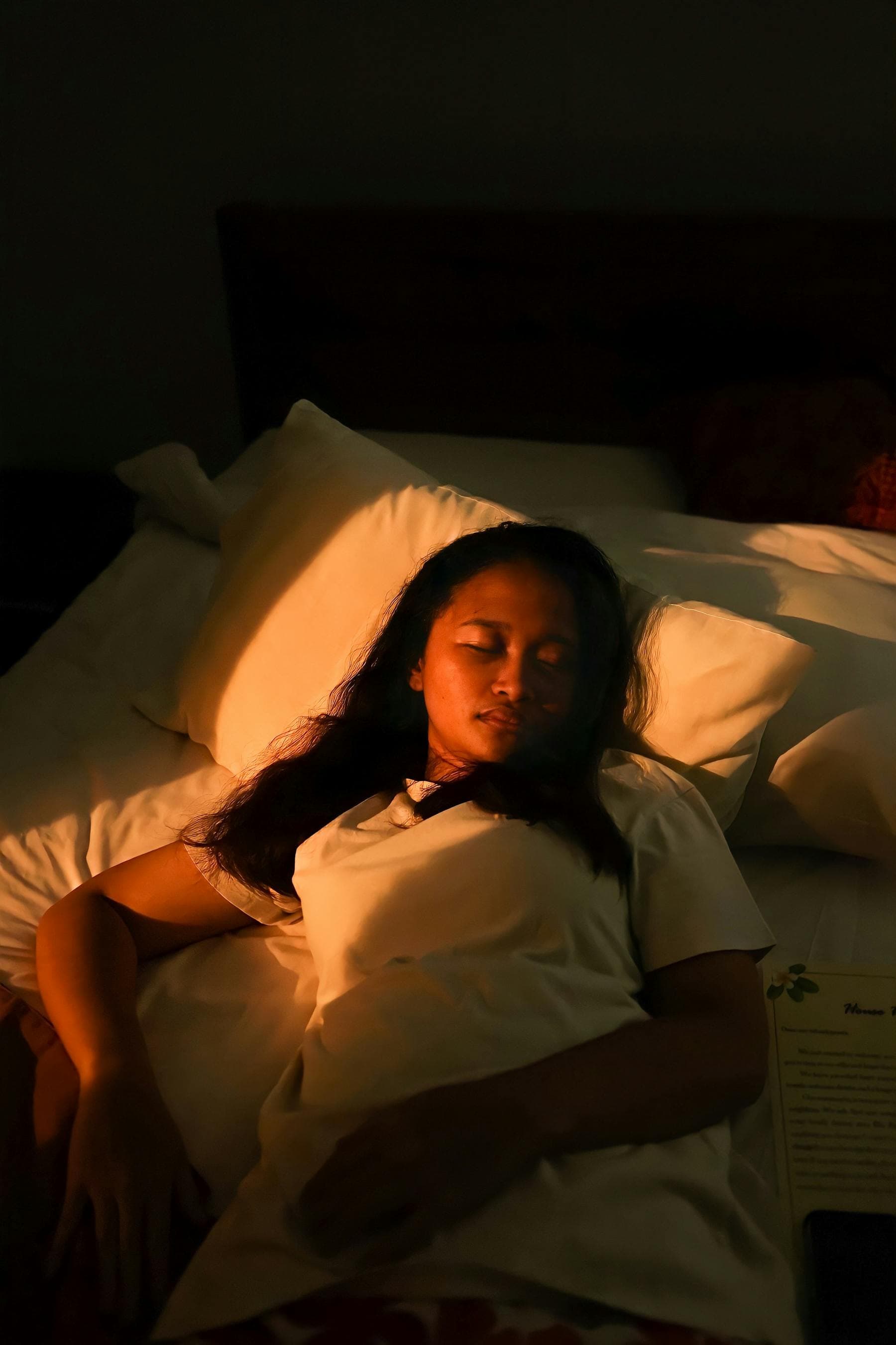
How Sleep Repairs Your Skin Overnight
Your body's most powerful beauty treatment happens between midnight and 3 a.m. Here's the science behind sleep and skin regeneration.
Jan 15, 20257 minRead Article

The Global Wellness Institute now values Asian wellness tourism at over $240 billion annually, growing faster than any other regional segment. Thailand, Bali, and Kerala dominate the headlines. What the coverage misses is that Vietnam is the fastest-emerging wellness destination in Asia for 2026, and Hội An specifically delivers the cleanest combination of the four things wellness travelers are flying for. Here is the case for starting your Asian wellness trip in Central Vietnam.
The Global Wellness Institute tracks Asian wellness tourism as one of the fastest-expanding regional wellness travel markets in the world. The press coverage has concentrated on three established destinations: Thailand (Chiva-Som, Amanpuri), Bali (Fivelements, COMO Shambhala), and Kerala (the Ayurvedic-retreat corridor). All three deserve their reputations. What the coverage largely misses is that the wellness travel volume shifting into Asia is expanding faster than the existing infrastructure in those three destinations can absorb. Thailand's high-end wellness properties book far in advance. Bali's Ubud wellness corridor has become notoriously crowded. Kerala's best Ayurvedic retreats run long waitlists. The pressure is creating an opening for the next major Asian wellness destination of the decade, and on current trajectory the most likely candidate is Vietnam. This post makes the case — and argues that Hội An, specifically, is the cleanest entry point.
Strip the marketing off Asian wellness tourism and travellers are flying for four specific experiences: structured treatment programs (Kerala's Ayurveda, TCM, Vietnam's thuốc nam herbal tradition), immersive spa rituals (Kerala's Shirodhara and Abhyanga, and — in Hội An — the Vietnamese tắm lá xông herbal steam and bath), clean climate and quiet environment (low noise, clean air, warm weather), and culturally-rooted food traditions (herb-forward, farm-direct, meal-as-medicine). Any Asian destination that delivers all four at serious quality is a viable wellness-tourism entry; most deliver three of four. To be clear, Hội An's tradition — and what Nghê Prana offers — is the Vietnamese herbal one, not Ayurveda: Shirodhara and Abhyanga belong to Kerala, while Hội An's native deep therapy is the tắm lá xông herbal steam and bath.
Thailand delivers the first three strongly but its food tradition leans more to hospitality refinement than medicine-adjacent. Bali delivers the spa and climate strongly but its food culture has been heavily internationalised. Kerala delivers the treatment and food traditions deeply but its climate is hot-humid year-round and its infrastructure is older. Vietnam — and Hội An specifically — delivers all four with a distinctive profile: a continuously-practiced Vietnamese thuốc nam herbal tradition (this is the tradition Nghê Prana works in — we do not offer Ayurveda), a mature tắm lá xông herbal bath tradition, cleaner air and lower tourist density than the three established destinations, and the most herb-forward food culture in Southeast Asia. The claim is not that Hội An is objectively "better" than Thailand, Bali, or Kerala — it is that the next destination in the Asian wellness rotation has effectively emerged, and that Hội An has quietly become the strongest contender.
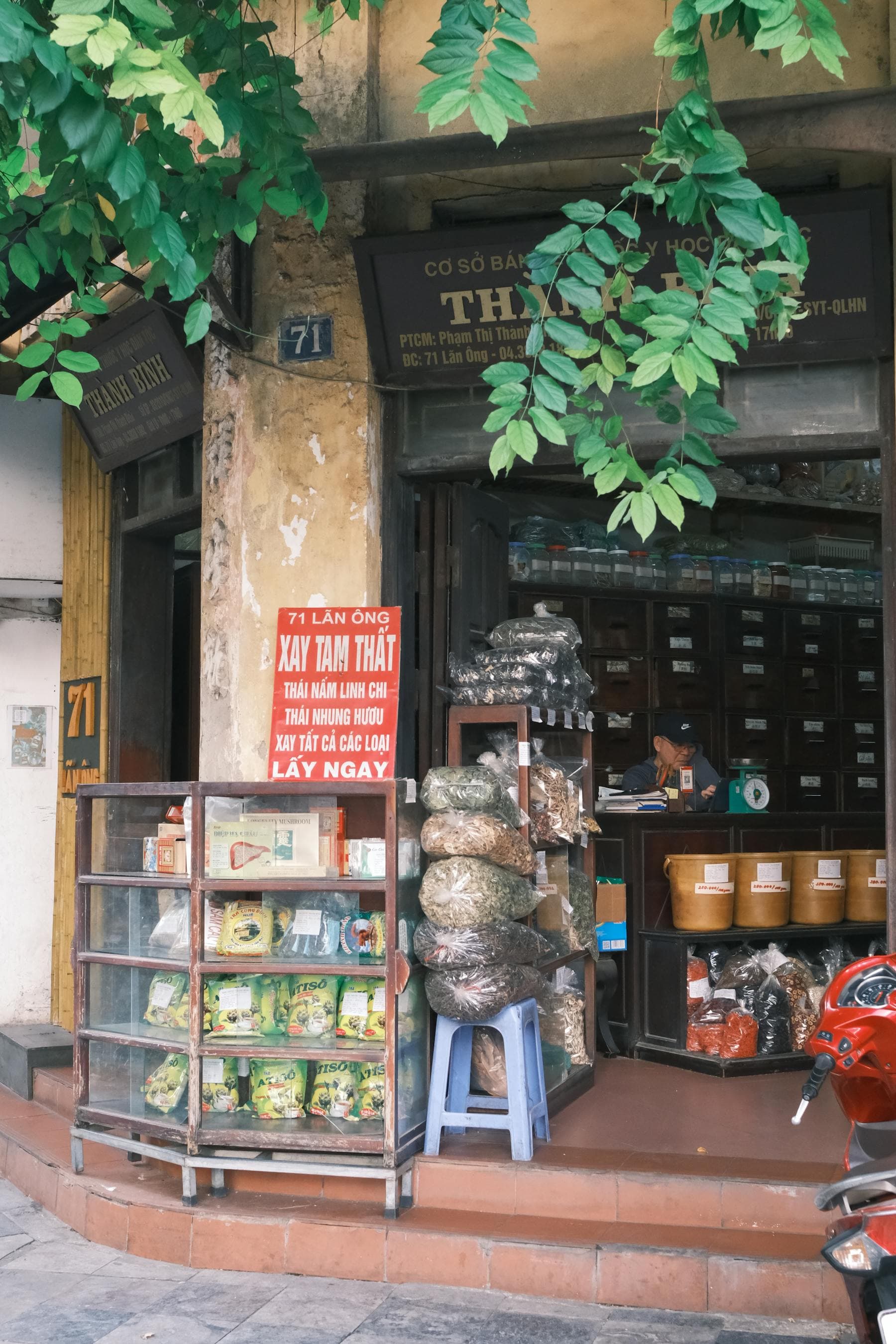
Vietnam is increasingly named among Asia's emerging wellness destinations, on the strength of its continuously-practiced herbal-medicine traditions and its low-density coastal properties. Central Vietnam — Hội An and Đà Nẵng — has become one of the country's most developed wellness submarkets.
What "the four things wellness travellers fly for" look like on the ground in Hội An.
1. Treatment programs. Vietnamese thuốc nam — the country's continuously-practiced traditional herbal medicine — shares many medicinal plants with other Asian herbal systems and is the foundation of the wellness treatments in Hội An. At Nghê Prana the program is built entirely on this Vietnamese tradition (we do not offer Ayurveda, Shirodhara, Abhyanga, or dosha consults): a signature warm-oil full-body massage, a Vietnamese herbal (thuốc nam) massage worked with warm lemongrass, ginger and turmeric compresses, and the native tắm lá xông herbal steam with its fresh-herb infusion, rounded out with a Vietnamese herbal bath. A multi-day stay layers these treatments, with simple herb-forward dietary guidance alongside.
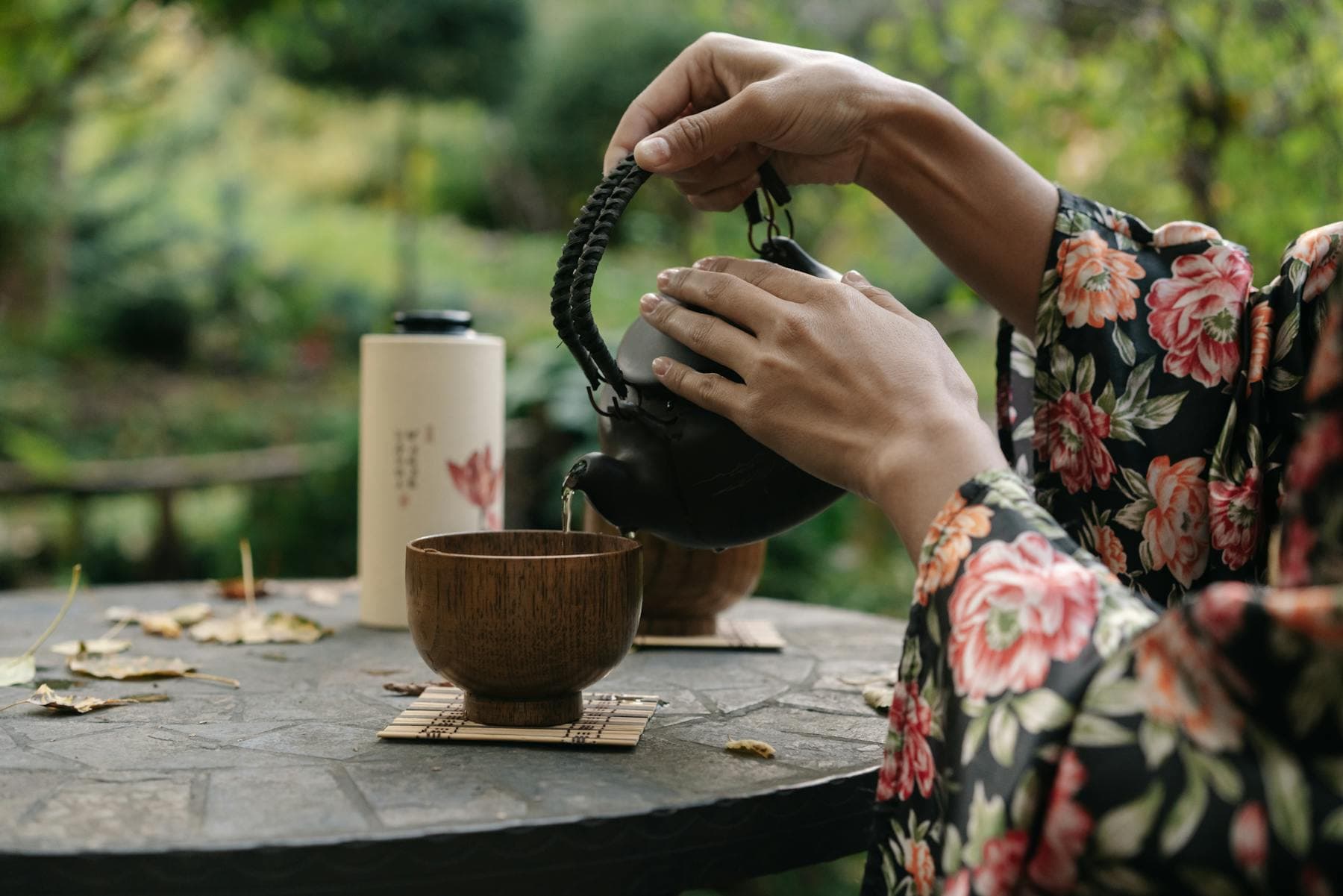
2. Spa traditions. The spa ritual in Hội An is distinct from the Thai, Balinese, and Kerala versions because it draws on the continuously-practiced Vietnamese herbal tradition rather than on Ayurveda. At Nghê Prana a typical sequence might open with a Vietnamese lemongrass-turmeric herbal steam (tắm lá xông), follow with a warm-oil full-body or thuốc nam herbal-compress massage, and close with a Vietnamese herbal bath. To be clear, we do not perform Ayurvedic oil treatments or Shirodhara — Hội An's deep therapy is the native herbal steam-and-bath tradition, refined over centuries in the Thu Bồn riverside villages.
3. Climate and environment. This is where Hội An is underrated relative to the other three destinations. Hội An sits at about 15.88° North, which keeps it warm year-round, and its dry season runs from roughly February to August. As a low-density coastal town away from heavy industry, it enjoys the cleaner air and quiet you would expect — a contrast to the crowding of Bali's Ubud corridor and the heavier humidity of Thailand's wellness belt. Hội An's riverside villages — Cẩm Nam, Cẩm Thanh, An Bàng — stay notably quiet at night. These are the environmental conditions that actually produce the "I slept 10 hours and I feel different" guest experience the wellness market is ultimately selling.
4. Food traditions. Vietnamese food is the most herb-forward cuisine in Southeast Asia — every meal typically arrives with a plate of fresh lá (leaves) to wrap into the dish: perilla, mint, rau răm, mustard greens, fish mint, basil. The centuries-old herb farms at Trà Quế still supply much of Hội An's culinary greens. A wellness-focused Vietnamese menu reads like a pharmacy: turmeric-coconut curry, lemongrass-ginger soup, green-papaya salad with gotu kola, lotus stem with prawns. The line between "food" and "medicine" is thinner here than in almost any Asian cuisine.
Planning a trip around this? See dates at our quiet riverside hotel on the Thu Bồn. Check availability →
For first-time Asian wellness travellers, the most productive Hội An stay runs about 7 nights. The reason is that a thuốc nam herbal-treatment program tends to need several days of daily treatment, rest and herb-forward eating before the benefit really settles in. Shorter stays (3 to 4 nights) are worthwhile for a "wellness taste" but tend to deliver less of that shift.
Days 1 to 2 — arrival and settling in. A consultation with the spa team about your goals and any sensitivities, then an initial treatment such as the signature warm-oil massage or a Vietnamese herbal-compress massage. Lighter, herb-forward eating begins.
Days 3 to 5 — treatment density. A daily treatment on rotation — warm-oil full-body massage, Vietnamese thuốc nam herbal-compress massage, Himalaya hot-stone, and the tắm lá xông herbal steam. Morning swims in the pool and slow walks along the river. Afternoons horizontal by the river. Herbal teas replacing coffee.
Days 6 to 7 — integration. Lighter treatment schedule. Longer quiet time. Reading. A final treatment sequence. By day 7, sleep architecture has repaired, cortisol curve has normalized, and guests typically report visible changes in facial tone and energy baseline that the viral "cortisol face" trend is specifically about.
The global wellness tourism segment continues to grow strongly, and Asia is one of its fastest-expanding regions. The established Thailand / Bali / Kerala rotation is increasingly at capacity. The next major inflow is moving toward Vietnam, and Central Vietnam specifically. Hội An's combination of an intact Vietnamese herbal-medicine tradition, clean-air coastal climate, quiet riverside villages, and the most herb-forward cuisine in the region makes it the cleanest single entry point for a wellness traveller who has "already done" Thailand and Bali and wants the next Asian wellness experience that is not yet over-trafficked.
If you are planning an Asian wellness trip for 2026 or 2027, the recommendation is simple: book seven nights in a Hoi An riverside property, let the four pillars work on their schedule, and come home with the recovery the $240 billion market is ultimately selling. Nghê Prana is one such property. There are several others. The city itself is the product.
23 rooms on the quiet south bank of the Thu Bồn River, ten minutes by bicycle from the Ancient Town and a world from its noise.
Book your stayContinue at Nghê Prana
Ready to Sleep Better?
Every room at Nghê Prana is designed around the science of sleep. Blackout curtains, nightly aromatherapy turndown, and riverside quiet — experience what real rest feels like.
View Our RoomsYour Stay Awaits
Riverside hotel rooms on the Thu Bồn, ten minutes by bicycle from the Ancient Town. Whether it's one night between Hue and Da Nang or a full week of doing nothing — we kept your room quiet.
Free cancellation · Direct from the family who built the hotel
Save 15% booking directly via our website
 WhatsApp
 Zalo
Zalo