Ha Giang Loop or a Hoi An Slow Stay? The Two Vietnams Going Viral in 2026
The two fastest-trending Vietnam itineraries of 2026 are opposites. The Ha Giang Loop is a 3-to-4 day motorbike endurance ride through the far north — cold, remote, intense. A Hoi An slow stay is everything it is not. This is an honest guide to which one fits your trip, what each one actually does to your body, and why an increasing number of travelers are now doing both back-to-back.
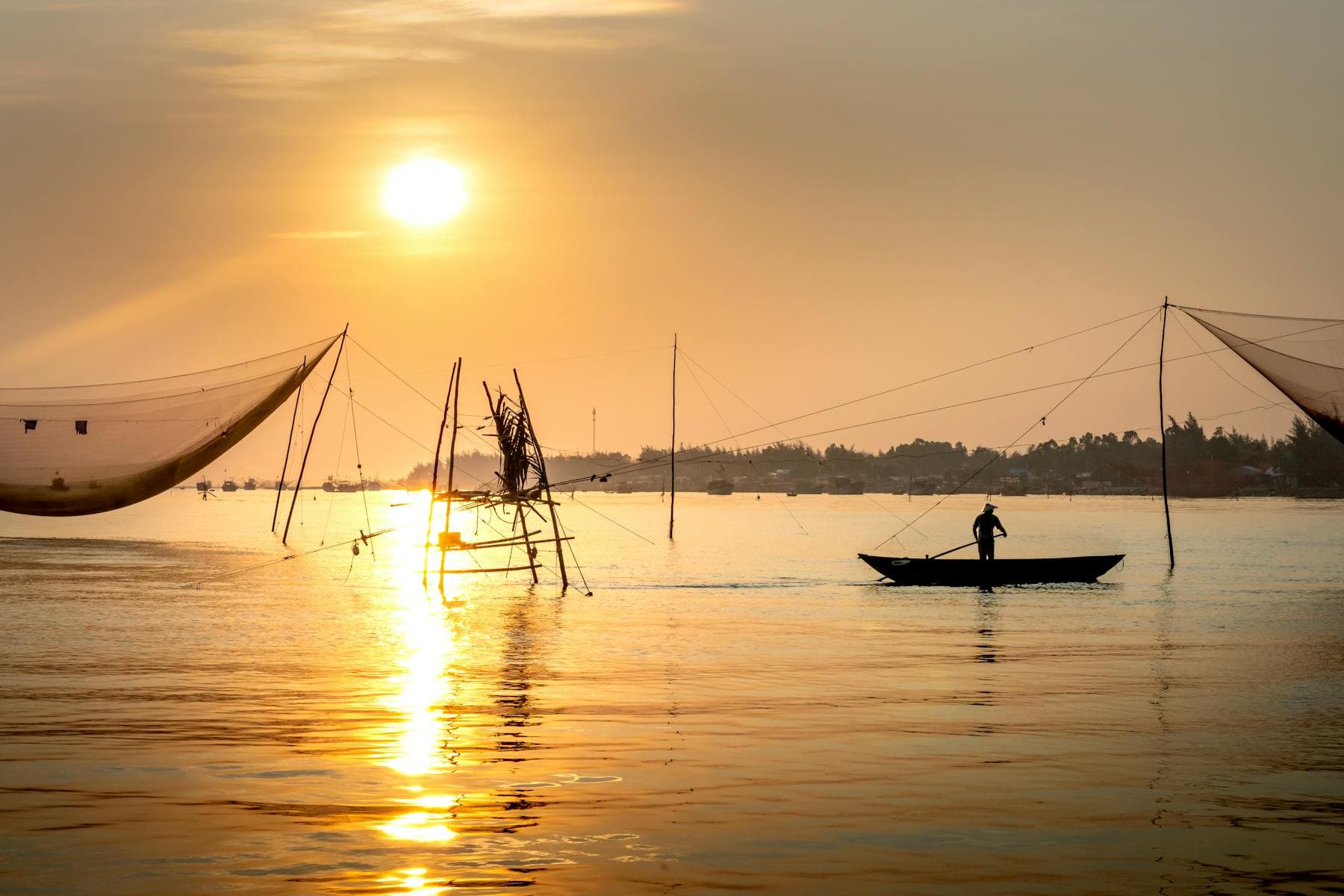
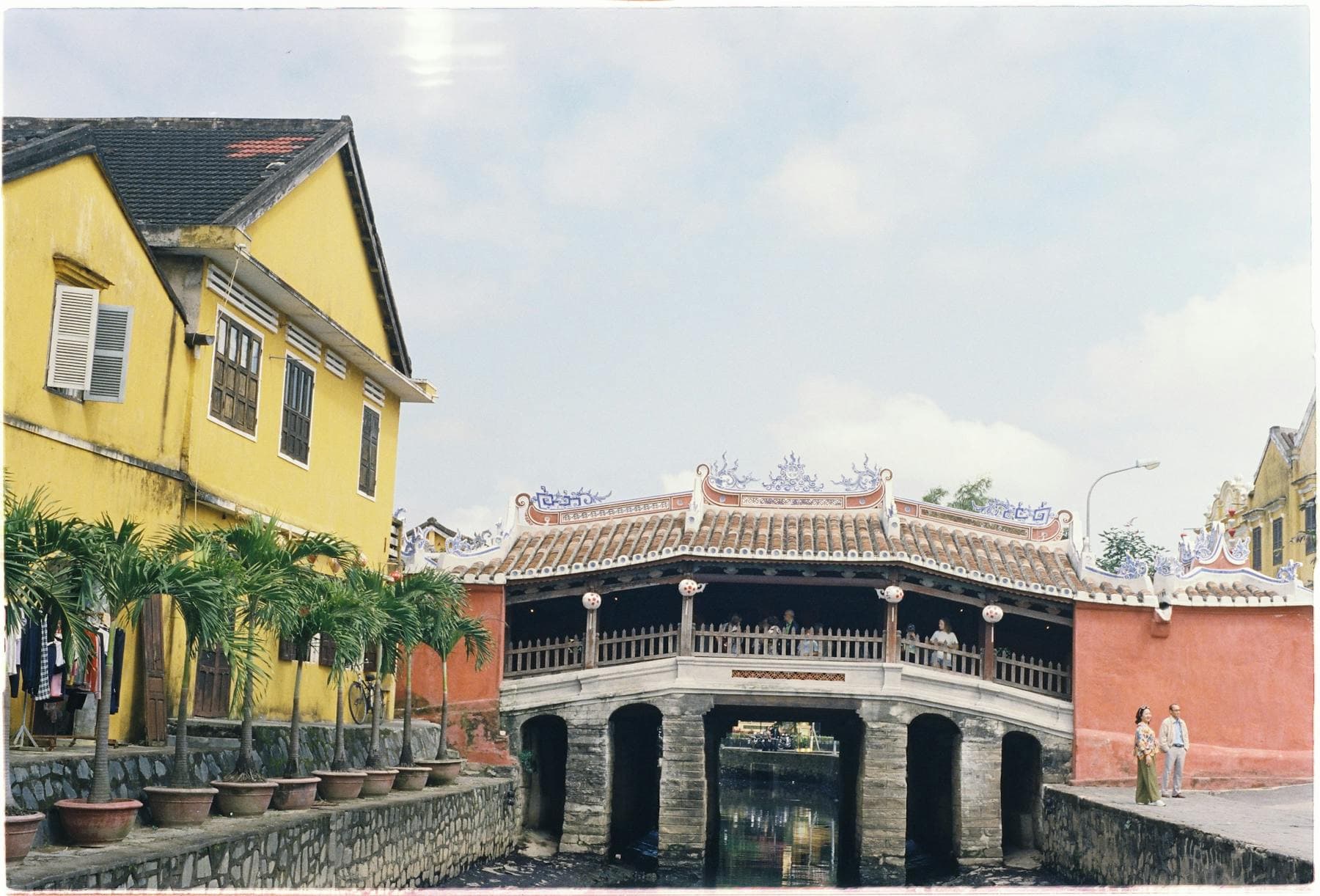
If you are on travel TikTok in April 2026, two Vietnam itineraries dominate your feed. The first is the Ha Giang Loop — a 300-kilometer motorbike route through the far-northern karst peaks of Ha Giang province, normally done over three or four days either as "easy rider" pillion behind a local or self-driven on rented 110cc scooters. The second is a slow riverside stay in Hoi An — blackout rooms, a riverside spa, Full Moon lantern photography. Both archetypes are consistently among the best-performing Southeast Asia travel themes on short-form video, with Ha Giang Loop footage routinely outpacing standard beach-resort content. They are going viral at the same time, on the same feed, to the same people. Which raises the obvious question: which trip is actually for you, and why are so many travelers now doing both?
What the Ha Giang Loop Actually Is
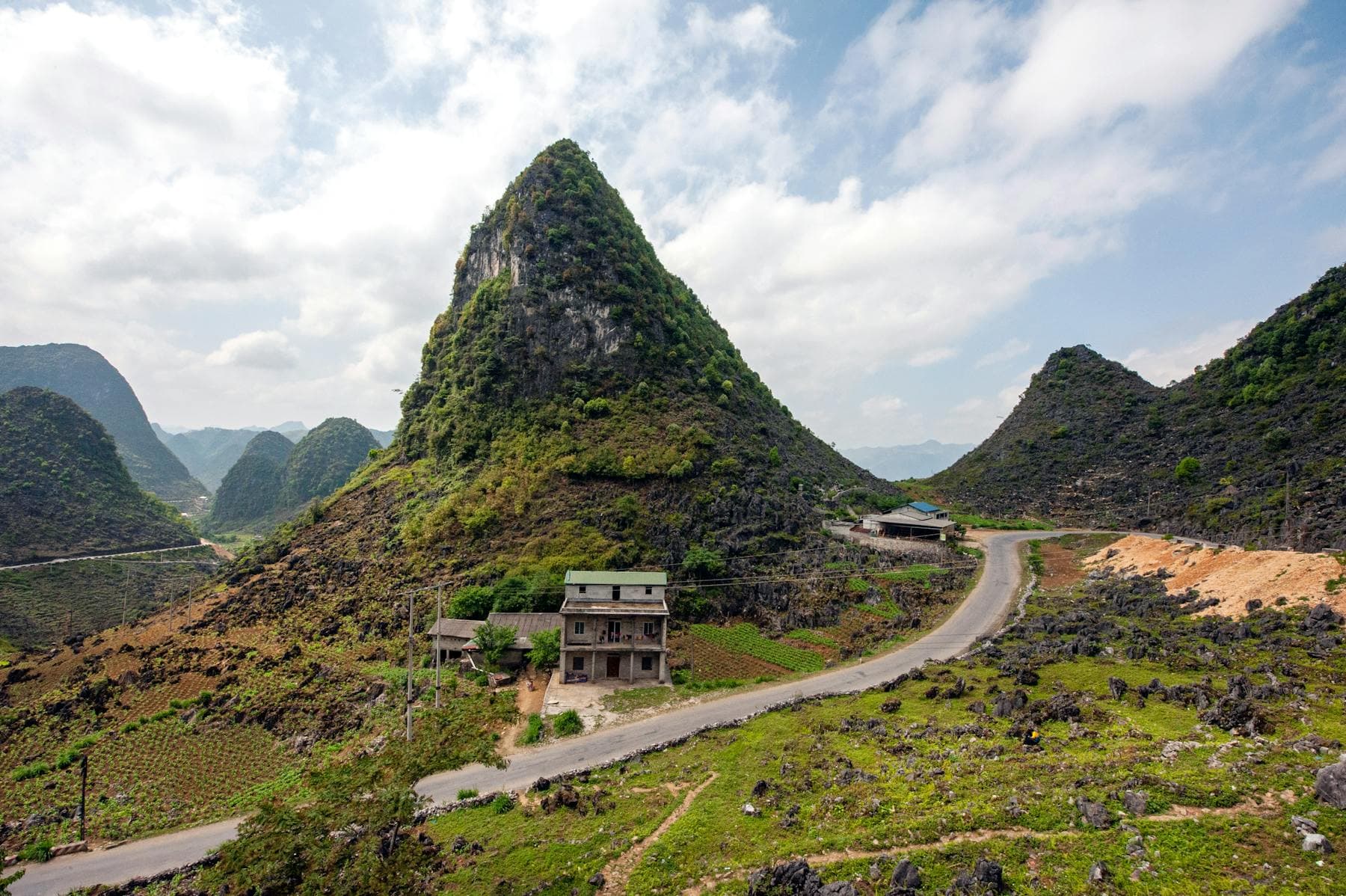
Ha Giang is the northernmost province of Vietnam, pressed against the Chinese border about 320 kilometers north of Hanoi. The "Loop" specifically refers to a circular route between Ha Giang city, Yen Minh, Dong Van, Meo Vac, and back — crossing the Dong Van Karst Plateau UNESCO Global Geopark, the Ma Pi Leng Pass (one of the highest and most photographed mountain passes in Southeast Asia), and some of the most remote ethnic-minority villages in Vietnam. Elevations range from 200 to 1,500 meters. Temperatures at night drop to 8°C in winter and average 18-22°C at night even in summer.
Most travelers do the loop in 3 to 4 days. A typical itinerary: day 1 Ha Giang city to Yen Minh via Quan Ba Heaven's Gate pass (105 km, 4 hours on mountain roads); day 2 Yen Minh to Dong Van (50 km, 3 hours); day 3 Dong Van to Meo Vac via the Ma Pi Leng pass and the Nho Que River canyon (25 km, but with extended photography stops often runs 6 hours); day 4 back to Ha Giang city via Du Gia (140 km). "Easy rider" trips — riding pillion behind a local driver — cost roughly 1.8 to 2.8 million VND (70-110 USD) per day all-inclusive. Self-drive costs 15-25 USD/day for the bike plus fuel and accommodation.
The reason it trends: the scenery genuinely is cinematic — limestone karst peaks, switchback roads, fog-filled valleys, ethnic-minority markets on a weekly rotation. Nho Que River canyon at 800-meter depth is one of the most dramatic landscapes in mainland Southeast Asia. Your phone footage will look like drone footage whether you own a drone or not.
What the Loop Does to Your Body
A 4-day motorbike endurance ride at altitude is not low-impact travel. Our guests who come to Hoi An directly after Ha Giang consistently arrive in a specific state: moderately dehydrated, measurably sleep-deprived, with lower-back and gluteal muscle fatigue from long pillion days, and elevated baseline cortisol from 4 days of high-alert motorbike riding on unfamiliar roads. Multi-day adventure travel at altitude is widely understood to elevate evening cortisol and reduce slow-wave (deep) sleep for the first few nights after the trip.
This is not a warning; it is physiology. The Loop is meant to be physically intense. Most travelers who do it come back genuinely thrilled by the experience and also genuinely exhausted. The exhaustion is the substrate on which the itinerary pairing works.
Travelers who finish the Ha Giang Loop often say their next priority is to recover somewhere flat and quiet after days on the bike — and Hoi An, a relaxed riverside town on the natural route south, is one of the destinations they most frequently choose for that.
The Case for Pairing
The geography works almost too conveniently. Ha Giang Loop endpoints are reached via Hanoi (2-day return trip including overnight bus to Ha Giang city). From Hanoi, a 1-hour flight to Da Nang and a 45-minute drive puts you in Hoi An. The full "Two Vietnams" circuit — 4 days Ha Giang, 1 day transit, 4-5 days Hoi An — fits cleanly into a 10-day holiday and delivers both ends of the Vietnamese travel experience: intensity and restoration, motion and stillness, fog and tropical light.
The motorbike-then-recovery pattern is also the traditional Vietnamese travel rhythm. The country's classic long-distance trips — by train from Hanoi to Ho Chi Minh, by motorbike on the Ho Chi Minh Trail, or by river boat through the Mekong — have always paired movement with coastal or riverside rest periods. The 2026 viral version is a modernization of an older structure, not a new invention.
What the Hoi An Half Actually Does
Three to five recovery days in the right environment after Ha Giang reliably recalibrates the physiological damage of the loop. Glymphatic clearance of neuroinflammatory byproducts accumulates with consecutive full-night sleep; most travelers need 2 to 3 consecutive deep-sleep nights to feel "reset." Hydration normalizes within 48 hours of consistent intake. Lumbar and gluteal fatigue from long pillion rides typically resolves in 3 to 4 days with walking, swimming, and avoiding further motorbike time. Cortisol curves normalize within 72 hours of dark, cool, quiet sleep — which is what a properly-designed riverside room provides.
Planning a trip around this? See dates at our quiet riverside hotel on the Thu Bồn. Check availability →
The elements that matter specifically for post-Ha Giang recovery: a dark bedroom (melatonin rebound), a cool room (core-temperature drop for deep sleep), a pool (supported movement without axial load), a relaxing warm-oil full-body massage (eases post-exertion muscle tension), and relatively flat terrain for walking. Hoi An's riverside villages happen to tick all five. This is why the pairing works; it is not a coincidence that the two "opposite" Vietnam trips keep being done in sequence.
Sleep research broadly agrees that recovery from cumulative sleep debt is fastest in a cool, quiet, dark bedroom — the kind of environment our riverside property was designed around.
Which One, If You Can Only Do One
Ha Giang suits you if: you have motorbike comfort (even as a passenger), tolerate long road days, are interested in ethnic-minority culture and mountain landscape photography, and your trip is focused on memorable intensity over restoration. It is not ideal if you have lower-back issues, altitude sensitivity, or tight itineraries — the weather can cost you a day, roads can close, and the physical load is real.
Hoi An suits you if: you want warm coastal Vietnam, historical townscape, spa and culinary depth, and a stay where the hotel itself is part of the experience. It is not for you if you find slow-paced destinations boring after 36 hours or if you need daily altitude-shift variety.
If you are flying in for less than 7 nights, pick one. If you have 10 or more, the pairing is close to optimal — and the reason 2026's travelers keep doing it is that each half makes the other one better. The Loop feels more profound if you have a real recovery destination waiting. The slow stay feels more deserved if you earned it on a mountain pass the week before.
Logistics, Briefly
Recommended sequencing: start Ha Giang first, finish in Hoi An. The opposite direction — recovery then exertion — works but wastes the payoff of the rest. Buffer day between the two is non-negotiable; fly Hanoi to Da Nang the afternoon after the Loop ends, sleep in Hoi An that night, start the slow stay the next morning. Book riverside accommodation (not Old Town) for all nights of the recovery half. Pre-arrange a spa appointment for day 2 of the Hoi An half — day 1 is usually too fatigued for massage to be enjoyable. Do the lantern festival only if your Hoi An dates align with the 14th of the lunar month; otherwise skip and spend the evening quiet.
The two Vietnams on your algorithm are not actually competing. They are two halves of the same trip, which is why they keep trending together.
Bird, S. R., Tarpenning, K. M. (2018). Effects of adventure travel and altitude on cortisol and sleep architecture. Journal of Travel Medicine. View source
Xu, X., Lian, Z., Shen, J. (2019). Effects of ambient temperature on sleep quality. Sleep Medicine Reviews. View source
Xie, L., Kang, H., Xu, Q. (2013). Sleep drives metabolite clearance from the adult brain. Science. View source
UNESCO Global Geoparks Network (2010). Dong Van Karst Plateau Global Geopark. UNESCO. View source
Every room at Nghê Prana is designed around the science of sleep. Blackout curtains, nightly aromatherapy turndown, and riverside quiet — experience what real rest feels like.
Riverside hotel rooms on the Thu Bồn, ten minutes by bicycle from the Ancient Town. Whether it's one night between Hue and Da Nang or a full week of doing nothing — we kept your room quiet.
Free cancellation · Direct from the family who built the hotel

 WhatsApp
 Zalo
Zalo