Herbal Therapy in Hội An: A Guide to Vietnamese Thuốc Nam Treatments (Bath, Steam, Compress, Oil & Tea)
What does "herbal therapy" actually mean in Hội An? A first-hand guide from our riverside spa to the range of Vietnamese thuốc nam treatments — the herbal bath, xông hơi steam, warm compress, herbal-oil massage and teas — what each does, the plants involved, and who they suit.
If you have searched "herbal therapy Hội An," you have probably noticed that the phrase covers a lot of ground — and that most listings tell you to book something without explaining what it is. Herbal therapy here is not one treatment. It is a whole family of Vietnamese folk-medicine practices, known collectively as thuốc nam ("southern medicine," the home-grown herbal tradition of Vietnam), built around plants that grow in almost every garden in Quảng Nam: lemongrass, ginger, turmeric, lemon and pomelo leaves. This guide walks through the main treatments you can experience on a visit — the herbal bath, the xông hơi herbal steam, the warm herbal compress, herbal-oil massage and herbal teas — so you can choose what actually suits you rather than booking blind.
We write this from our own treatment rooms. Nghê Prana is a family-run riverside hotel and spa on the Thu Bồn river at Cẩm Nam, and we prepare these Vietnamese herbal therapies ourselves, by hand, the way they are still made in Quảng Nam kitchens. We are not doctors, and nothing below is medical advice — herbal therapy is comfort and care, not a cure. But we work with these plants every day, and where we describe what a treatment does we lean on the standard Vietnamese reference work on medicinal plants, Đỗ Tất Lợi's Những cây thuốc và vị thuốc Việt Nam ("Vietnamese Medicinal Plants and Herbs"), alongside how our own guests respond.
What is herbal therapy (thuốc nam) in Vietnam?
Thuốc nam is Vietnam's indigenous herbal medicine — the everyday tradition of treating common complaints with locally grown plants, distinct from the classical Sino-Vietnamese system known as thuốc bắc ("northern medicine"). It is deeply domestic: a grandmother boiling a pot of lemongrass, ginger and lemon leaves for someone with a cold is practising thuốc nam. The plants are familiar kitchen herbs, the preparations are simple, and the logic is gentle and warming rather than pharmaceutical.
In a spa setting, "herbal therapy" usually means one or more of five things applied to the body rather than swallowed: a soak (the herbal bath), an inhalation (the steam), a warm pressed application (the compress), a rubbed application (herbal-oil massage), and the drink (tea) that often accompanies them. Each uses overlapping plants but does something different. Below we take them one at a time.
The Vietnamese herbal bath (tắm thuốc / lá tắm)
The herbal bath is the treatment most people mean when they picture Vietnamese herbal therapy. A pot of aromatic leaves and roots — typically lemongrass (sả), ginger (gừng), lemon or pomelo leaves, sometimes turmeric (nghệ) — is simmered, then the fragrant liquor is added to warm bathwater. You soak in it. The warmth opens the skin, the steam rising off the surface carries the essential oils, and the whole thing is profoundly relaxing after travel, long walks through the Old Town, or a cold.
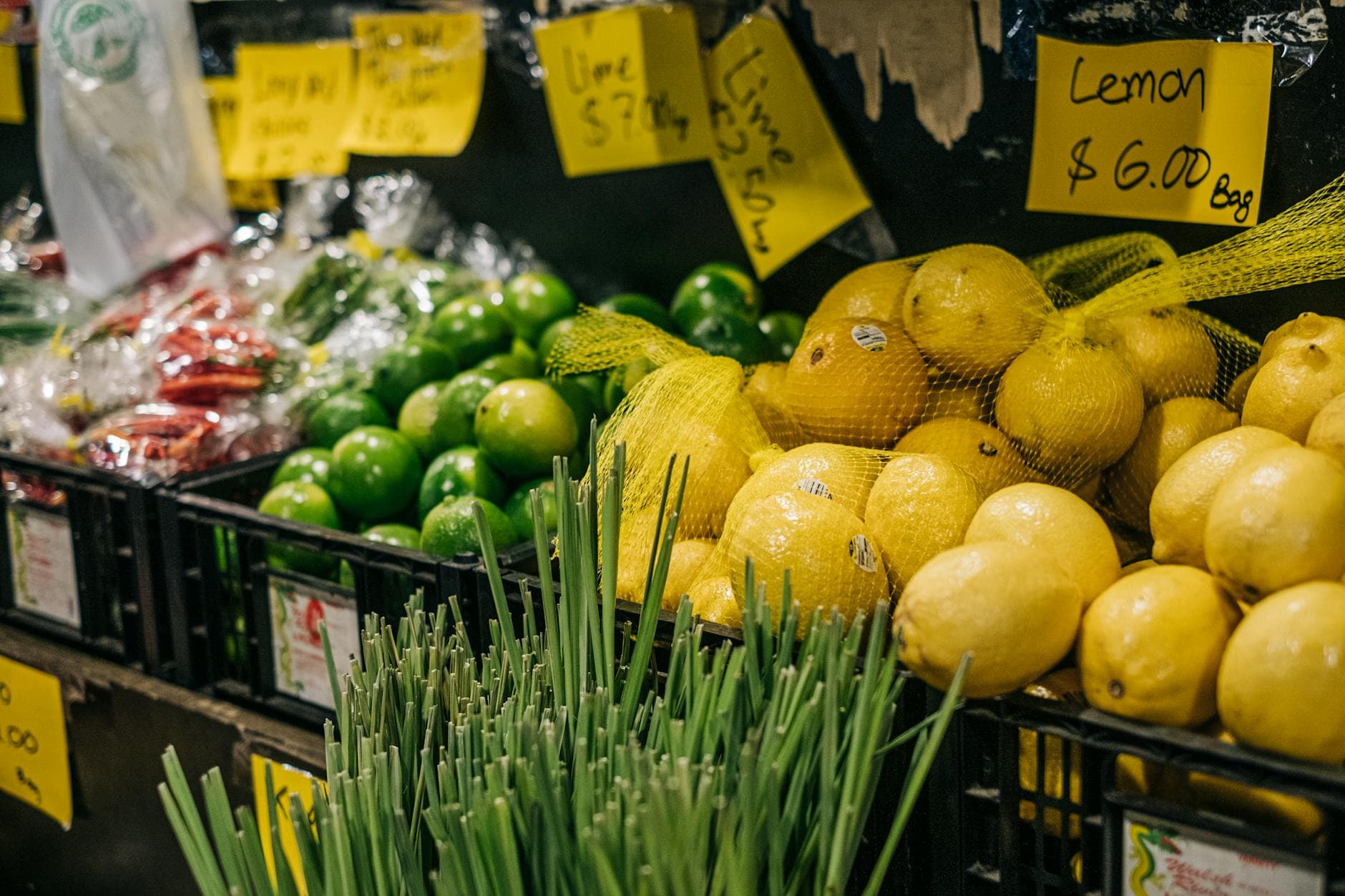
Lemongrass is the signature plant for a reason: its essential oil (rich in citral) gives the bath its bright, clean scent, and it has a long folk reputation as a warming, decongesting herb in thuốc nam. Because the bath deserves its own detailed treatment, we have written it up separately — see our Vietnamese herbal bath guide and, if you want to actually soak in one, our herbal bath service page. For this overview the key point is simply that the bath is the gentlest, most whole-body entry into herbal therapy, and the one we most often recommend first.
What is xông hơi, the Vietnamese herbal steam?
Xông hơi is the herbal steam, and it is one of the oldest home remedies in Vietnam. In its simplest form you sit over a covered pot of just-boiled herbs — lemongrass, ginger, lemon leaves, perfilla, mint — with a blanket over your head, and breathe the medicated steam while you sweat. Families have done this at the first sign of a cold or flu for generations; it is the Vietnamese equivalent of a steam inhalation, scaled up to the whole body.
Where the bath surrounds you in warm water, the steam works through heat and inhalation: you sweat, the aromatic vapours clear the head, and most people climb out feeling lighter. In a spa it is often offered as a steam room or steam tent before a massage, because warming and opening the body first makes the bodywork that follows more effective. We cover the steam in depth in its own piece — xông hơi, the Vietnamese herbal steam bath — which is the companion to this guide. A note of honest caution: steam and heat are not for everyone (more on that below).
Photo: Nghê Prana Hotel & Spa, Hội An
What is a herbal compress (chườm) and what does it do?
A herbal compress — chườm — is a cloth bundle packed with herbs, steamed until hot, then pressed and rolled over the body. Lemongrass, ginger and turmeric are common fillings, sometimes with kaffir lime leaf. The therapist holds the warm bundle against tight shoulders, the lower back, or sore calves, releasing both heat and aromatic oil into the muscle. It is a wonderful follow-on to a massage: the moist heat helps muscles let go, and the scent is grounding.
The warm herbal compress sits squarely within Vietnamese practice — and the idea of a steamed, herb-packed poultice is shared by traditions across South and Southeast Asia, so it may feel familiar if you have met one elsewhere. To be clear, what we make is the Vietnamese chườm, not an Ayurvedic treatment. The plants do the talking. Ginger and turmeric are both traditionally regarded as warming in thuốc nam, which is why they turn up in treatments aimed at stiffness and the kind of dull ache that comes from sitting on long flights. We use the compress most often for guests who carry tension in the shoulders and neck and want heat rather than deep pressure.
What is herbal-oil massage in Hội An?
Herbal-oil massage uses a warm, plant-infused oil as the medium for the bodywork. The warmth of the oil, the slow rhythm of the strokes, and the aromatics together make it deeply calming. It is our signature treatment: a relaxing warm-oil full-body massage, worked slowly by hand with the herbs and scents of Quảng Nam. We do not practise Ayurveda — this is the Vietnamese warm-oil tradition, plain and simple, and it is the therapy guests reach for most when they simply want to switch off.
Planning a trip around this? See dates at our quiet riverside hotel on the Thu Bồn. Check availability →
Photo: Nghê Prana Hotel & Spa, Hội An
Of the five therapies, oil massage is the one to choose when what you actually want is to switch off — the herbs here serve relaxation and skin comfort more than any specific remedy. It pairs beautifully after a bath or steam, when the body is already warm and open. For couples, it is also the easiest to share; we offer a couple's spa option for exactly that.
What about herbal teas?
Herbal teas are the quiet partner to everything above. Lemongrass-and-ginger tea, fresh ginger tea, atisô (artichoke) tea, lotus and pandan infusions — these are the drinks that close a treatment and carry the therapy home with you. They are warming, hydrating after a sweat or a soak, and pleasant in their own right. We hand a cup of lemongrass tea to almost every guest, and many ask how to make it once they are home; it is the simplest piece of thuốc nam anyone can keep up.
We are careful here, though: a fragrant tea is a comfort, not a treatment for any condition, and if you are pregnant, on medication, or managing a health issue, it is worth checking with a pharmacist or doctor before drinking medicinal herbs in quantity. The same honesty applies to the whole category.
Vietnamese herbal therapy (thuốc nam) is the country's indigenous folk medicine, distinct from the Sino-Vietnamese thuốc bắc. In a spa it takes five main forms: the herbal bath (tắm thuốc), the herbal steam (xông hơi), the warm herbal compress (chườm), herbal-oil massage, and herbal teas. The recurring plants are lemongrass (sả), ginger (gừng), turmeric (nghệ) and citrus leaves. These are warming, aromatic, relaxing comfort therapies grounded in everyday Quảng Nam home remedies — supportive care, not medical treatment. The standard Vietnamese reference on the plants is Đỗ Tất Lợi's Những cây thuốc và vị thuốc Việt Nam.
Which herbal therapy suits me?
As a rough guide from what we see daily: choose the bath if you want a gentle, whole-body soak after travel or a long day in the Old Town; choose the steam if you have a cold coming on or love a good sweat; choose the compress for tight shoulders, neck and back; choose oil massage when you simply want to switch off; and let tea round any of them off. Many guests combine two — a steam or bath to open the body, then an oil massage — and that sequence is the closest thing we have to a "full" herbal-therapy experience.
A word of genuine caution, because positive framing should not mean glossing over safety: heat-based therapies (steam, very warm baths, hot compresses) are not advisable if you are pregnant, have heart or blood-pressure concerns, are unwell with a fever, or have had alcohol. If any of that applies, tell your therapist, lean toward the gentler oil massage and teas, and check with a doctor when in doubt. We would always rather adjust a treatment than push it.
How to experience herbal therapy on a riverside visit
There is a reason these treatments feel right in Hội An specifically. The plants are local and fresh, the tradition is living rather than reconstructed, and the pace of the town — especially down by the water at Cẩm Nam, away from the Old Town crush — lets the therapy actually land. At our riverside spa on the Thu Bồn, a herbal treatment in the afternoon followed by a slow sunset over the river is, honestly, the version of this we would recommend to anyone. You can see the full range on our wellness menu, and read the deeper companion pieces linked throughout — particularly the herbal bath and xông hơi steam guides — when you want to go further on any one therapy.
About this article. This guide was written first-hand by our spa team in Hội An, who prepare and deliver these thuốc nam therapies daily, and is grounded in the standard Vietnamese pharmacopeia, Đỗ Tất Lợi's Những cây thuốc và vị thuốc Việt Nam, alongside our own treatment-room experience. Folk-medicine reputations of plants vary between sources and regions, and we have hedged accordingly: herbal therapy is described here as warming, aromatic, supportive care, not as treatment for any medical condition. Where heat or ingestion carries risk we have said so plainly. If you are pregnant, on medication, or managing a health concern, please consult a qualified practitioner before any herbal treatment.
Herbal therapy in Hội An refers to a family of Vietnamese folk-medicine treatments known as thuốc nam, made from local plants like lemongrass, ginger and turmeric. In a spa it usually means one or more of five things: a herbal bath, a xông hơi herbal steam, a warm herbal compress, herbal-oil massage, and herbal teas. They are warming, aromatic, relaxing comfort treatments rather than medical cures.
What plants are used in Vietnamese herbal therapy?
The recurring plants are lemongrass (sả), ginger (gừng), turmeric (nghệ), and citrus leaves such as lemon and pomelo, sometimes with mint, perilla or kaffir lime. Lemongrass is the signature herb for its bright, clean scent and warming reputation in thuốc nam. The standard reference on these medicinal plants is Đỗ Tất Lợi's Những cây thuốc và vị thuốc Việt Nam.
What is the difference between a herbal bath, xông hơi steam, and a herbal compress?
A herbal bath (tắm thuốc) is a whole-body soak in warm water steeped with simmered herbs. Xông hơi is a herbal steam you sit in and breathe, which makes you sweat and is the traditional Vietnamese remedy for a cold. A herbal compress (chườm) is a hot, herb-packed cloth bundle the therapist presses over tight muscles. The bath relaxes the whole body, the steam clears the head, and the compress targets stiffness.
Is herbal therapy safe for everyone?
Herbal therapy is gentle, but the heat-based treatments are not for everyone. Steam, very warm baths and hot compresses are best avoided if you are pregnant, have heart or blood-pressure concerns, are unwell with a fever, or have had alcohol. Herbal teas are comforting but should be checked with a pharmacist or doctor if you are pregnant or on medication. Always tell your therapist about any health concerns so the treatment can be adjusted.
References & Sources
Đỗ Tất Lợi (2004). Những cây thuốc và vị thuốc Việt Nam — the standard pharmacopeia of Vietnamese medicinal plants (lemongrass, ginger, turmeric and household thuốc nam remedies). NXB Y học / NXB Thời Đại.
Viện Dược liệu (National Institute of Medicinal Materials), Bộ Y tế (2023). Reference monographs on Vietnamese medicinal plants used in thuốc nam herbal therapy. Viện Dược liệu.
Nghê Prana Hotel & Spa (2026). First-hand: herbal bath, xông hơi steam and herbal-oil treatments delivered at our riverside Ayurvedic spa on the Thu Bồn, Cẩm Nam, Hội An. Nghê Prana (hotel-side primary reporting). View source
Every room at Nghê Prana is designed around the science of sleep. Blackout curtains, nightly aromatherapy turndown, and riverside quiet — experience what real rest feels like.
Riverside hotel rooms on the Thu Bồn, ten minutes by bicycle from the Ancient Town. Whether it's one night between Hue and Da Nang or a full week of doing nothing — we kept your room quiet.
Free cancellation · Direct from the family who built the hotel


 WhatsApp
 Zalo
Zalo