Xông Hơi in Hội An: The Vietnamese Herbal Steam Bath, Explained
Xông hơi is Vietnam's traditional herbal steam — a pot of lemongrass, ginger, perilla and citrus leaves under a blanket, used for centuries at the change of seasons and the start of a cold. Here is what it is, the plants involved, how it is done, the honest safety notes, and where to try it on a calm riverside stay in Hội An.
If you have spent any time in a Vietnamese household, you have probably seen it: a big pot simmering on the stove, the whole kitchen smelling of lemongrass and ginger, and someone sitting hunched under a thick blanket with their head over the steam. That is xông hơi — the Vietnamese herbal steam — and it is one of the oldest, most everyday pieces of home medicine in the country. This guide explains what xông hơi actually is, which plants go into the pot and why, how it is done at home versus in a spa, what it is traditionally used for, the honest safety points worth knowing, and where to try it on a quiet riverside stay in Hội An.
We write this from the spa side. Nghê Prana is a family-run riverside hotel and Vietnamese herbal spa on the Thu Bồn river at Cẩm Nam, Hội An, and herbal steam and herbal bathing are part of how we and our guests slow down here. We are not doctors, so we keep the medical claims modest and grounded in the thuốc nam (Vietnamese herbal medicine) tradition — including Đỗ Tất Lợi's standard pharmacopeia of Vietnamese medicinal plants — and in reporting from Vietnamese health press such as VnExpress, Tuổi Trẻ and Sức khỏe & Đời sống. Where the evidence is folk tradition rather than clinical proof, we say so.
What is xông hơi?
Xông hơi means, roughly, "to steam" or "to bathe in vapour." In the thuốc nam tradition it is an early-response practice — something you reach for at the very first scratch of a cold, after getting caught in the rain, or simply when the seasons turn. A handful of fresh aromatic plants is boiled in a large pot of water; the lid comes off; and you sit over the rising steam, draped in a blanket so the warm, fragrant vapour surrounds you. You breathe it in, you sweat, and afterwards you dry off and rest. The whole ritual usually takes only ten to twenty minutes.
It is worth separating two related things. Xông hơi giải cảm is the home steam-for-a-cold described above — head over a pot, blanket over shoulders. The same word also covers the broader idea of a herbal steam bath or steam room, where the body, not just the face, is enveloped in medicinal vapour. Spas in Vietnam offer the second; the first lives in millions of kitchens. Both rest on the same idea: warm aromatic steam opens the airways, encourages a light sweat, and leaves you feeling clearer.
Which herbs are used in a Vietnamese steam bath?
There is no single fixed recipe — that is part of the charm. Households use what grows in the garden and what suits the season. According to Vietnamese health sources including VnExpress and Nhà thuốc Long Châu, a classic giải cảm pot combines five to ten kinds of fresh leaves, totalling roughly 600 grams to a kilogram. The most common are:
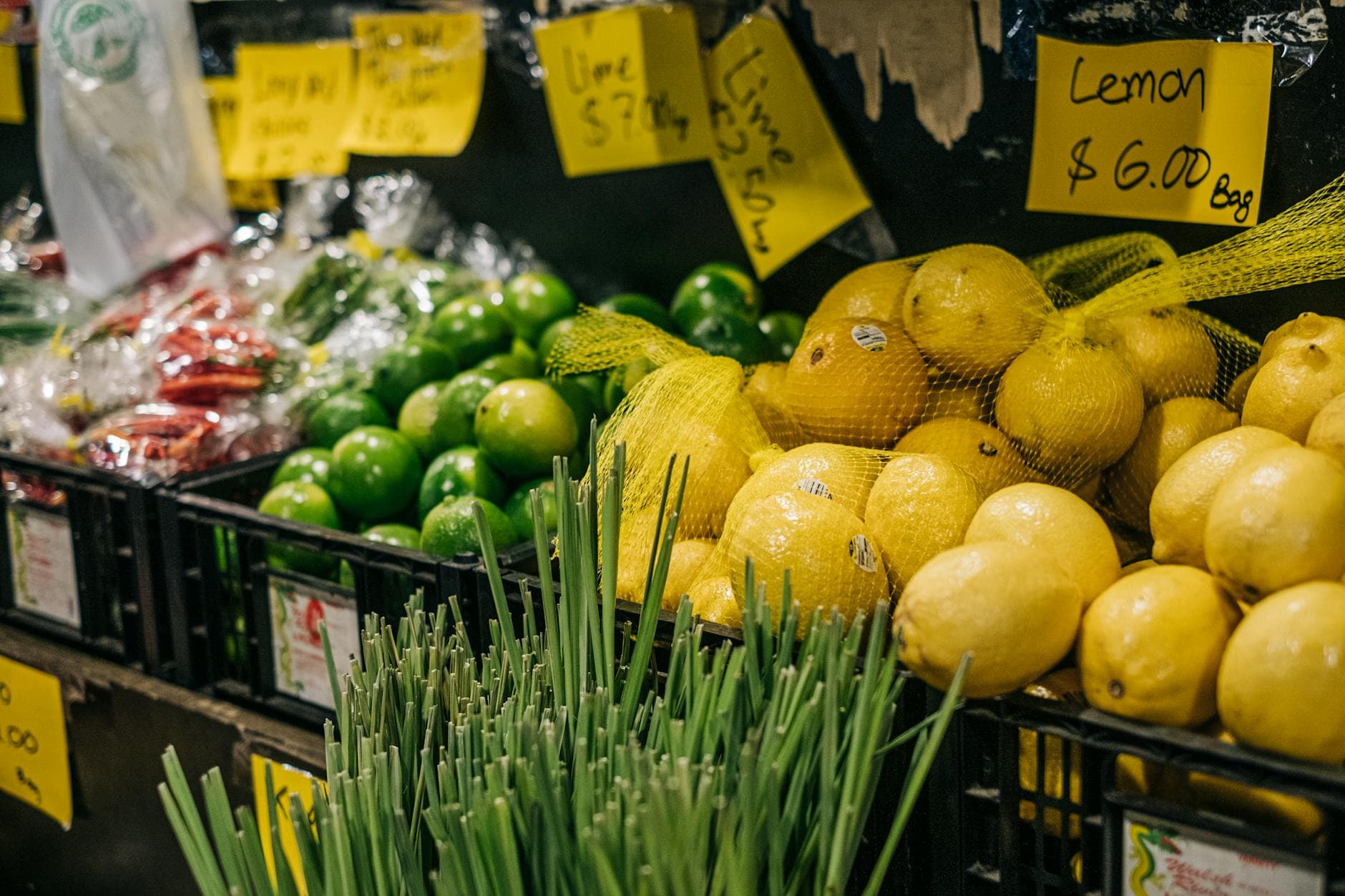
Sả (lemongrass) — the backbone of almost every pot. Its essential oils (citral, geraniol) give the bright citrus aroma and are valued for clearing the airways.
Gừng (ginger) — warming; sliced or smashed into the water, traditionally used to "chase the cold" and warm the body.
Tía tô (perilla) — a fragrant purple-backed leaf rich in aromatic oils, long used in thuốc nam to disperse "wind-cold" and ease coughs.
Lá bưởi (pomelo leaves) — aromatic citrus leaves whose oils (limonene, alpha-pinene) lend the steam a clean, resinous note.
Lá chanh (kaffir/lime leaves) and bạc hà (mint) — added for extra fragrance and a cooling lift.
Many families also add bamboo leaves, lemon balm, basil, or whatever aromatic green is to hand. The logic is simple and seasonal: more warming herbs like ginger in cool months, lighter and more cooling ones in the heat. You can read more about how these same plants reappear in our soaking rituals in our Vietnamese herbal bath guide.
Photo: Nghê Prana Hotel & Spa, Hội An
How is xông hơi done at home?
The home method is wonderfully low-tech. The herbs are rinsed, packed into a large pot with plenty of water, brought to a boil, then simmered briefly so the oils release. The pot is carried — carefully, it is hot — to where the person will sit, usually on a low stool. They lean over it, drape a large blanket or towel over their head and the pot like a small tent, and lift the lid slowly so the first blast of steam does not scald. Then they sit and breathe, easing the lid open further as the steam cools.
A few details matter. The steam should feel warm and comforting, never burning — keep a safe distance and never let skin touch the pot or boiling water. Sessions are short, generally ten to twenty minutes, and Vietnamese health guidance is consistent that you should not exceed about twenty minutes or do more than one or two sessions a day. Afterwards, you dry the sweat thoroughly, change into dry clothes, drink some warm water or tea, and stay out of draughts and air-conditioning while the body settles. Catching a chill right after sweating defeats the purpose.
What is xông hơi traditionally used for?
In Vietnamese homes, xông hơi is reached for most often at the change of seasons and at the first signs of a common cold — the blocked nose, the heavy head, the body that got rained on and now feels off. The warm aromatic steam is felt to open the sinuses, loosen congestion, encourage a cleansing sweat, and simply make a stuffy head feel lighter. It is also used more generally to relax, ease tiredness, support circulation through gentle warmth, and as part of skin and after-illness recovery care.
We want to be honest here: most of these uses are traditional and experiential rather than clinically proven. Steam inhalation can genuinely soothe irritated airways and feels comforting when you are congested, and the herbs add aroma many people find restorative — but xông hơi is supportive home comfort, not a cure, and it does not replace medical care when you are properly unwell. The thuốc nam framing, well documented in Đỗ Tất Lợi's pharmacopeia, is about gentle, seasonal self-care, and that is the spirit in which we offer it.
Planning a trip around this? See dates at our quiet riverside hotel on the Thu Bồn. Check availability →
A traditional giải cảm steam pot typically combines five to ten fresh aromatic plants — lemongrass (sả), ginger (gừng), perilla (tía tô) and pomelo leaves (lá bưởi) among the most common — totalling roughly 600 g to 1 kg of herbs. Vietnamese health guidance keeps each session to about 10–20 minutes, no more than once or twice a day, with the steam kept comfortably warm rather than hot.
Who should be cautious with herbal steam?
This is the part worth reading slowly. Vietnamese health sources, including Tuổi Trẻ and Sức khỏe & Đời sống, advise caution or avoidance for several groups: pregnant women; young children; older or frail people; anyone weak or recovering from serious illness; people with high blood pressure or heart conditions; and anyone already sweating heavily, dizzy, or dehydrated. Crucially, full-body steaming is not recommended for high or viral fevers — and notably not for dengue fever, which is present in Vietnam — where sweating things out can do harm rather than good.
The sensible rules are simple: hydrate before and after, keep sessions short and the steam comfortable, never steam to the point of feeling faint, and stop immediately if you feel dizzy, breathless or unwell. If you are pregnant, managing a health condition, or genuinely sick rather than just sniffly, ask a doctor first. In our spa we always check in with guests beforehand, keep steam gentle, and steer anyone in these groups toward a calmer option such as a warm herbal foot soak or a herbal bath instead.
How does xông hơi pair with a herbal bath and massage?
Traditionally, steam and soaking belong together. A short steam opens the pores and airways; a warm herbal bath afterwards — with many of the same plants, sả especially — extends the warmth and the aroma over the whole body; and a slow massage releases whatever tension the heat has loosened. It is a natural sequence: steam to clear, soak to settle, massage to relax. Many of our guests build exactly this arc into an afternoon, and you can see how the soak fits into the picture in our lemongrass herbal bath recovery post and across our wider herbal therapy in Hội An overview.
This layering reflects how we work at Prana — warm, plant-led, attentive to the season and to the individual in front of us. Our spa is grounded in the Vietnamese herbal (thuốc nam) tradition rather than Ayurveda, but the same gentle, seasonal spirit runs through many wellness cultures. We explore how the Vietnamese approach compares with others in our pieces on Hội An herbal medicine and Ayurveda and on the German Heilfasten and thuốc nam tradition of seasonal reset.
Photo: Nghê Prana Hotel & Spa, Hội An
Where can you experience xông hơi in Hội An?
Hội An is an unhurried town, and the riverside end of it especially so. At Cẩm Nam, just across the water from the Old Town, the Thu Bồn slides past quietly and the pace drops the moment you arrive. That calm is half the treatment. After a warm herbal steam and a soak, there is nowhere better to settle than a chair by the river as the light softens — and if you time it right, the sunset over the Thu Bồn does the rest of the work for you.
If you would like to try Vietnamese herbal steam and bathing for yourself, the place to start is our herbal bath service page, or browse the full wellness and spa menu to build steam, soak and massage into an afternoon. Couples often book the ritual together — our couple spa in Hội An experience pairs the two. We will always talk you through it first, keep the steam gentle, and tailor it to how you are feeling that day.
About this article. This guide synthesises the thuốc nam herbal tradition — including Đỗ Tất Lợi's standard pharmacopeia of Vietnamese medicinal plants — with practical home-remedy reporting from Vietnamese health press (VnExpress Sức khỏe, Tuổi Trẻ, Sức khỏe & Đời sống, Nhà thuốc Long Châu) and with our own first-hand experience running herbal steam and bath rituals at our riverside spa in Cẩm Nam, Hội An. Where uses are traditional rather than clinically proven, we have said so honestly; xông hơi is gentle supportive care, not a substitute for medical advice, and the safety cautions above are there for good reason.
Xông hơi is the traditional Vietnamese herbal steam. Fresh aromatic plants such as lemongrass, ginger, perilla and pomelo leaves are boiled in a large pot, and you sit over the rising steam under a blanket for about ten to twenty minutes. It is an everyday home remedy in Vietnam, used most often at the change of seasons and at the first signs of a common cold.
Which herbs are used in a Vietnamese herbal steam?
A classic steam pot combines five to ten fresh leaves, often 600 grams to a kilogram in total. The most common are lemongrass (sả), ginger (gừng), perilla (tía tô) and pomelo leaves (lá bưởi), with lime leaves, mint or basil added for fragrance. There is no single fixed recipe — households use what grows nearby and what suits the season.
How long should a xông hơi session last, and is it safe?
Vietnamese health guidance keeps each session to about ten to twenty minutes, no more than once or twice a day, with the steam kept comfortably warm rather than hot. Hydrate before and after, dry off and avoid draughts when you finish, and stop at once if you feel dizzy or unwell. It should always feel comforting, never scalding.
Who should avoid herbal steam?
Caution is advised for pregnant women, young children, older or frail people, and anyone with high blood pressure or heart conditions. Full-body steaming is not recommended for high or viral fevers, and notably not for dengue fever. If you are pregnant, managing a health condition, or genuinely ill rather than just sniffly, check with a doctor first.
References & Sources
Đỗ Tất Lợi (2004). Những cây thuốc và vị thuốc Việt Nam — documents lemongrass (sả), ginger, perilla (tía tô) and pomelo leaf among the aromatic plants used in xông hơi steam. NXB Y học / NXB Thời Đại.
Báo Sức khỏe & Đời sống (Ministry of Health) (2022). Coverage of xông hơi (herbal steam inhalation) as a traditional Vietnamese home remedy, including safety guidance. suckhoedoisong.vn.
Nghê Prana Hotel & Spa (2026). First-hand: xông hơi herbal steam and herbal bath ritual delivered at our riverside spa on the Thu Bồn, Cẩm Nam, Hội An. Nghê Prana (hotel-side primary reporting). View source
Every room at Nghê Prana is designed around the science of sleep. Blackout curtains, nightly aromatherapy turndown, and riverside quiet — experience what real rest feels like.
Riverside hotel rooms on the Thu Bồn, ten minutes by bicycle from the Ancient Town. Whether it's one night between Hue and Da Nang or a full week of doing nothing — we kept your room quiet.
Free cancellation · Direct from the family who built the hotel




 WhatsApp
 Zalo
Zalo