JOMO Travel Is 2026's Most Booked Wellness Experience. Here Is What Actually Makes It Work.
The Joy of Missing Out — JOMO — has become the dominant wellness-travel framing for 2026. Hilton's latest report says 27 percent of adults are actively trying to reduce social media on holiday; research shows JOMO practitioners sleep 45 minutes longer per night. But most "digital detox" retreats are half-measures. Here is what the literature says actually drives the benefit — and why a quiet riverside property that has never run a "detox" program may be the cleanest environment to get it.
The travel industry has settled on a name for what younger travellers have embraced over the past few years: JOMO, the Joy of Missing Out. National Traveller has called the digital detox retreat "one of spring 2026's most booked wellness experiences," and Hilton's 2025 Trends Report found that 24 percent of global travellers say they now disconnect from social media on holiday more than they used to, with the appetite strongest among younger generations. Sleep researchers consistently find that reducing screen and social media use in the evening is linked to falling asleep faster and sleeping longer, with reported gains typically on the order of tens of minutes a night. The travel response has been energetic and — mostly — confused. The most-marketed "digital detox" retreats tend to be expensive, heavily-programmed, one-week packages involving locked phone boxes and a schedule of silent-walking workshops. What the literature actually supports as the benefit-producing intervention is smaller, simpler, and quieter than the industry has made it.
What JOMO Is Actually Optimizing For
At its operational level, JOMO is the deliberate reduction of three things: external social comparison, notification-driven attention fragmentation, and late-evening blue-light exposure. The benefit is the inverse: present-moment awareness, longer uninterrupted attention, and deeper sleep. These three outcomes — not the specific ritual of handing your phone over at check-in — are what the 45-minute sleep improvement actually reflects.
Research on sleep and screen use points in a consistent direction: cutting social media in the evening, while keeping your phone for ordinary use, appears to capture most of the sleep benefit that full phone surrender does. The active ingredient seems to be evening-hours disconnection, not 24-hour disconnection. There is also a plausible downside to going cold turkey — travellers who abruptly lock their phones away for an entire week sometimes report feeling more anxious at first, not less, before settling.
The emerging consensus in wellbeing writing is that JOMO, practiced correctly, is not abstinence but selection. The benefits people report — better, longer sleep, a calmer evening wind-down, and sharper attention the next day — tend to accrue from consistent evening disconnection paired with consistent morning light exposure, not from enforced 24-hour phone surrender.
What a Real JOMO Travel Protocol Looks Like
Based on the literature, the actual protocol that produces the measured benefits is strikingly simple and does not require any special retreat infrastructure.
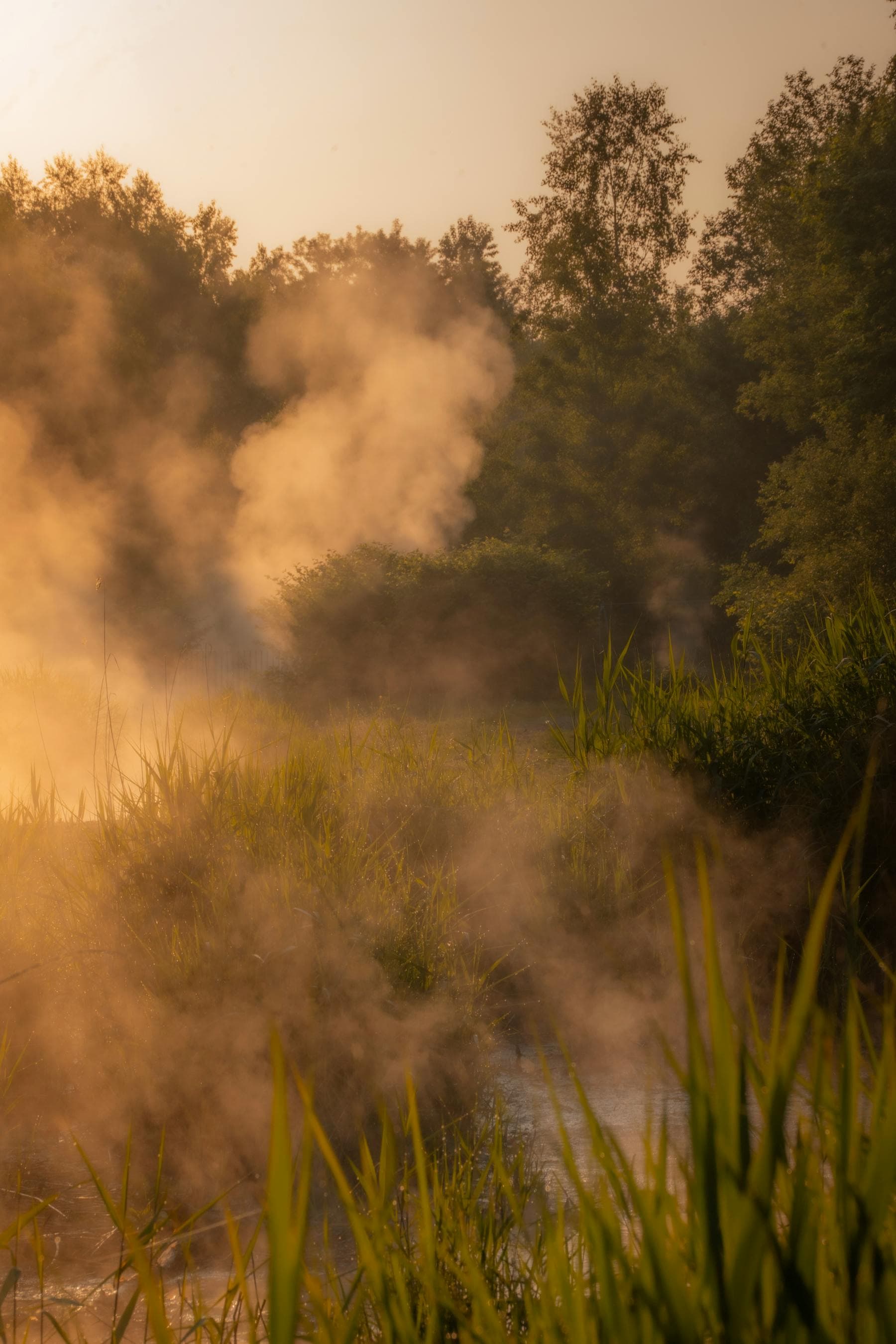
First: morning light before morning phone. Within 20 minutes of waking, get outside into natural light (ideally tropical intensity, 10,000+ lux) before looking at a screen. This sets the cortisol curve for the rest of the day. A sunrise walk by the river beats a sunrise scroll by 2-3 orders of magnitude in measured circadian effect.
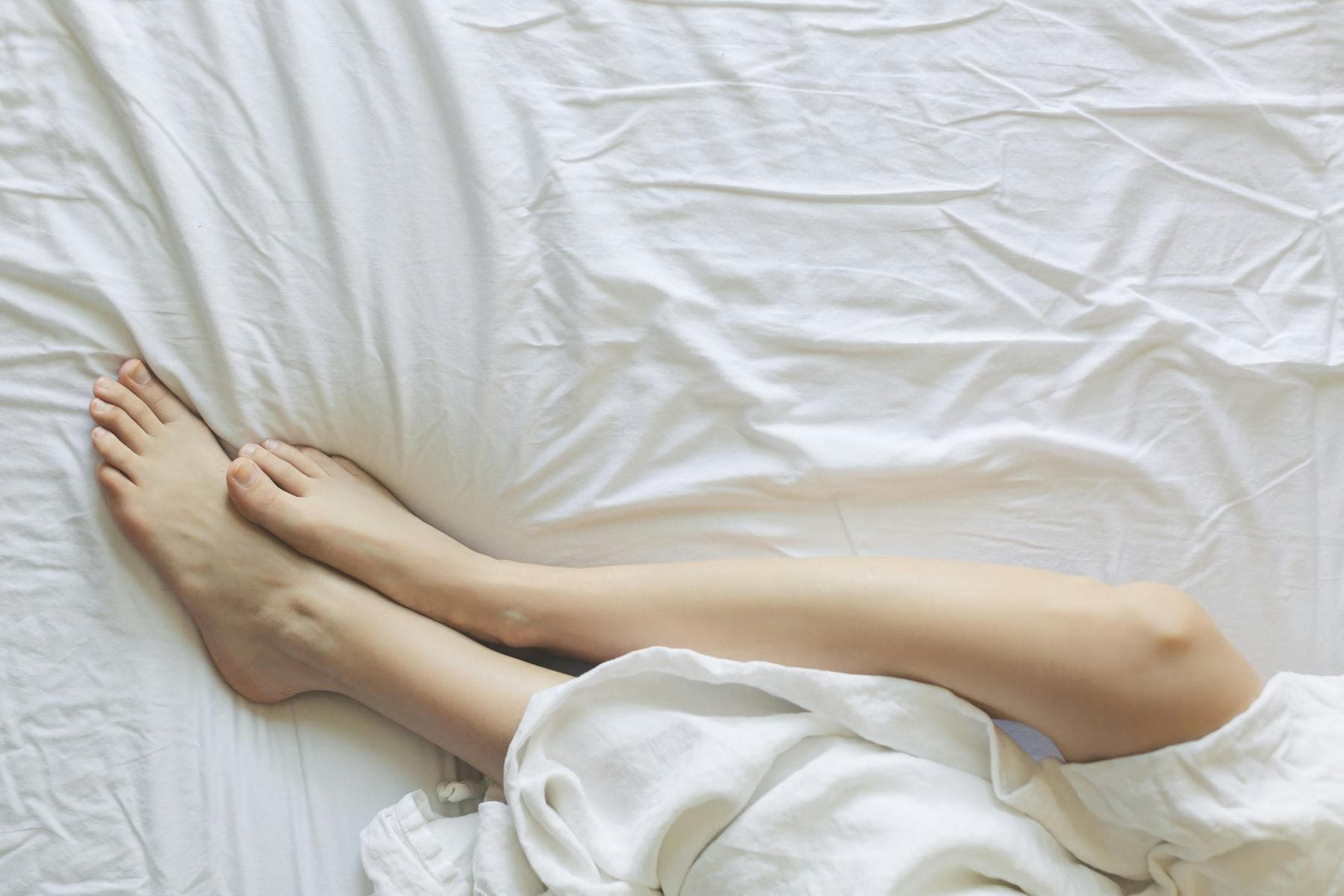
Second: phone in a drawer from 9 PM onward. The single highest-leverage intervention. Not in the room, not on the nightstand, not on "Do Not Disturb" — in a drawer or a bag across the room. This is the 45-minute sleep-improvement protocol. You do not need a retreat to do it; you just need the habit.
Third: a defensible daytime window of no input. At least 2 hours somewhere between 1 PM and 5 PM where you are not consuming any information — reading a physical book, napping, walking, staring at water. The afternoon-cortisol drop the JOMO literature keeps citing is mostly this.
Fourth: social posting deferred by 24 hours minimum. You can still take pictures. You just post them tomorrow. This is the cleanest way to break the notification-feedback loop that undermines the whole thing. The 2026 "ping minimalism" discourse we covered in a prior post is essentially this rule, formalized.
Planning a trip around this? See dates at our quiet riverside hotel on the Thu Bồn. Check availability →
That is the protocol. Everything else the industry is selling under the JOMO label — the locked-phone retreats, the forest-bathing schedule, the rigid silent-walking blocks — is packaging around these four things.
Why Hội An Is Structurally JOMO-Friendly
A handful of specific properties make a riverside stay in Hội An deliver JOMO conditions almost without needing to frame them as such. The Ancient Town keeps early evenings, so restaurants naturally wind down well before late night — you are not fighting the environment for quiet. Riverside properties on the Cẩm Nam and Cẩm Thanh sides tend to have a weaker mobile signal than the dense Old Town, meaning your phone is effectively degraded without you doing anything. Bright tropical morning light builds quickly after sunrise and is available anywhere along the Thu Bồn — far more than the early-morning light most travellers get at home. Afternoons are structurally empty — Hội An's dense midday heat is the reason most properties have early-afternoon quiet hours, and most travellers nap or read through this window without needing to be instructed.
Nghê Prana does not run a "digital detox" package. We never have. What we do run is a property where the environmental conditions that make JOMO actually work are the default. There is no lobby music. No TVs in the common areas. The restaurant closes by 9 PM. Staff turndown completes before 8 PM so no footsteps through your corridor during the first sleep cycle. By night two, most guests report they have naturally put their phone down, not because we asked them to, but because the surroundings stop rewarding them for picking it up.
This is the version of JOMO travel the literature actually supports: not an expensive one-week phone-surrender ceremony but a properly quiet environment in which the four-part protocol above becomes easy by default.
The Smaller, Cheaper Version
A fair-minded closing note: you do not have to fly to Central Vietnam for 45 minutes more sleep. You can do the evening-phone-in-drawer protocol from your own bedroom starting tonight. The reason travel still matters for this is friction reduction. The home environment actively fights JOMO — partner asking questions, notifications from your work app, ambient bedroom noise from the street, bright bedroom at 7 AM through thin curtains. Travel temporarily removes all of this, which is what lets the habit form. Five days of enforced friction-free JOMO at a properly quiet property frequently establishes the at-home habit that a year of willpower alone could not. That is the real trip you are buying when you book a JOMO-conducive stay.
The 2026 trend is real demand responding to real overexposure. The industry response is mixed. The protocol is simple. The environment matters more than the package name.
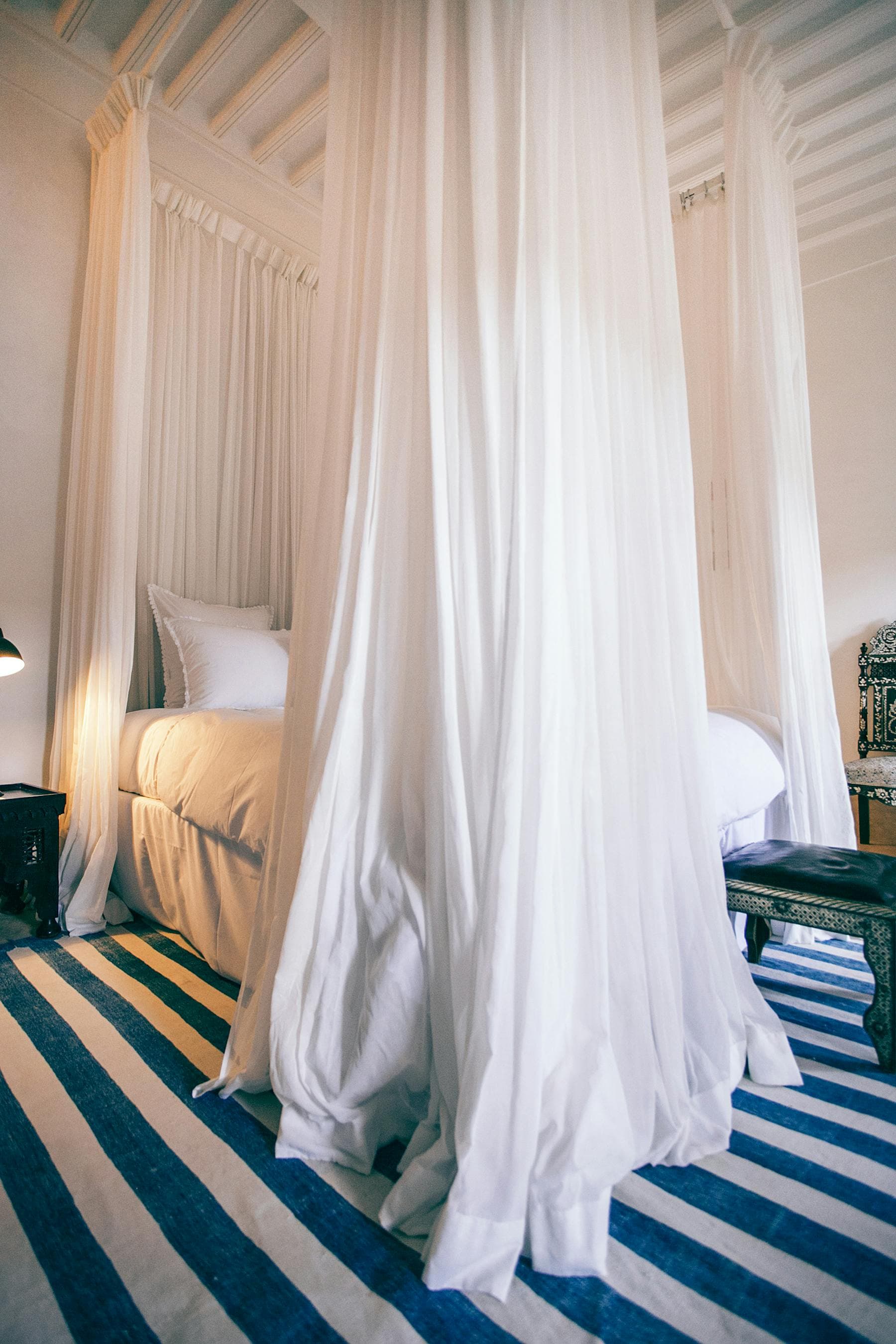
Every room at Nghê Prana is designed around the science of sleep. Blackout curtains, nightly aromatherapy turndown, and riverside quiet — experience what real rest feels like.
Riverside hotel rooms on the Thu Bồn, ten minutes by bicycle from the Ancient Town. Whether it's one night between Hue and Da Nang or a full week of doing nothing — we kept your room quiet.
Free cancellation · Direct from the family who built the hotel

 WhatsApp
 Zalo
Zalo