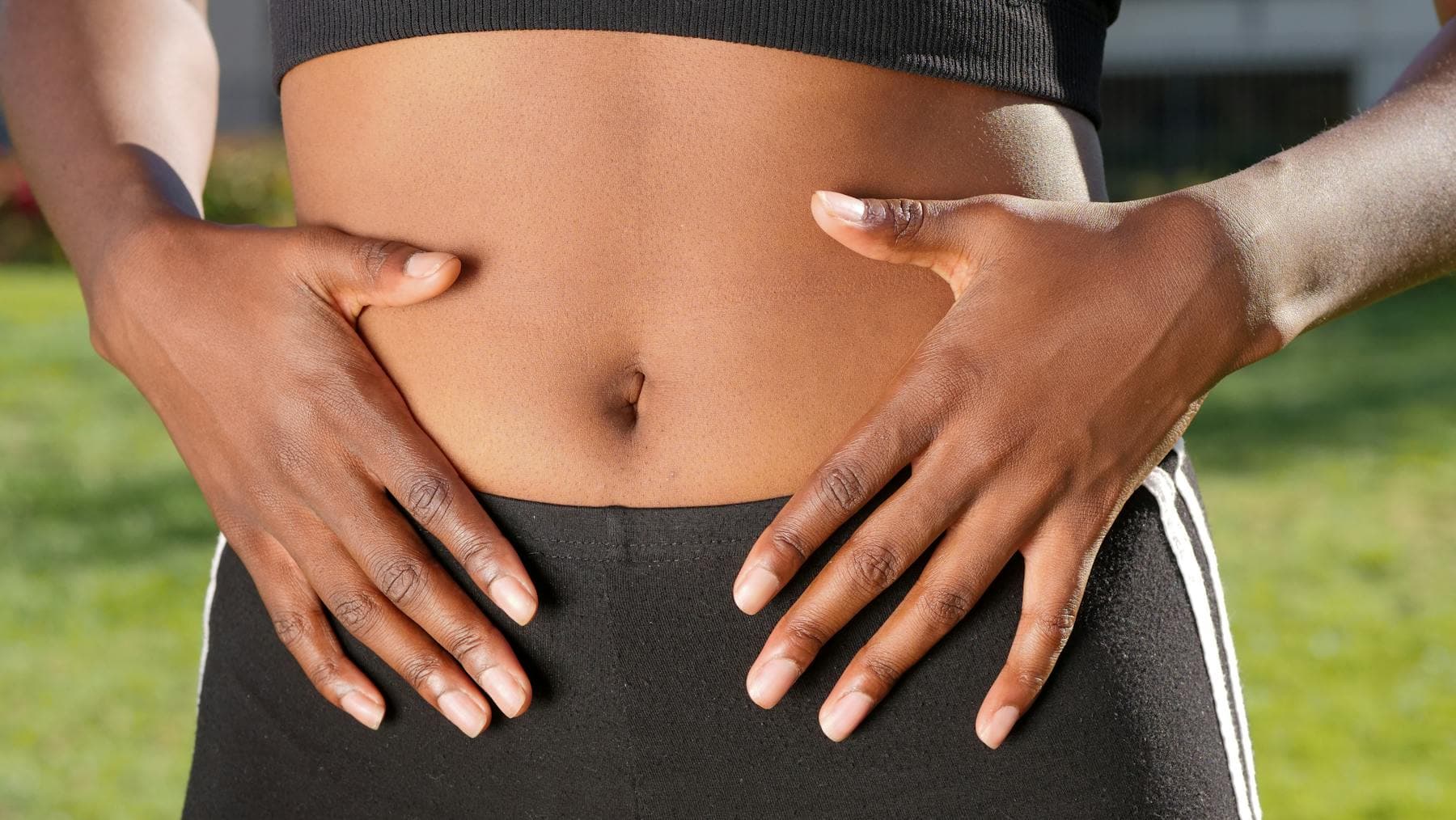
stress
The Cortisol-Belly Connection: Why Stress Makes You Look Older
Chronic stress doesn't just feel bad — it physically reshapes your body and accelerates visible aging through cortisol-driven inflammation.
Jan 28, 20258 minRead Article
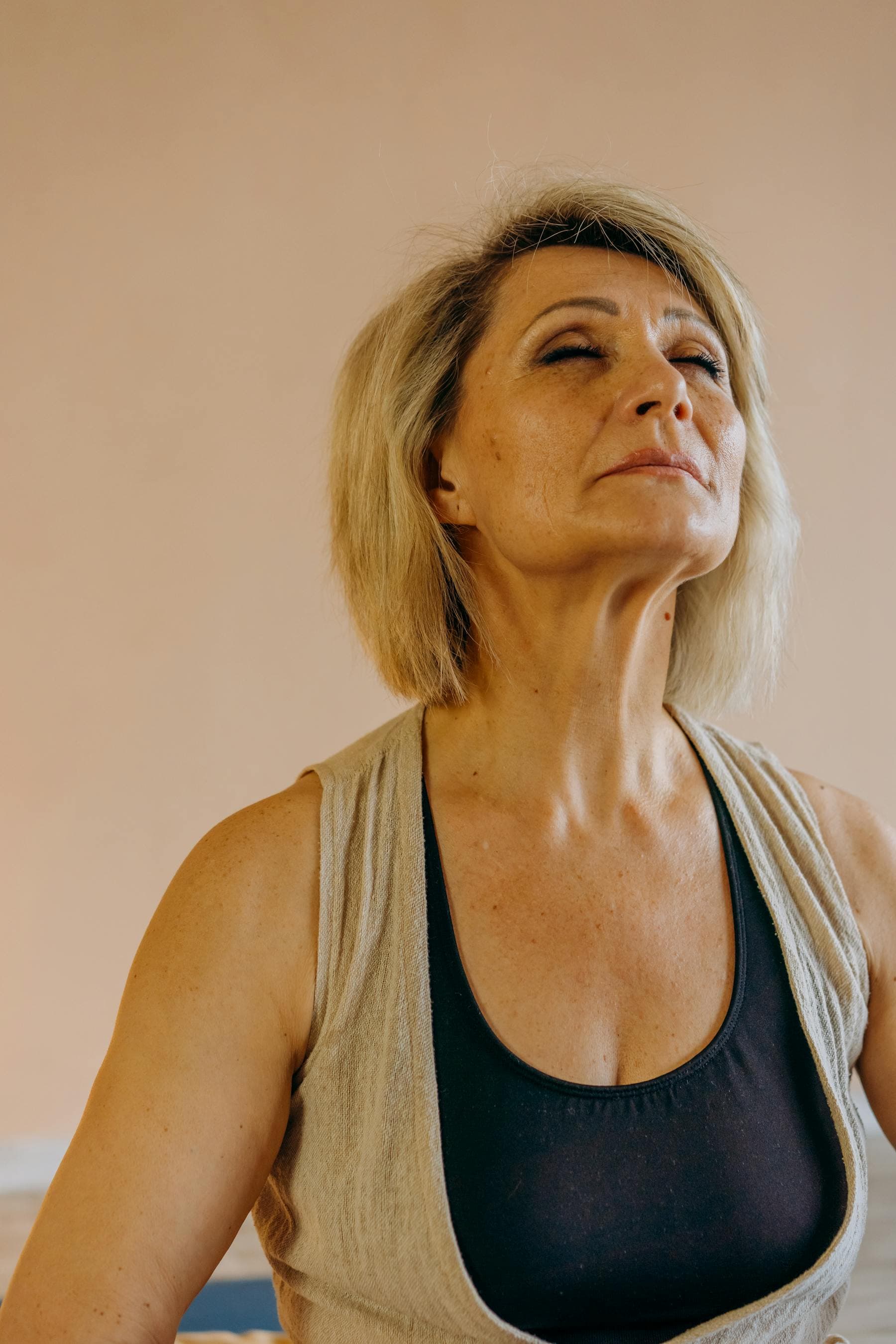
Your breath is the fastest lever you have to shift your nervous system from fight-or-flight to rest-and-repair. Here are seven evidence-based methods.
Of all the tools available to regulate your nervous system, breath is the only one that works in real time, requires no equipment, and can be done anywhere. Unlike meditation — which often takes weeks to produce measurable changes — controlled breathing activates the parasympathetic nervous system within a single session.
A 2023 study in Cell Reports Medicine by Stanford researcher Andrew Huberman and colleagues found that just 5 minutes of structured breathing per day reduced anxiety and improved mood more effectively than mindfulness meditation.
Used by Navy SEALs before high-stakes operations. Inhale for four counts, hold for four counts, exhale for four counts, hold for four counts. Repeat for five minutes. The equal timing of each phase creates a rhythmic signal that helps calm the nervous system and lower cortisol output. Slow-paced breathing of this kind has been shown to increase parasympathetic activity and reduce cortisol reactivity, which is why it has been adopted in high-pressure settings such as military and emergency-room training.
Popularized by Dr. Andrew Weil, this technique extends the exhale to activate the vagus nerve more deeply. Inhale for four counts, hold for seven, exhale slowly for eight. The prolonged exhalation phase stimulates baroreceptors in the aortic arch, sending a calming signal to the brainstem. Small trials of slow, exhale-extended breathing before bed have reported shorter time to fall asleep and fewer night-time awakenings, which is why 4-7-8 is so widely recommended as a pre-sleep wind-down.
Perhaps the fastest technique for acute stress relief. Take a normal inhale through the nose, then immediately stack a second short inhale on top, then exhale slowly through the mouth. This pattern reinflates collapsed alveoli in the lungs, optimizes carbon dioxide offloading, and triggers an immediate parasympathetic shift. Huberman's 2023 study highlighted this as the single most effective technique for real-time cortisol reduction.
Using your thumb and ring finger, alternate blocking each nostril while breathing slowly. Research on Nadi Shodhana has reported reductions in systolic blood pressure and in markers of stress such as salivary cortisol, alongside lower anxiety and improved focus. The mechanism likely involves balancing sympathetic and parasympathetic tone across the two hemispheres of the brain.
Planning a trip around this? See dates at our quiet riverside hotel on the Thu Bồn. Check availability →
Sets a rhythm of approximately five to six breaths per minute — roughly five seconds in, five seconds out. This frequency matches the natural oscillation of the baroreflex, creating heart rate variability coherence. Meta-analyses of heart-rate-variability biofeedback, which trains this resonance-frequency breathing, have found significant reductions in anxiety, depressive symptoms, and stress.
Inhale deeply, then exhale while making a low humming sound with the lips closed. The vibration stimulates the vagus nerve through the pharyngeal branch and increases nitric oxide production in the nasal sinuses by 15-fold, according to a 2002 study in the American Journal of Respiratory and Critical Care Medicine. This is our guests' favourite evening practice on the river deck at Nghe Prana.
Simply double the exhale relative to the inhale — for example, inhale for three counts, exhale for six. This is the most accessible technique for beginners and can be practised silently during any activity.
The key insight across all seven techniques is the same: the exhale is the brake pedal. Whenever you extend your exhale beyond your inhale, you are directly telling your nervous system that you are safe. Five minutes is enough. Start today.
23 rooms on the quiet south bank of the Thu Bồn River, ten minutes by bicycle from the Ancient Town and a world from its noise.
Book your stayContinue at Nghê Prana
Ready to Sleep Better?
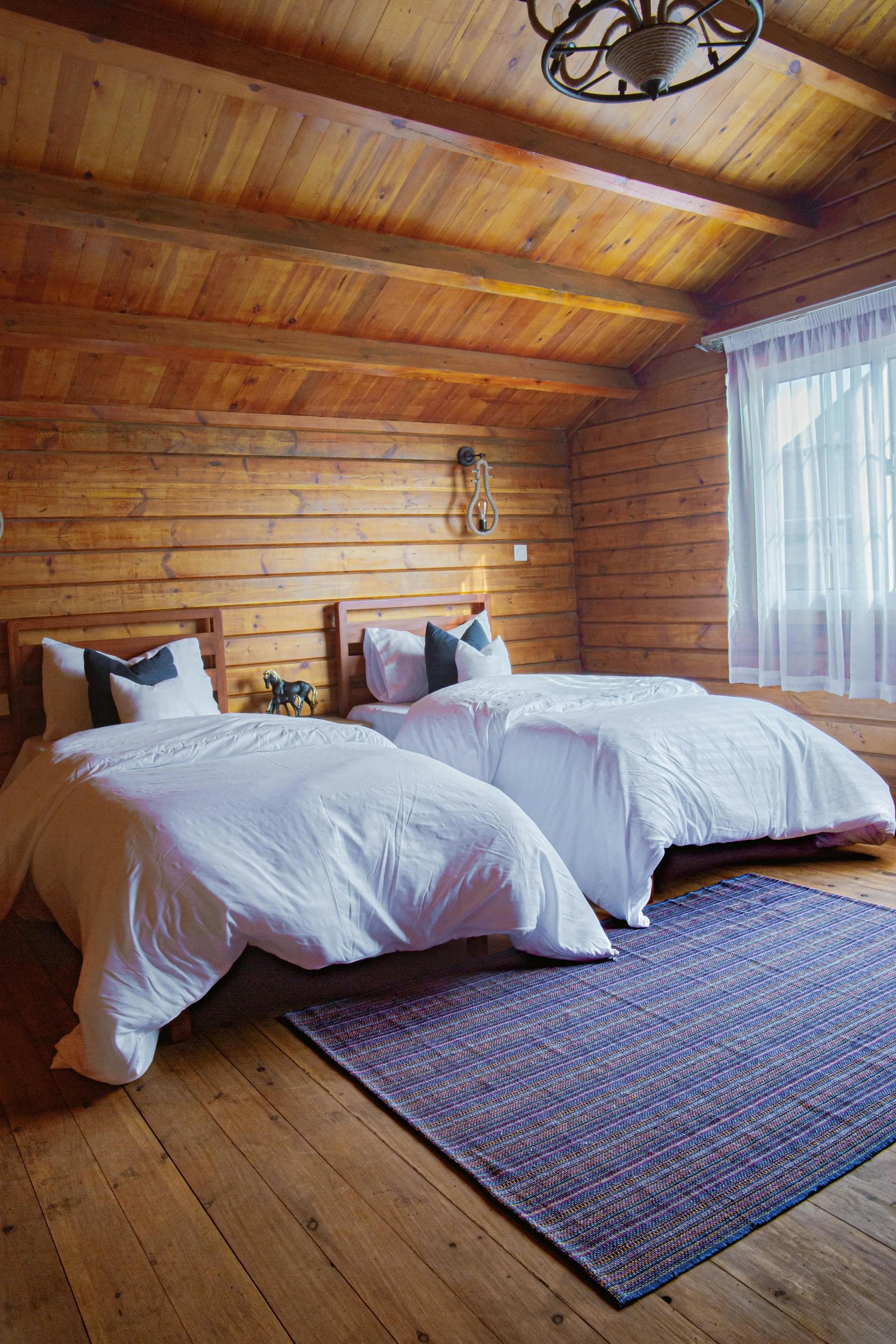
Every room at Nghê Prana is designed around the science of sleep. Blackout curtains, nightly aromatherapy turndown, and riverside quiet — experience what real rest feels like.
View Our RoomsYour Stay Awaits
Riverside hotel rooms on the Thu Bồn, ten minutes by bicycle from the Ancient Town. Whether it's one night between Hue and Da Nang or a full week of doing nothing — we kept your room quiet.
Free cancellation · Direct from the family who built the hotel
Save 15% booking directly via our website

 WhatsApp
 Zalo
Zalo