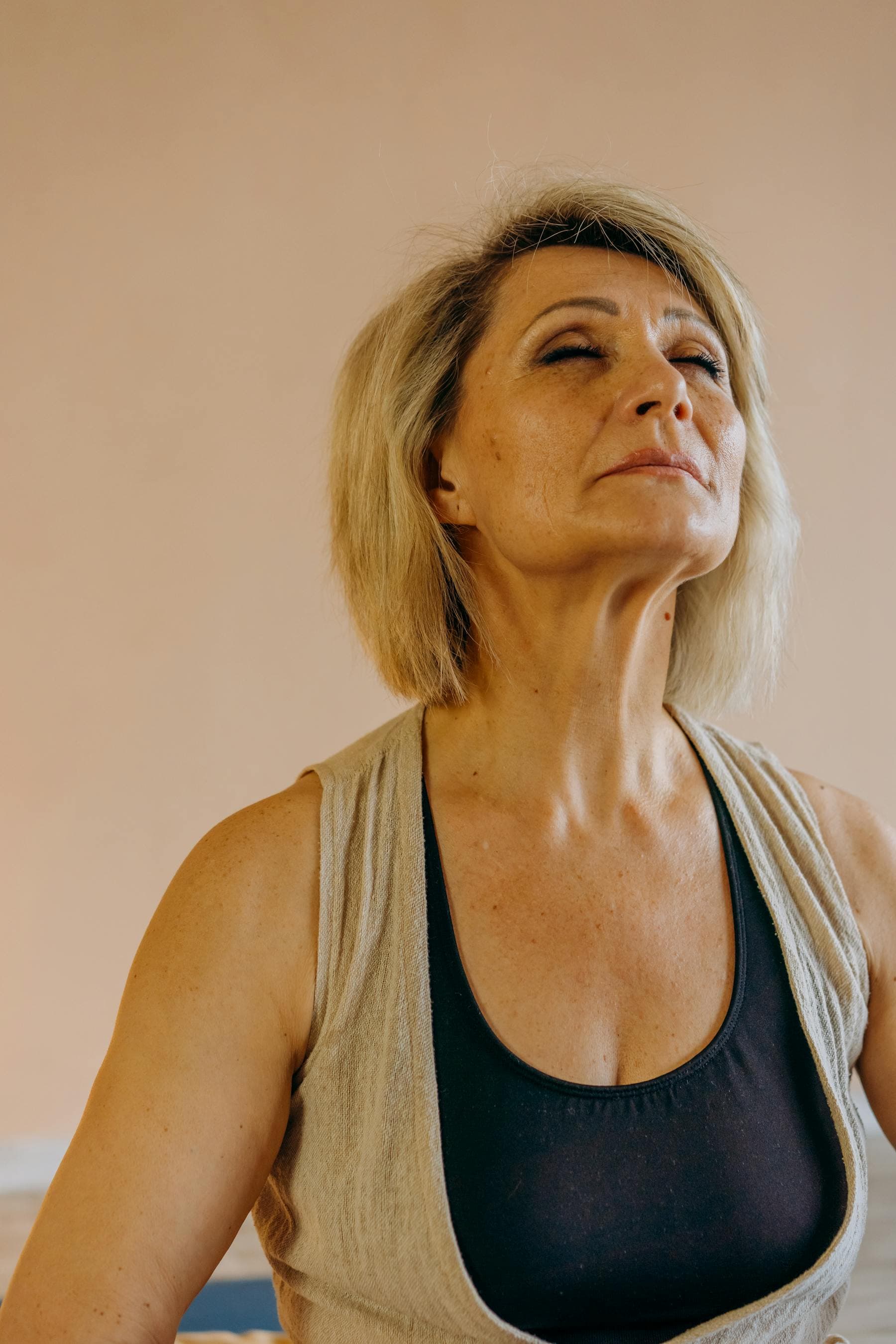
stress
7 Breathing Techniques That Lower Cortisol in 5 Minutes
Your breath is the fastest lever you have to shift your nervous system from fight-or-flight to rest-and-repair. Here are seven evidence-based methods.
Feb 10, 20256 minRead Article

Chronic stress doesn't just feel bad — it physically reshapes your body and accelerates visible aging through cortisol-driven inflammation.
You have probably noticed it — a period of intense work stress, and suddenly your face looks drawn, your waistline expands, and your skin loses its clarity. This is not your imagination. Chronic stress triggers a cascade of hormonal changes that physically reshape your body and accelerate the visible markers of aging. At the center of this cascade is cortisol, the hormone your adrenal glands produce in response to perceived threat.
Cortisol evolved to keep us alive during acute danger — it spikes blood sugar, sharpens focus, and suppresses non-essential functions like digestion and immune response. The problem is that modern stressors — financial pressure, work deadlines, social media anxiety — activate the same pathway continuously.
Research has repeatedly linked chronically elevated cortisol to greater visceral fat accumulation, independent of how many calories a person consumes.
Visceral fat is not ordinary fat. It wraps around your internal organs and behaves more like an endocrine organ itself, secreting inflammatory cytokines such as IL-6 and TNF-alpha. These molecules circulate systemically, breaking down collagen, impairing wound healing, and promoting insulin resistance. Research has also associated higher visceral fat stores with accelerated epigenetic aging — markers suggesting cells are biologically older than a person's chronological age.
Cortisol degrades collagen and elastin in the dermis, contributing to sagging and fine lines. It also impairs the skin barrier, increasing sensitivity and redness. Dermatologists have long observed what they informally call 'stress face' — the hollowed cheeks, dark circles, and dull complexion that accompany prolonged psychological strain. Dermatological research has linked elevated cortisol to reduced hyaluronic acid synthesis in skin cells.
Planning a trip around this? See dates at our quiet riverside hotel on the Thu Bồn. Check availability →
Chronic cortisol disrupts the gut microbiome, reducing populations of beneficial Lactobacillus and Bifidobacterium species while allowing inflammatory bacteria to proliferate. This gut dysbiosis has been linked to acne, rosacea, and eczema in multiple studies. The stress you carry internally literally surfaces on your skin.
Breaking this cycle requires more than positive thinking. It requires structural intervention — creating environments and routines that actively lower cortisol. Regular sleep of seven to nine hours, exposure to natural light in the morning, breathwork practices, and physical movement have all been shown to measurably reduce cortisol. Research on mindfulness-based stress reduction programs has likewise been associated with measurable changes in cortisol and inflammatory markers over an eight-week course.
At Nghe Prana, our wellness philosophy begins with this understanding: beauty and health are not separate goals. They are both downstream of the same source — a nervous system that has permission to rest. Our signature warm-oil full-body massage, Vietnamese herbal steam (xông hơi) with lemongrass, ginger, and turmeric, and sleep-optimized rooms are not luxuries. They are interventions in the cortisol cycle.
When you look younger after a week of genuine rest, it is not an illusion. It is your biology returning to its natural state — one that chronic stress has been hiding from you.
23 rooms on the quiet south bank of the Thu Bồn River, ten minutes by bicycle from the Ancient Town and a world from its noise.
Book your stayContinue at Nghê Prana
Ready to Sleep Better?
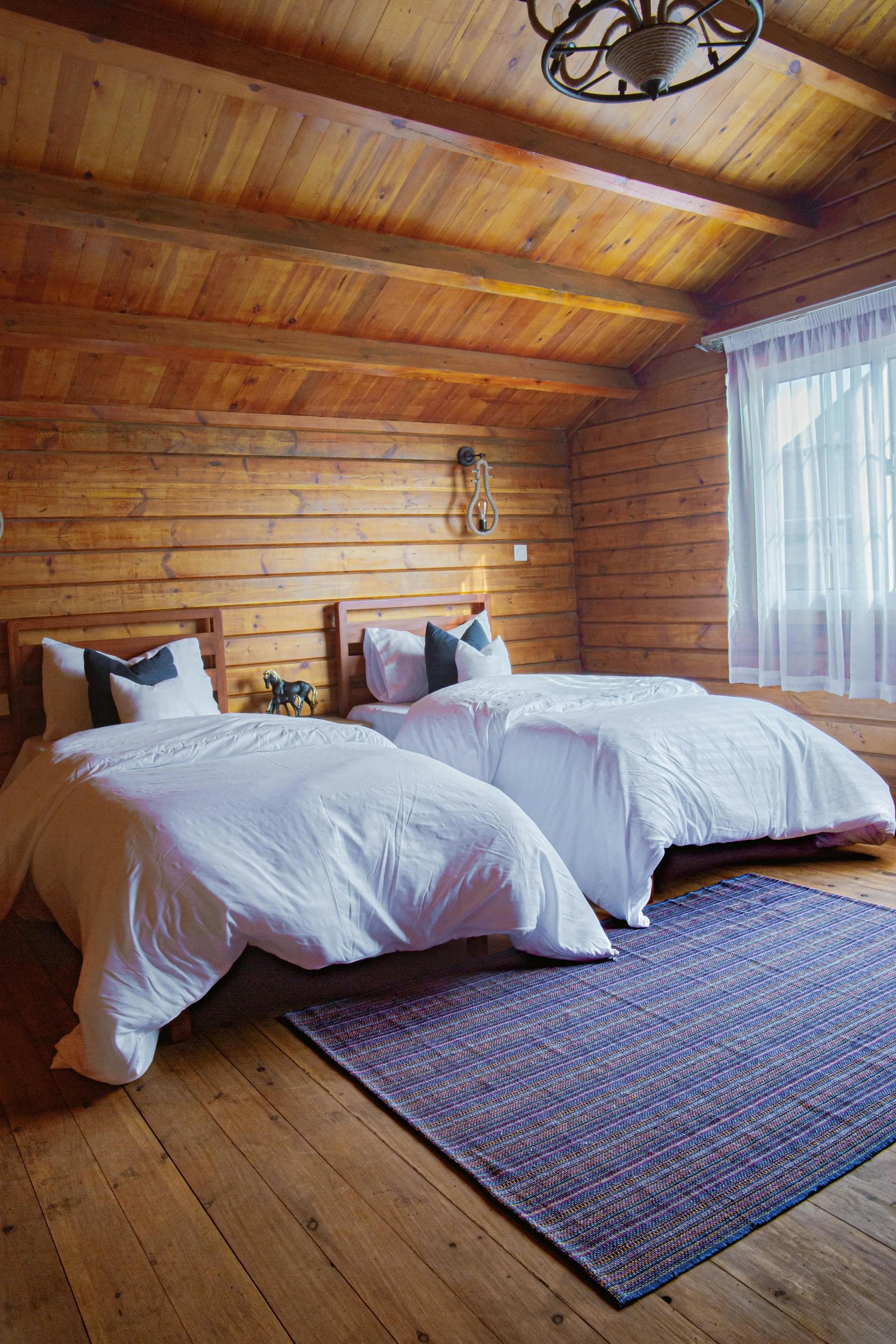
Every room at Nghê Prana is designed around the science of sleep. Blackout curtains, nightly aromatherapy turndown, and riverside quiet — experience what real rest feels like.
View Our RoomsYour Stay Awaits
Riverside hotel rooms on the Thu Bồn, ten minutes by bicycle from the Ancient Town. Whether it's one night between Hue and Da Nang or a full week of doing nothing — we kept your room quiet.
Free cancellation · Direct from the family who built the hotel
Save 15% booking directly via our website

 WhatsApp
 Zalo
Zalo