Every cell in your body runs on a clock. Not a metaphorical clock — a literal molecular oscillator made of proteins called CLOCK and BMAL1 that cycle roughly every 24 hours. This circadian system governs when you feel alert, when you feel sleepy, when your body temperature peaks, and when your hormones surge or retreat. When this clock is aligned with the external world, you feel energized during the day and drowsy at night. When it drifts — due to artificial light, irregular schedules, or jet lag — everything suffers.
Morning Light: Your Most Powerful Reset Button
The single most powerful zeitgeber (time-giver) for the human circadian system is light — specifically, bright light in the blue-enriched spectrum that reaches your retina in the morning. Specialized cells called intrinsically photosensitive retinal ganglion cells (ipRGCs) detect this light and send a signal directly to the suprachiasmatic nucleus (SCN) in the hypothalamus, your master clock.
Getting bright outdoor light within the first hour of waking helps advance the circadian phase, nudging the body toward earlier, easier sleep onset.
The timing matters more than the intensity, but both matter. Outdoor light — even on an overcast morning — delivers 10,000 to 100,000 lux, vastly more than indoor lighting at 200 to 500 lux. A 2014 study in the Journal of Clinical Sleep Medicine found that office workers with windows received 173 percent more white light during work hours and slept an average of 46 minutes more per night than those without window exposure. If you do one thing for your sleep after reading this article, make it a morning walk outdoors.
Evening Light: Where Modern Life Gets It Wrong
Screens, overhead LEDs, and bright bathroom lights after sunset suppress melatonin production by up to 50 percent, according to a 2011 study in the Journal of Clinical Endocrinology and Metabolism. Melatonin does not make you sleep directly — it signals to your body that darkness has arrived and sleep is now biologically appropriate. Suppressing it delays sleep onset and reduces time spent in REM sleep.
Building an Evening Wind-Down Ritual
Planning a trip around this? See dates at our quiet riverside hotel on the Thu Bồn. Check availability →
The solution is not to live by candlelight (though that helps). It is to create an evening wind-down ritual that progressively reduces light exposure and stimulation. Dim warm-toned lighting after 8 p.m. Switch devices to night mode — or better yet, put them away entirely.
A 2019 meta-analysis in Sleep Medicine Reviews found that a warm bath 1-2 hours before bed reduced sleep onset latency by an average of 10 minutes — by triggering vasodilation and mimicking the body's natural thermoregulatory signal for sleep.
How Nghe Prana Designs for Your Circadian Clock
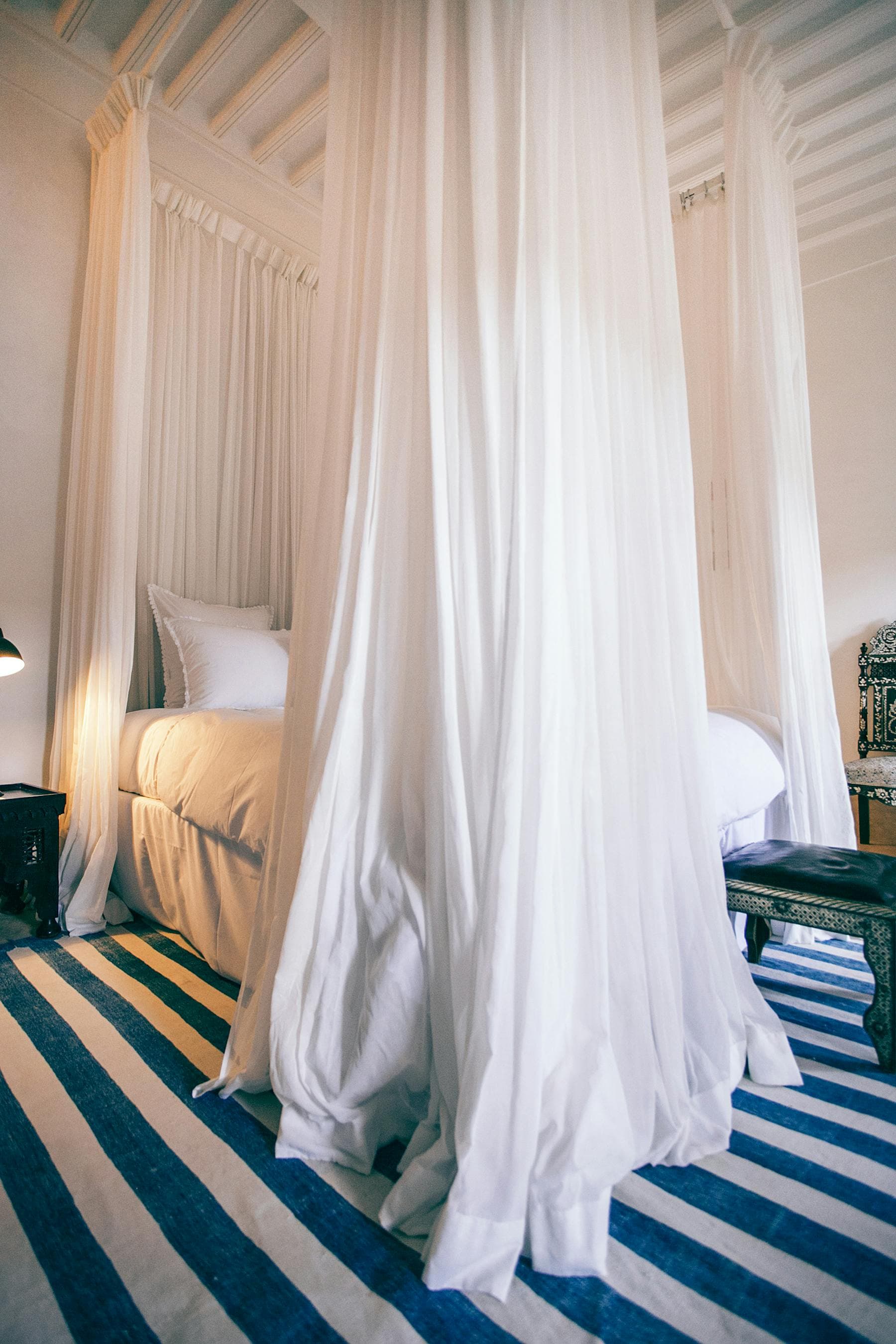
At Nghe Prana, our evening ritual begins at sunset. The common areas transition to warm amber lighting. Our turndown service includes a herbal sachet, dimmed room lighting, and an optional lemongrass foot soak. Guests on the wellness journey receive a guided wind-down protocol that incorporates gentle stretching, breathwork, and journaling. These are not arbitrary spa touches — they are circadian interventions.
Your circadian clock drifts by roughly 12 to 15 minutes each day without external cues. Morning sunlight pulls it back. Evening darkness holds it in place. Between these two anchors, your body can orchestrate the extraordinary symphony of hormones, enzymes, and neural signals that produce genuine, restorative sleep.
The ancient Vietnamese practice of rising with the sun and resting with the moon was not superstition. It was circadian science practiced intuitively for centuries.
Huberman AD, et al. (2019). Melanopsin-expressing retinal ganglion cells and circadian photoentrainment. Current Biology.
Boubekri M, Cheung IN, Reid KJ, Wang C-H, Zee PC (2014). Impact of windows and daylight exposure on overall health and sleep quality of office workers. Journal of Clinical Sleep Medicine. View source
Gooley JJ, Chamberlain K, Smith KA, et al. (2011). Exposure to room light before bedtime suppresses melatonin onset. Journal of Clinical Endocrinology and Metabolism.
Haghayegh S, Khoshnevis S, Smolensky MH, et al. (2019). Before-bedtime passive body heating by warm shower or bath to improve sleep: a systematic review and meta-analysis. Sleep Medicine Reviews. View source
Every room at Nghê Prana is designed around the science of sleep. Blackout curtains, nightly aromatherapy turndown, and riverside quiet — experience what real rest feels like.
Riverside hotel rooms on the Thu Bồn, ten minutes by bicycle from the Ancient Town. Whether it's one night between Hue and Da Nang or a full week of doing nothing — we kept your room quiet.
Free cancellation · Direct from the family who built the hotel
 WhatsApp
 Zalo
Zalo