Hidden Beach Hội An: nằm ở đâu, đi thế nào và mùa nào tắm được
Hidden Beach là một địa điểm cụ thể, không phải cách nói ví von — một đoạn bờ biển vắng giữa An Bàng và Cửa Đại, ở cuối kiệt 62 đường Lạc Long Quân. Cách tìm khi bảng hiệu đã không còn, giá gửi xe và ghế nằm, mùa tắm an toàn và năm bãi vắng khác.
Hidden Beach là một bãi biển có thật và cụ thể — không phải cách nói chung cho "một bãi vắng nào đó gần Hội An". Bãi nằm trên bờ biển Hội An, giữa An Bàng và Cửa Đại, cách An Bàng chừng 2 km về phía nam, ở cuối kiệt 62 đường Lạc Long Quân, thuộc phường Cẩm An cũ. Không cổng, không vé. Từ phố cổ khoảng 5 km: đạp xe 15–20 phút, xe máy 10–15 phút.
Hidden Beach nằm ở đâu và đi thế nào
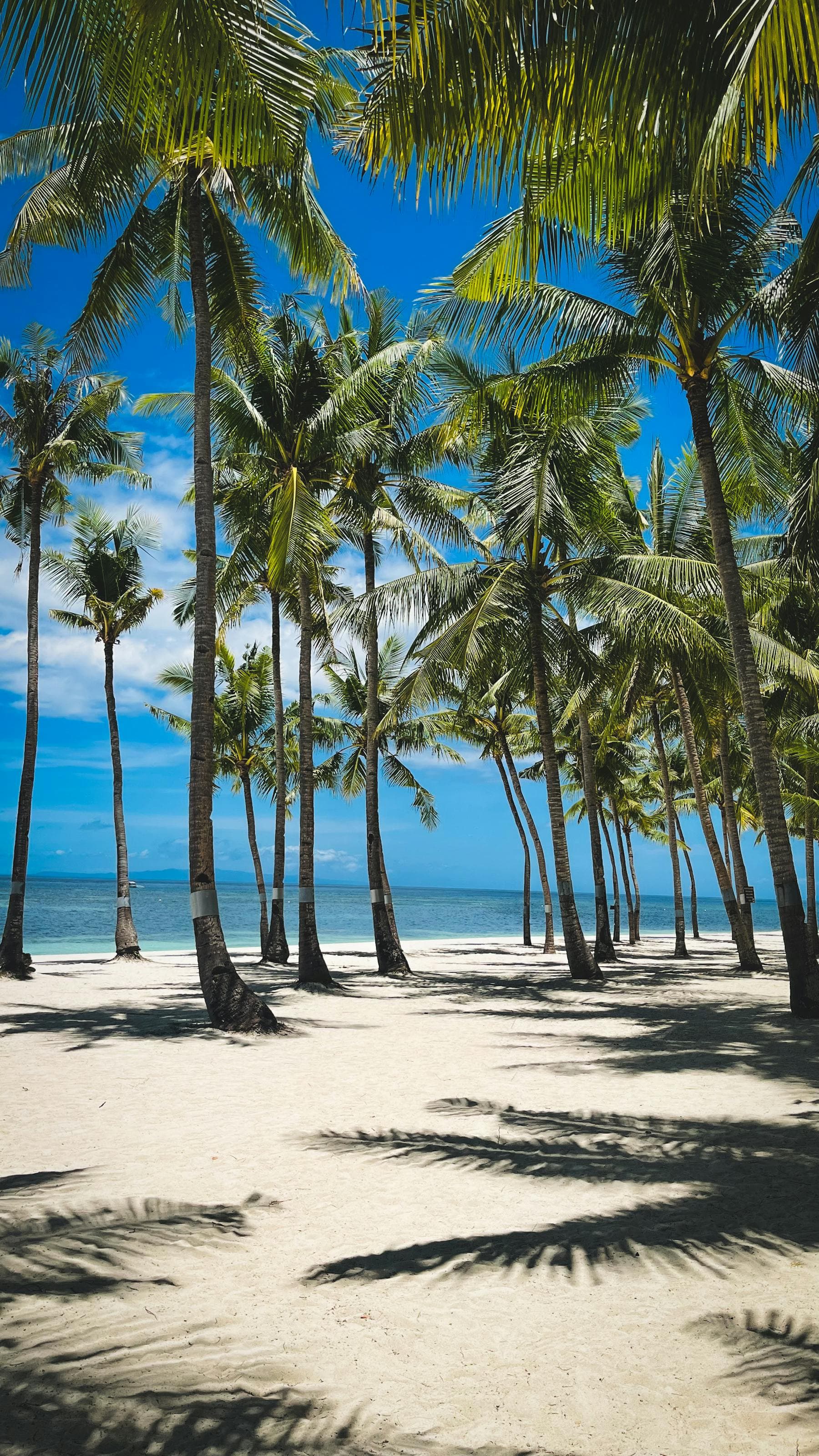
Cái tên giờ đúng hơn xưa. Tấm bảng vẽ tay "Hidden Beach" từng đánh dấu chỗ rẽ từ Lạc Long Quân đã không còn (goodmorning-hoian.com, 22/5/2025), nên phải tìm bãi theo hàng xóm của nó: con kiệt hẹp nằm cạnh bảng hiệu nhà hàng Tamarind (Cây Me) chính là kiệt 62, chạy chừng ba phút qua rừng phi lao và vài homestay rồi mở ra bãi cát. Dọc bờ biển này, thứ tự từ nam lên bắc là Cửa Đại, Thịnh Mỹ, Tân Thành, An Bàng (VnExpress, 12/4/2025); Hidden Beach nằm giữa Cửa Đại và Tân Thành — chạy xe 5 phút từ biển Cửa Đại lên, 6 phút từ An Bàng xuống (hiddenhoian.com, 20/6/2019). Cuối kiệt là mấy quán gia đình — Hidden Beach Restaurant mở 8h–22h, có nhà vệ sinh, vòi tắm và Wi-Fi, cùng Wild Beach và Sun Beach — và một dải cát nhạt dài, gần như trống, về cả hai phía. Mặt nước thoai thoải 30 m đầu rồi hụt sâu. Êm nhất từ tháng Ba đến tháng Tám; từ tháng Chín gió mùa đông bắc dựng sóng và dòng ngang kéo dài tới tháng Giêng, người địa phương ngừng tắm từ khoảng tháng Mười. Không có chốt cứu hộ; bãi có cờ và cứu hộ gần nhất là An Bàng.
Đường đi từ phố cổ có hai cách. Một là theo đường Cửa Đại ra biển rồi rẽ trái (hướng bắc) vào Lạc Long Quân — kiệt 62 ở bên phải trong vòng chừng 2 km, ngay sau bảng hiệu nhà hàng Tamarind. Hai là theo Hai Bà Trưng ra An Bàng, rẽ phải (hướng nam) vào Lạc Long Quân, kiệt ở bên trái sau khoảng 2 km. Cả hai đều chừng 5 km: đạp xe 15–20 phút, xe máy 10–15 phút. Gửi xe ở bãi nhỏ của các quán — miễn phí nếu ăn uống tại quán, nếu không thì 5.000₫ xe đạp, 5.000–10.000₫ xe máy (hoiandaytrip.com, 12/2024). Ghế nằm cũng vậy: miễn phí khi gọi món ở Hidden Beach Restaurant, không gọi thì 50.000₫/ngày; Wild Beach thu 30.000₫ nếu không gọi món (goodmorning-hoian.com, 22/5/2025). Đẹp nhất là trước 9 giờ sáng, khi bãi còn vắng.
Hidden Beach tóm tắt
Vị trí: cuối kiệt 62 Lạc Long Quân, phường Cẩm An cũ — giữa Cửa Đại (phía nam) và Tân Thành / An Bàng (phía bắc), cách An Bàng chừng 2 km về phía nam
Đường đi: khoảng 5 km từ phố cổ; đạp xe 15–20 phút, xe máy 10–15 phút
Vé vào: miễn phí, không vé. Gửi xe miễn phí nếu ăn ở quán trên bãi, nếu không 5.000–10.000₫
Ghế nằm: miễn phí khi gọi món ở Hidden Beach Restaurant, không gọi thì 50.000₫/ngày
Tiện ích: các quán ở cuối kiệt (Hidden Beach Restaurant 8h–22h, nhà vệ sinh, vòi tắm, Wi-Fi); không có cứu hộ
Tắm biển: êm nhất tháng 3–8; sóng và dòng ngang từ tháng 9 đến tháng 1
Giờ đẹp nhất: trước 9 giờ sáng, khi bãi còn vắng
Nguồn: hiddenhoian.com (20/6/2019), hoiandaytrip.com (12/2024), goodmorning-hoian.com (22/5/2025), VnExpress (12/4/2025); kiểm tra lại 11/9/2026
Năm bãi biển vắng khác gần Hội An
Đây là danh sách "đang dùng" của các hướng dẫn viên đạp xe và homestay tổ chức tour sáng từ Hội An. Không bãi nào trong số này thực sự "bí mật" theo nghĩa người địa phương không biết — đây là những bãi của dân địa phương. Chúng "vắng" với khách quốc tế chỉ vì các tour trọn gói, bộ lọc Booking.com và những điểm pin Instagram đều dồn về cùng một cây số ở An Bàng.
Bãi Hà My, 8 km bắc
Hà My là bãi công cộng tiếp theo về phía bắc An Bàng, ngay ranh giới Quảng Nam và Đà Nẵng. Nửa phía bắc giáp hai khu resort lớn; nửa phía nam — chừng 1,5 km — là bãi công cộng mở với ba hợp tác xã chài nhỏ. Sáng các ngày trong tuần, "giao thông" duy nhất là đoàn thuyền thúng đẩy ra lúc 5 giờ 30 và quay vào tầm 9 giờ. Cát trắng hơn An Bàng, sóng cũng sạch hơn. Có một quán cua-nghêu rất ngon đối diện lối vào phía nam — Quán Cô Lộc, một gia đình mở suốt 20 năm.
Hợp với: bơi đường dài mặt nước phẳng và bữa trưa hải sản. Tránh nửa phía bắc nếu không muốn bị rủ mua dịch vụ ghế phơi nắng resort.
Bãi Cửa Đại (đầu nam), 5 km về phía đông
Cửa Đại từng là bãi tắm chính của Hội An — cho đến khi xói lở những năm 2010 cuốn đi nhiều đoạn giữa. Đầu bắc giáp resort đã được tái thiết và đông; đầu nam, gần cửa sông Thu Bồn đổ ra biển, hoang sơ hơn. Doi cát đổi hình sau mỗi mùa mưa, dòng ngọt từ sông làm màu nước chuyển từ xanh sang nâu sang lục chỉ trong một tuần. Người địa phương đánh cá, đào nghêu lúc thuỷ triều xuống, đi bộ trên doi cát ra cửa sông. Không còn là bãi bưu thiếp năm 2010 — giờ thú vị hơn.
Hợp với: đi bộ ngắm hoàng hôn dài; không phải lúc nào cũng tốt để tắm vì dòng cửa sông. Hỏi người địa phương trước khi xuống nước.
Bãi Tân Thành, giữa An Bàng và Hidden Beach
Dải cát ngay phía nam An Bàng, nơi phố đi bộ và beach club của An Bàng kết thúc — bãi có tên tiếp theo trên bờ biển này trước khi tới Hidden Beach và Cửa Đại (thứ tự từ nam lên bắc: Cửa Đại, Thịnh Mỹ, Tân Thành, An Bàng). Không có lối vào đánh dấu: cứ đi bộ trên cát về phía nam từ An Bàng chừng mười phút là thưa người. Vài quán hải sản đơn sơ của các gia đình địa phương, ít ghế nằm, và sáng cuối tuần có chợ phiên làng chài Tân Thành họp ngay trên bãi.
Hợp với: nửa ngày yên tĩnh sát kề tiện nghi An Bàng. Bạn có thể tắm ở đây, đi bộ về An Bàng ăn trưa rồi quay lại.
Bãi Biển Rạng, 12 km bắc
Biển Rạng — đặt tên theo dãy đá lởm chởm ngoài khơi lộ ra khi triều xuống — là bãi vắng cuối cùng trước khi đụng dải resort chính của Đà Nẵng. Khoảng 800 m cát nhạt, hai vách đá hai đầu, một mạch nước ngọt phun lên qua cát khi triều xuống mà người địa phương tin có công năng chữa bệnh. Hầu như không có khách nước ngoài; cuối tuần có gia đình Đà Nẵng ra picnic. Một quán hải sản mở hàng ngày, một quán nữa chỉ mở cuối tuần.
Đang lên kế hoạch cho chuyến đi? Xem ngày trống tại khách sạn yên tĩnh bên sông Thu Bồn của chúng tôi. Kiểm tra phòng trống →
Hợp với: chuyến xe máy đi-về trong ngày từ Hội An. Khoảng 35 phút mỗi chiều; có thể kết hợp ghé Ngũ Hành Sơn lúc về.
Bãi Làng (Cù Lao Chàm)
Cù Lao Chàm cách cảng Cửa Đại 15 km và là khu bảo tồn biển từ năm 2003. Bãi Làng là bãi nhỏ trước làng; Bãi Chồng, ở mặt sau đảo chính, là chỗ tắm vắng hơn. Tầm nhìn dưới nước 8–15 m từ tháng Tư đến tháng Tám, độ phủ san hô vào loại tốt nhất bờ biển miền Trung, và toàn quần đảo đóng cửa từ tháng Mười đến tháng Ba do gió mùa đông bắc. Tàu cao tốc sáng từ Cửa Đại đi 25 phút; tàu gỗ chậm đi 90 phút.
Hợp với: lặn ngắm san hô, đi bộ thong thả trên đảo, hải sản tươi tại làng. Đóng cửa tháng Mười Một đến tháng Hai.
Câu trả lời thật cho "bãi nào đẹp nhất Hội An": An Bàng cho tiện nghi và quán hoàng hôn, Hidden Beach cho buổi sáng tắm sớm, Bãi Chồng ở Cù Lao Chàm cho làn nước trong nhất năm. Đúng bãi tuỳ theo tháng và thứ bạn muốn từ một ngày.
"Vắng" thực sự nghĩa là gì trên bờ biển này
Miền Trung có một dải cát dài chừng 200 km chạy từ Lăng Cô ở phía bắc xuống tới qua ranh giới Quảng Ngãi. Cát giống nhau, nước giống nhau, sóng trong bán kính 50 km cùng một ngày cũng tương đương. Các bãi "vắng" gần Hội An không có nước đẹp hơn An Bàng — chúng chỉ vắng người hơn. Hiểu điều đó rồi, chọn bãi trở thành câu hỏi về độ chịu đông và khoảng cách, chứ không phải bãi nào có đầm xanh bí mật (không có thứ đó trên bờ biển này).
Thuỷ triều, mùa và an toàn khi bơi
Bờ biển miền Trung có biên độ thuỷ triều khoảng 1,0 m — khiêm tốn. Biến số lớn hơn là gió mùa. Từ tháng Chín đến tháng Một, gió mùa đông bắc đem theo sóng cao 1,5–3,0 m, dòng chảy ngang mạnh và cảnh báo liên tục. Bãi không đóng cửa chính thức, nhưng người địa phương ngừng tắm và thuyền thúng ngừng ra khơi. Từ tháng Hai đến tháng Tám sóng dịu, nước trong (tháng Tư đến tháng Bảy là cửa sổ tầm nhìn tốt nhất), và đa số ngày an toàn cho người tắm bình thường.
Ba quy tắc cứu hộ Hội An nhắc lại mỗi mùa: không bao giờ tắm một mình sau 5 giờ chiều (dòng rút mạnh lên về tối), không bơi quá 30 m mà không có phao (thềm cát hụt sâu ở hầu hết các bãi này), và khi cờ đỏ kéo lên ở An Bàng thì cùng điều kiện ấy áp cho mọi bãi không có cứu hộ trong bán kính 20 km — lá cờ là thứ gần nhất với một cảnh báo cấp vùng.
Các bãi này gắn với một kỳ ở Hội An như thế nào
Nếu bạn ở trong hoặc gần Phố Cổ, mọi bãi trong danh sách đều có thể đến bằng xe đạp (1–4 tiếng đi-về) hoặc một chặng xe máy ngắn (15–35 phút). Mô hình hiệu quả nhất mà phần lớn khách lưu trú nhiều ngày chọn: Phố Cổ buổi sáng, biển buổi chiều, Phố Cổ lại vào giờ đèn lồng. Bạn không cần chọn giữa Hội An và biển — phố và biển chỉ cách nhau bốn cây số, và đã thế từ khi ngư dân Chăm kéo thuyền lên bờ này hồi thế kỷ thứ 8.
Mang theo nước, kem chống nắng thân thiện rạn san hô nếu đi Cù Lao Chàm, và tiền mặt mệnh giá nhỏ — quán hải sản ở mọi bãi trong danh sách chỉ nhận tiền mặt, thường là tờ 50.000 và 100.000 đồng.
Báo Quảng Nam (2024). Bờ biển Hội An sẽ hết sạt lở?. Báo Quảng Nam điện tử. View source
Báo Quảng Nam (2025). Top 16+ bãi biển đẹp nhất Quảng Nam để đi du lịch hè. Báo Quảng Nam — Du lịch. View source
Báo Quảng Nam (2024). Biển Tam Tiến — điểm đến thú vị mùa hè. Báo Quảng Nam điện tử. View source
Báo Quảng Nam (2024). Bãi biển Hà My: Kinh nghiệm du lịch Quảng Nam từ A–Z. Báo Quảng Nam điện tử. View source
Báo Đà Nẵng (2025). "Phố Tây" nơi làng biển. Báo Đà Nẵng điện tử. View source
Ủy ban Thường vụ Quốc hội (2025). Nghị quyết 1659/NQ-UBTVQH15 về sắp xếp đơn vị hành chính cấp xã thành phố Hội An (sáp nhập Cẩm An, Cửa Đại, Cẩm Thanh thành phường Hội An Đông). Công báo Nghị quyết — UBTVQH khóa XV.
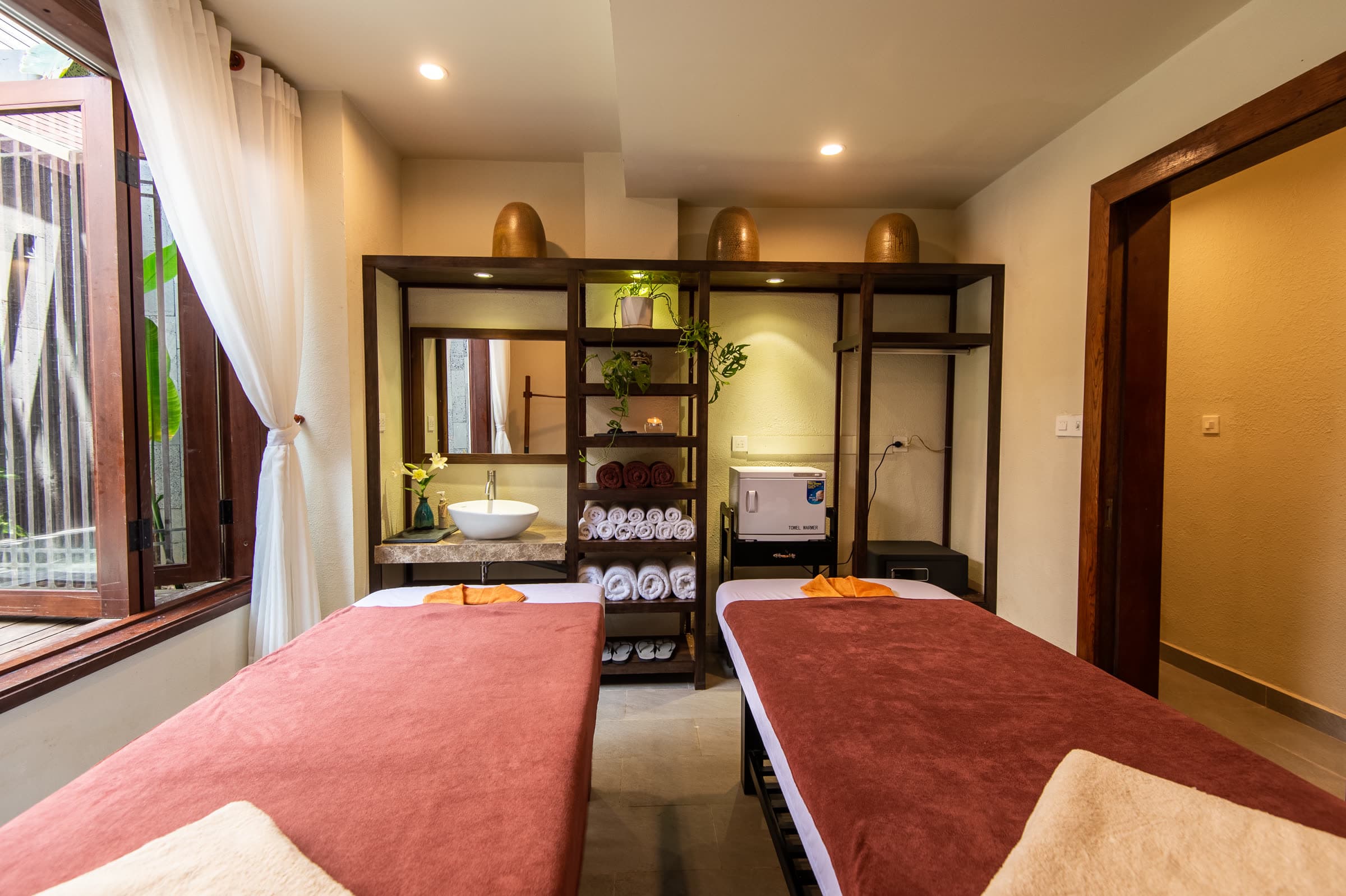
Every room at Nghê Prana is designed around the science of sleep. Blackout curtains, nightly aromatherapy turndown, and riverside quiet — experience what real rest feels like.
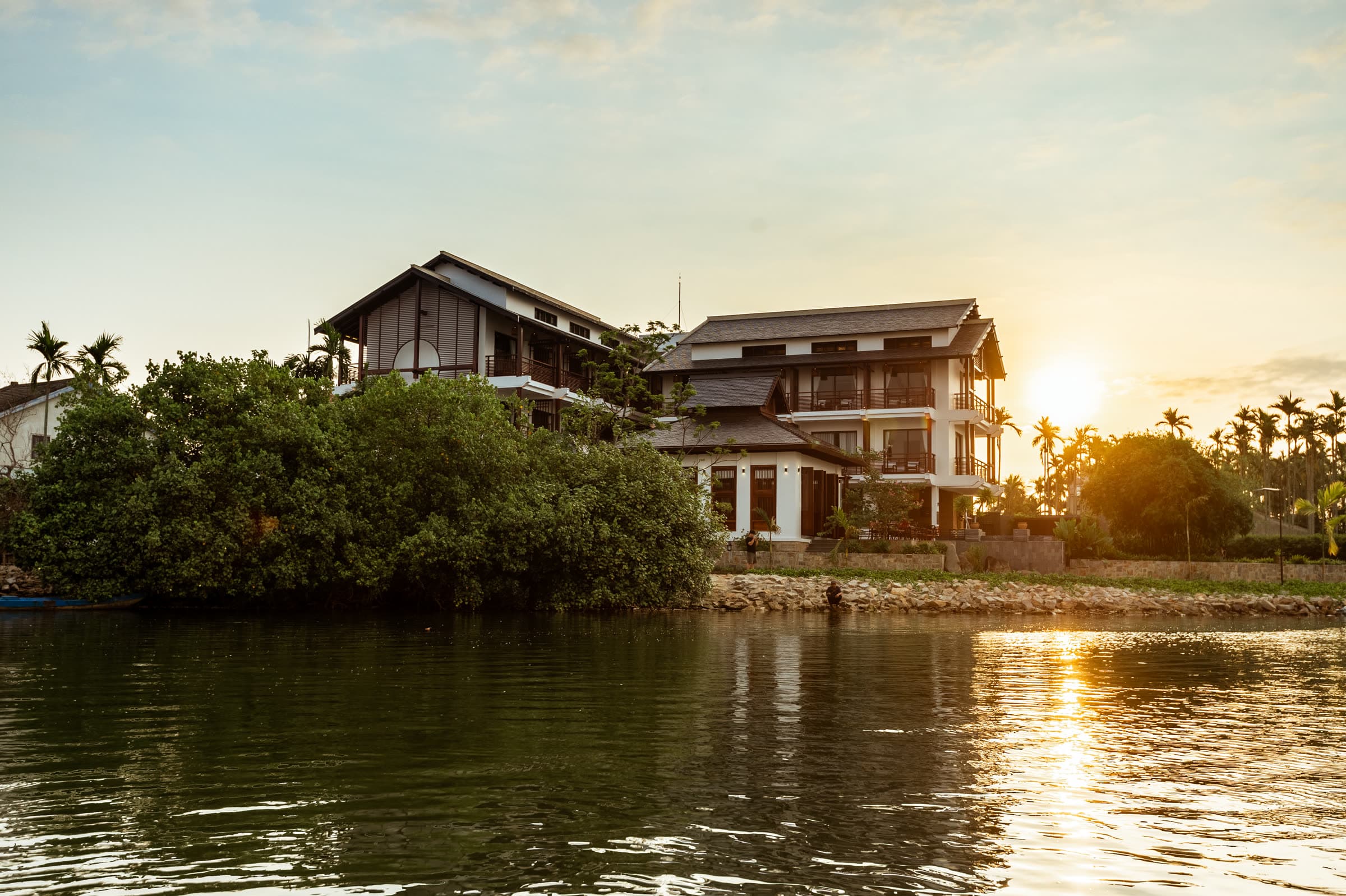
Phòng bên sông, mười phút đạp xe ra phố cổ. Dù là một đêm dừng chân giữa Huế và Đà Nẵng, hay cả tuần thả mình không lịch trình — phòng của bạn vẫn yên tĩnh.
Miễn phí huỷ · Đặt trực tiếp với gia đình điều hành khách sạn

 WhatsApp
 Zalo
Zalo