Vietnam's three regions — north, central, and south — are not three versions of the same country. Each has a different climate, a different culinary tradition, and a different historical arc. For a first trip, the honest answer is: pick the region whose character matches your travel style, or visit all three and let the contrast be the point.
The north-versus-south framing is a leftover of Cold War geography. Inside Vietnam, it's a much older story — the Việt heartland was the Red River Delta in the north, the Cham kingdoms held the centre for over a thousand years, and the Mekong Delta in the south was settled comparatively late. That is why the food, the language inflection, and even the family-house architecture differ as you move down the coast. None of it is competing.
North Vietnam: the old soul
Anchor: Hanoi. Capital of Vietnam since 1010 (under the Lý dynasty), seat of the country's literary and political class for most of its history. The north is where Vietnamese identity has its longest continuous record — the Temple of Literature in Hanoi, founded in 1070, houses the Imperial Academy (Quốc Tử Giám), established in 1076 as the country's first university.
Climate: subtropical, with a real winter. Hanoi's average January temperature is around 16–17°C, occasionally dropping below 10°C; July and August average highs run 32–34°C with high humidity. The city sees about 1,832 mm of rainfall annually, concentrated in the June–September monsoon, with August the wettest month at roughly 338 mm.
Food character: phở (the noodle soup originated in the north, in Nam Định province, in the late 19th or early 20th century), bún chả (grilled pork over noodles), chả cá (turmeric-marinated fish), bánh cuốn (steamed rice rolls). Northern cooking is restrained — less sugar, fewer chillies, more emphasis on broth clarity and fresh herbs.
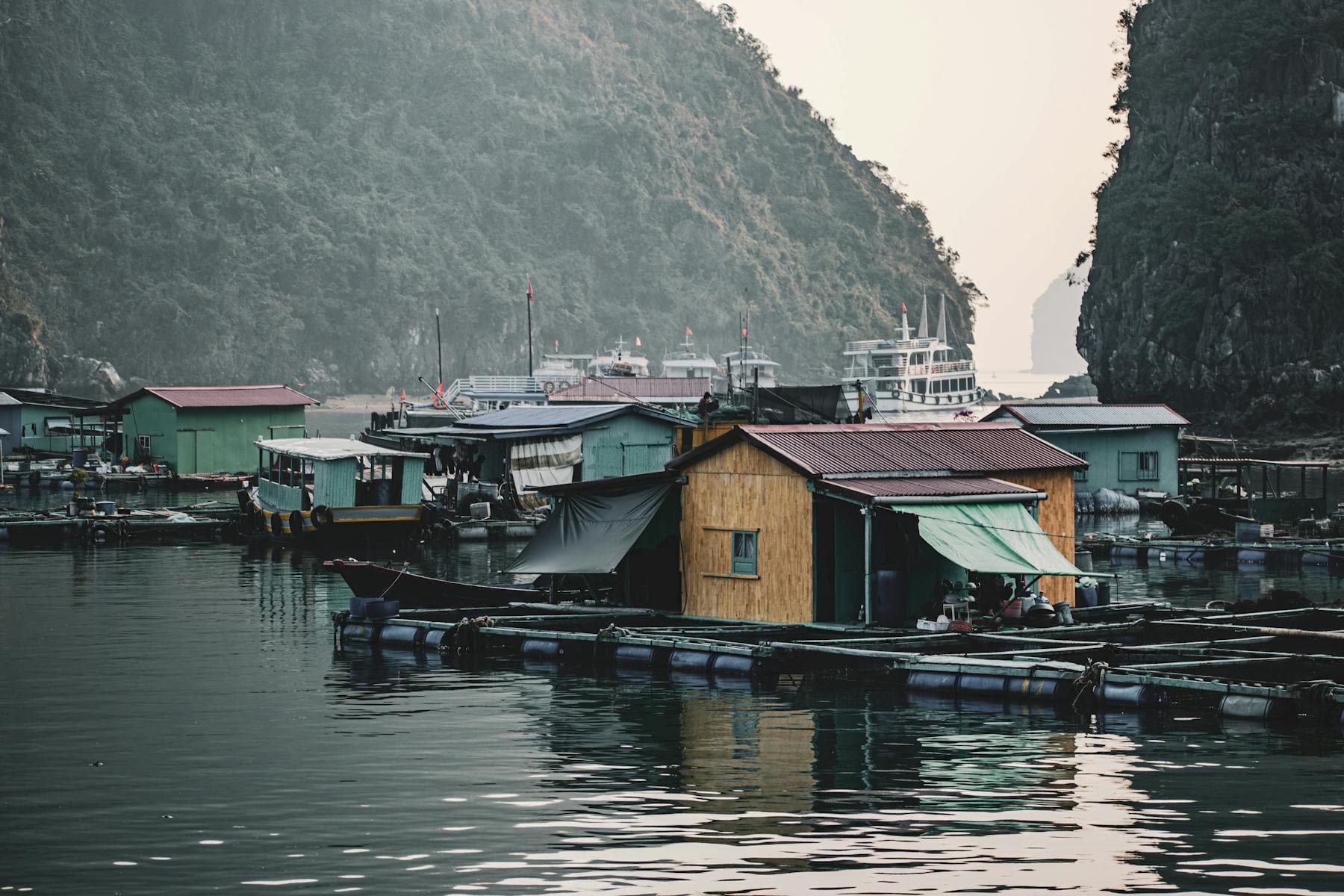
Landscape: limestone karsts (Halong Bay, Ninh Bình's Tràng An, a UNESCO mixed cultural-natural site), terraced rice in the highlands (Sa Pa, Mù Cang Chải, Hà Giang), the Red River Delta floodplain.
Best for: travellers who like history-dense capitals, mountain hiking, and a real seasonal calendar. The north rewards visitors who walk slowly through the Old Quarter and can sit through a long lunch.
Central Vietnam: the slow middle
Anchor: Hội An, with Đà Nẵng as its modern coastal counterpart and Huế to the north. Central Vietnam was the Cham kingdom's territory for most of the first millennium, then the Nguyễn lords' base from the 17th century, then the imperial capital under the Nguyễn dynasty (1802–1945) at Huế. The Imperial City of Huế has been a UNESCO World Heritage Site since 1993; Hội An's Old Town since 1999.
Climate: this is the asterisk you have to read. Central Vietnam's wet season runs roughly September to December, with October and November the peak typhoon months along the coast. February to August is reliably dry and warm, with beach swimmability from late February through August. We wrote a full piece on Hội An flood zones in October–November for travellers booking in those months.
Food character: bún bò Huế (the chili-and-lemongrass beef noodle soup, an imperial dish), cao lầu (Hội An's noodle, made only with water from a specific local well), mì Quảng (turmeric-yellow noodles with shrimp, pork, and herbs), bánh xèo (the rice-flour pancake). Central cooking carries the imperial court's love of complexity — more spice, more presentation, smaller portions, more dishes.
Landscape: long beaches, the Hai Van Pass between Huế and Đà Nẵng, the Marble Mountains, the Thu Bồn River system, and just up the coast at Phong Nha–Kẻ Bàng, the world's largest cave by volume, Hang Sơn Đoòng.
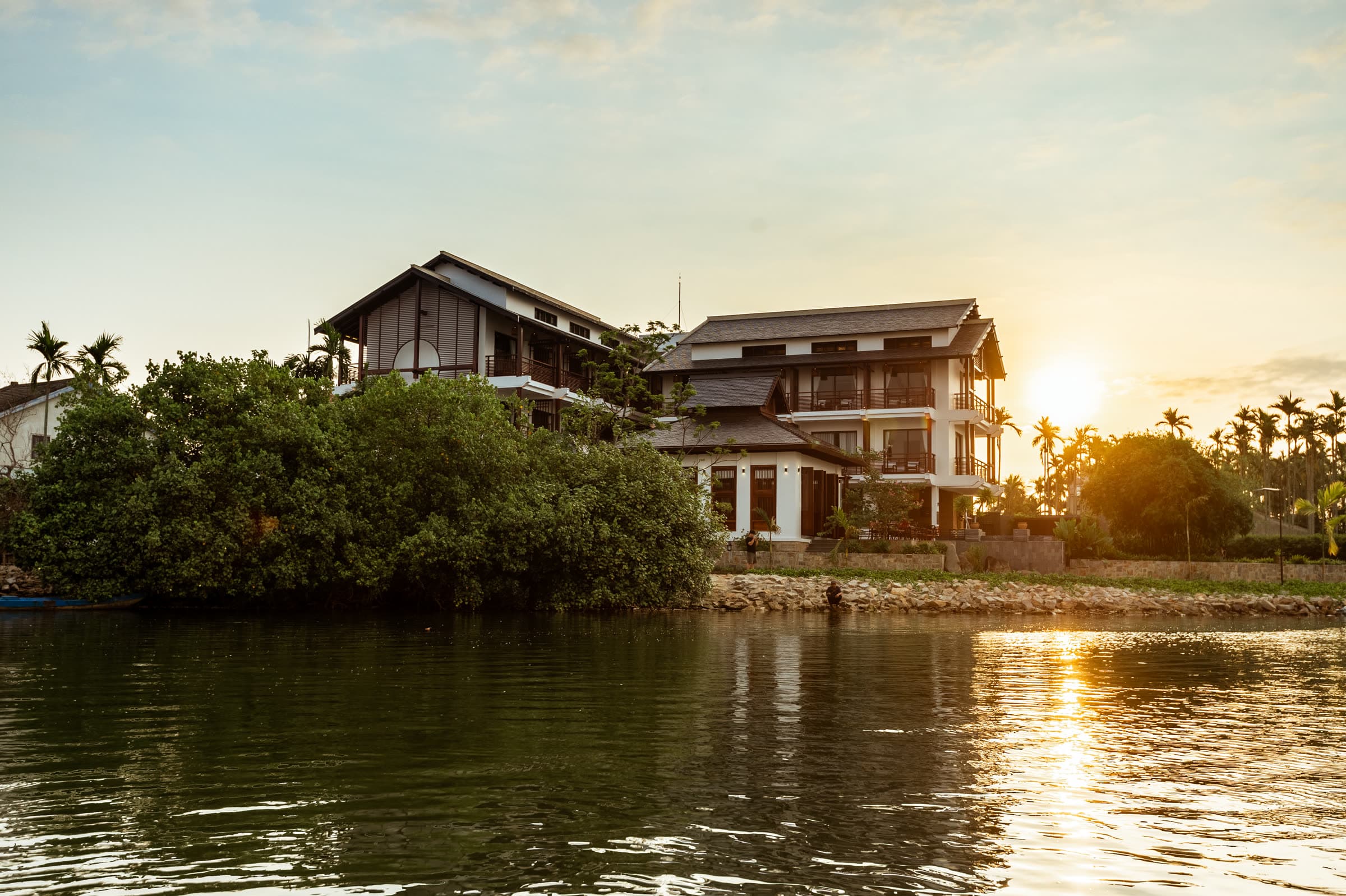
Best for: travellers who want one place rather than a route. Central Vietnam, and Hội An especially, is structurally slower — short distances, walkable scale, a river that anchors daily rhythm. We base our riverside hotel in Hội An here for exactly this reason.
South Vietnam: the fast city, the slow delta
Anchor: Hồ Chí Minh City (Saigon), with the Mekong Delta as its rural counterweight. The south was integrated into the Vietnamese state latest — the Mekong Delta was historically Khmer, and only became Vietnamese-majority through 17th and 18th-century settlement. Saigon as a French colonial city took shape in the late 19th century; the Reunification Palace and the Notre-Dame Basilica are from that era.
Climate: tropical with a sharp wet/dry split. Saigon's dry season runs December to April; the wet season May to November, with September averaging 321 mm of rainfall — the wettest month. Average daily temperatures sit around 28°C year-round; there is no winter.
Food character: hủ tiếu (the rice-noodle soup with a clear, sweet broth, pork, and seafood — distinctly southern), bánh mì (the colonial-era baguette adapted into Vietnam's most-exported sandwich), cơm tấm (broken-rice plates), gỏi cuốn (fresh spring rolls). Southern cooking leans sweet, uses more coconut milk, and incorporates Khmer and Chinese-Cantonese influence.
Planning a trip around this? See dates at our quiet riverside hotel on the Thu Bồn. Check availability →
Landscape: the Mekong Delta — nine river mouths, floating markets, fruit orchards — plus the southern beaches (Phú Quốc, Côn Đảo) and the highland counterweight at Đà Lạt, a hill station at 1,500 m elevation with a year-round temperate climate.
Best for: travellers who like big-city energy, want hot weather guaranteed, or have a Mekong-specific interest. Saigon is also the easiest entry point for first-time Southeast Asia travellers — wider streets, more English signage, more international food.
How Tết changes everything
Tết Nguyên Đán — the Lunar New Year — is the single most important date in the Vietnamese calendar. In 2027, Tết falls on Saturday, 6 February, with the official public holiday running 3–11 February.
The week before Tết, cities feel feverish — flower markets, gift-giving, family travel — and from Tết day itself through the following 3–5 days, much of the country closes. Family-run restaurants shut, museums and many shops close, train and flight tickets sell out months ahead. It's a beautiful time to witness if you have a Vietnamese friend or hotel host who can include you, but a difficult one for sightseeing-heavy itineraries. If your trip falls in early February 2027, plan around Tết, not through it.
Which region first?
If you have 7 days: pick one region. Central Vietnam — Đà Nẵng airport in, Hội An base, Huế day trip — gives you the most variety in the smallest distance.
If you have 10 days: pick two, with a strong preference for north + central or central + south. North-to-south overland is rewarding but eats time.
If you have 14+ days: all three, with central as the slow middle so you arrive in Saigon rested rather than wrung out. Read our 10-day first-timer's itinerary for the framework, then add days to whichever region pulls you.
What no-one tells you on the first trip
Vietnamese cities work on relational time. Restaurants you love are recommended by your hotel because someone there knows the family that runs them. Tailors, cooking classes, drivers — the same. The "Western review site" instinct (TripAdvisor, Booking.com filters) is a poor map for a country whose hospitality runs through trust networks. Ask your host. Ask the same question to two hosts. The overlap is your answer.
The country is not a competition between three regions. It's one country with three rhythms. Whichever you start with, leave room to come back.
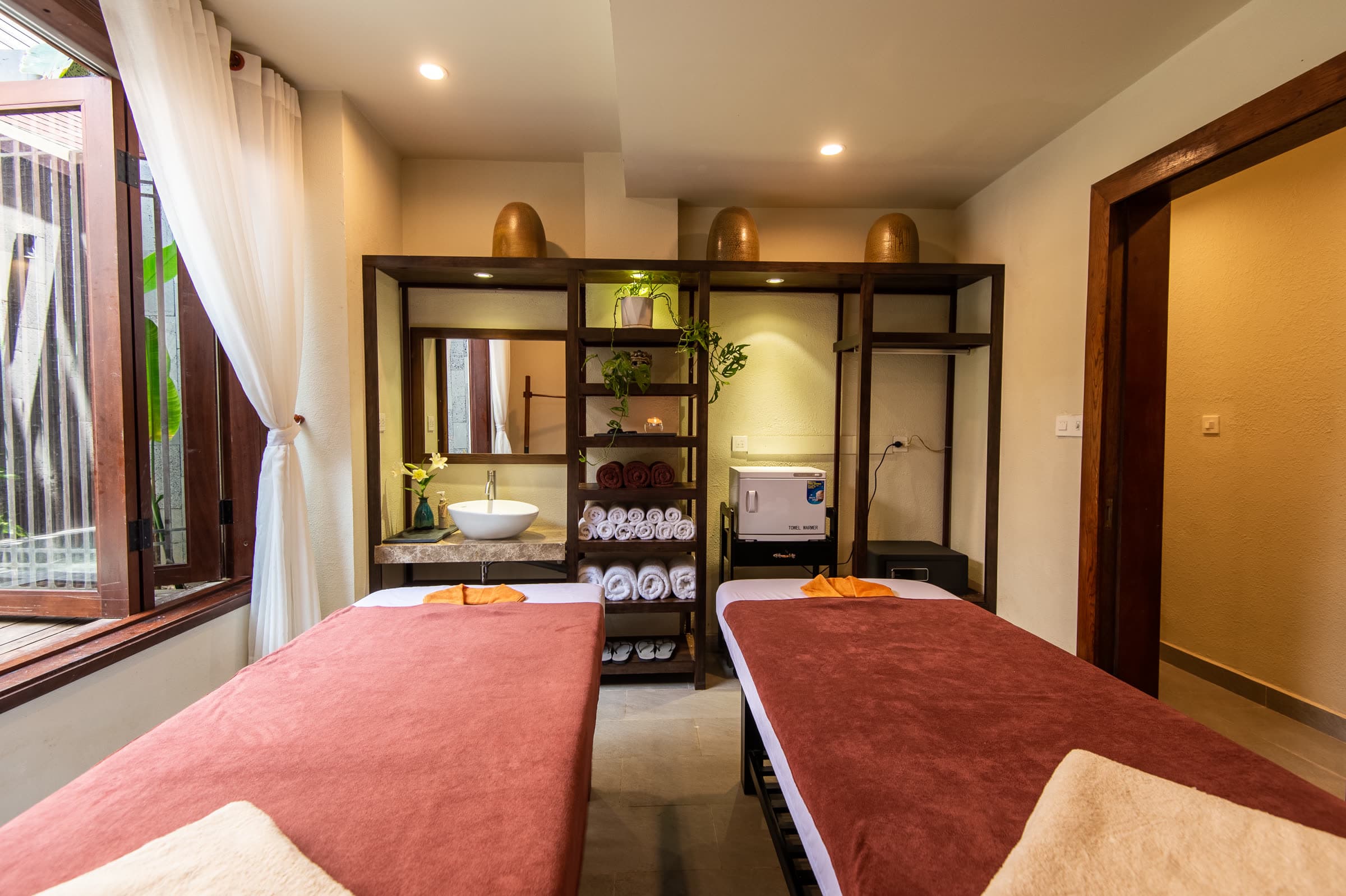
Every room at Nghê Prana is designed around the science of sleep. Blackout curtains, nightly aromatherapy turndown, and riverside quiet — experience what real rest feels like.
Riverside hotel rooms on the Thu Bồn, ten minutes by bicycle from the Ancient Town. Whether it's one night between Hue and Da Nang or a full week of doing nothing — we kept your room quiet.
Free cancellation · Direct from the family who built the hotel

 WhatsApp
 Zalo
Zalo