When to Visit Vietnam — A Region-by-Region 12-Month Calendar
The best time to visit Vietnam depends on the region. A month-by-month calendar of rainfall, temperature, festivals, and what's in season — north, central, south.
The best time to visit Vietnam depends entirely on which Vietnam. The country spans 15 degrees of latitude and three distinct climate zones, so the same month that's perfect for the north can be the worst on the central coast. The short answer: February to April is the only window when all three regions are pleasant simultaneously. The longer answer is below, month by month.
All temperature and rainfall figures are 30-year averages from Climates to Travel and Open-Meteo historical reanalysis, cross-referenced with the Vietnam Meteorological and Hydrological Administration (VNMHA). Treat them as climatology — typical, not guaranteed. Tropical weather varies year on year.
How to read this calendar
Vietnam has three climate zones: the north (Hanoi, Halong Bay, Sa Pa) with a real four-season pattern; the central coast (Huế, Đà Nẵng, Hội An) with a wet season concentrated in autumn; and the south (Hồ Chí Minh City, the Mekong, Phú Quốc) with a tropical wet/dry split. Major festivals follow the lunar calendar, so Gregorian dates shift each year — the upcoming 2026 and 2027 dates are spelled out below.
January
North: cool and dry. Hanoi averages 16–17°C, occasionally below 10°C. Sa Pa can dip near freezing with mist. Pack layers.
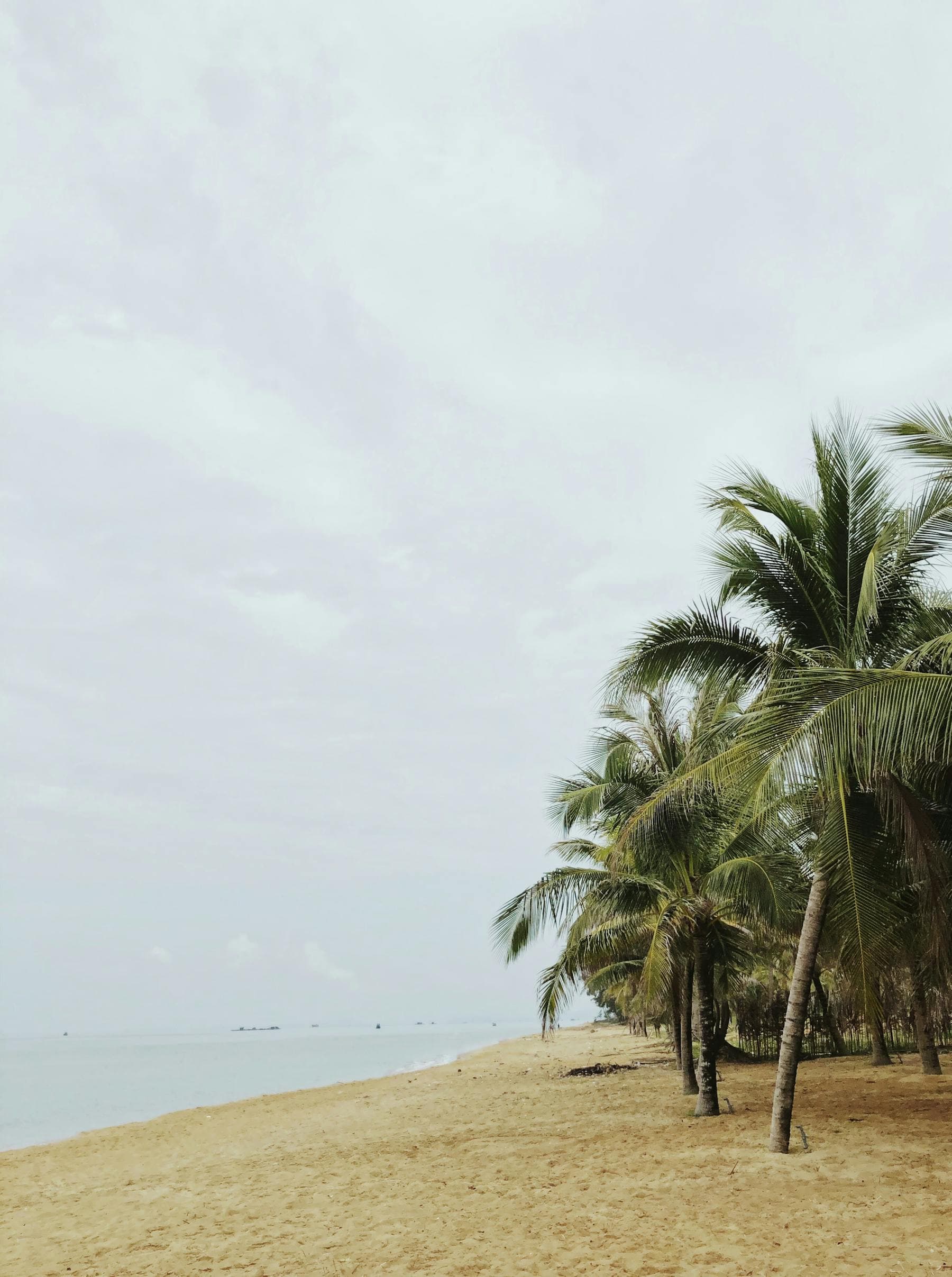
Central: warm and mostly dry. Hội An averages 22°C. Beach swimmable but cool; sea is around 22–23°C.
South: peak dry season. Saigon averages 27°C, near-zero rainfall. Mekong, Phú Quốc, Côn Đảo all at their best.
Festivals: late January often runs into Tết preparations.
February
North: still cool. The lunar new year energy is everywhere; if Tết falls in February (in 2027, Tết is 6 February), expect crowds before, closures during, and quieter weeks after.
Central: dry, warming. Hội An averages 23°C — comfortable for walking, sea around 23°C. The Old Town is at its photogenic peak after Tết.
South: dry and hot, around 28°C average. Lowest rainfall month for Saigon — around 12 mm.
Festivals: Tết Nguyên Đán (6 Feb 2027); the official holiday runs 3–11 Feb. Plan around it, not through it.
March
North: warming, still mostly dry. Hanoi averages 20°C. Cherry-blossom season for the few hill stations that grow them; spring blossoms across the highlands.
Central: arguably the start of central Vietnam's best window. Hội An hits 25°C, dry, sea warming to 24°C. Long, even days.
South: still dry, getting hotter. Saigon averages 28–29°C, climbing.
April
North: lovely. Average 23°C, low rain. Halong Bay calm, Sa Pa green.
Central: hot, dry, beach-ready. Hội An averages 27°C, sea 26°C. Lantern Festival on the 14th of each lunar month — book the Old Town ahead.
South: pre-monsoon swelter. Saigon hits 33–35°C daytime; humidity climbs. Last clear month before the rains.
Festivals: Hùng Kings' Commemoration Day on the 10th day of the 3rd lunar month — 16 April 2027, a national public holiday.
May
North: hot, humid, occasional storms. Hanoi averages 28°C, with rainfall climbing.
Central: hot but still dry. Hội An averages 30°C; the sea is at its warmest, around 28°C. The whole Thu Bồn river system is active.
South: monsoon begins. Saigon afternoons bring heavy short showers; mornings are clear.
Festivals: Vesak (Buddha's Birthday). In 2026, the celebration runs 24–31 May, centred on the full moon of the 4th lunar month.
June
North: the start of monsoon. Hanoi sees 250+ mm of rain, daytime highs near 33°C, oppressive humidity.
Central: hot and dry. Best beach month — Hội An averages 30°C, sea 28°C, low rain. Strong domestic tourism, so Old Town gets busy.
South: full wet season. Daily afternoon storms, but mornings often bright.
July
North: peak heat and rain. Hanoi 33–34°C with frequent storms. Sa Pa is cooler but cloudy.
Central: still dry, still hot. Hội An steady around 30°C. Light sleepers should read our note on AC and curtains.
South: rainy. Tropical-storm season opens.
August
North: wettest month for Hanoi — around 338 mm. Halong Bay tours occasionally cancel for weather.
Central: warm and increasingly humid. Late August, the first storm bands sometimes brush the coast.
South: still wet. Mekong rises; the floating markets are at their busiest in late summer, when the high water lifts the whole flooded landscape.
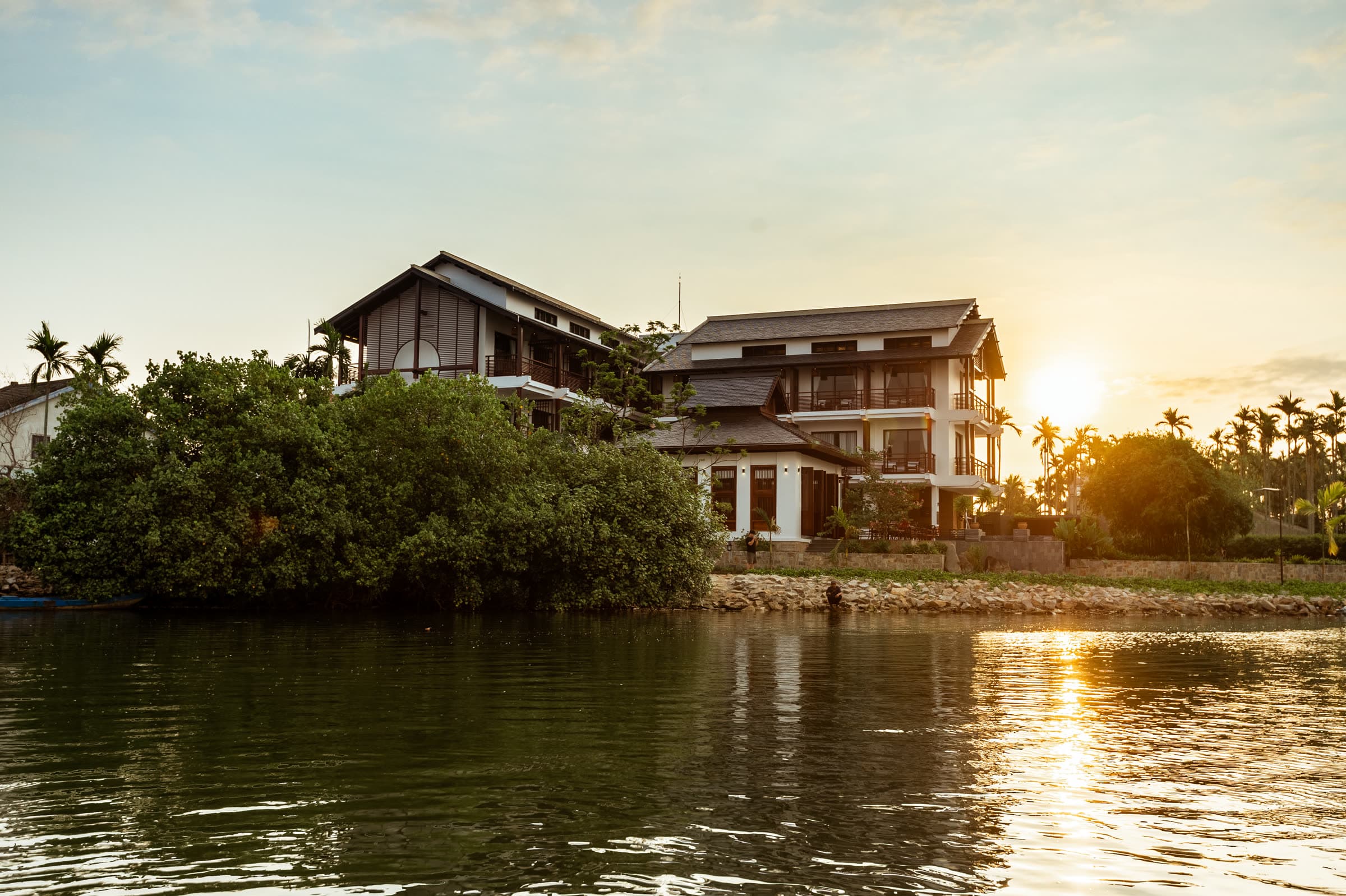
Planning a trip around this? See dates at our quiet riverside hotel on the Thu Bồn. Check availability →
Festivals: Vu Lan, the Buddhist festival of the wandering souls — 15th day of the 7th lunar month, around late August. Pagodas fill.
September
North: rain easing, temperatures dropping. One of Hanoi's best months by month-end.
South: peak rainfall — Saigon's wettest month at around 321 mm. Often clear in the morning, drenching by 4 pm.
Festivals: Mid-Autumn Festival (Tết Trung Thu) on the 15th of the 8th lunar month — 25 September 2026. Lanterns, mooncakes, children-centred celebrations. Hội An Old Town glows.
October
North: arguably the best month. Hanoi averages 25°C, low rain, clear skies. Halong Bay and Ninh Bình at their photogenic peak.
Central: peak rainfall. Hội An can see 500+ mm in October alone. The Thu Bồn floods in some years. We wrote a full piece on Hội An flood zones for October–November bookings. Some travellers love this season — fewer crowds, low prices, dramatic skies. It is not, however, a beach holiday.
South: rains easing, still wet.
November
North: beautiful. Hanoi averages 22°C, dry, golden light. Best month for the Hà Giang loop.
Central: still wet, still typhoon-possible. By late November, the worst is usually over.
South: dry season returning. Saigon averages 27°C with rapidly declining rain.
December
North: cold and dry. Hanoi 17–18°C. Northern highlands occasionally see frost.
Central: rain easing. Hội An averages 22°C. Christmas in the Old Town is unexpectedly festive — Catholic communities here are sizable.
South: dry season fully on. Saigon 26–27°C, near-zero rainfall, perfect for the Mekong and the southern beaches.
Festivals worth planning around
Tết Nguyên Đán — 6 February 2027, public holiday 3–11 Feb. The single biggest scheduling factor.
Hùng Kings' Day — 16 April 2027. Public holiday; quiet city centres.
Vesak (Phật Đản) — 24–31 May 2026 around the full moon. Beautiful at temple complexes; especially atmospheric in Huế.
Mid-Autumn (Trung Thu) — 25 September 2026. Hội An's lantern season peaks; pair with a visit to our moon and lunar calendar page.
So when should you go?
For the north only: October–April. For the central coast only: February–August. For the south only: December–April. For all three on one trip: March or April (peak season, higher prices) or late February right after Tết (still dry, fewer crowds).
Monsoon and typhoon are not failures of Vietnamese weather — they are how the country's rice fields work, how the Mekong refills, how the Thu Bồn renews its silt. Some travellers prefer wet-season months precisely for this: cooler temperatures in the south, almost-empty UNESCO sites, pension-friendly prices, and a country that looks fully alive instead of dust-dry. The right month depends on the trip you want, not on a universal "best."
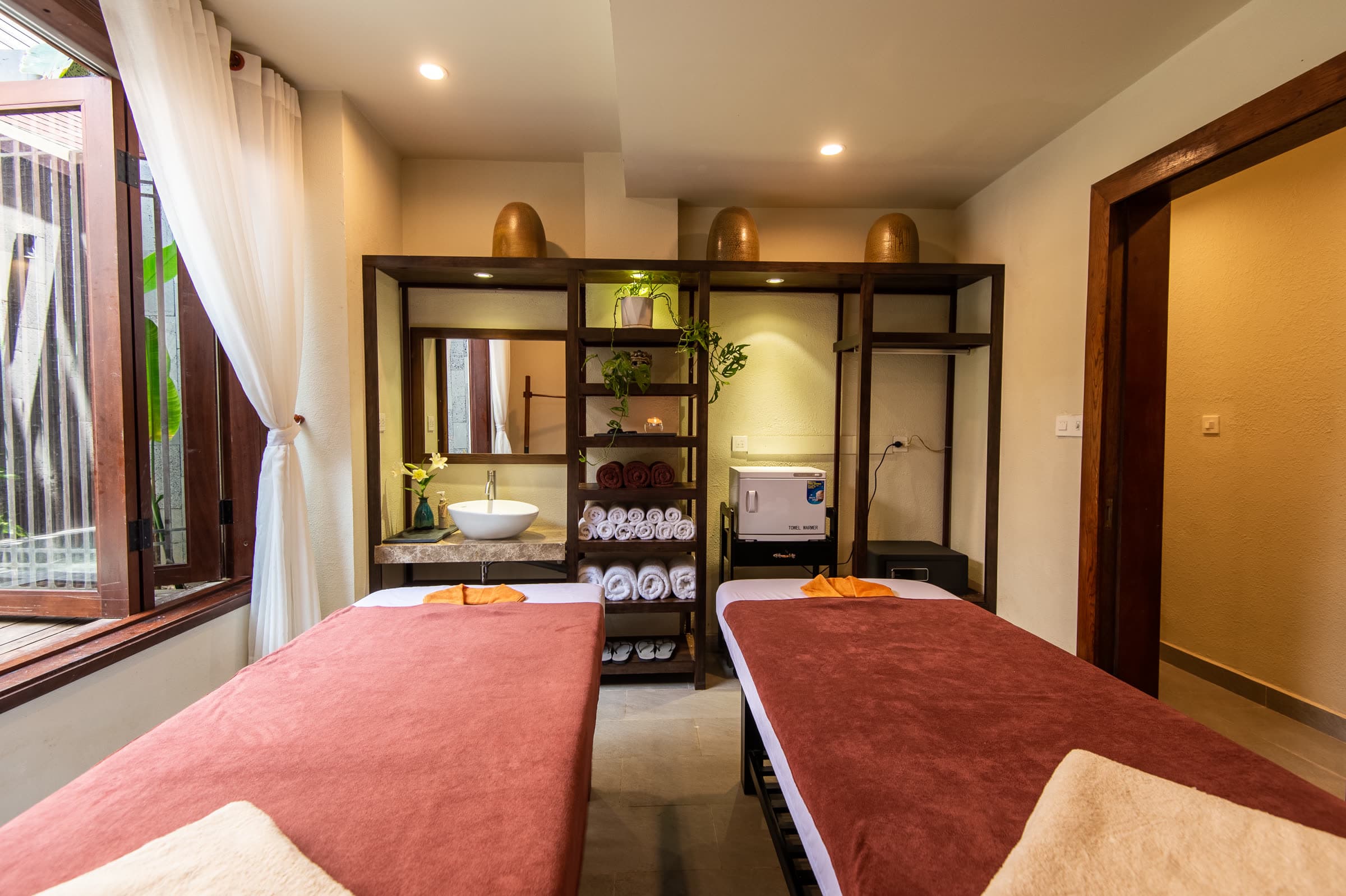
Every room at Nghê Prana is designed around the science of sleep. Blackout curtains, nightly aromatherapy turndown, and riverside quiet — experience what real rest feels like.
Riverside hotel rooms on the Thu Bồn, ten minutes by bicycle from the Ancient Town. Whether it's one night between Hue and Da Nang or a full week of doing nothing — we kept your room quiet.
Free cancellation · Direct from the family who built the hotel

 WhatsApp
 Zalo
Zalo