Author
Linh Trần
Hội An local & heritage guide
Linh writes about Hội An from inside the town. She grew up between the Old Town and the south-bank river islands, and her writing covers the neighbourhoods, pagodas, lantern festivals, and the slow rhythms of life along the Thu Bồn. She has worked with Nghê Prana since the property opened.
Topic areas
Articles by Linh Trần
48 articles published

Phật Đản (Vesak) 2027 in Hội An: Thursday 20 May — and the Lantern Night the Evening Before
Phật Đản, the Vietnamese observance of Vesak, falls on Thursday 20 May 2027 — the full moon of the fourth lunar month. Hội An's monthly lantern night lands the evening before, Wednesday 19 May. The date, how it is derived, and what actually happens at the pagodas.

Giỗ Tổ Hùng Vương 2027: Hùng Kings' Day Falls on 16 April
Hùng Kings' Commemoration Day 2027 falls on Friday 16 April — the 10th day of the 3rd lunar month. What the holiday means, whether Vietnam gets a long weekend, and how the day feels in Hội An.

Trung Thu 2027 in Hội An: Mid-Autumn Falls on 15 September
Tết Trung Thu 2027 falls on Wednesday 15 September, with Hội An's lantern night on the eve, Tuesday 14 September. The dates, the heritage status the festival earned in 2023, and how a midweek festival changes the planning.

Vu Lan 2027 in Hội An: Monday 16 August — and the Lantern Night the Evening Before
Lễ Vu Lan, Vietnam's Buddhist day of filial gratitude, falls on Monday 16 August 2027 — the full moon of the seventh lunar month. Hội An's monthly lantern night lands the evening before, on Sunday 15 August. Here is the date, how it is derived, and what actually happens.

Hội An in the German School Holidays 2027: Why Your State Decides Whether You Get Rain
Summer holidays start 28 June in Hesse and only on 2 August in Bavaria — five weeks apart, and Hội An's rainy season begins in between. Every 2027 German holiday date laid against the real weather on Vietnam's central coast, plus the current entry position: 45 days visa-free since March 2025 and the digital health declaration required since June 2026.

French School Holidays 2027 in Hội An: What Your Zone Actually Changes
France staggers its winter holidays across almost a month, and the Vietnamese lunar calendar falls straight through the middle. Zone C lands on the first day of Tết, Zone A contains the biggest lantern night of the year, and Zone B arrives in a seven-week window with no Vietnamese public holiday in it. Verified dates from both calendars.

Vietnam or Thailand for Two Weeks? The Honest Arithmetic
The comparison almost every trip plan makes once — and usually loses on the wrong criteria. Not beach against beach, but internal distances, opposite rainy seasons, the 45-day visa exemption, and how much of your fortnight you want to spend on a bus.

Hội An on the Post-Army Route: Where the Rest Stop Goes
Most of the big trip is movement — night buses, dorms, the next border. Hội An is where a lot of travellers stop moving for a few days, and it is the one town on the Southeast Asia circuit built for that. Honest about where it fits in a four-month trip, what it costs, why the tailors matter more than you would expect, and when not to come.

Hội An on a Singapore Long Weekend: All Five of 2027, Ranked — and How It Really Compares to Bali, Bangkok, Batam and Bintan
Singapore has five long weekends in 2027 and none of them costs annual leave. This is which ones are actually worth a flight to Hội An — Good Friday is the best by a distance, Hari Raya Haji becomes the best trip on the list if you add two days for the 19 May lantern night, and Chinese New Year lands on exactly the first three days of Tết. Plus an honest comparison against the shortlist you are really choosing from: Batam, Bintan, Bangkok and Bali, including the four things Hội An loses at.

3 Days in Hội An from Singapore: the Friday-Night-Flight Itinerary
A three-day Hội An itinerary written for the way Singaporeans actually travel — out of Changi after work on Friday, landing in Da Nang at 21:15, home Monday night. Two complete days, hour by hour, including what to book before you fly, why the middle of each day belongs to the pool, and the one day trip that is worth it against the several that will quietly eat your weekend.

CNY 2027 in Hội An: When Chinese New Year and Tết Are the Same Weekend
Singapore's Chinese New Year long weekend in 2027 — Saturday 6 to Monday 8 February — is exactly mùng 1 to mùng 3 of Vietnamese Tết, because they are the same lunar new year. That makes it the most atmospheric weekend of the year in Hội An and the least forgiving of improvisation. What is open, what closes for three days, what a Singaporean will find familiar and what will not be, and why the fortnight afterwards is the better holiday.

Hội An in 2027: A Month-by-Month Planning Calendar with Verified Dates
A calendar for one specific year rather than a generic "best time to visit". Every month of 2027 in Hội An — what is on, what the weather does, how busy it is, and whether it is worth booking — built on dates converted from the lunar calendar and checked against each other. Tết opens on Saturday 6 February; the fortnight after it is the densest festival run of the year; late February to mid-April is close to seven uninterrupted quiet weeks; and where a 2027 programme genuinely has not been published, this page says so instead of guessing.

Vietnam Public Holidays 2027: Every Date, the Tết Block Still Undecided, and the Weeks Worth Avoiding
In 2027 every Vietnamese public holiday falls next to a weekend — New Year's Day, Hùng Kings' Day and Reunification Day are all Fridays, Tết opens on a Saturday, National Day is a Thursday. That turns eleven statutory days into four hard domestic travel peaks. Here are the verified dates, the draft extended blocks the Ministry of Home Affairs put to consultation in August 2026 (including two competing options for Tết), what each wave feels like on the central coast, and the seven-week quiet window most guides never mention.

Tết 2027 — Vietnamese New Year in Hội An: Every Date, What Actually Closes, and Why It Is Still Worth Coming
Tết Nguyên Đán 2027 falls on Saturday 6 February. This is the honest version: the verified lunar dates from Ông Táo to Nguyên Tiêu, exactly what closes in Hội An on mùng 1–3 and when it reopens, what gets better than usual, and why the smart trip is the three-week window — Kim Bồng on 11 February, Trà Quế on 12 February, and the year's biggest lantern night on 19 February — rather than the three days everyone else plans around.

Sưa Flower Season in Hương Trà (Tam Kỳ): Vietnam's Golden Fortnight — Dates, Bloom Window & How to See It from Hoi An
Each April the sưa trees of Hương Trà village near Tam Kỳ bloom gold for about two weeks. What the tree actually is (not crape myrtle, not rosewood), the nine Heritage Trees, the 2026 festival dates, the honest bloom window, and how to see it from Hội An.

Vu Lan Festival Hội An 2026: Vietnam's Day of Filial Gratitude (Rằm tháng Bảy)
Westerners misread the seventh lunar month as the Chinese "Hungry Ghost Festival." In Vietnam its heart is Lễ Vu Lan báo hiếu — the Buddhist day of honouring and repaying the debt to one's parents, on Rằm tháng Bảy (Thursday 27 August 2026). This guide, synthesised from Vietnamese Buddhist and heritage sources, explains the Mục Kiền Liên legend, the pinned-rose custom (bông hồng cài áo), the honest difference from the Hungry Ghost Festival, and how Vu Lan is lived in Hội An — pagoda services, vegetarian food, and floating lanterns on the Thu Bồn.

Trà Quế Cầu Bông Festival 2027: Hội An's 500-Year Herb Village, Its Dates & How to Cycle There
Every spring after Tết, Hội An's ~500-year-old herb village of Trà Quế holds a flower-offering and harvest-blessing festival — Lễ hội Cầu Bông — almost unwritten-about in English. This guide separates the fixed lunar rite (mùng 7 tháng Giêng, Friday 12 February 2027) from the annually-set public program (2027 dates not yet published), states the recognitions correctly (National Intangible Cultural Heritage 2022; UN Tourism Best Tourism Village 2024 — not UNESCO), explains the river-algae fertiliser method, and shows how to cycle there from the quiet Cẩm Nam riverside.

Kim Bồng Village Festival 2027: Hội An's Woodworking Guild, Dates & How to Visit
The carpenters of Kim Bồng village, directly across the Thu Bồn from central Hội An, built the timber Old Town — and once a year they celebrate the craft. This guide separates the fixed ancestor-worship rite (giỗ Tổ nghề mộc, Thursday 11 February 2027) from the annually-set public festival program (2027 dates not yet published), tells the story of the carpentry guild that raised Faifo, and shows how to cross to the village by boat or bicycle from the quiet Cẩm Nam riverside.

Cầu Ngư Festival 2027 (Whale-Worship Sea Festival): The Hội An Edition, Dates & How to See It
The Cầu Ngư (whale-worship) festival is a National Intangible Cultural Heritage sea festival held each spring after Tết along the Đà Nẵng and Quảng Nam coast — including a Hội An Đông edition on the Cửa Đại shore. What it is, the honest 2027 window, the lễ nghinh Ông procession, and how to see it from Hội An.

Romantic Lantern Night in Hoi An: A Couple's Guide to the Full-Moon Festival (Đêm Rằm Phố Cổ)
How to turn a Hội An lantern night into a full romantic day for two — a slow riverside morning, a couple's spa afternoon, sunset on the Thu Bồn, releasing a candle-lantern together, and a quiet farm-to-table dinner. With the verified 2026 and 2027 festival dates.

Quán Thế Âm Festival 2027 at the Marble Mountains (Lễ hội Quán Thế Âm, Ngũ Hành Sơn): Dates, Rituals & How to See It from Hội An
When is the Quán Thế Âm Festival in 2027? The festival is fixed to the 19th of the second lunar month at the Marble Mountains (Ngũ Hành Sơn) in Đà Nẵng, so 2027 is expected around 24–26 March. Here is the lunar logic, the three-day ceremony structure, heritage status, and how to reach it from the quiet south bank of the Thu Bồn in Hội An.

Kate Festival 2026 (Lễ Hội Katê): The Cham People's Biggest Festival, and Its Link to Mỹ Sơn near Hội An
Katê is the most important festival of Vietnam's Cham people — three days of temple-tower rituals, costume processions, Ginăng drums and Saranai horns, held each year on the first day of the seventh Cham month (usually late September to early October; 2026 expected around early October). It happens at the Cham towers of Ninh Thuận and Khánh Hòa, far to the south — but its roots are the same Champa civilisation that built Mỹ Sơn near Hội An. This guide explains Katê, flags the approximate 2026 date honestly, and ties it to the Cham heritage on our own doorstep.

Vietnam National Day 2026 (Quốc Khánh, 2 September) in Hội An & Đà Nẵng: What's Open, What's On, and the Honest Crowd Guide
Vietnam's National Day — Quốc khánh, 2 September — falls on a Wednesday in 2026, anchoring a five-day public-holiday window from 29 August to 2 September. It is the year's biggest domestic-travel surge, and Hội An and Đà Nẵng both fill up. This is the practical, honest guide: the verified dates and the official day-swap, what's open and what's closed, the Đà Nẵng boat racing and fireworks, transport realities, and the quiet riverside way to enjoy the holiday rather than fight it.

Lễ Vu Lan 2026 in Hội An (Vietnam's Filial-Piety Festival): The Date, the Rose-Pinning Ritual & How It's Observed on the Thu Bồn
Lễ Vu Lan — Vietnam's Buddhist festival of filial piety, báo hiếu — falls on the full moon of the seventh lunar month, which is Thursday, 27 August 2026. This is the honest, source-checked guide to what the day means, the bông hồng cài áo rose-pinning ritual (red rose for a living mother, white for one who has passed), the floating-candle hoa đăng releases, and how the day is observed at Hội An's old pagodas and along the Thu Bồn — written from a riverside hotel a few minutes from the Old Town.
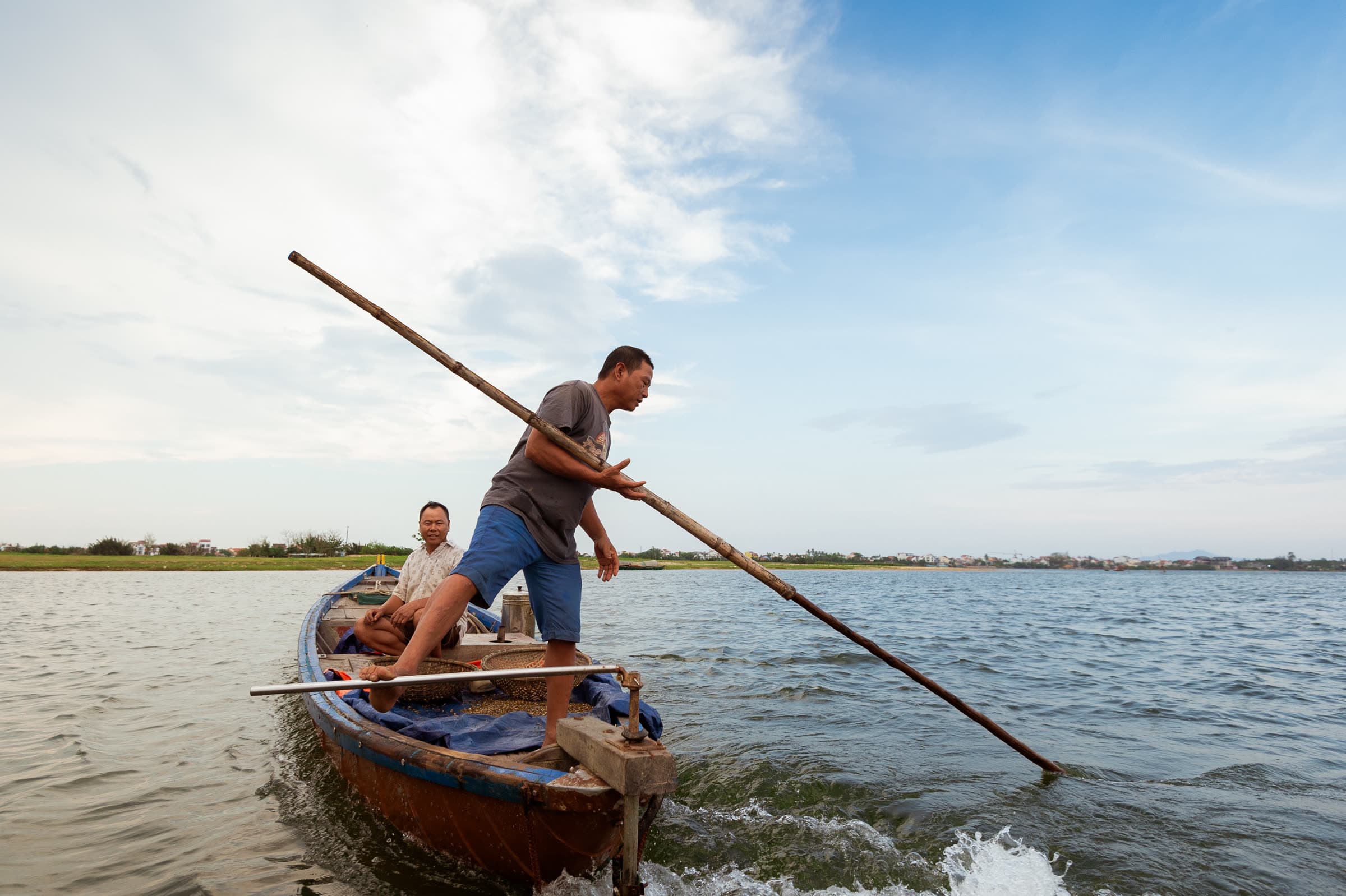
Where to See Boat Racing (Đua Thuyền) in Central Vietnam — and Why It's Not on the "Dragon Boat Festival"
Vietnam does have thrilling long-boat racing — drums, hundreds of rowers, whole villages on the riverbank. It just doesn't happen on Tết Đoan Ngọ, the day English speakers call the "Dragon Boat Festival." Vietnamese đua thuyền and bơi trải races run on their own calendars, with the biggest tied to National Day on 2 September. Here's where boat racing actually happens in central Vietnam, when, and how it differs from the festival the name leads you to expect.

Tết Đoan Ngọ Explained: Vietnam's Mid-Year Festival, the Rượu Nếp Tradition, and How It's Marked in Central Vietnam
On the 5th day of the 5th lunar month — Friday 19 June in 2026 — Vietnamese families wake to fermented sticky rice eaten before breakfast, bowls of sour summer fruit, and a noon offering to drive out the year's "pests." This is Tết Đoan Ngọ, the mid-year cleansing festival, and it looks nothing like the dragon-boat races the name suggests abroad. Here is what the day means, the rượu nếp ritual at its centre, and the distinctly central-Vietnam version of it you'll find around Hội An.

Dragon Boat Festival in Vietnam 2026: What It Actually Is (Tết Đoan Ngọ), the Date, and the China-vs-Vietnam Confusion Explained
Searching for the "Dragon Boat Festival in Vietnam" leads most travellers to the wrong picture. The date — the 5th day of the 5th lunar month, which falls on Friday 19 June in 2026 — is shared with China's Duanwu, but in Vietnam the day is Tết Đoan Ngọ, the mid-year "pest-killing" festival of fermented sticky rice and seasonal fruit, not a day of dragon-boat racing. This is the honest, source-checked version: what the day really is in Vietnam, the verified 2026 date, where the dragon-boat idea comes from, and where you actually see boat racing here.

Hoi An Memories Show: Times (8–9 pm, Closed Tuesdays), 2026 Tickets & Is It Worth It?
The Hoi An Memories Show is the big one — nearly 500 performers, a 25,000 m² open-air stage on a man-made island in the Thu Bồn, and five acts retelling 400 years of Hội An's history. It is also nothing like a quiet lantern-lit walk through the Old Town, and travellers regularly can't tell from the listings whether it's a must-see or a tourist set-piece. Here is the honest version: 2026 show times and prices, how to get there, where to sit, and who it's actually for.

Hoi An Lantern-Making Class: How to Make Your Own Silk Lantern (2026)
Half the silk lanterns glowing over Hội An's Old Town are made by hand a few streets away, on a split-bamboo frame that has barely changed in a hundred years. A lantern-making class is one of the few Hội An activities where you leave with the actual object — collapsible, packable, and yours. Here is how the lantern is really built, what an honest workshop costs and how long it takes, the makers' streets the craft comes from, and how to pick a class that teaches the bamboo frame from one that just hands you pre-made parts to glue.
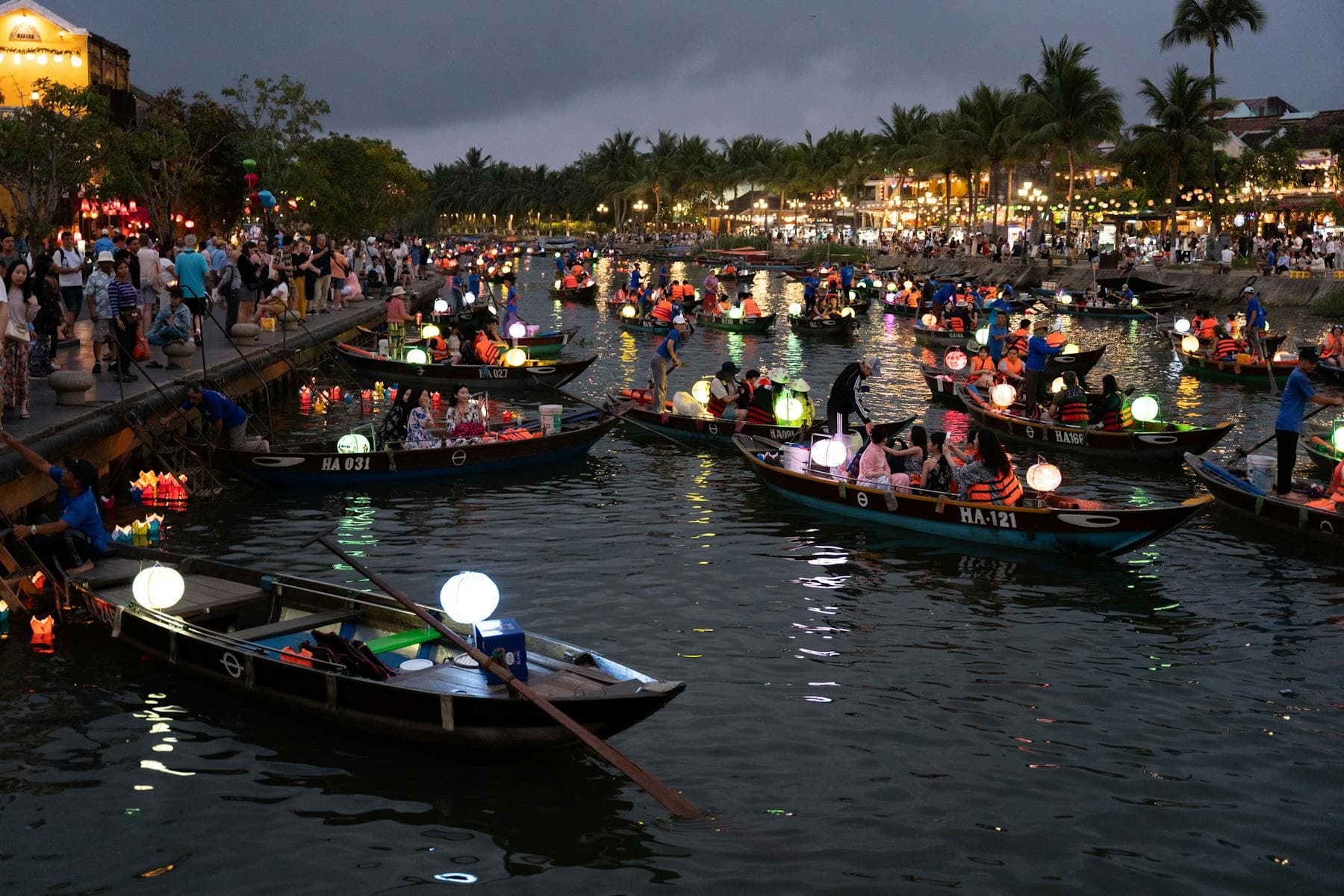
The Most Romantic Things to Do in Hội An — Twelve Ideas From a Riverside Hotel That Hosts Honeymooners
Twelve genuinely romantic things to do in Hội An for couples — sunset on the Thu Bồn, full-moon lantern nights, a couple spa with a private jacuzzi, a herbal bath for two, sunrise in the Old Town, bicycle rides to Cẩm Kim, a basket boat at Cẩm Thanh, and a beach morning at An Bàng — each with practical detail on when, how, and roughly what it costs.

Mi Quang: The Real Origin Story of Quảng Nam's 400-Year-Old Noodle (and Why Phú Chiêm Is the Source)
Mì Quảng is now a national heritage dish — recognised by decree in August 2024 — yet its origin is still genuinely contested in Vietnamese scholarship. We synthesise the Cham-assimilation argument of researcher Tôn Thất Hướng and the 17th-century Đàng Trong trade argument of Phùng Tấn Đông, drawn from Báo Đà Nẵng and Sài Gòn Giải Phóng, and explain why the village of Phú Chiêm, twenty minutes upriver from our riverside hotel on the Thu Bồn, is treated as the orthodox source.
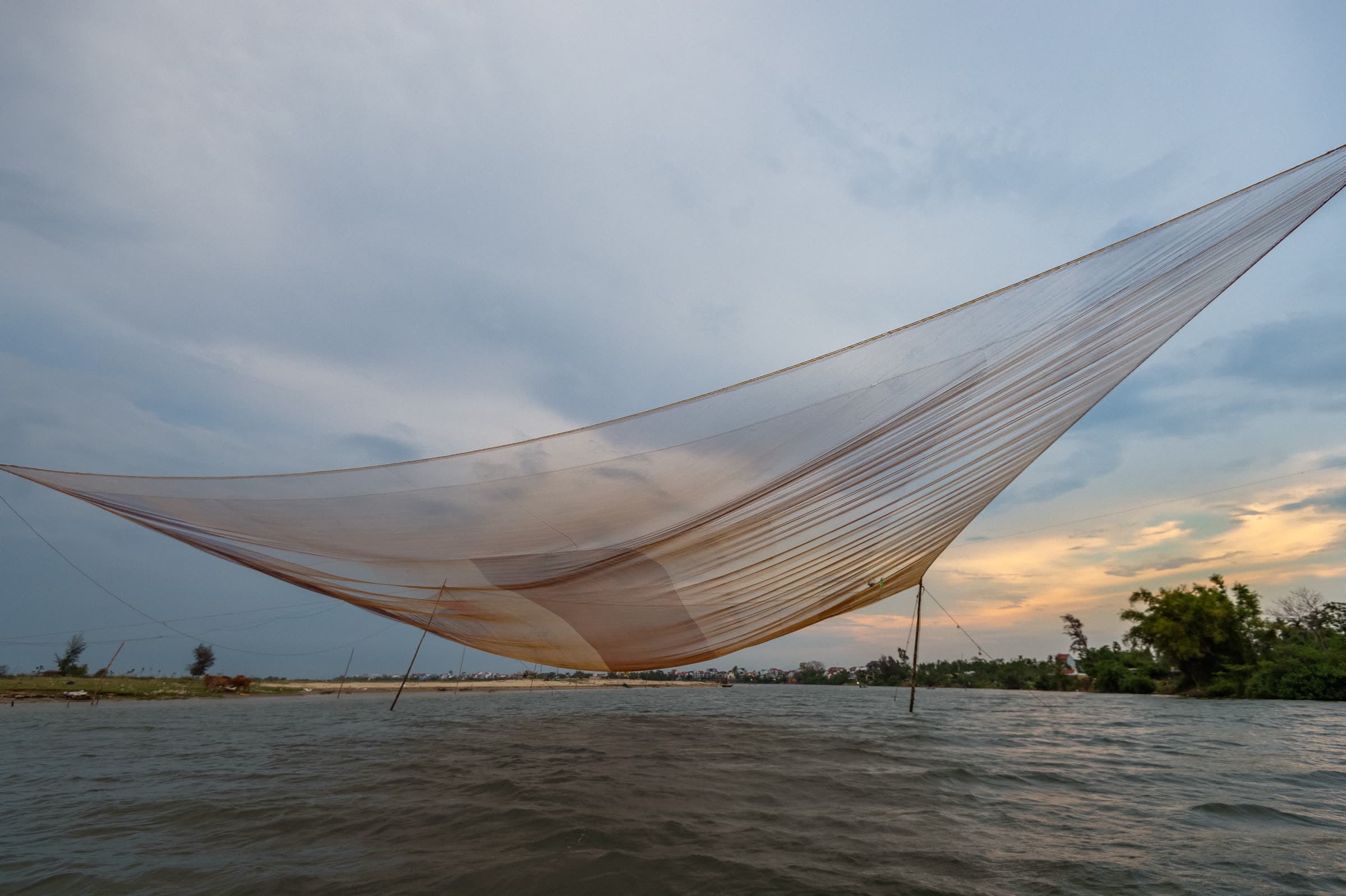
The River Goddess Festival Most Tourists Never See: Bà Thu Bồn 2026 (Lễ hội Bà Thu Bồn)
Upriver from Hội An, the communities along the Thu Bồn hold a three-day festival for a river goddess — Lễ hội Bà Thu Bồn — that is recognised national intangible heritage yet has almost no English-language coverage. We translate the legend, the 2026 dates (28–30 March), the dawn water procession, and how to reach it from our riverside hotel on the Thu Bồn, synthesising VietnamPlus, Tuổi Trẻ, Thanh Niên and the Duy Xuyên tourism portal.
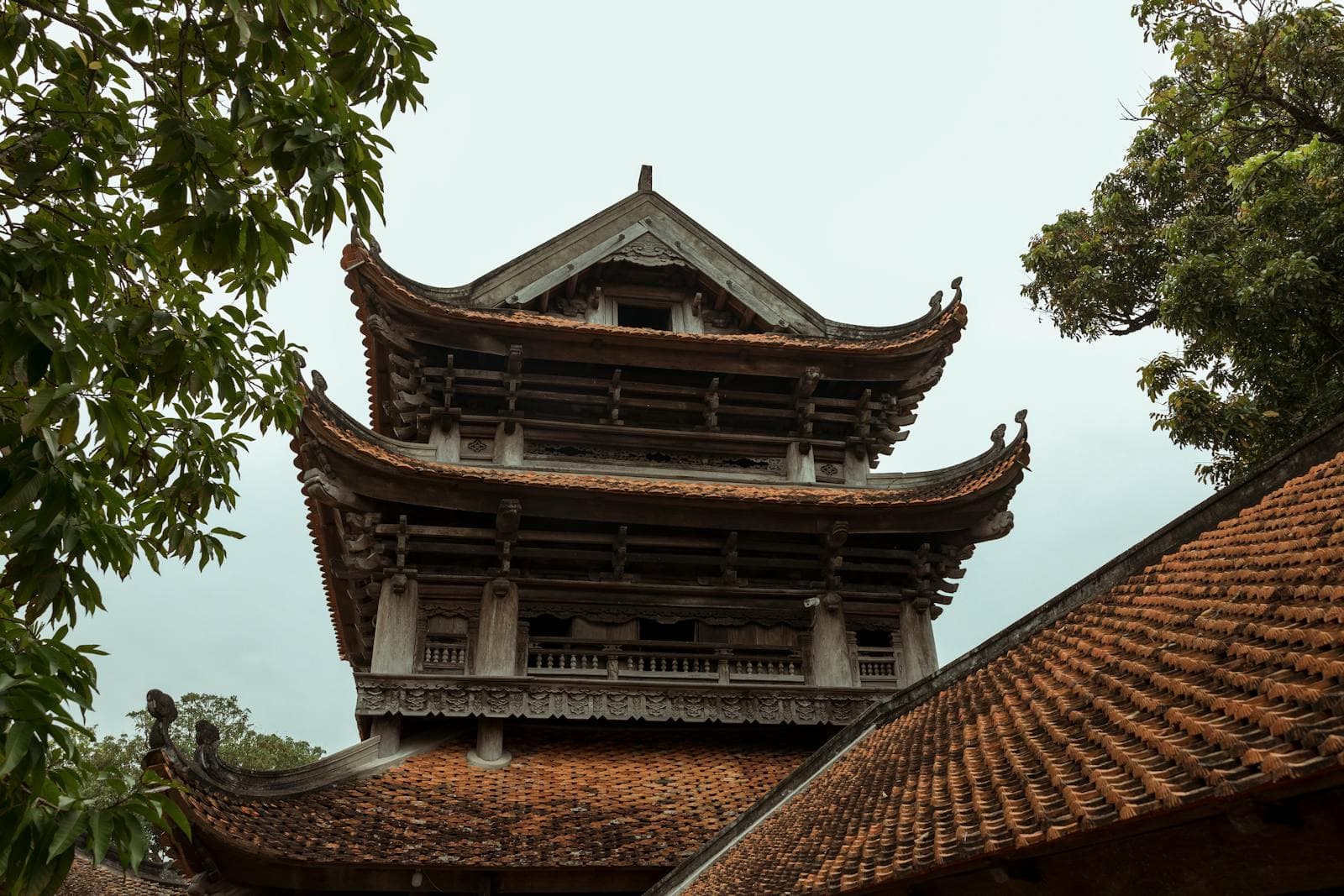
Phật Đản (Vesak) 2026 in Hội An — A Visitor's Quick-Reference for the Sunday 31 May Peak
Phật Đản 2026 peaks on Sunday 31 May (lunar 15/4) — quick-reference for Hội An's four main pagodas, ceremonies, and how to visit respectfully.
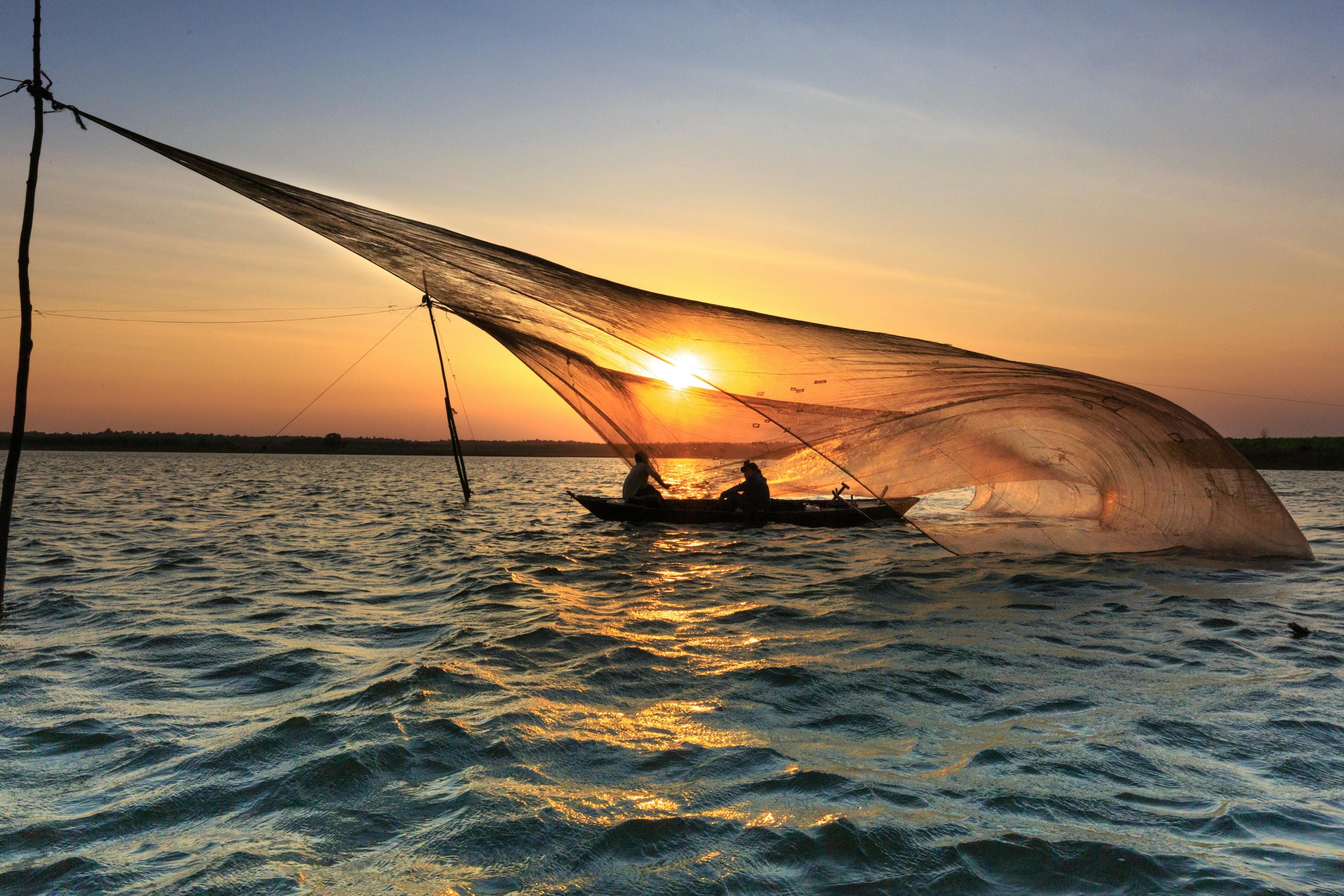
Hội An at Sunrise — Five Best Spots, Real Times by Month, and Why Sunrise Beats Sunset
Verified sunrise times by month for Hội An, five named riverside and beach spots with GPS, and the astronomy of why sunrise wins.
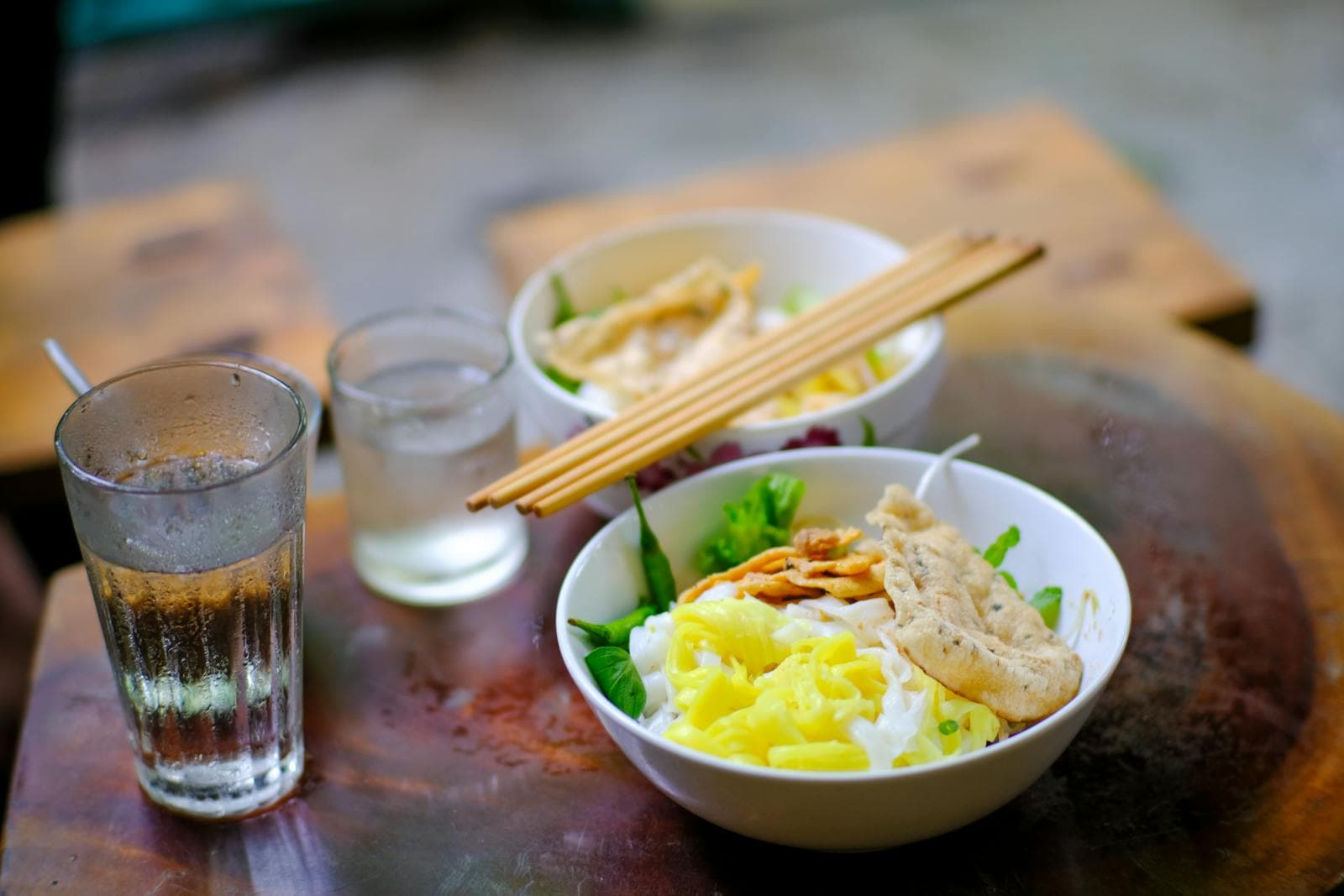
The Story of Cao Lầu — Why It Only Works in Hội An (and the Well That Makes It)
Cao lầu is the one Vietnamese noodle dish that genuinely cannot be made anywhere else. The story involves a Cham-era well, wood ash from Cù Lao Chàm, and one family.
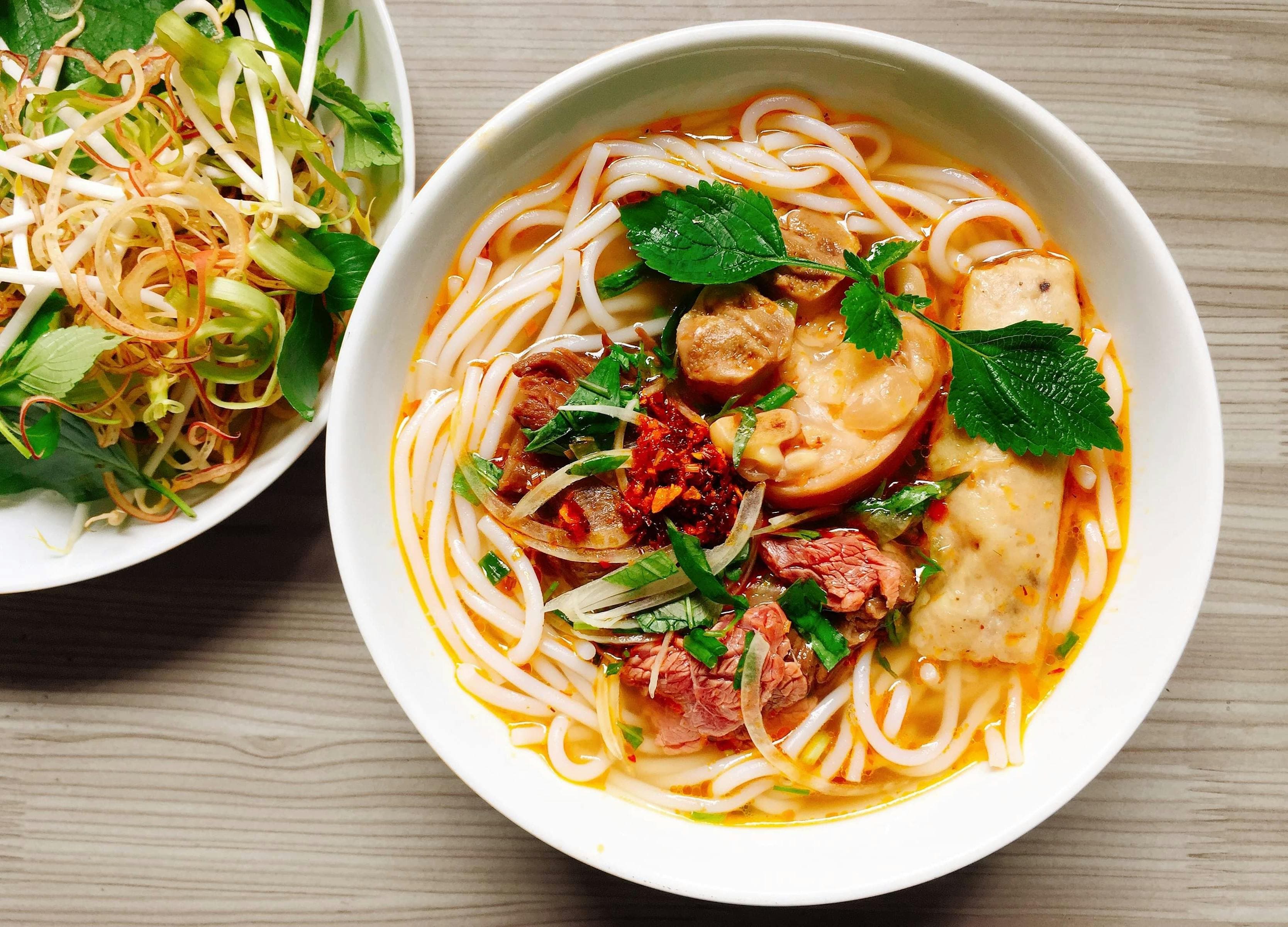
What to Eat in Hội An — A Local's Guide to Cao Lầu, White Rose, Cơm Gà, Mì Quảng and More
What to eat in Hội An: cao lầu, white rose dumplings, cơm gà, mì Quảng, bánh mì — what each dish is, where it comes from, and how to order it locally.
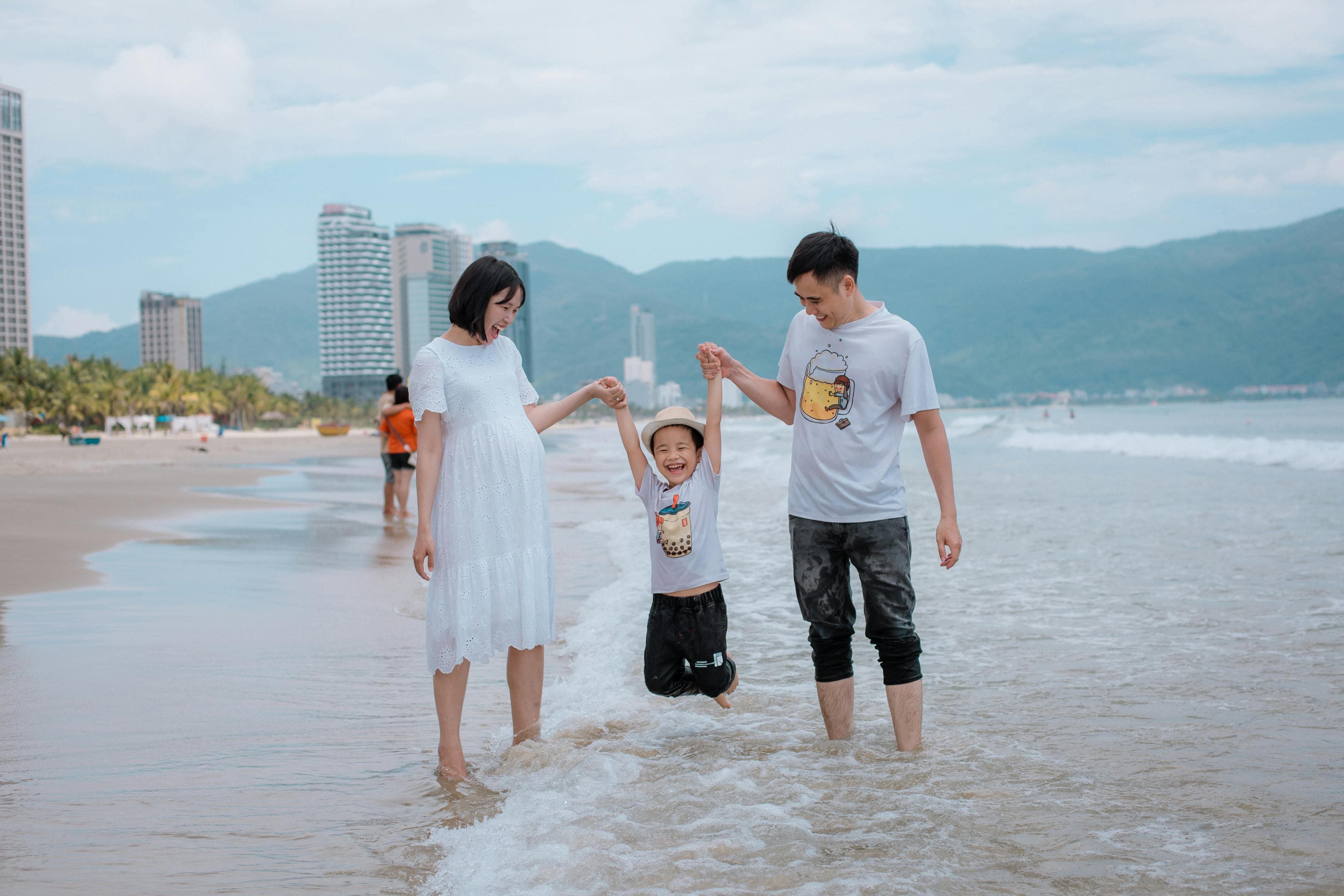
Hội An with Kids — An Honest Family Travel Guide
Hội An with kids: yes, it's family-friendly. What works for toddlers vs school-age, beach safety, food, heat, traffic, where to stay, and a 3-day family itinerary.
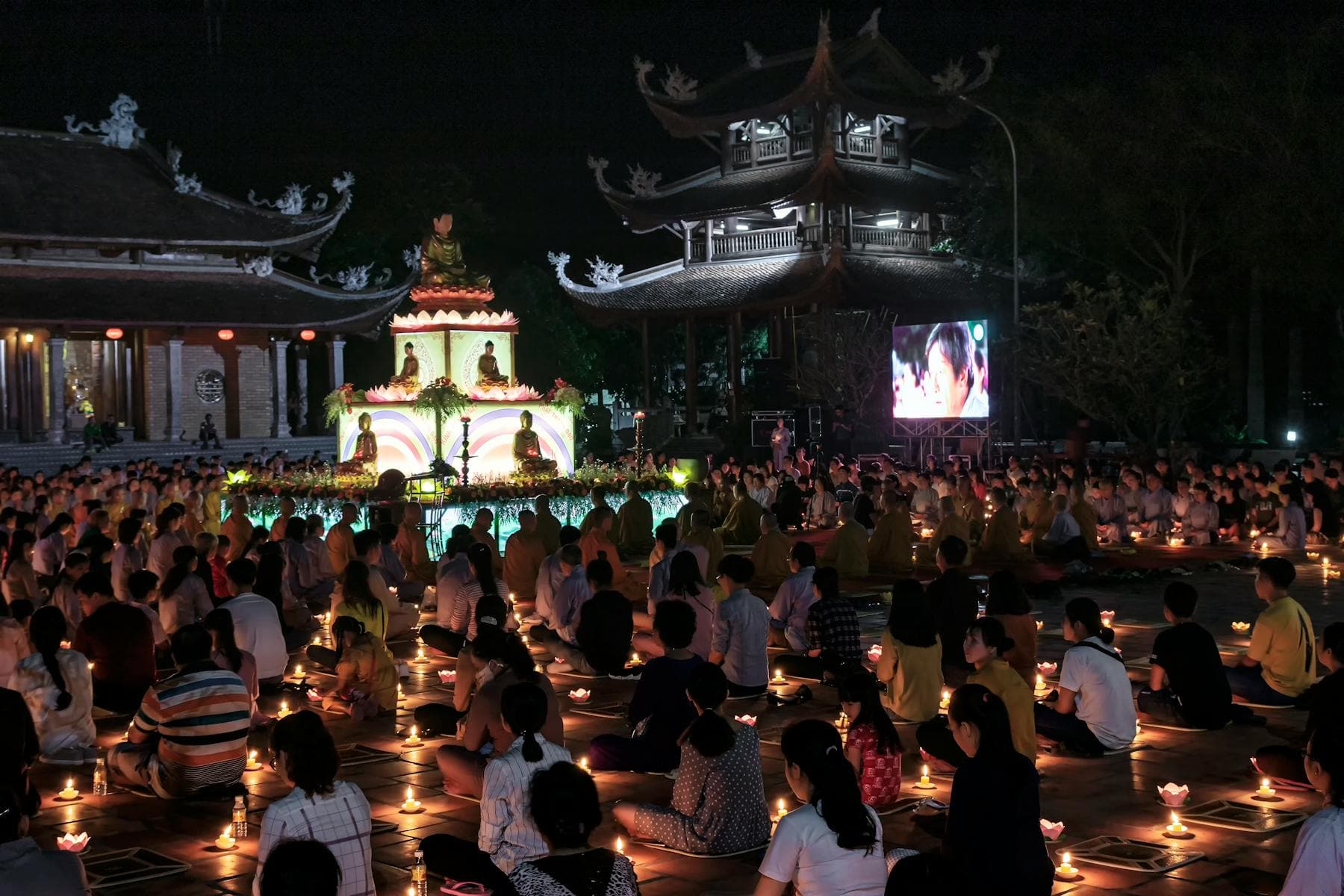
Phật Đản (Vesak) 2026 in Hội An — Dates, Pagodas, and How to Visit Respectfully
Phật Đản (Vesak) 2026 peaks on Sunday 31 May in Hội An. Quiet pagoda ceremonies, candle lanterns, vegetarian meals — here's when and where.

Vietnamese Phrases Worth Learning Before Hội An — The 20 That Matter
Vietnamese phrases for travelers — the 20 most useful for Hội An, with pronunciation, central-accent notes, and when to use each one.

How Hội An Actually Works — The Family-Network Economy (And Why Your Hotel's Tailor Recommendation Is Better Than TripAdvisor)
Hội An's family-network economy is a 600-year-old trust system. Why a hotel's tailor recommendation has more skin-in-the-game than an anonymous review.
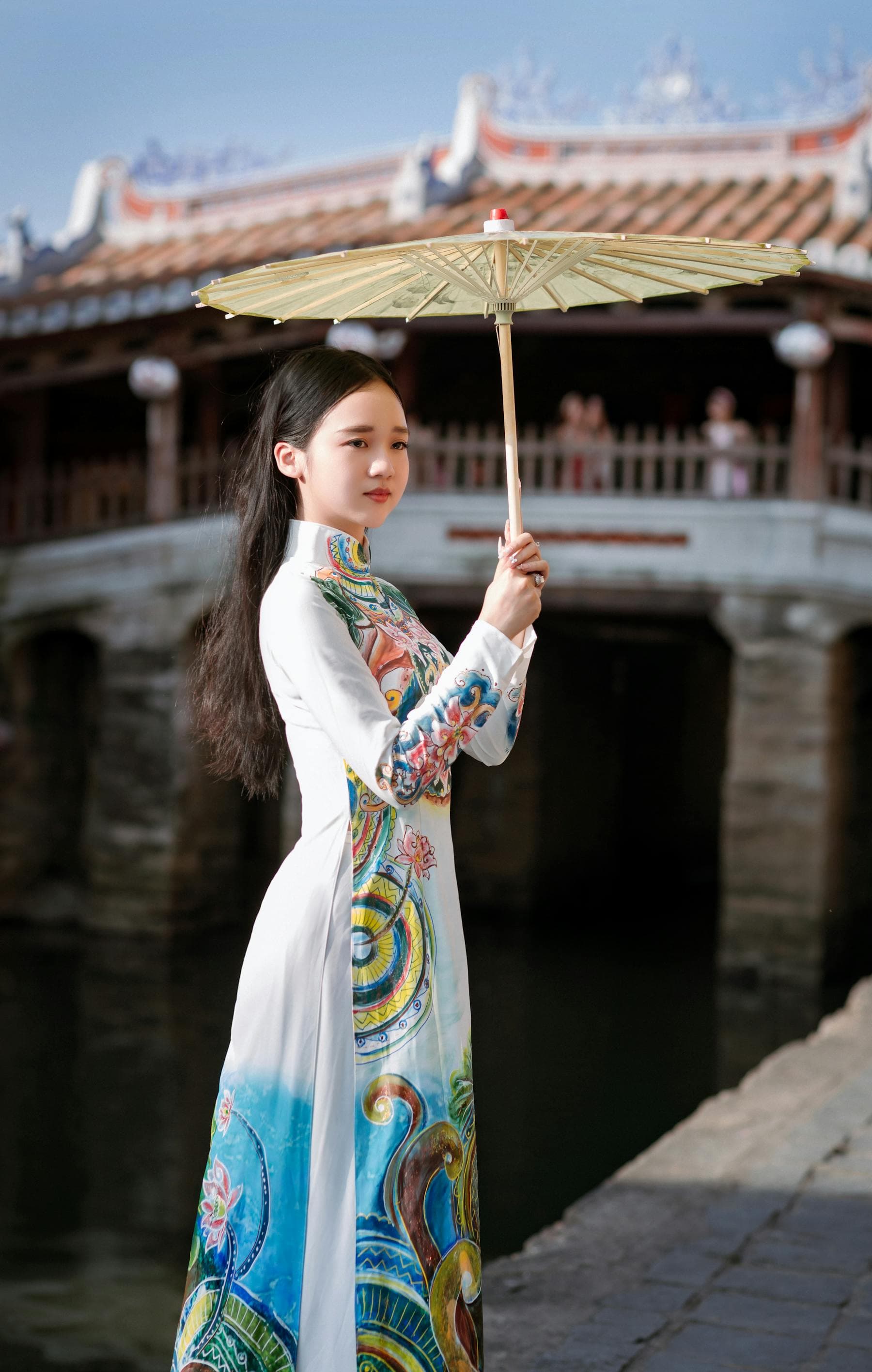
Vietnamese Hospitality Through Vietnamese Eyes — Why Hotel Service Here Feels Different
Vietnamese hospitality is shaped by extended-family ownership, the guest-as-relative norm, and the cultural concept of mến khách. A local-eyes explainer.
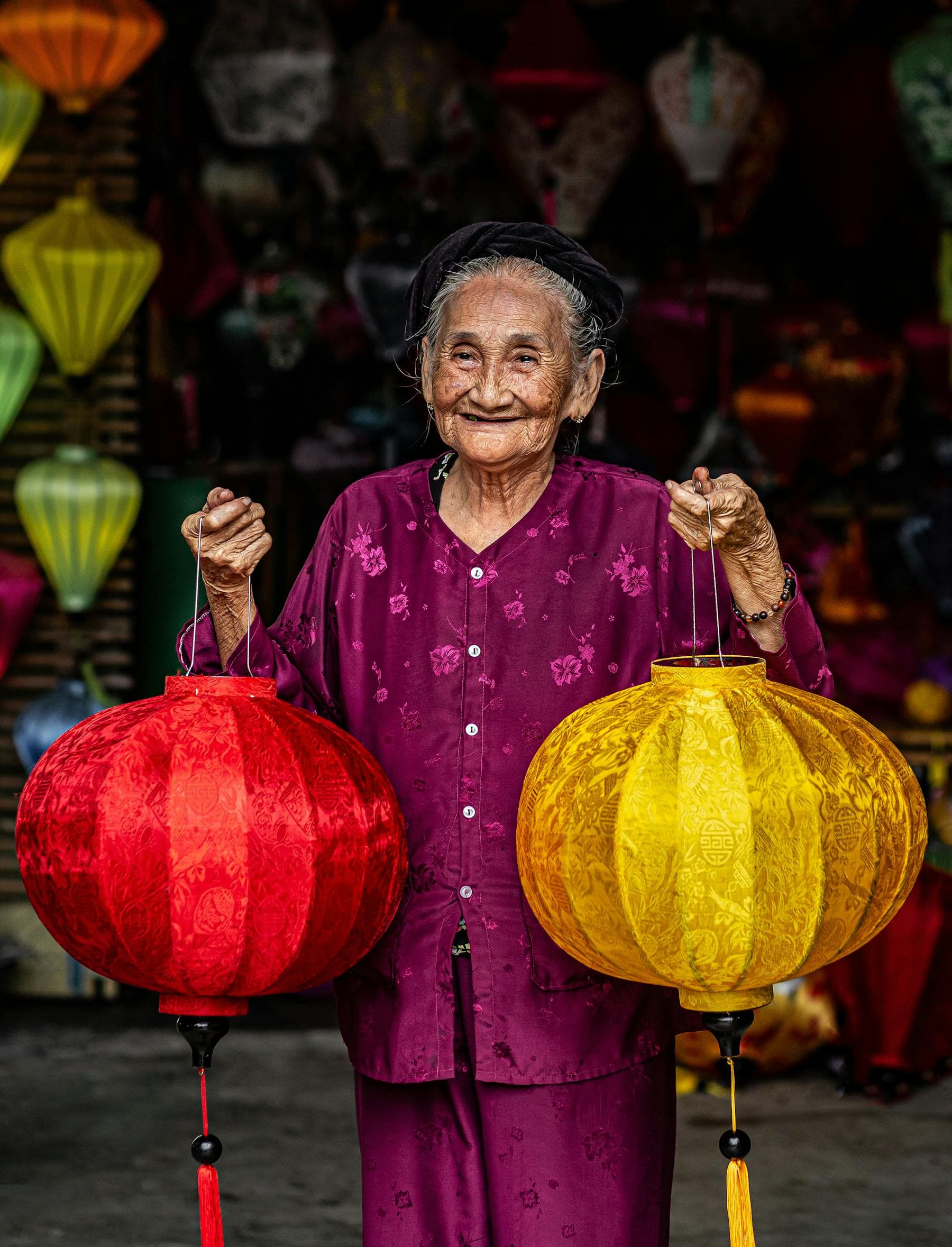
The 12-Month Vietnamese Festival Calendar (2026–2027) — Every Major Date, What It Means, and What It Looks Like at the Hotel
A 12-month Vietnamese festival calendar with verified Gregorian dates: Vesak, Vu Lan, Mid-Autumn, Tết 2027, Hùng Kings 2027, plus every Hội An lantern night.
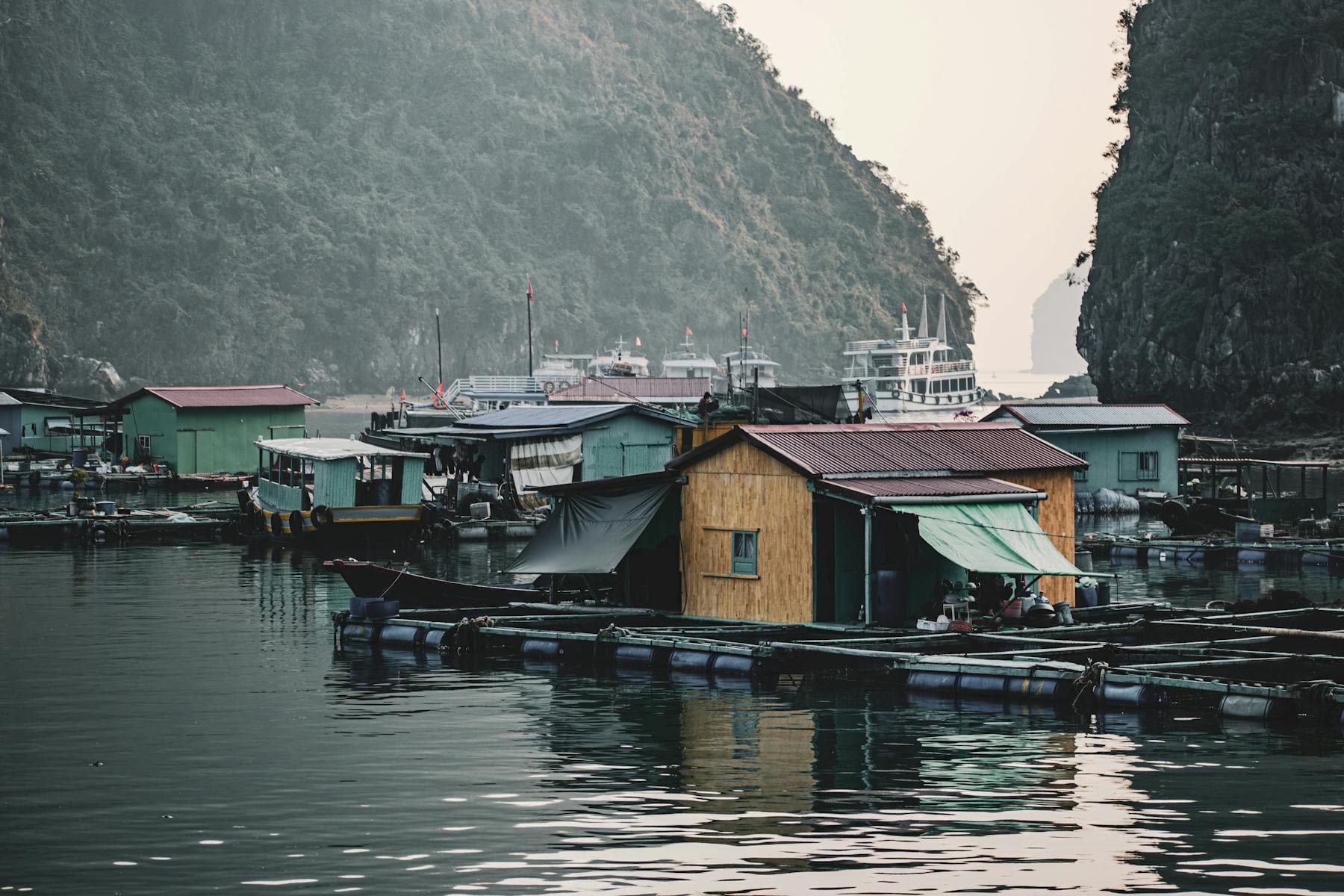
North, Central, or South Vietnam — Choosing Your First Trip
North vs Central vs South Vietnam: three regions, three climates, three cuisines. A first-trip guide that doesn't rank them against each other.
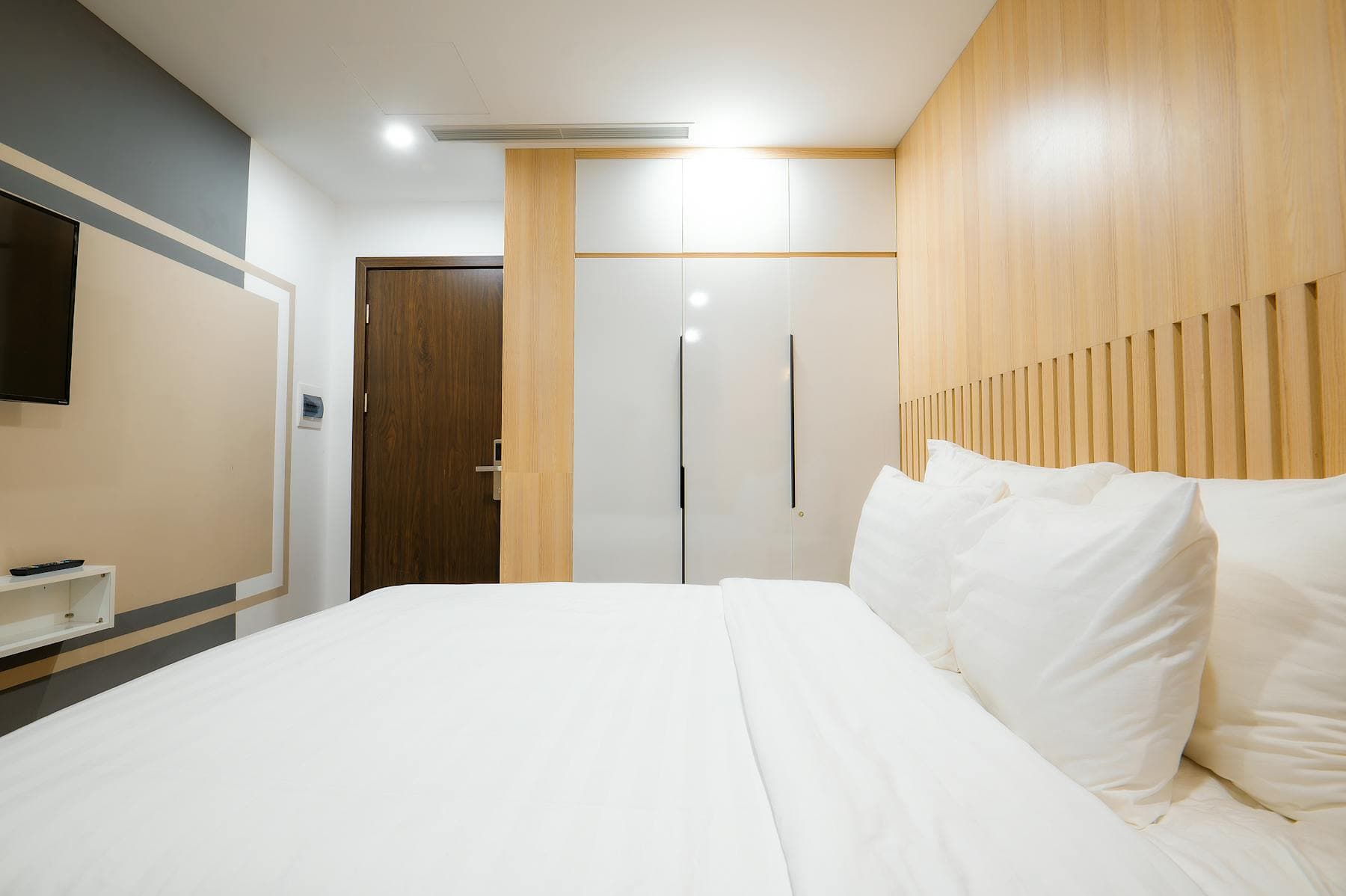
Hoi An for Light Sleepers — Five Things to Verify Before You Book
A quiet hotel in Hoi An is structural, not marketed. Five concrete things to verify — AC type, curtain depth, neighbourhood, fan age, corridor exposure.
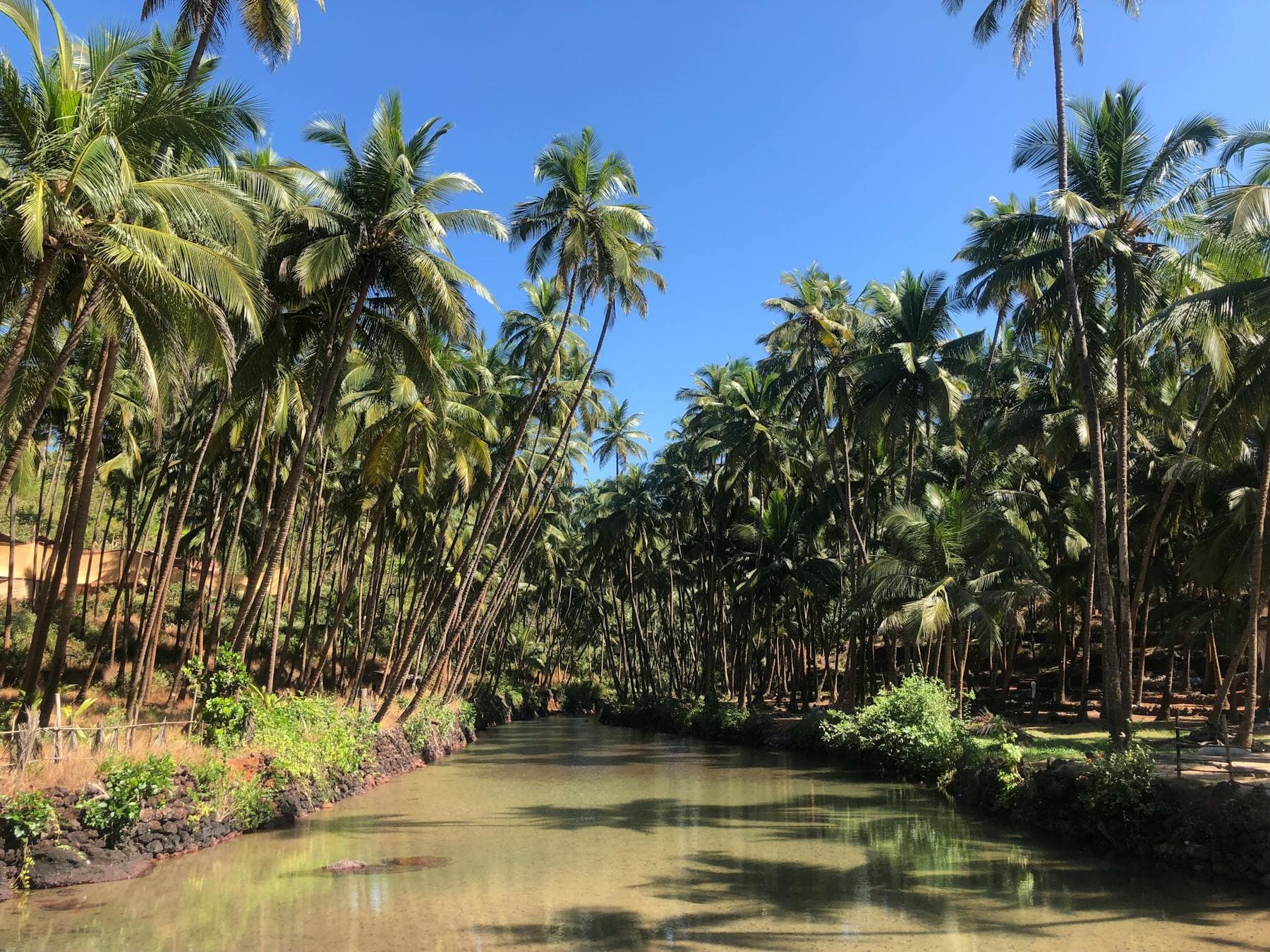
Cẩm Nam, Cẩm Kim, Cẩm Thanh — The Three Quiet Islands of Hội An
Cẩm Nam Hội An sits opposite the Old Town on the south bank of the Thu Bồn — a neighbourhood guide to the three river islands where Hội An actually lives.
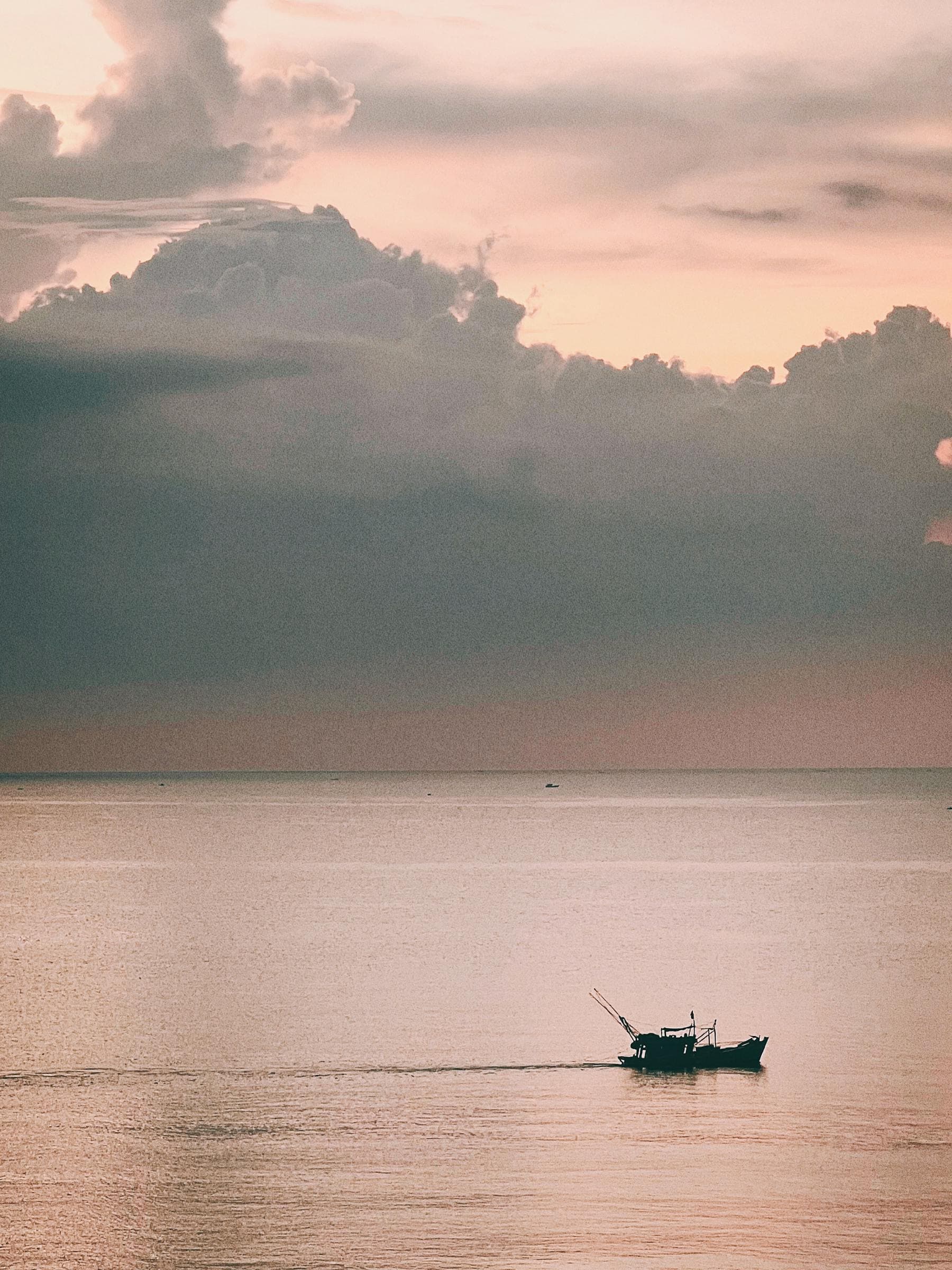
The Thu Bồn River at Sunset — Six Vantage Points and How to Reach Each
Hội An sunset spots on the Thu Bồn River — six vantage points, when each is best, and how to reach each on foot, by bike, or by boat.
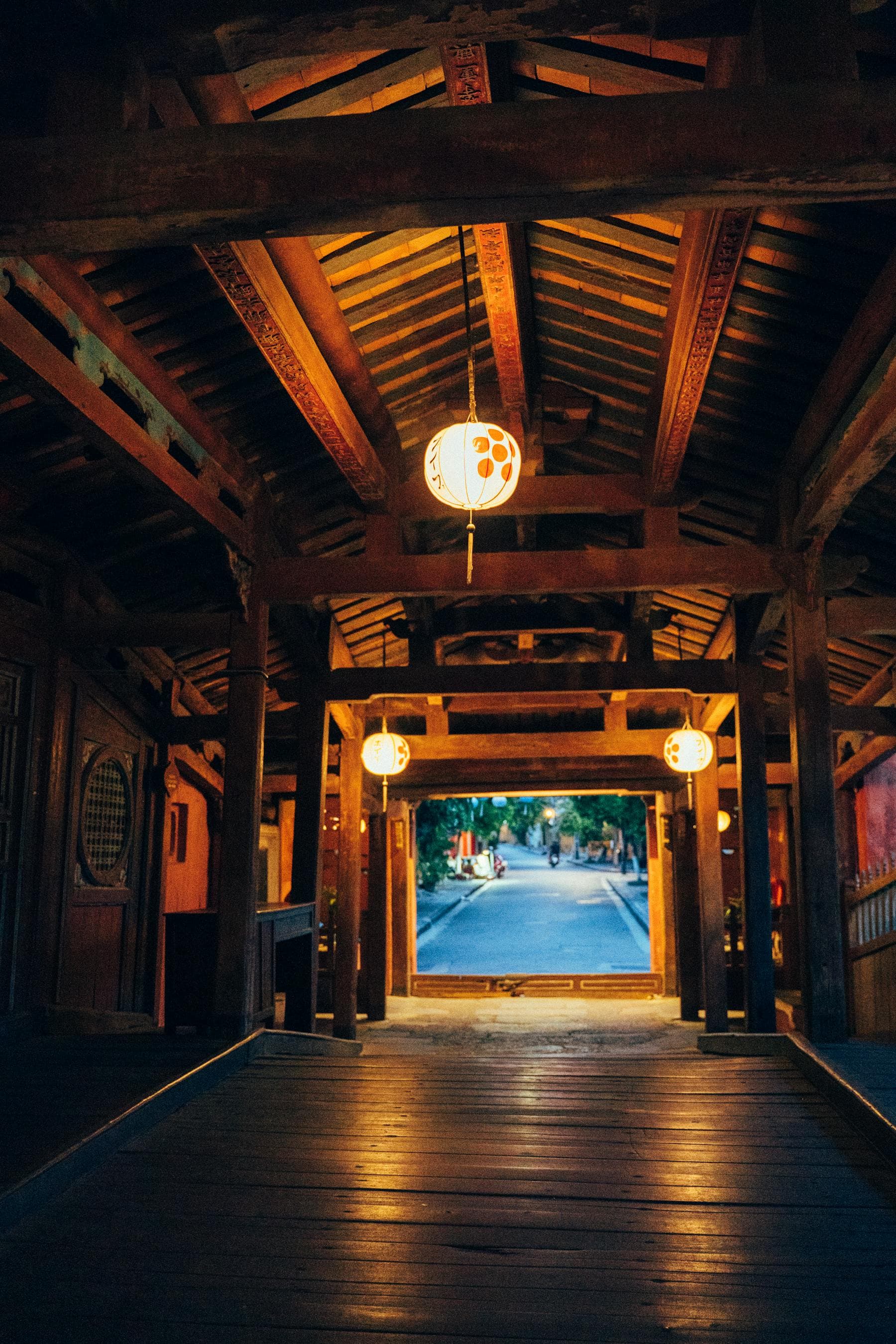
Hoi An Ancient Town: A Local's Complete Guide (2026 Tickets, Hours, Walking Route)
The ancient town of Hoi An is a UNESCO-listed merchant port frozen in the 17th century — 1,107 timber-and-tile heritage buildings on a four-block grid you can walk in two hours. Here is what locals actually know: when to enter, which ticket gets you which house, the lantern-lit window after sunset, and the back lanes most visitors miss.
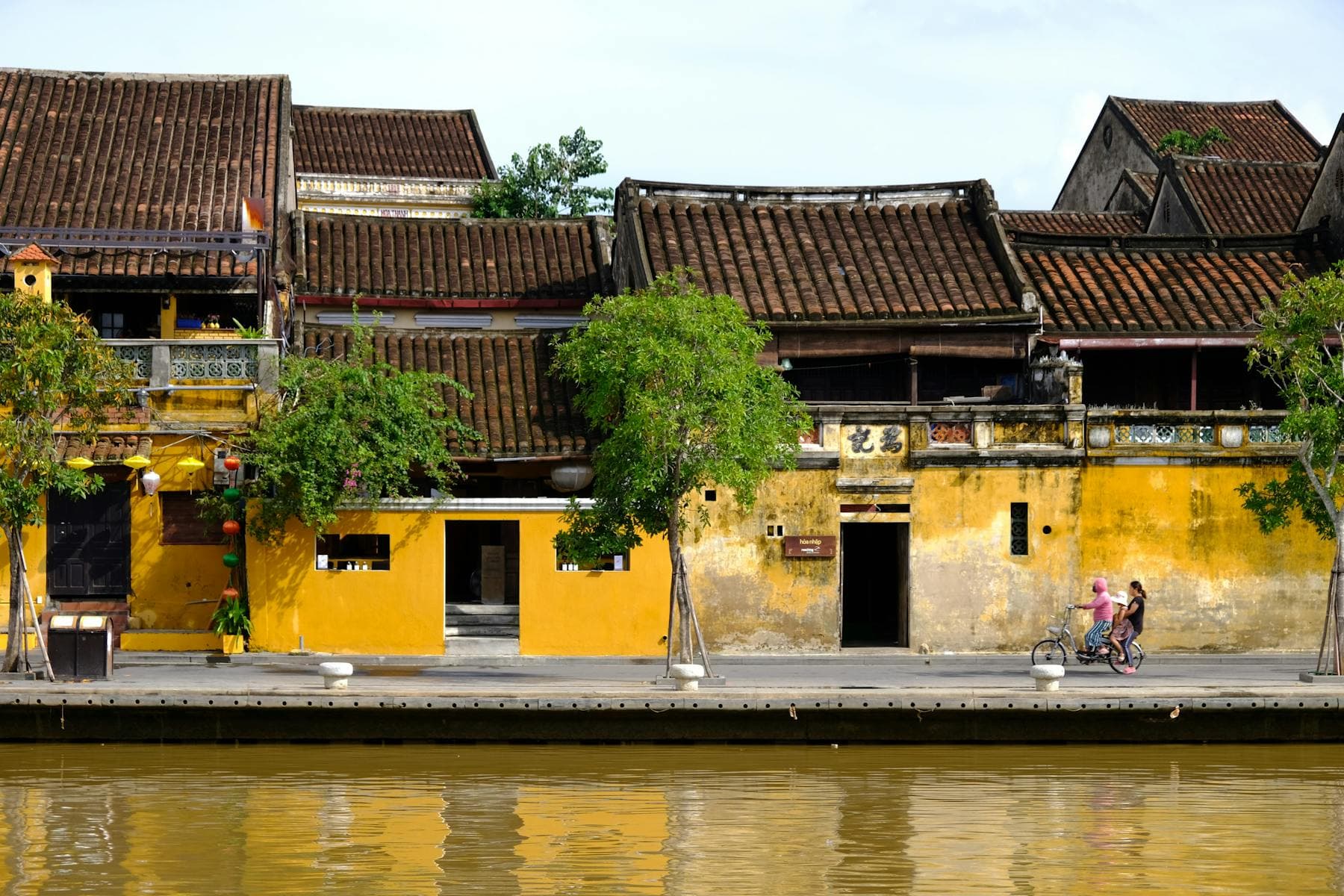
How Many Days in Hoi An? A Day-by-Day Itinerary (1, 2, 3, 4, and 5 Days)
One day in Hoi An is enough to walk the ancient town once. Two days adds the beach. Three days lets the town change shape on you. Four and five days is when most travelers wish they had booked longer in the first place. Here is what to do day by day, with realistic timing, distances, and which day to add what.