Things to do in Hội An in 2026: the Old Town, the quiet islands, the lantern nights, An Bàng beach, day trips, slow days. The full list, with what's worth your time.
The honest top ten things to do in Hội An: walk the Old Town when it's pedestrian-only, see a full-moon lantern night, cross the bridge to Cẩm Nam for street food, cycle to An Bàng beach, take a basket-boat tour through the coconut waterways at Cẩm Thanh, do a cooking class, watch sunset from the Thu Bồn River, day-trip to My Sơn at sunrise, eat cao lầu, and spend at least one slow day doing nothing. This post is the long version — the cluster page for the whole "things to do in Hội An" question, with links into the specific guides we've written for each.
Hội An is small. The UNESCO Ancient Town is about 30 hectares; the wider city, including the beach and the surrounding islands, is walkable, cyclable, and entirely doable in 3–5 days at a slow pace. The mistake most first-time visitors make is to try to fit it into 24 hours. Don't. Read how many days in Hội An first, then come back to this list.
Inside the Old Town — one to two days
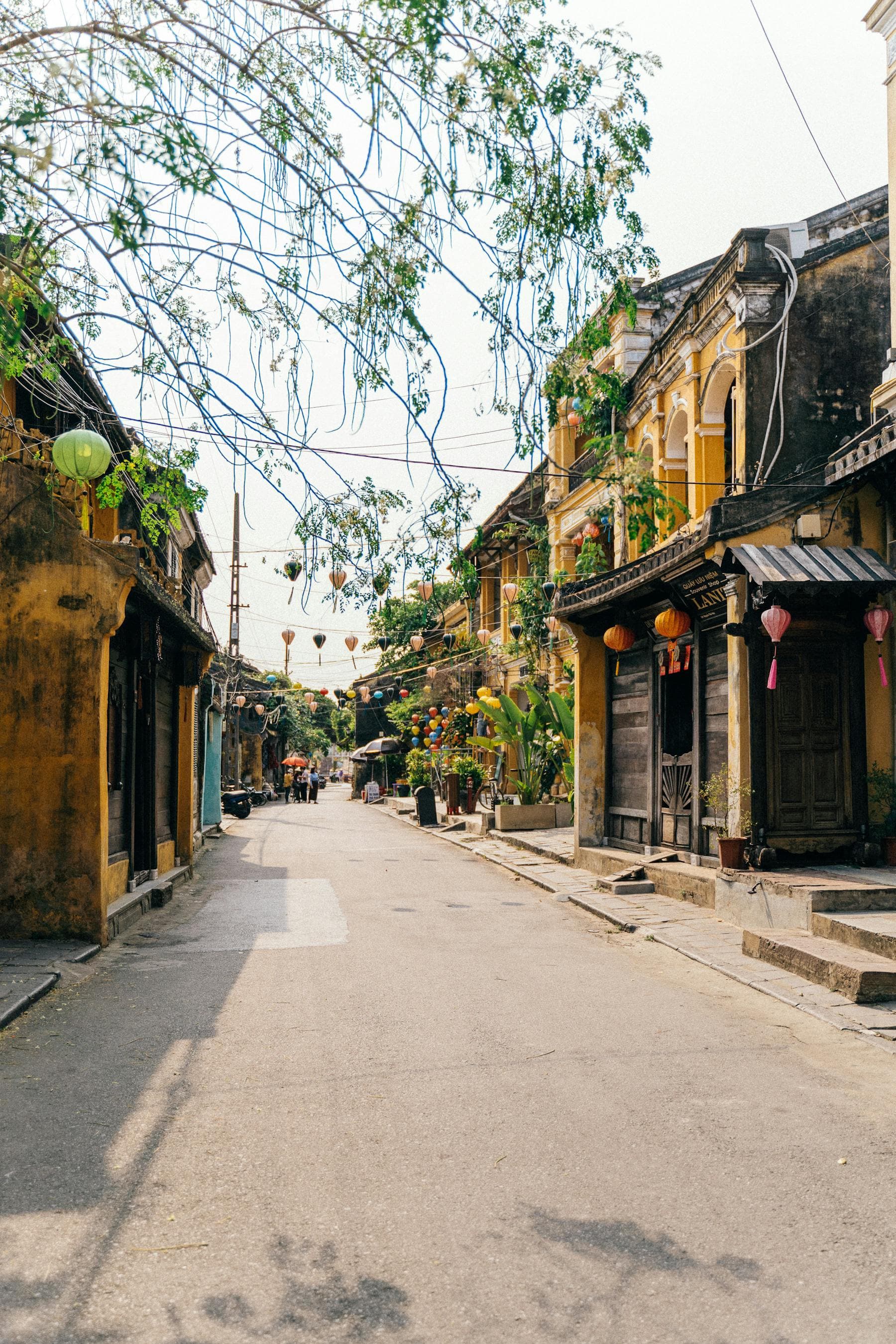
The Ancient Town is the UNESCO-inscribed merchant quarter — a 30-hectare grid of preserved Chinese, Japanese, and French colonial-era houses, assembly halls, temples, and the famous Japanese Covered Bridge (Chùa Cầu). A single ticket (currently 120,000 ₫) gives you access to five heritage sites of your choosing from the master list.
The right way to see the Old Town: read Hội An Ancient Town — a local's guide first, then walk it during the pedestrian-only hours (roughly 9–11:30am and 3–9pm) when motorbikes are banned. Don't try to "do" the Old Town between 11:30am and 3pm — that's the hot, motorbike-loud window. Pick a heritage house (Tan Ky and Phung Hung are the canonical two), one assembly hall (Fujian is the most ornate), the Japanese Bridge, and the central market. Stop for coffee. That's a full morning.
Beyond the Old Town — the other side most visitors miss
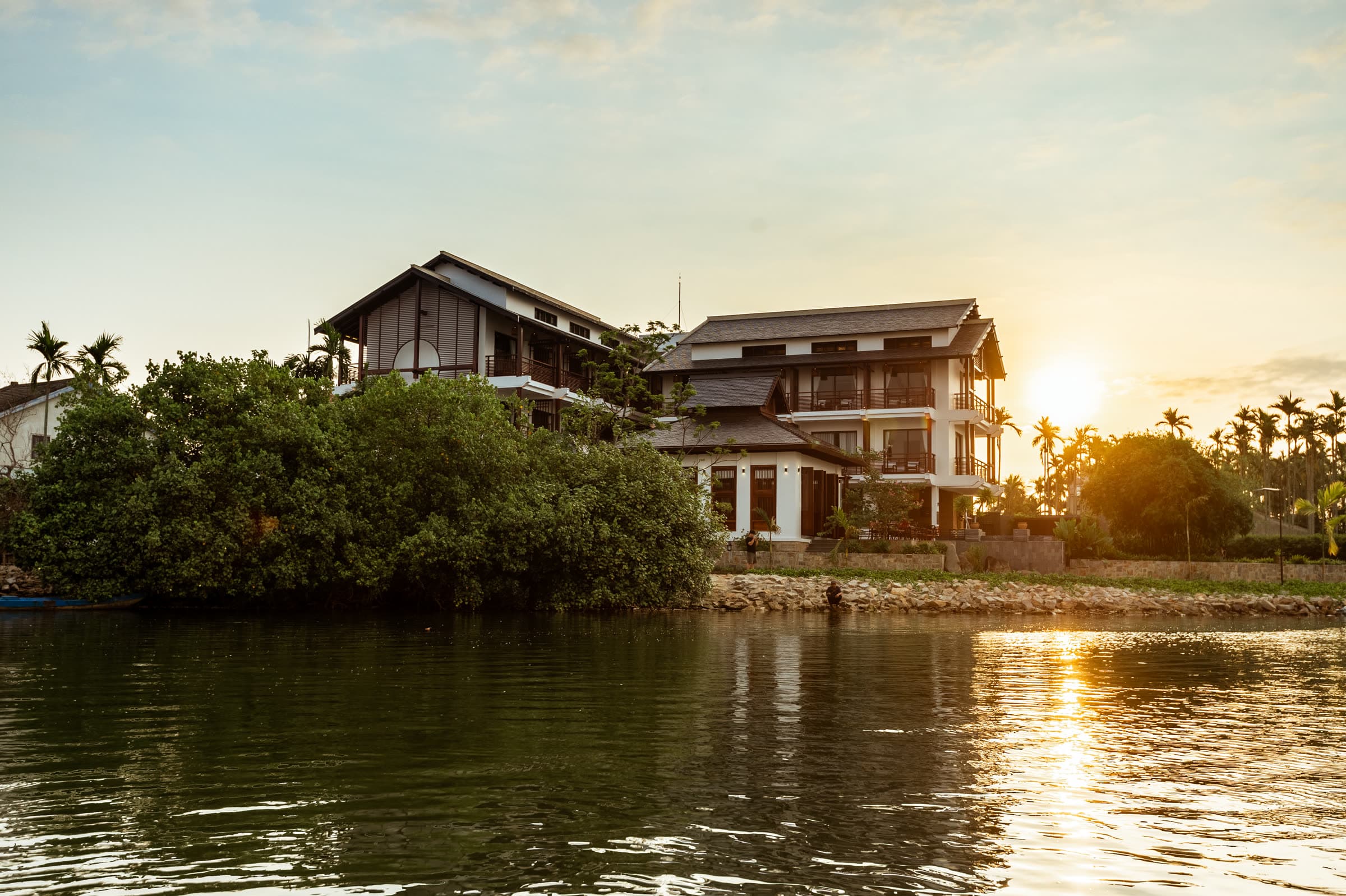
Across the Thu Bồn River from the Old Town are three quiet, mostly-rural islands: Cẩm Nam, Cẩm Kim, and Cẩm Thanh. This is where Hội An locals live, where the rice paddies start, and where you can rent a bike and ride for an hour without seeing another tourist. The riverside on the south bank — including where Nghê Prana sits — is part of this quieter side.
The Thu Bồn River runs the length of Hội An's southern edge, and most of what makes the town feel magical happens on or near the water. Three specific things to do:
1. Watch a full-moon lantern night. On the 14th day of every lunar month, the Old Town shuts off electric light and replaces it with thousands of silk lanterns. The next dates in 2026 are 30 May, 28 June, 27 July, 26 August, 24 September, 23 October, and 22 November. Read Hội An Lantern Festival 2026 — calendar and dates for the full year and what to expect.
2. Watch sunset from the river. Six specific vantage points, ranked by quietness and view quality, are in Thu Bồn River sunset — six vantage points. The short version: An Hội island's south side gives you the best photo; the south bank gives you the quietest watch. We also have a dedicated Thu Bồn River landing page with the geography and history of the river itself.
3. Take a basket-boat tour at Cẩm Thanh. The famous coconut waterways an hour's cycle south of the Old Town — locals row you through nipa-palm channels in round bamboo basket boats, teach you to crab, and sometimes spin the boat for a laugh. About 90,000 ₫ per person, life jackets provided, family-friendly. Details on the Cẩm Thanh landing page.
At the beach — An Bàng and beyond
Hội An has two main beaches and several quieter ones north and south. An Bàng is the beach Hội An locals go to: 4km from the Old Town by bicycle (flat road), wide sand, gradually sloping, calm water in dry season (March to September), good food shacks. It's the safer of the two main beaches for swimming, especially with kids.
Cửa Đại is the other main beach — slightly larger, more upscale resorts, but has suffered serious coastal erosion over the past decade and the swimming areas are smaller now. Most locals recommend An Bàng for swimming.
My Sơn Sanctuary — the Cham brick-tower complex an hour west of Hội An, UNESCO-listed, best at sunrise before the tour buses arrive. See My Sơn Sanctuary day trip. Do this.
Chàm Islands (Cù Lao Chàm) — a marine reserve 18km offshore, snorkelling and small-boat fishing villages. Boats run from Cửa Đại pier between roughly April and September. See Chàm Island day trip.
Huế — the former imperial capital, 3 hours north through the Hải Vân Pass. Do-able as a day trip but better as an overnight. See Huế day trip from Hội An.
Bà Nà Hills and the Golden Bridge — the giant-hands bridge that everyone Instagrams. It's a theme park 50km north of Hội An. Read Bà Nà Hills from Hội An for the honest assessment — short version, it's not what most travellers come to central Vietnam for.
Thanh Hà pottery village — a half-day trip 3km west of the Old Town, fourth-generation potters, no crowds. See Thanh Hà pottery village.
Wellness, slow days, and things you don't have to do
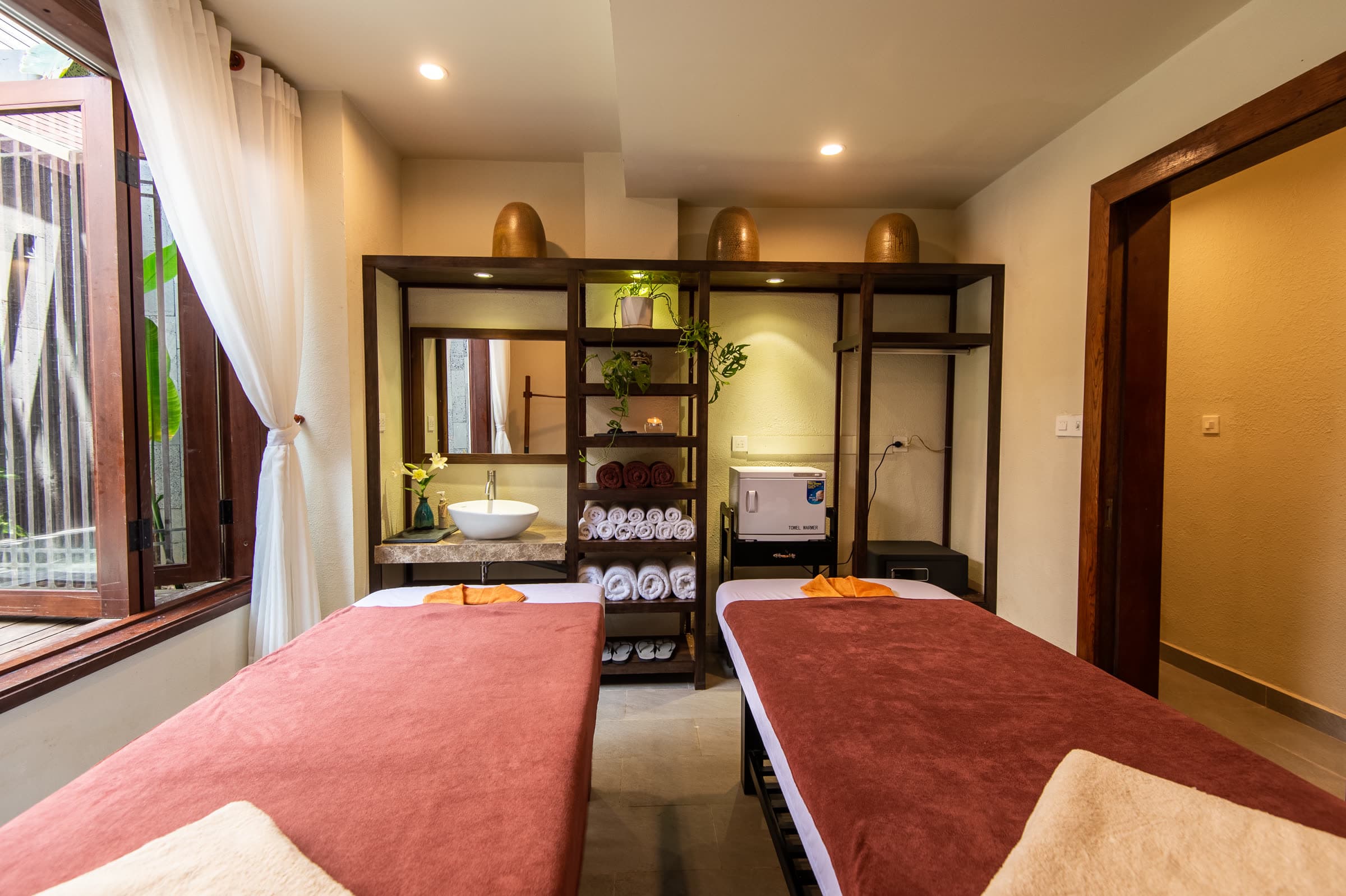
The other reason people come to Hội An — increasingly so — is to slow down. The town has become a quiet hub for wellness tourism: yoga studios near the beach, meditation, herbal baths, and sleep-focused stays. Our own corner of that is the Vietnamese herbal tradition — warm-oil and herbal massage, the lemongrass herbal steam, the pool and the river — and the slow day built around it. We've written extensively on this side of Hội An because it's the reason we built the hotel:
If you've got 3 days and you're tired, do one Old Town morning, one beach afternoon, and let the other two days be slow. That's the secret most return visitors learn.
Cooking classes and craft
Hội An is one of the easiest places in Vietnam to take a cooking class — you'll learn cao lầu, white rose, fresh spring rolls, and the local sauces in 3–4 hours, usually with a market visit beforehand. Read Hội An cooking class guide for which classes are worth booking and which are tourist-trap factories.
Other crafts worth a half-day: silk lantern making workshops near the Old Town, pottery at Thanh Hà, leather work at small workshops in the Old Town, and tailoring (which is its own thing — see Hội An tailor turnaround times if you want a suit or a dress made before you leave).
Planning a trip around this? See dates at our quiet riverside hotel on the Thu Bồn. Check availability →
What about food?
Big topic, separate post. The four canonical dishes — cao lầu, white rose, cơm gà, mì Quảng — plus bánh mì, bánh đập, and the rest, are all covered in what to eat in Hội An — a local's guide. It also covers which of those dishes you can order via Nghê Prana room service if you'd rather eat from the balcony.
For coffee culture specifically: why Vietnamese coffee tastes like that. The phin filter, the robusta beans, the condensed milk — it's a whole tradition.
What to do at night
After dark, the Old Town becomes a different town. Lanterns come on, the riverboats start floating candle lanterns down the Thu Bồn, the night market opens on An Hội island, and the streets fill with diners. Read what to do in Hội An at night for the full evening plan, and noctourism — Hội An lantern festival and dark sky if you're specifically chasing the night-photography angle.
When to come — the weather matters
Hội An's weather divides cleanly: March to August is dry and hot (the swimming season), September to early December is wet (with serious flooding risk in October and November), and December to February is cool and grey (still warm enough for everything except swimming). Read Hội An rainfall by month for the 10-year climatology, and when to visit Vietnam — region-by-region 12-month calendar for the wider picture.
If you're coming October to November, also read Hội An flood zones — an honest hotel map before booking. The Old Town floods in a bad year; the south bank, where we are, sits higher.
What to skip (honestly)
A short, fair list:
Booking a generic "Hội An city tour" online before you arrive. The Old Town is small and self-guided. Pick a heritage-house ticket, use our walking distance guide, and walk it yourself.
A full day at Bà Nà Hills. If you've got a week, fine. If you've got three days in Hội An, the time is better spent in the Old Town and at the beach.
Hand-holding lantern-release ceremonies in the middle of the river when it's crowded. The lantern nights are magical and we love them. But on full-moon weekends the boats can stack three deep and the experience becomes a queue. Pick a non-full-moon evening if you want a quiet float — the lanterns still get released most nights now.
That's not a complaint about Hội An or the people running these experiences — it's just calibration. Local stalls and tour operators are doing what works for them economically. Your job as a traveller is to pick what fits your trip, not to chase everything.
A 3-day plan that works
Day 1: arrive, slow afternoon, sunset on the river, dinner in the Old Town during pedestrian hours.
Day 2: Old Town walk in the morning (heritage houses + Japanese Bridge + market), lunch at a cao lầu stall, basket boat at Cẩm Thanh in the afternoon, pool and dinner at the hotel.
Day 3: cycling day — An Bàng beach in the morning, lunch on the sand, Cẩm Nam for bánh đập in the late afternoon, lantern night in the Old Town if it's a 14th.
For longer stays: add My Sơn at sunrise (day 4), a Chàm Islands snorkel trip (day 5), a cooking class (half a day), and a slow day with no plans at all (the most underrated day).
If you specifically want a riverside hotel in Hội An, or want the noise map before you book anywhere — those are our two pillar pages on the topic.
Hội An rewards slowness. The Ancient Town is worth a morning, not a day. The beach is worth a long afternoon. The lantern nights are worth planning around. And the quiet days — pool, river, coffee, a slow lunch — are what most repeat visitors say they remember. Stay 4 nights minimum. Walk during pedestrian hours. Cross the bridge. Eat the cao lầu. The rest is decoration.
The five highest-value things to do in Hội An are walking the Old Town at sunrise (before crowds), cycling out to An Bàng beach, taking a basket-boat ride through the Cẩm Thanh coconut palms, eating cao lầu at a local stall, and watching the lantern-lit Hoài River from a riverside cafe after dark. These five cover the city's full character — heritage, food, water, light.
How many days do you need in Hội An?
Three days is the sweet spot for Hội An. One day is enough to walk the Old Town and eat a few local dishes. Two days lets you add the beach or the countryside. Three days lets you slow down — a tailored garment fitting, a cooking class, a sunrise ride, and a half-day at the spa or pool.
What can you do in Hội An at night?
At night in Hội An you can walk the lantern-lit Old Town, take a small wooden boat with a paper lantern on the Hoài River, eat at the Cẩm Châu night market, watch a performance at the Lune Production bamboo theatre, or join a Lantern Festival evening on the 14th of each lunar month when the city lights are extinguished and only paper lanterns illuminate the Old Town.
Is Hội An worth visiting in 2026?
Hội An remains one of the most visited cities in Vietnam in 2026, drawing roughly 4 million visitors per year. The Old Town is a UNESCO World Heritage Site and the surrounding countryside, beaches, and food scene continue to attract repeat visitors. The crowds are heaviest from October to March; April to September is hotter but quieter.
What is Hội An famous for?
Hội An is famous for its UNESCO-listed 15th–19th century trading port architecture, its lantern-lit Old Town, its tailoring industry (next-day custom garments), its food (cao lầu, white rose dumplings, cơm gà, mì Quảng), and its proximity to An Bàng and Cửa Đại beaches. The city was a major Southeast Asian trading port from the 15th to 19th centuries.
When is the Hội An lantern festival?
The Hội An Full Moon Lantern Festival takes place on the 14th day of each lunar month — once a month, year-round. From sunset on the 14th, the Old Town's electric lights are extinguished and the streets, river, and homes are illuminated by paper lanterns only. Released paper lanterns float down the Hoài River. The May 2026 festival falls on the night of May 30.
Every room at Nghê Prana is designed around the science of sleep. Blackout curtains, nightly aromatherapy turndown, and riverside quiet — experience what real rest feels like.
Riverside hotel rooms on the Thu Bồn, ten minutes by bicycle from the Ancient Town. Whether it's one night between Hue and Da Nang or a full week of doing nothing — we kept your room quiet.
Free cancellation · Direct from the family who built the hotel

 WhatsApp
 Zalo
Zalo